Ribes cereum “Wax Currant” Grossulariaceae

Missoula, MT
July 19, 2015
Robert Niese

Apparently the berries of the Wax Currant are not very palatable. In fact, its young leaves and flowers are a much more prized trailside treat than its fruits! These little berries will retain their characteristically long, shriveled flowers to maturity when they start to turn red. Perhaps I’ll collect some for a wildberry jam later this summer.

Prunus virginiana “Chokecherry” Rosaceae

Drinking Horse Mountain, Bozeman, MT
June 3, 2015
Robert Niese

Chokecherry is a native species of cherry that is abundant on the drier, east-facing mountain slopes of the PNW. It was a staple food for many tribes in our area and is still regularly harvested by many native peoples. Each small fruit has a pit in the center (like a cherry) which can make its preparation difficult. Check out Abe Lloyd’s blog for details and recipes for things like Chokecherry fruit-leather, jam, and wine.

Lomatium dissectum “Fernleaf Biscuitroot” Apiaceae

Blackfoot River Recreation Corridor (BLM), MT
April 23, 2015
Robert Niese

Biscuitroot is famous for its starchy, edible roots. This particular species is the largest in the PNW and has roots that are often utilized in medicinal remedies to treat viral infections and respiratory disorders.

Ribes setosum (R. oxyacanthoides ssp. setosum) “Gooseberry” Grossulariaceae

Lolo National Forest, Bitterroot Mountains, MT
April 18, 2015
Robert Niese

I was surprised to find this currant blooming on my hike this weekend. This individual must have been receiving direct sunlight for a good portion of the day to have bloomed so much sooner than all the others along our trail. Later in the summer these adorable flowers will become delicious, juicy black currants and will make an excellent trail-side treat!

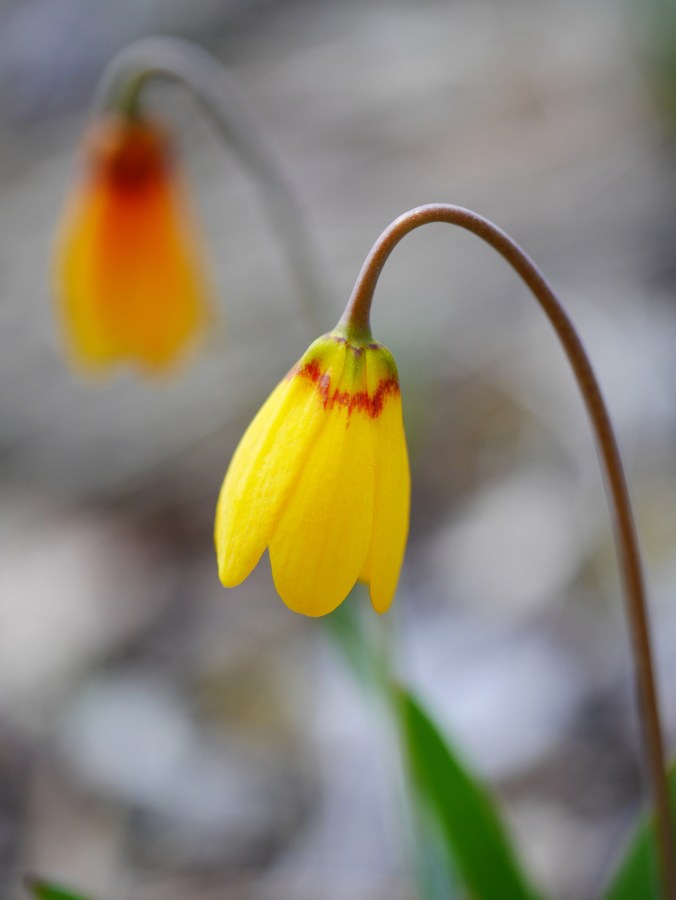
Fritillaria pudica “Yellowbells/Yellow Fritillary” Liliaceae

Lolo National Forest, Bitterroot Mountains, MT
April 18, 2015
Robert Niese

Yellow Fritillaries are a sure sign of spring in the PNW east of the Cascades. They tend to make their appearance around the same time as species like the Sagebrush Buttercup and Biscuitroot. The roots of F. pudica are edible and quite starchy. They are said to taste like rice after they have been cooked.

Arctostaphylos uva-ursi “Bearberry/Kinnikinnick” Ericaceae

Lolo National Forest, Bitterroot Mountains, MT
April 18, 2015
Robert Niese

Bearberry is a ubiquitous, vining Ericad here in the pinelands of the eastern PNW. The dried leaves of this plant are very popular in traditional Native American smoking mixtures. The dried leaves are also used in teas to treat mild urinary tract problems.

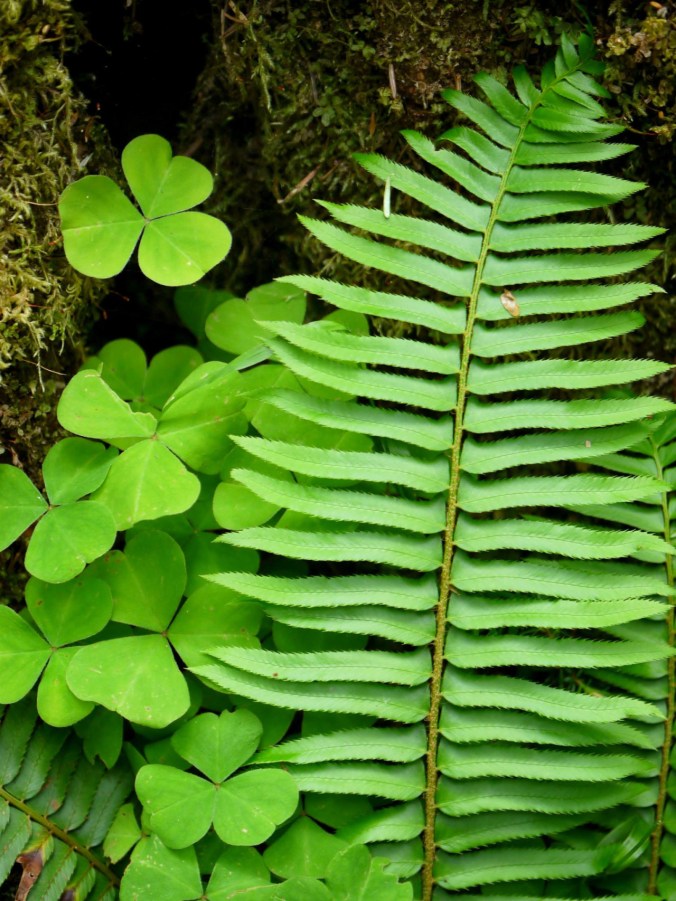
Oxalis oregana “Oregon Wood-sorrel” Oxalidaceae
with Polystichum munitum “Western Sword Fern” Dryopteridaceae

Olympic National Park, WA
June 5, 2013
Robert Niese

This is a common scene throughout the Olympic Peninsula where rainforest floors are literally carpeted with these two species. Both species are edible, but Oxalis is by far my favorite of the two. There’s nothing quite like munching on Oxalis straight from the trail while hiking through a PNW rainforest.

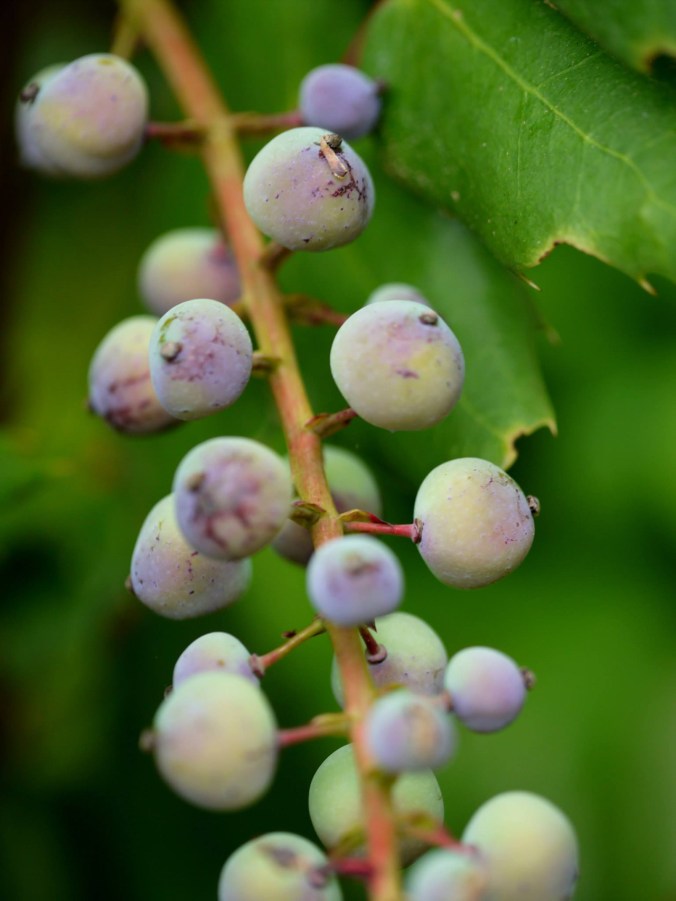
Berberis aquifolium “Tall Oregon Grape” Berberidaceae

Tacoma, WA
May 18, 2013
Robert Niese

The roots of these plants are often used to treat Psoriasis and can be found in topical creams such as Relieva. The stems of most members of this family contain a yellow compound called berberine which is both a strong antimicrobial and an excellent dye. Its berries are sometimes used to make barberry wine and can also produce a pleasant purple dye. Eaten alone however, the fruits of most Berberis are bitter and unpalatable. 

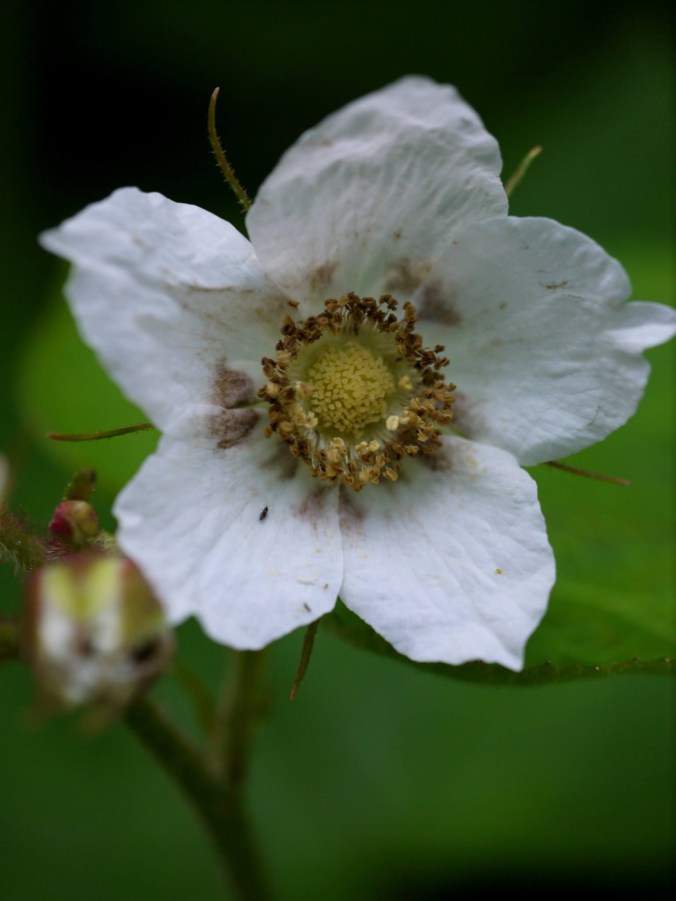
Rubus parviflorus “Thimbleberry” Rosaceae

Tacoma, WA
May 2013
Robert Niese

Thimbleberry is an abundant edible berry found throughout forests in the west. They tend to grow best in disturbed areas such as roadsides, landslides, and clear cuts.