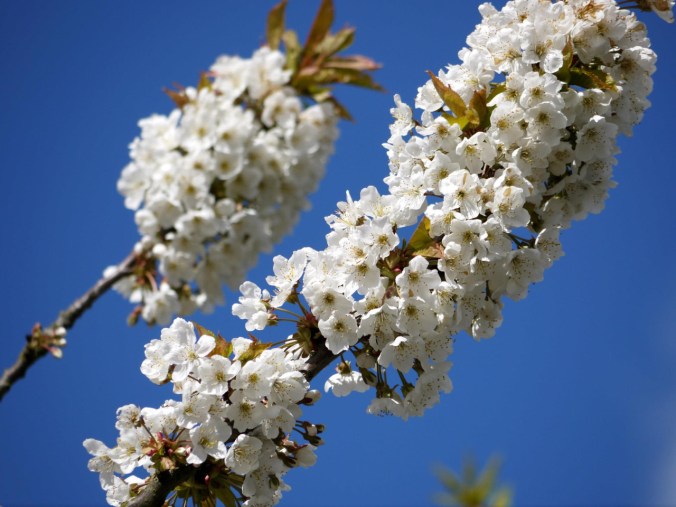
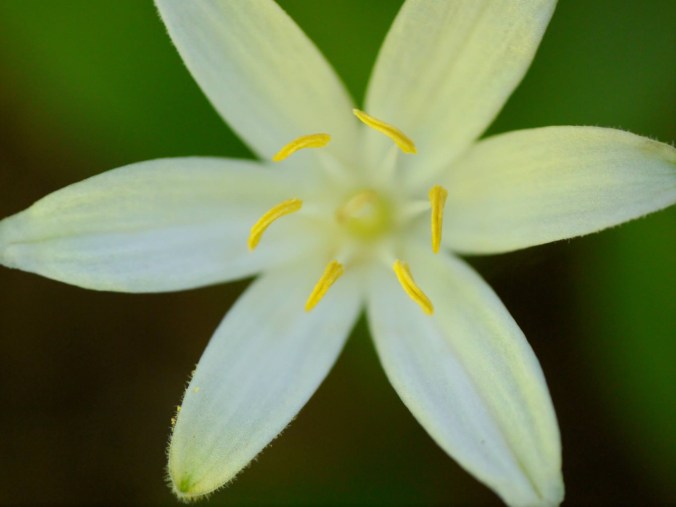
Clintonia uniflora “Queen’s Cup” Liliaceae

Olympic National Park, WA
June 5, 2013
Robert Niese

In spring, these plants bear a single white flower and regularly pop up in fields throughout the moist PNW understory. In the fall, the flowers will turn into blue berries which are mildly poisonous to humans, but are a favorite food of the Ruffed Grouse.

Paruroctonus boreus “Northern Scorpion” Vaejovidae (Scorpiones)

Ginkgo Petrified Forest State Park, WA
April 7, 2013
Robert Niese

Scorpions are a remarkably poorly studied clade of organisms. The Pacific Northwest is home to at least two described species (although there are likely others that remain undescribed): the Pacific Forest Scorpion (Uroctonus mordax) and the Northern Scorpion (Paruroctonus boreus). The Pacific Forest Scorpion, as its name would suggest, is most often found in dense coastal forests wherever it can find constant moisture (also found inland as well, west of the Cascades). The Northern Scorpion tends to prefer more open habitats than the Forest Scorpion and is typically the only species one will encounter east of the Cascades here in the PNW. They are quite abundant at the Ginkgo Petrified Forest State Park where they spend their days hiding from the sun under large rocks.
Sea Stacks at Stawberry Bay

Olympic National Park, WA
June 3, 2013
Robert Niese

Sea Stacks are created as wave action erodes certain rock faster than others along the coastline. Olympic National Park is famous for its sea stacks which come in countless shapes and sizes.

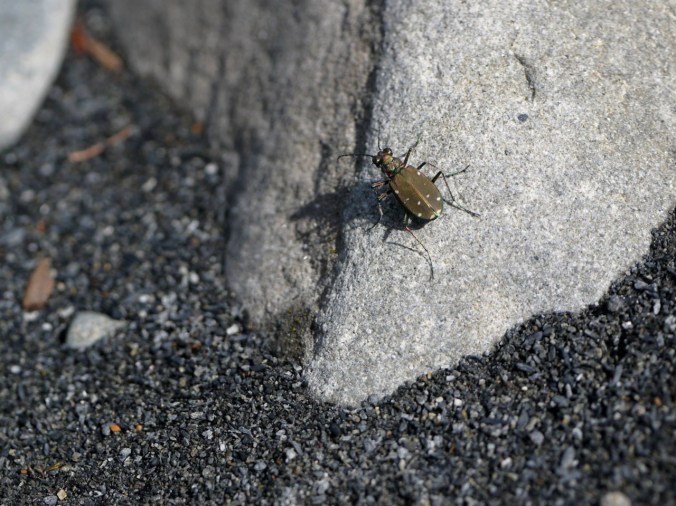
Cicindela oregona “Western Tiger Beetle” Carabidae

Olympic National Park, WA
June 6, 2013
Robert Niese

Look for these awesome predators on sandy river banks west of the Cascades. They are lightning fast and voracious hunters, but that doesn’t detract from the beauty of their iridescent exoskeleton!

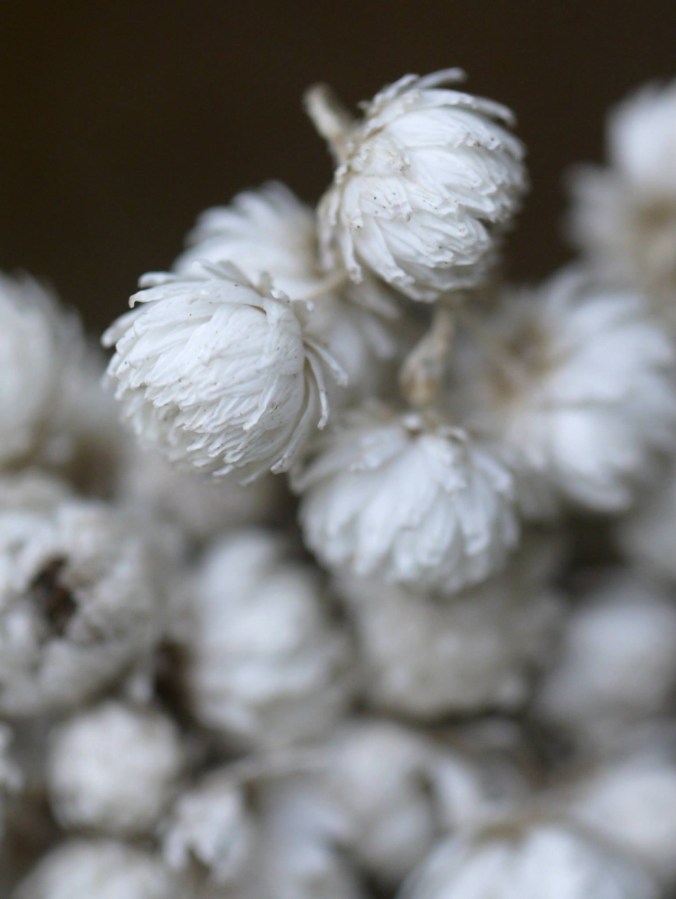
Anaphalis margaritacea “Pearly Everlasting” Asteraceae

Fort Casey State Park, WA
December 17, 2013
Robert Niese

Pearly Everlasting, so named for its persistent white inflorescences that hang around well into winter, is a lovely wildflower native to most of North America. It is often seen in the fall/winter bouquets sold by Pike’s Place Market’s famous flower vendors in Seattle. The dried inflorescences and leaves have also been used as an incense, especially around baby cribs.

Green-winged Teal (Anas crecca carolinensis) Anatidae, male

Seattle, WA
January 13, 2013
Robert Niese

Teal are definitely some of the most attractive waterfowl we have in Western Washington. Which northwest ducks are your favorite?

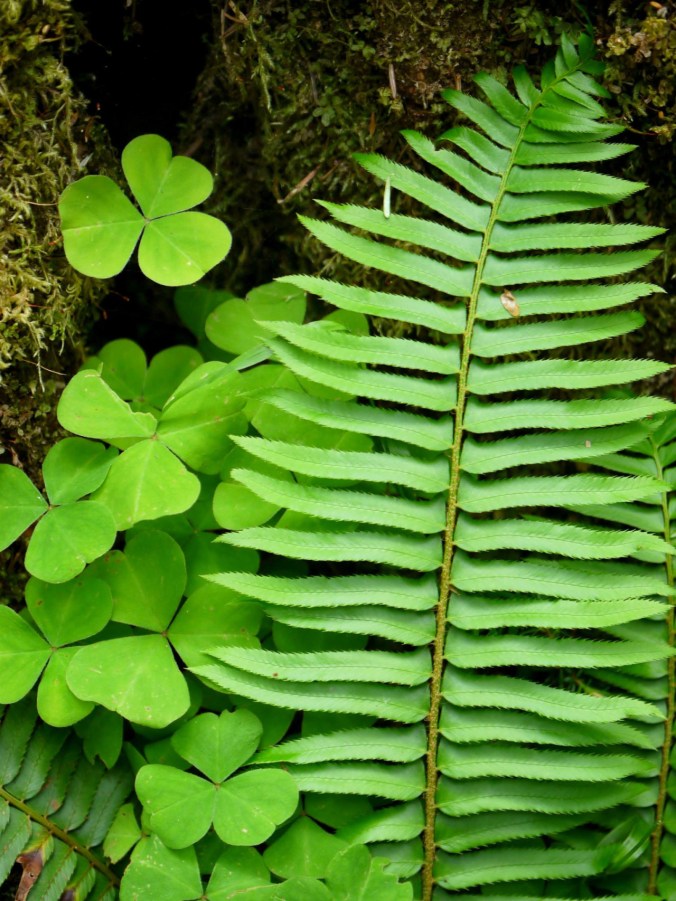
Oxalis oregana “Oregon Wood-sorrel” Oxalidaceae
with Polystichum munitum “Western Sword Fern” Dryopteridaceae

Olympic National Park, WA
June 5, 2013
Robert Niese

This is a common scene throughout the Olympic Peninsula where rainforest floors are literally carpeted with these two species. Both species are edible, but Oxalis is by far my favorite of the two. There’s nothing quite like munching on Oxalis straight from the trail while hiking through a PNW rainforest.

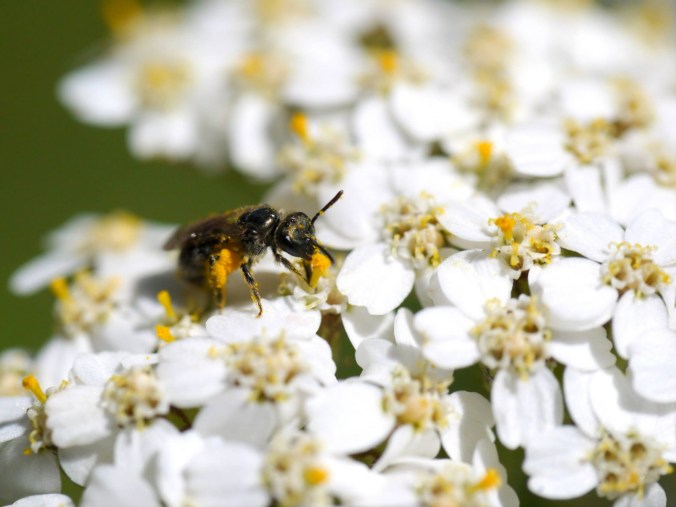
Lasioglossum (Subgenus Dialictus) “Sweat Bee” Halictidae
on Achillea millefolium “Yarrow” Asteraceae

Tacoma, WA
July 6, 2013
Robert Niese

These bees are notoriously difficult to identify. There are more than 290 species in the US and Canada and approximately 1700 species worldwide. Most Sweat Bees (family Halictidae) in our area fall into this mega-Genus. Look for them anywhere and anytime there are flowers blooming. You’re bound to see at least a half dozen species of Halictids on any given summer day!