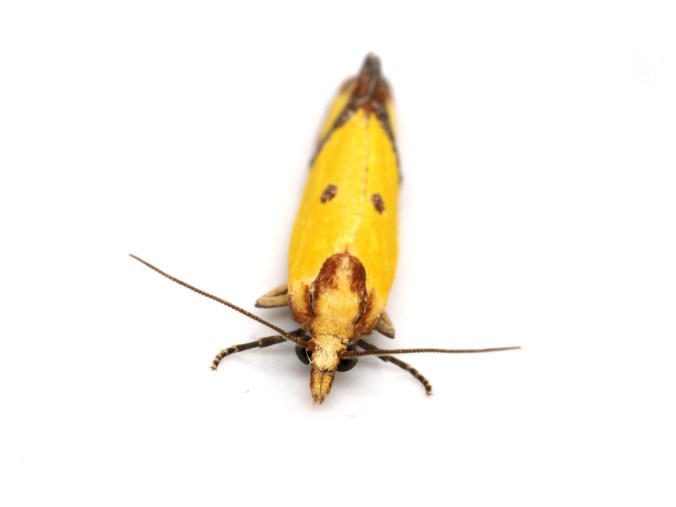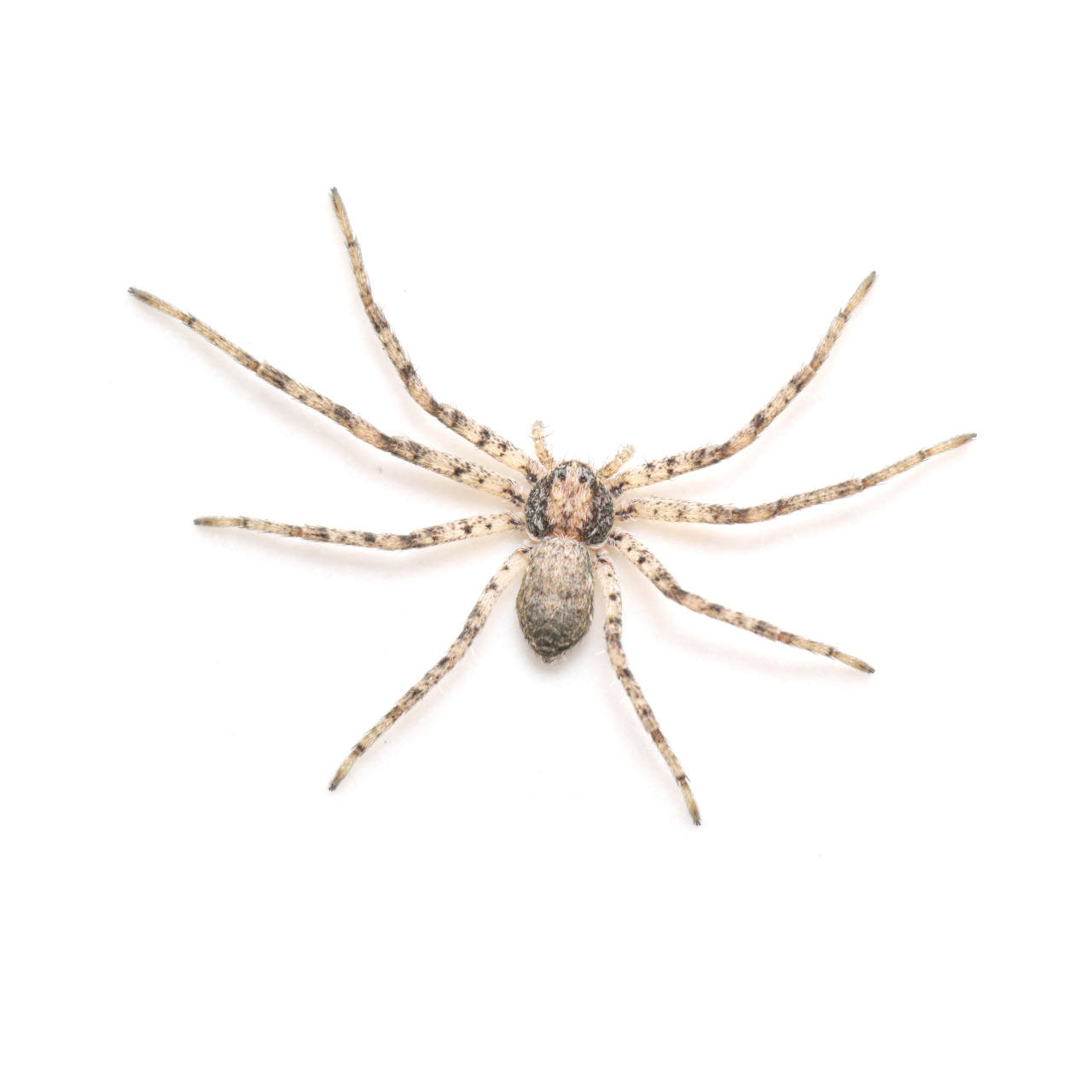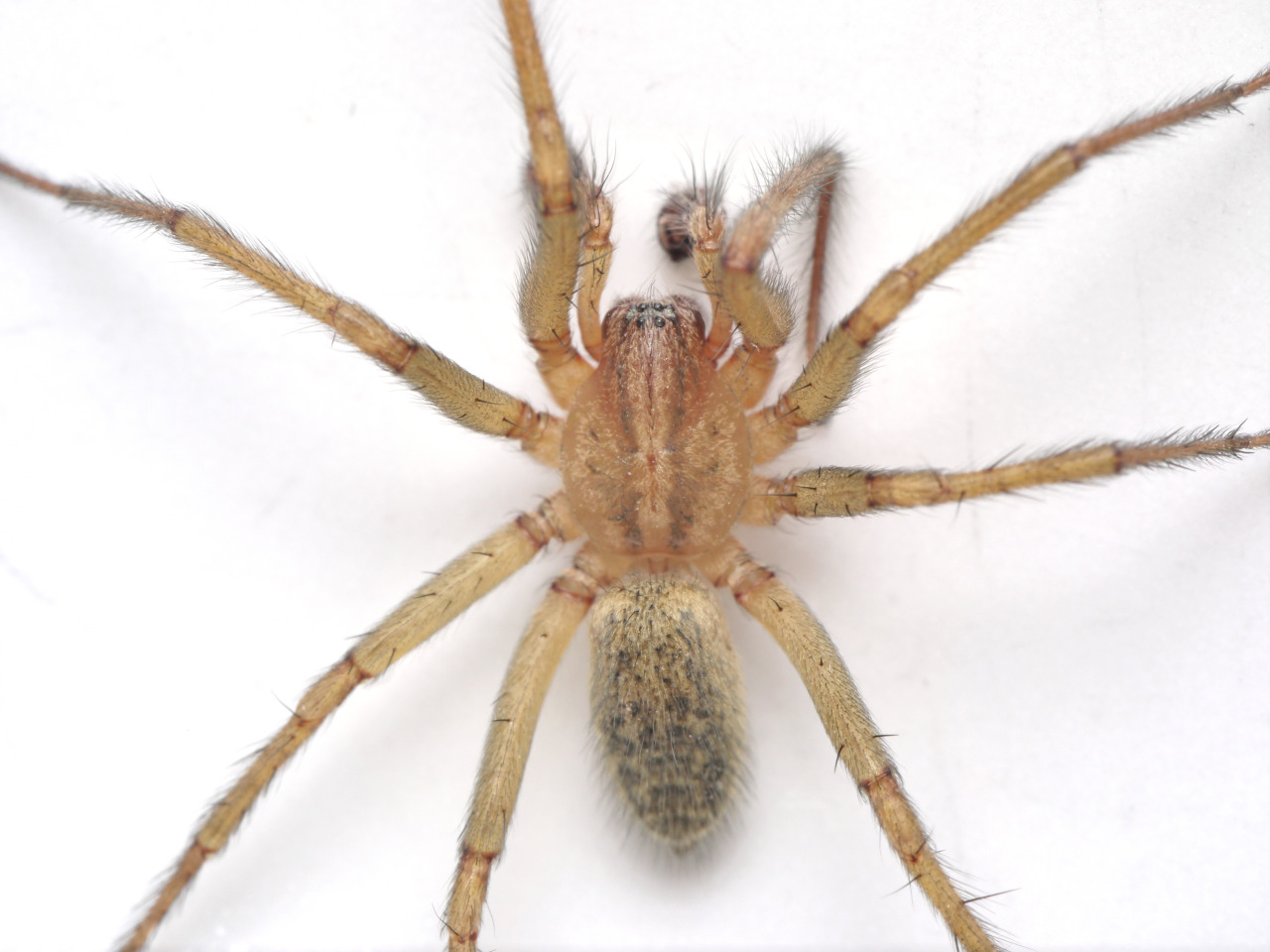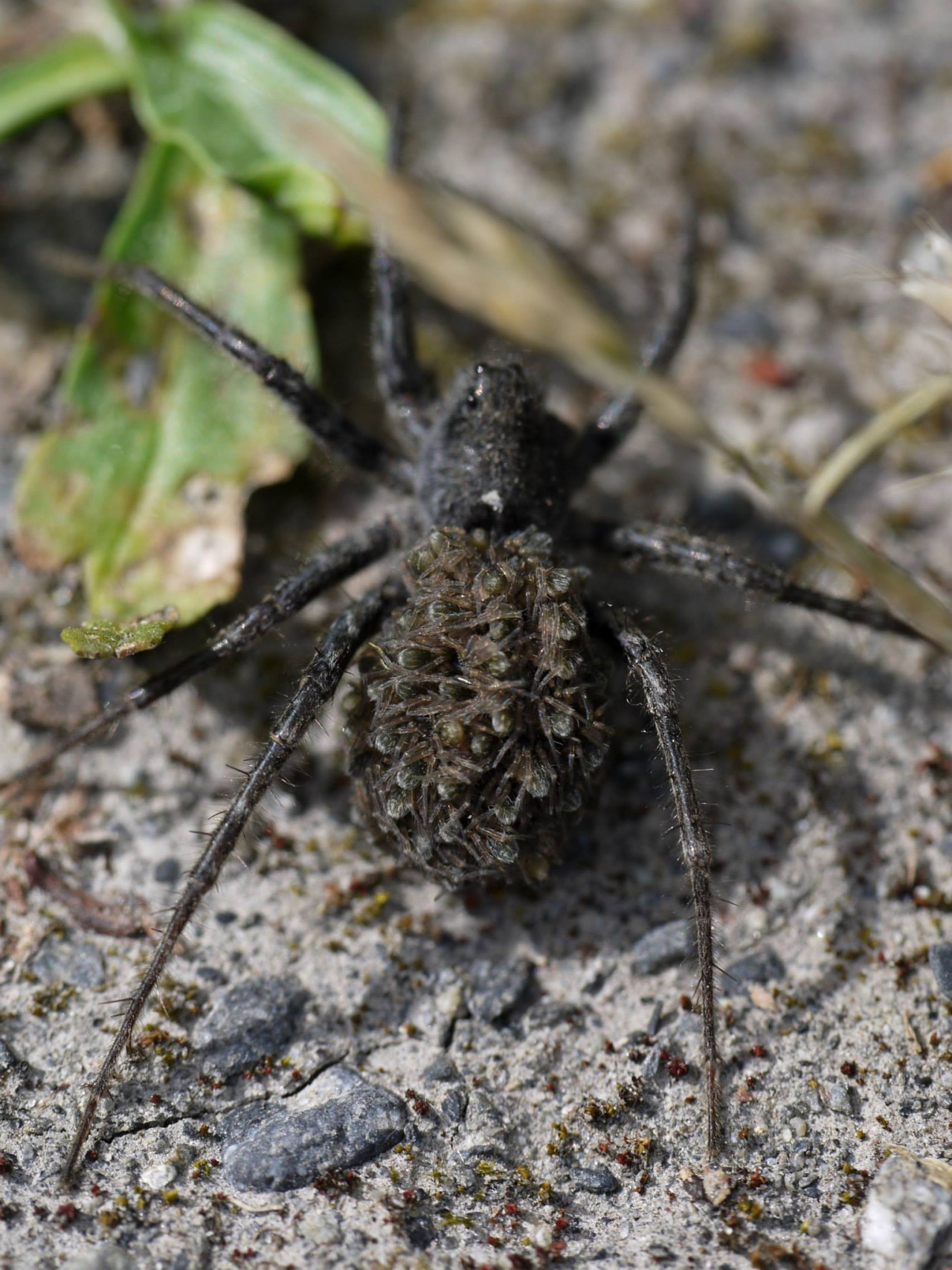
Ceutorhynchus erysimi “Shepherd’s Purse Weevil” Curculionidae

Missoula, MT
June 19, 2015
Robert Niese

These adorable weevils were introduced along with the invasive weed, Shepherd’s Purse (Capsella bursa-pastoris; Brassicaceae) from Europe. They have iridescent green-blue elytra and rarely reach a size of more than 2mm. They’re my new favorite introduced species.

Agapeta zoegana “Sulphur Knapweed Moth” Tortricidae

August 14, 2014
Missoula, MT
Robert Niese

These diminutive moths (10mm in length) are obligate parasites of our invasive knapweed (Centaurea maculosa) and were introduced in 1984 as a potential biological control agent.

Happy National Moth Week!

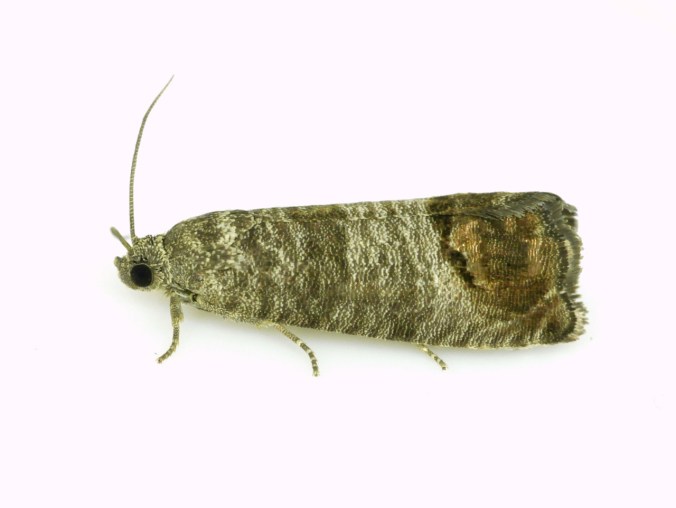
Cydia pomonella “Codling Moth” Tortricidae

Missoula, MT
July 20, 2015
Robert Niese

Codling Moths are perhaps the most infamous moths in the world. They are found everywhere there are apple trees. In fact, these moths are so widespread that no one is quite sure where they came from, although it’s likely they evolved in Eurasia with the apple tree. Females lay their eggs on apple trees and the larvae hatch and immediately burrow into the fruit where they consume the flesh and seeds. The moths are controlled through various means of suppression including pheromone traps that catch males searching for females, trunk banding that captures larvae as they leave the tree to pupate, and releasing Trichogramma parasitic wasps to kill eggs. But the most common form of control is through the application of Codling Moth Granulosis Virus which kills larvae a few days after hatching.

Happy National Moth Week!

Ectoedemia sericopeza “Norway Maple Seedminer” Nepticulidae

Missoula, MT
September 25, 2014
Robert Niese

These teensy-tiny moths are rarely over 2mm in length and are among some of the smallest lepidopterans in the world. Their larvae, which are equally infinitesimal, feed exclusively on (and within!) the tissues of the Norway Maple (Acer platanoides), an introduced species which lines most of our streets here in Missoula.

Happy National Moth Week!

Anania hortulata “Small Magpie” Crambidae

Tacoma, WA
July 8, 2013
Robert Niese

The Small Magpie is an adorable moth that was accidentally introduced from Europe. Its larvae feed on Stinging Nettle (Urtica dioica) and many members of the mint family.

Happy National Moth Week!

Alucita montana “Montana Six-plumed Moth” Alucitidae

Missoula, MT
November 20, 2013
Robert Niese

This is a member of a rather large group of moths that fly using rackets, not paddles. The “plumes” of the plume moths are remarkably similar to feathers on a bird. Learn more about how these cool organisms are capable of flying here.

Happy National Moth Week!

Alucita montana “Montana Six-plumed Moth” Alucitidae

Missoula, MT
November 20, 2013
Robert Niese

This is a member of a rather large group of moths that fly using rackets, not paddles. The “plumes” of the plume moths are remarkably similar to feathers on a bird. Learn more about how these cool organisms are capable of flying here.

Happy National Moth Week!

My spider photos and some of my natural history writings have been featured on the Oregonian’s website! I’m so excited to see my work getting out to the public!

Check it out!

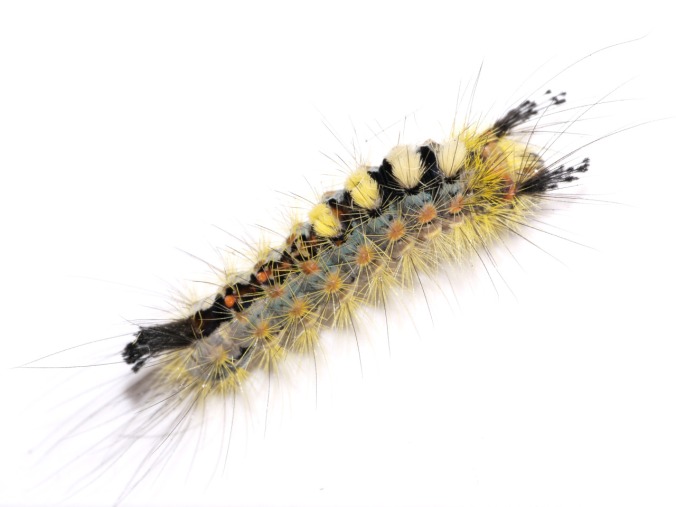
Orgyia antiqua “Rusty Tussock Moth” caterpillar Lymantriidae (now Erebidae)

Tacoma, WA
July 12, 2013
Robert Niese

This species is widely dispersed throughout both hardwood and coniferous forests in North America. Here in the Pacific Northwest, it tends to be restricted to moist, low elevation forests west of the Cascades. The caterpillars of this species are generalists and can eat both conifers and flowering plants.
Fun fact: female tussock moths are flightless and lay their eggs en masse on their cocoon. In order to disperse into the wide world beyond the cocoon they’re born on, freshly-hatched larvae will balloon away on the wind.

Happy National Moth Week!

Scoparia basalis “Many-spotted Scoparia” Crambidae

Point Defiance Park, Tacoma, WA
July 22, 2013
Robert Niese

Our night of mothlighting in Point Defiance Park was chock-full of these adorable little (1cm!) Crambids. Definitely our most abundant moth of the evening! Caterpillars of Scoparia moths are poorly described, but some scientists think they might live in and feed on mosses before reaching adulthood. This might make sense considering that the forests in Point Defiance Park are dripping with mosses!

Happy National Moth Week!