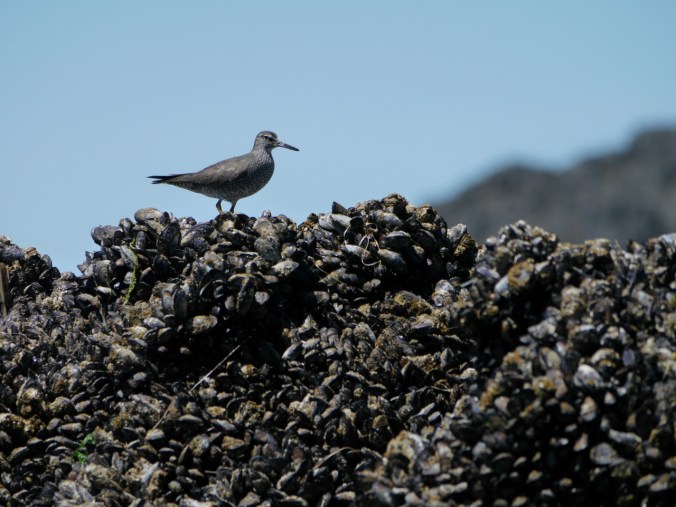
Wandering Tattler (Tringa incana) Scolopacidae

Seal Rock State Park, OR
June 11, 2015
Robert Niese

This Tattler was certainly wandering! It’s breeding season for most shorebirds this time of year, but this lone Wandering Tattler is hundreds of miles away from its typical breeding grounds in NE Russia, Alaska, and NW Canada. What’cha doing here, buddy?
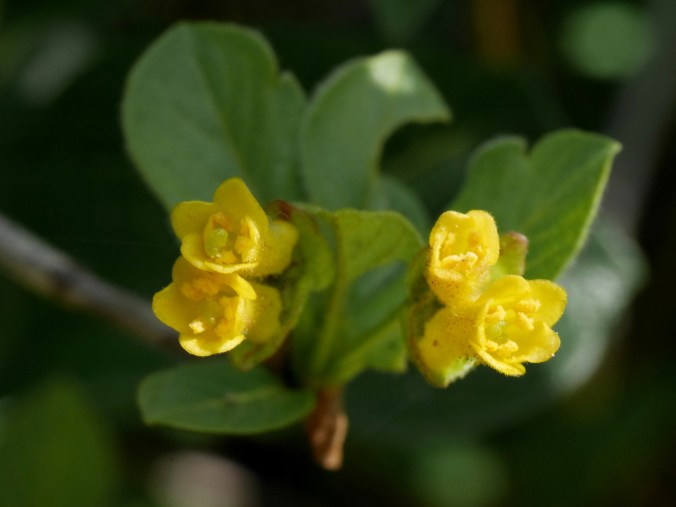
Lonicera involucrata “Twinberry” Caprifoliaceae

Beachside State Park, OR
June 11, 2015
Robert Niese

Twinberry is a common coastal shrub in the PNW. It tends to produce flowers in pairs that are regularly defended by Rufous Hummingbirds. These flowers usually develop into a pair of inedible berries. Many coastal native peoples held taboos against eating these berries. Some said that they were the food of monsters and the dead. Others believed that you would be unable to speak after consuming them. Instead the berries were often used as a hair dye and to prevent graying.

Lonicera involucrata “Twinberry” Caprifoliaceae

Beachside State Park, OR
June 11, 2015
Robert Niese

Twinberry is a common coastal shrub in the PNW. It tends to produce flowers in pairs that are regularly defended by Rufous Hummingbirds. These flowers usually develop into a pair of inedible berries, but in this sad bush, most of the berries had lost their twins. Many coastal native peoples held taboos against eating these berries. Some said that they were the food of monsters and the dead. Others believed that you would be unable to speak after consuming them. Instead the berries were often used as a hair dye and to prevent graying.