Pulsatilla patens (Anemone patens) “Prairie Crocus” Ranunculaceae

Blackfoot River Recreation Corridor (BLM), MT
April 23, 2015
Robert Niese

These beautiful spring flowers are most abundant in the early spring and often bloom around Passover earning them the common name “Pasque Flower” (pasque is an old Latin word for Easter). The prairie crocus is in decline throughout its range, but is protected as a threatened species in Washington where it is restricted to only a few locations in the Okanogan-Wenatchee National Forest.

Lomatium dissectum “Fernleaf Biscuitroot” Apiaceae

Blackfoot River Recreation Corridor (BLM), MT
April 23, 2015
Robert Niese

Biscuitroot is famous for its starchy, edible roots. This particular species is the largest in the PNW and has roots that are often utilized in medicinal remedies to treat viral infections and respiratory disorders.

Erythronium grandiflorum “Glacier Lily” Liliaceae

Blackfoot River Recreation Corridor (BLM), MT
April 23, 2015
Robert Niese

The Glacier Lily is endemic to western North America and is a close relative of E. montanum, another common montane fawn lily. Unlike E. montanum, the yellow Glacier Lily is not as particular about its habitat and is regularly found in the understory of nearly all our Ponderosa Pine forests in the springtime.

Collinsia parviflora “Blue-eyed Mary” Plantaginaceae (Scrophulariaceae)

Missoula, MT
April 23, 2015
Robert Niese

The Smallflowered Blue-eyed Mary is a common PNW plant, but its diminuitive growth habit makes it easy to miss. The flowers of this plant are rarely more than a few millimeters across and they hardly grow more than 10cm off the ground. Lately, I’ve been experimenting with photographing several small-flowered plants with my new macro light-ring in the botany lab (they’ve got black lab benches that provide a nice background). I’m quite satisfied with the results!

Dodecatheon pulchellum “Prairie Shooting Star” Primulaceae

Blackfoot River Recreation Corridor (BLM), MT
April 23, 2014
Robert Niese

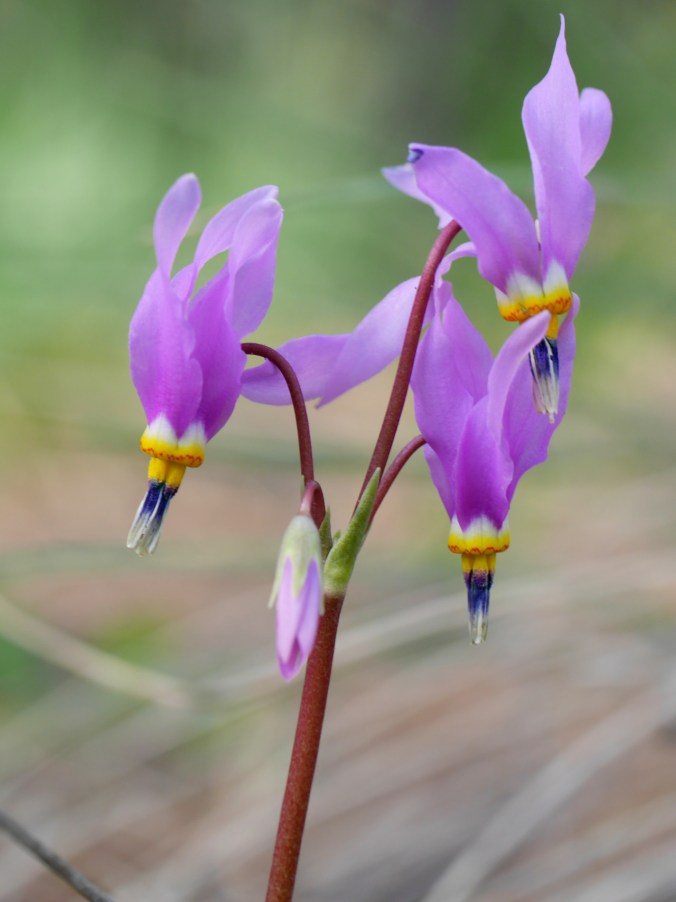
Our two most common Shooting Stars in the Missoula area are D. conjugens and D. pulchellum. They are nearly identical and can even occur side-by-side on shrub-steppe hillsides. Check out the links above for information on how to tell them apart!

Dodecatheon pulchellum “Prairie Shooting Star” Primulaceae

Blackfoot River Recreation Corridor (BLM), MT
April 23, 2014
Robert Niese

Our two most common Shooting Stars in the Missoula area are D. conjugens and D. pulchellum. They are nearly identical and can even occur side-by-side on shrub-steppe hillsides, but a careful examination of the wrinkles at the base of the anthers and the shape of the stigma can usually assist in identification. D. pulchellum tends to have a slightly enlarged stigma and has anthers with wrinkles that run vertically. Conversely, D. conjugens has a narrow, almost imperceptible stigma and has wrinkles on its anthers that run horizontally. This individual has some nice vertical wrinkles and an obvious stigma.

Dodecatheon conjugens “Desert Shooting Star” Primulaceae

Lolo National Forest, Bitterroot Mountains, MT
March 18, 2015
Robert Niese

Our two most common Shooting Stars in the Missoula area are D. conjugens and D. pulchellum. They are nearly identical and can even occur side-by-side on shrub-steppe hillsides, but a careful examination of the wrinkles at the base of the anthers and the shape of the stigma can usually assist in identification. D. pulchellum tends to have a slightly enlarged stigma and has anthers with wrinkles that run vertically. Conversely, D. conjugens has a narrow, almost imperceptible stigma and has wrinkles on its anthers that run horizontally. This individual has some nice horizontal wrinkles and a very small stigma. After editing this picture, I noticed that there is also a louse or springtail hanging out on the style, presumably waiting for a pollinator to stop by so it can hitch a ride to another flower.

Trillium ovatum “Wakerobin/Western Trillium” Liliaceae

Lolo National Forest, Bitterroot Mountains, MT
March 18, 2015
Robert Niese

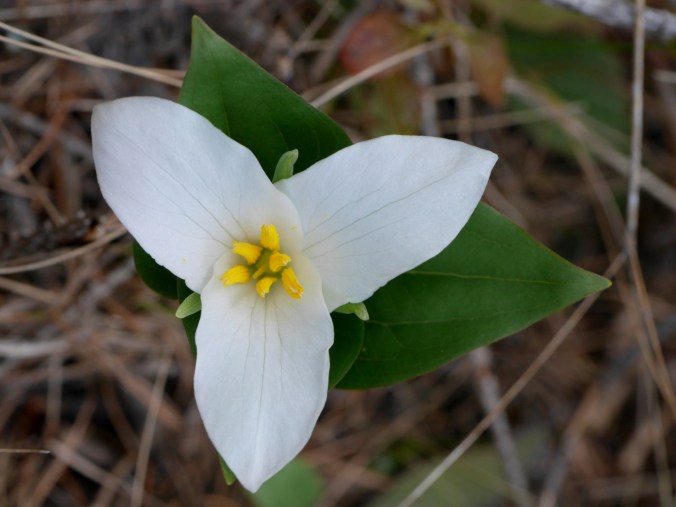
Trillium is, by far and away, my favorite spring arrival to our PNW forests. They like moist areas around rivers and streams, especially those that have a nice mossy carpet to keep the soil damp throughout the year.

Ribes setosum (R. oxyacanthoides ssp. setosum) “Gooseberry” Grossulariaceae

Lolo National Forest, Bitterroot Mountains, MT
April 18, 2015
Robert Niese

I was surprised to find this currant blooming on my hike this weekend. This individual must have been receiving direct sunlight for a good portion of the day to have bloomed so much sooner than all the others along our trail. Later in the summer these adorable flowers will become delicious, juicy black currants and will make an excellent trail-side treat!

Fritillaria pudica “Yellowbells/Yellow Fritillary” Liliaceae

Lolo National Forest, Bitterroot Mountains, MT
April 18, 2015
Robert Niese

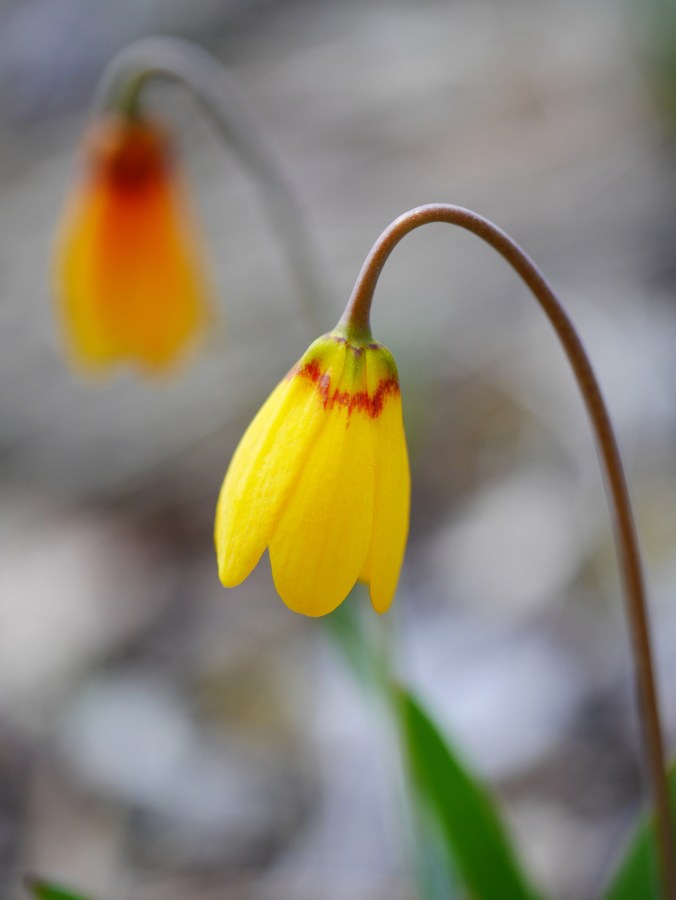
Yellow Fritillaries are a sure sign of spring in the PNW east of the Cascades. They tend to make their appearance around the same time as species like the Sagebrush Buttercup and Biscuitroot. The roots of F. pudica are edible and quite starchy. They are said to taste like rice after they have been cooked.