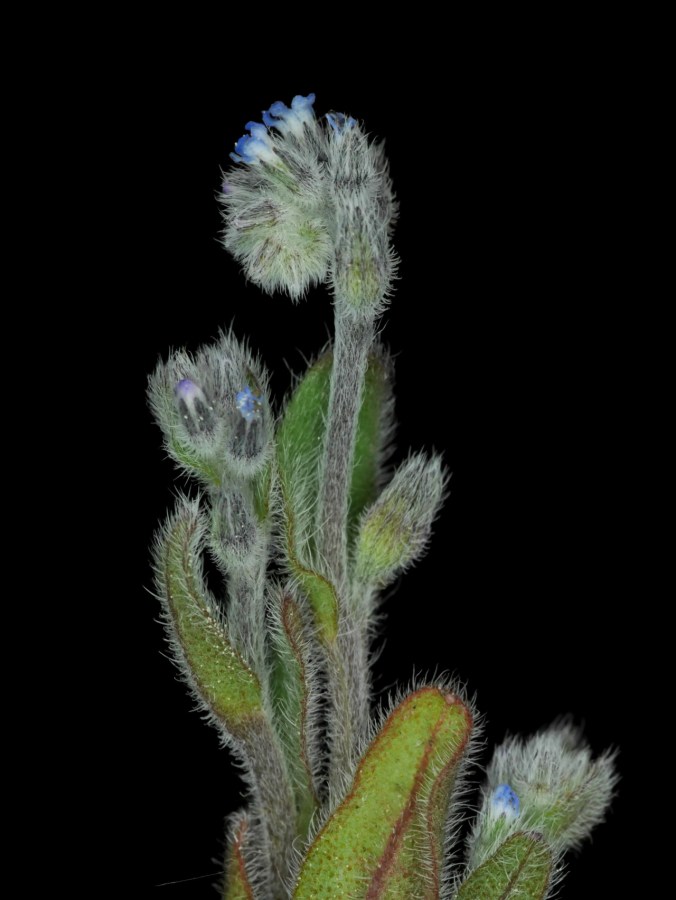
Myosotis stricta (micrantha) “Strict Forget-me-not” Boraginaceae

Missoula, MT
April 23, 2015
Robert Niese

There are several species of Myosotis in our region – four of which have flowers that are less than 5mm in diameter! Of these small-flowered species, M. verna tends to have white flowers, M. laxa has sepal hairs that are not hooked at the tip, and M. discolor produces flowers that are yellow at first, but turn purple with age. M. discolor and M. stricta tend to be our most common tiny, weedy, roadside inhabitants here in the PNW. The flowers on this particular specimen were only 2mm across!

Rhizomnium glabrescens “Fan Moss” Bryales

Deception Pass State Park, Whidbey Island, WA
August 18, 2014
Robert Niese

These mosses are very common in wet forests throughout the western PNW and appear to be particularly fond of rotting logs and rocks. They are a very leafy species of moss and are often mistaken for vascular plants. The star-shaped structures shown here are the sperm-bearing male gametophytes (full of antheridia). This particular arrangement of leaves allows the sperm to splash out of the antheridia whenever it rains. So next time you’re wandering around a wet PNW forest in the rain, I hope you think about moss sex. Learn more about the biology of these mosses here!

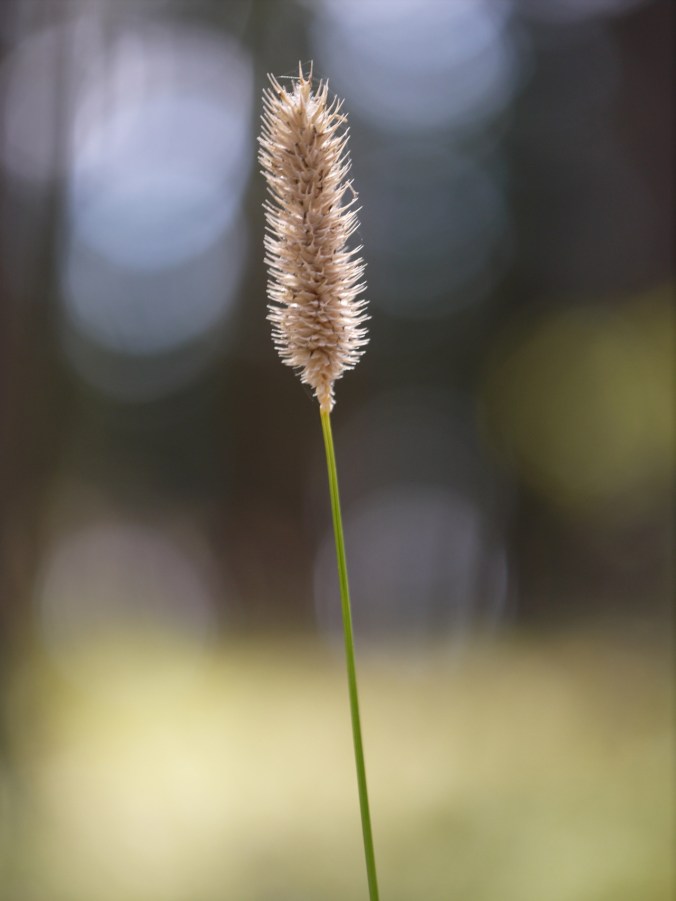
Phleum pratense “Timothy” Poaceae

Seeley Lake, MT
September 13, 2014
Robert Niese

Timothy grass has been introduced throughout most of North America and is commonly found along roads and trails here in western Montana. It flowers late in the summer and by fall its inflorescence dries out and it begins looking quite sedge-like. It is easily distinguished from other similar grasses by its double-pointed, horn-like spikelets.


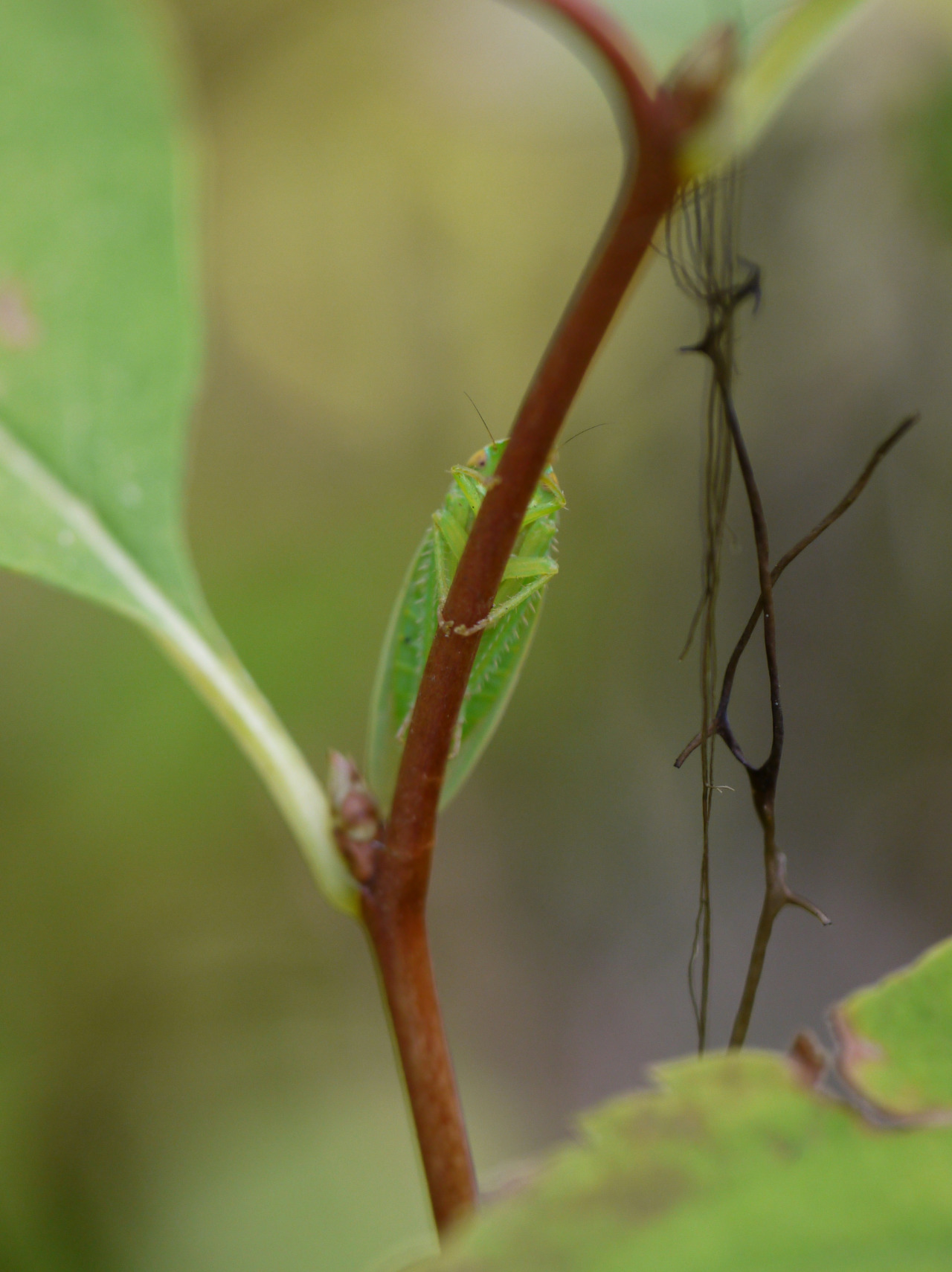
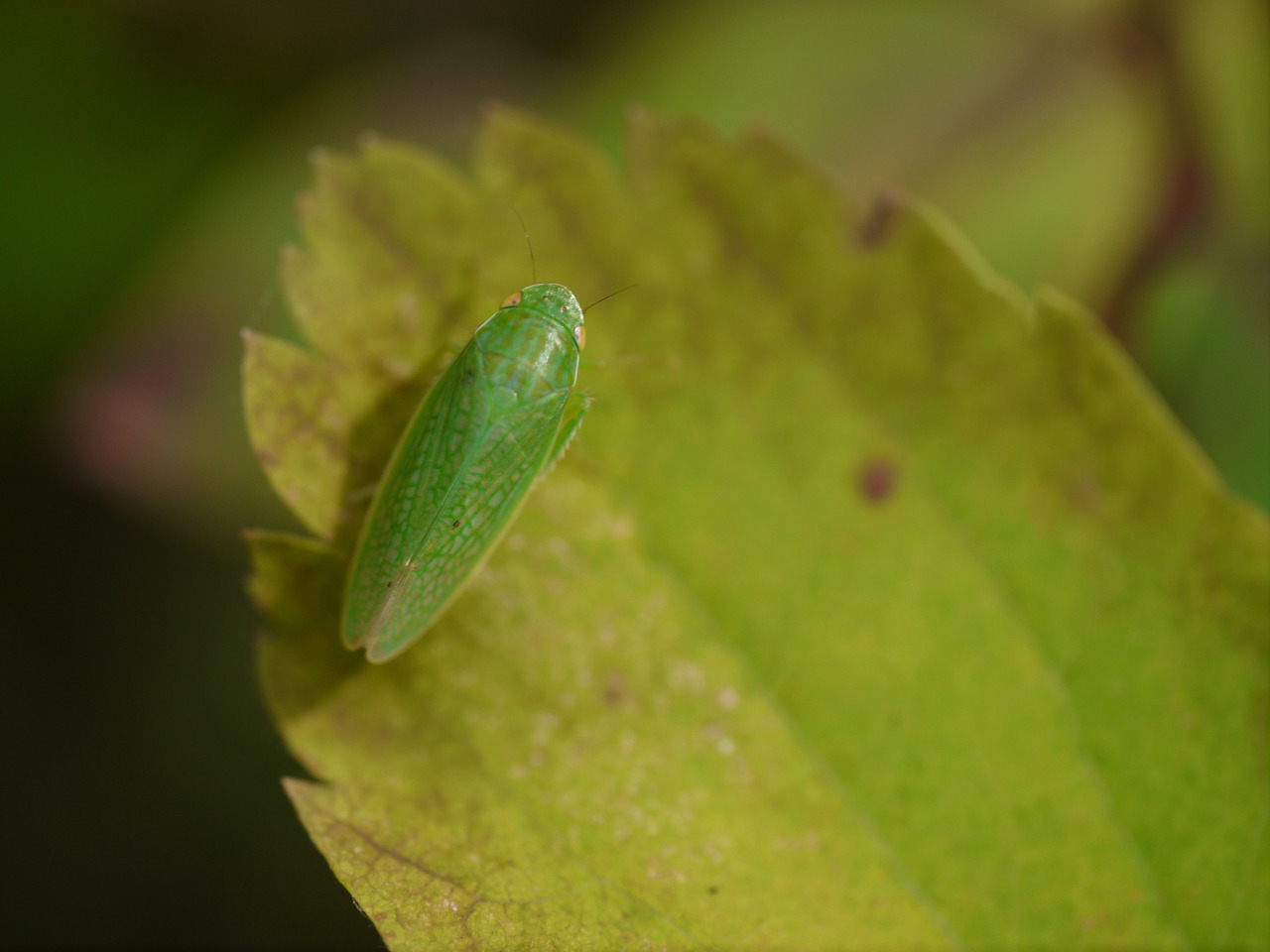
Gyponana sp. “Common Green Leafhopper” Cicadellidae

Seeley Lake, MT
September 13, 2014
Robert Niese

These leafhoppers are extremely abundant in North America but are next to impossible to identify beyond genus using external characteristics alone. These species tend to feed on the sap of conifers, and considering that this little guy was found in one of Montana’s most famous larch forests, I’m gonna guess he’s a larch specialist.

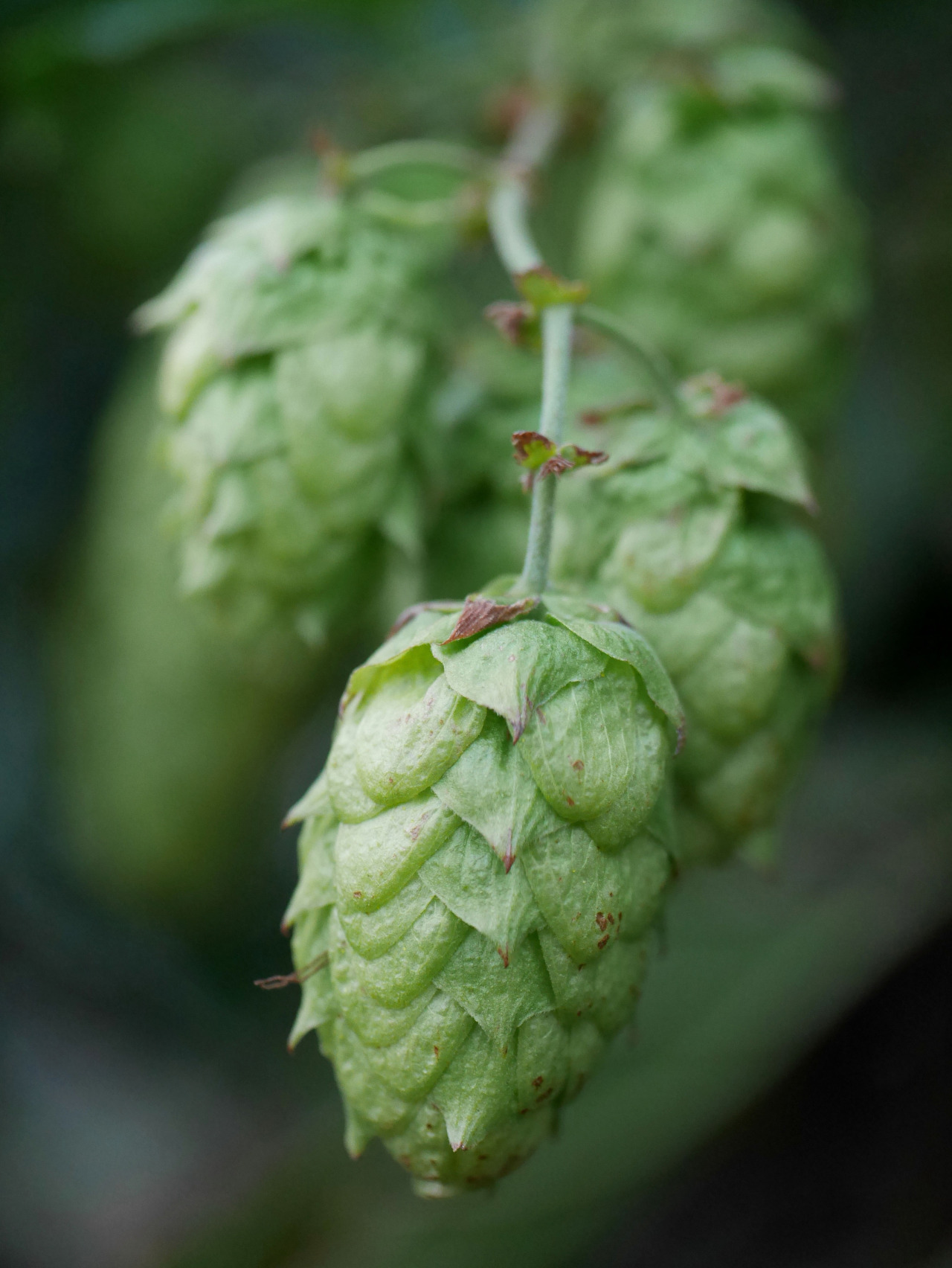
Humulus lupulus “Common Hop” Cannabaceae

Missoula, MT
September 12, 2015
Robert Niese

The Common Hop grows particularly well in the PNW and Washington state alone produces nearly a quarter of the world’s hops. Humulus is a member of a rather odd family of flowering plants, the Cannabaceae, which tend to have drab flowers (often unisexual) that lack petals and rely on wind for pollination. In the Common Hop specifically, the structure that is utilized for beer production (the hop) is actually a modified inflorescence of female flowers hiding beneath leaf-like scales called bracts. Beneath each of those bracts, the female flowers produce a the diversity of compounds which, through selective breeding efforts across the centuries, impart bitterness and complex aromas to the beer.

Cetraria (Kaernefeltia) merrillii “Flattened Thornbush Lichen”
and Vulpicida canadensis “Canadian Foxkiller/Brown-eyed Sunshine Lichen”

Blackfoot River Recreation Corridor (BLM), MT
April 23, 2015
Robert Niese


These metallic, often iridescent black lichen are extremely common on small twigs alongside Vulpicida canadensis here in our PNW Ponderosa Pine forests. They can be found throughout the Rocky Mountains, Sierras, Cascades, and some mountainous regions of central Spain. Their black color comes from a yet identified pigment.

Vulpicida canadensis “Canadian Fox Killer/Brown-eyed Sunshine Lichen”

Blackfoot River Recreation Corridor (BLM), MT
April 23, 2014
Robert Niese


Members of the genus Vulpicida, like Wolf Lichen in the genus Letharia, contain usnic acid and vulpinic acid which gives them their characteristic neon yellow color. Also like Letharia, members of Vulpicida are also somewhat toxic and are associated with some Icelandic and Scandinavian folk tales where they’re used to kill foxes. This species is quite common in our PNW Ponderosa Pinelands and is normally found on small twigs alongside the metallic black lichen, Cetraria merrillii.

Listera caurina “Northwestern Twayblade” Orchidaceae

Great Burn, Lolo National Forest, MT
July 10, 2015
Robert Niese


These tiny orchids are extremely common in moist forests throughout the PNW, but their minute flowers (only 6mm across!) and uniform green coloration make them easy to miss. Recent genetic research has placed all members of the genus Listera into the old world genus Neottia which used to contain a single, achlorophyllous species, but I’m really more of a lumper than a splitter, so I won’t be changing my taxonomy for a while!

Letharia vulpina “Wolf Lichen” on
Pinus ponderosa “Ponderosa Pine” Pinaceae

Mt. Sentinel, Lolo National Forest, MT
September 12, 2015
Robert Niese

Wolf lichen is a striking, extremely abundant lichen in our dry Ponderosa Pinelands here in the PNW. It’s electric yellow-green color comes from a compound produced by the fungus known as vulpinic acid. It is relatively toxic and in ancient Europe concentrated vulpinic acid was traditionally used as a poison for killing wolves (hence it’s common name). Here in the PNW, however, native peoples use the lichen as a dye for fabrics and baskets. You can learn how to make your own dyes from lichens like Letharia here.

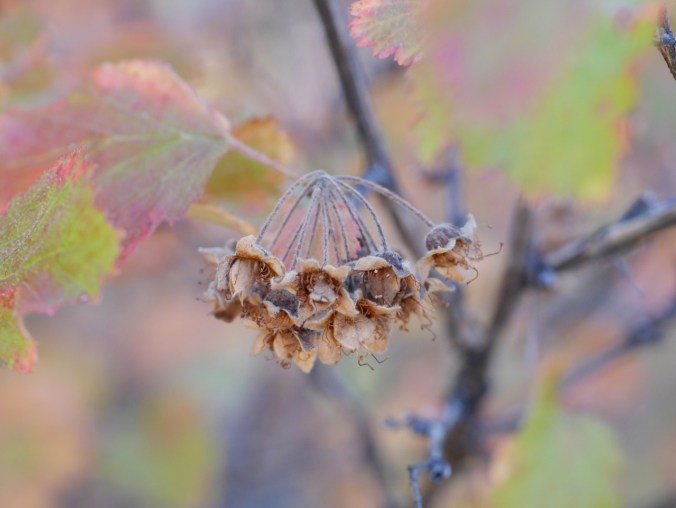
Physocarpus malvaceus “Mallow Ninebark” Rosaceae

Mt. Sentinel, Lolo National Forest, MT
September 12, 2015
Robert Niese

Ninebark is one of those plants I only begin noticing in the fall when their leaves turn scarlet. In the summer they briefly bloom small white flowers, but their petals quickly drop, leaving behind a green-red calyx that is easy to overlook. Along with the fact that these rosaceous plants don’t produce edible fruits (dry follicles, as you can see here), Physocarpus is a very underappreciated member of our dry Ponderosa Pine forests. But it plays a critical role in these fire-prone ecosystems and is a hardy pioneer species following all kinds of disturbances.