Juniperus scopulorum “Rocky Mountain Juniper” Cupressaceae

Salmon-Challis National Forest, ID
March 19, 2015
Robert Niese

Recent genetic evidence suggests that the Puget Sound populations of Juniperus scopulorum are actually a separate species (J. maritimus), although the two are nearly impossible to distinguish morphologically. The berries of both species are not particularly palatable, but make a good laxative.

Nymphalis antiopa “Mourning Cloak” Nymphalidae

Salmon-Challis National Forest, ID
March 20, 2015
Robert Niese

Mourning Cloaks are very territorial butterflies and will aggressively defend their feeding sites against intruding insects and have even been known to chase off hummingbirds! Also, March is really early to be seeing these guys out and about. There are hardly any flowers blooming that early!

Opuntia polyacantha “Plains Prickly Pear” Cactaceae

Salmon-Challis National Forest, ID
March 19, 2015
Robert Niese

Cacti are not really the kinds of plants I normally associate with the Pacific Northwest, but we have several species native to our area (two and some hybrids, really). They are commonly found in arid, open areas east of the Cascades, but can also be found on many of the islands throughout the Salish Sea!

Green-winged Teal (Anas crecca carolinensis) Anatidae, male

Seattle, WA
January 13, 2013
Robert Niese

Teal are definitely some of the most attractive waterfowl we have in Western Washington. Which northwest ducks are your favorite?

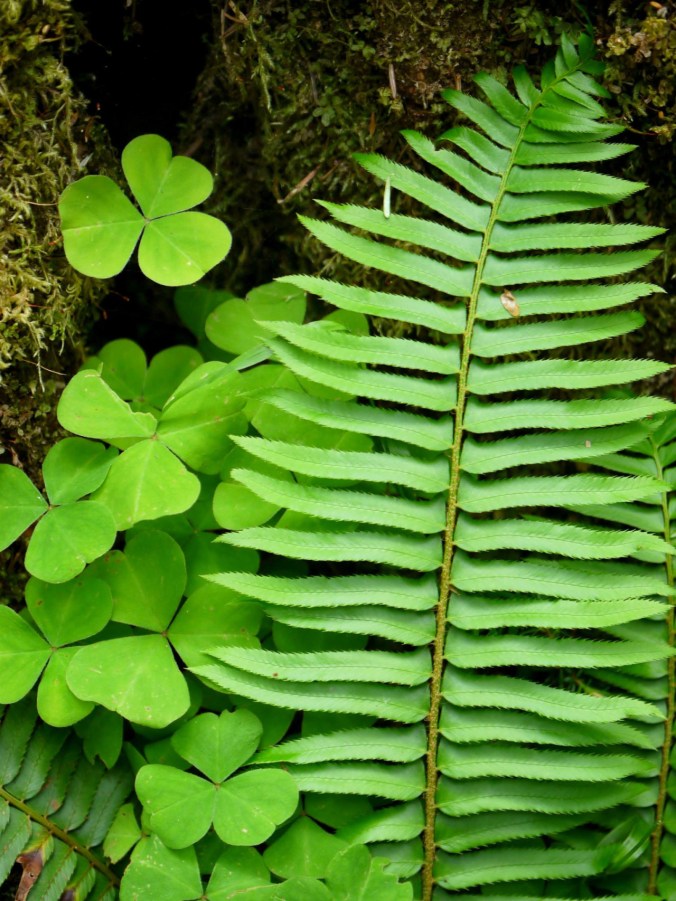
Oxalis oregana “Oregon Wood-sorrel” Oxalidaceae
with Polystichum munitum “Western Sword Fern” Dryopteridaceae

Olympic National Park, WA
June 5, 2013
Robert Niese

This is a common scene throughout the Olympic Peninsula where rainforest floors are literally carpeted with these two species. Both species are edible, but Oxalis is by far my favorite of the two. There’s nothing quite like munching on Oxalis straight from the trail while hiking through a PNW rainforest.

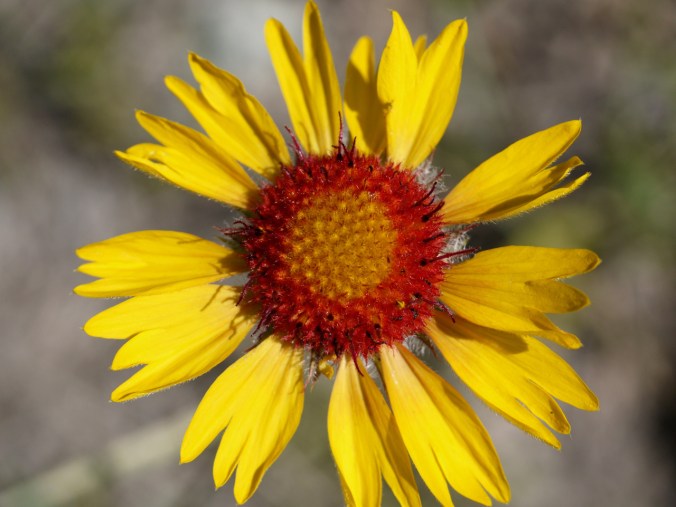
Gaillardia aristata “Blanketflower” Asteraceae

National Bison Range, MT
June 8, 2014
Robert Niese

Blanketflowers are a common native wildflower throughout the dry, open areas of the Pacific Northwest east of the Cascades. You can also find it as a cultivated plant in gardens around town.

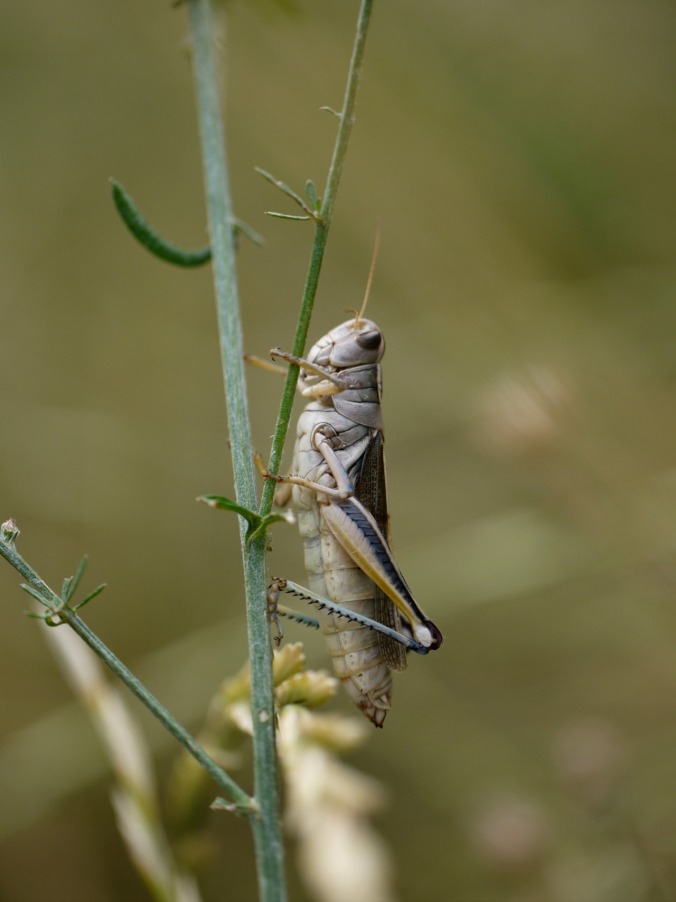
Melanoplus bivittatus bivittatus “Two-striped Grasshopper” Acrididae

Missoula, MT
September 2, 2013
Robert Niese

The Two-striped Grasshopper can be found throughout North America and can be quite variable morphologically. In drier regions here in the PNW, M. bivittatus bivittatus tends to be a dull yellow-brown color with blueish legs. In wetter, coastal regions, M. bivittatus femoratus will be green with red legs. Throughout the Northwest however, these grasshoppers are abundant and often found in gardens and vacant lots around town.

Ochlodes sylvanoides “Woodland Skipper” Hesperiidae

Missoula, MT
September 2, 2013
Robert Niese

These little guys are pretty common around Missoula in the late summer when they complete their metamorphosis. Look for them in grassy areas throughout the Pacific Northwest feeding on Asteraceae flowers like these weedy asters.

Populus tremuloides “Quaking Aspen” Salicaceae

Council Grove State Park, MT
March 16, 2015
Robert Niese

We have several species of willows, aspens (well, one aspen), and poplars in the PNW that produce these adorable fuzzy flowers in the early spring. These compact “pussy-foot” catkins are very typical of willows (Salix), but Quaking Aspen produces a very similar inflorescence. The easiest way to tell the two apart is to look at the buds. In Aspen, you’ll see lots of overlapping bud scales while in willows, the buds are smooth and consist of a single, wrap-around scale.

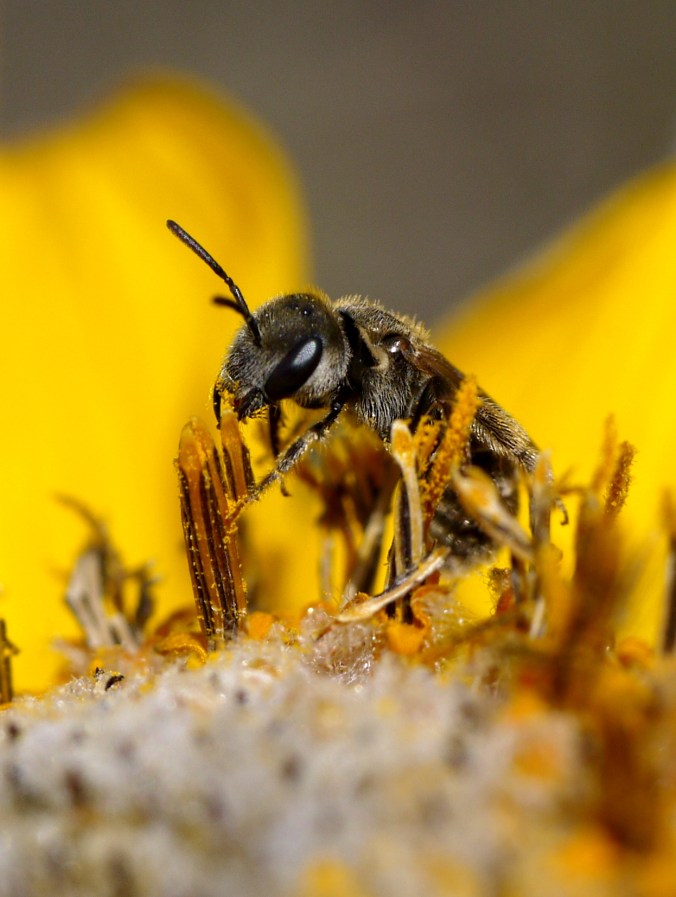
Halictus (Seladonia) tripartitus “Sweat Bee” Halictidae

Missoula, MT
May 13, 2014
Robert Niese

Another species of small Sweat Bee in the genus Halictus. If you’re interested in attempting to identify these bees with a dichotomous key (there are only 10 species in the Northwest, so it’s not too difficult!), check this one out here. Once you learn more about these little guys, you start noticing them everywhere!