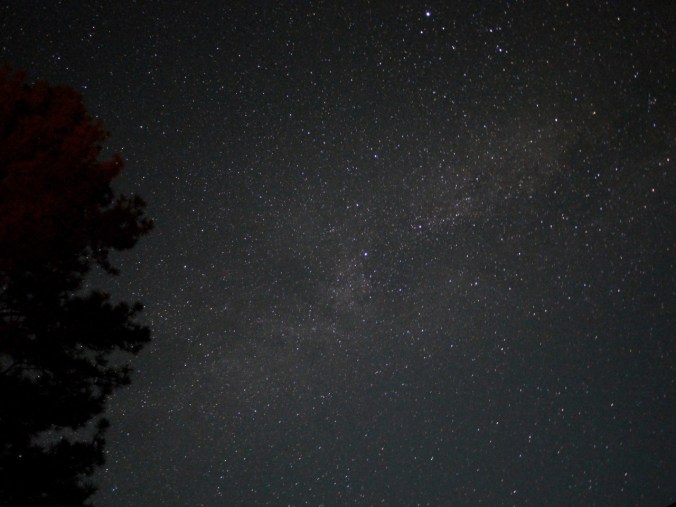
Night Sky over Ponderosa Pines

Lolo National Forest, Sapphire Mountains, MT
June 6, 2014
Robert Niese

Nighttime photography can be a difficult, time-consuming skill to learn through trial and error. If you’d like some good how-to guides on getting the perfet stellar shot, check out Dark Clear Skies and download a star-viewing program like Stellarium or, for your mobile device, SkyView.

Pseudoplectania nigrella “black cup fungus” Ascomycota

Lolo National Forest, Bitterroot Mountains, MT
March 18, 2015
Robert Niese

These cup fungi are very early bloomers here in the PNW. Some members of this genus will even pop up out of the snow before the plants have even begun to stir. These fungi are quite common, but, along with their small size and inconspicuous coloration, they are easily missed by all but the most observant hikers.

Ribes setosum (R. oxyacanthoides ssp. setosum) “Gooseberry” Grossulariaceae

Lolo National Forest, Bitterroot Mountains, MT
April 18, 2015
Robert Niese

I was surprised to find this currant blooming on my hike this weekend. This individual must have been receiving direct sunlight for a good portion of the day to have bloomed so much sooner than all the others along our trail. Later in the summer these adorable flowers will become delicious, juicy black currants and will make an excellent trail-side treat!

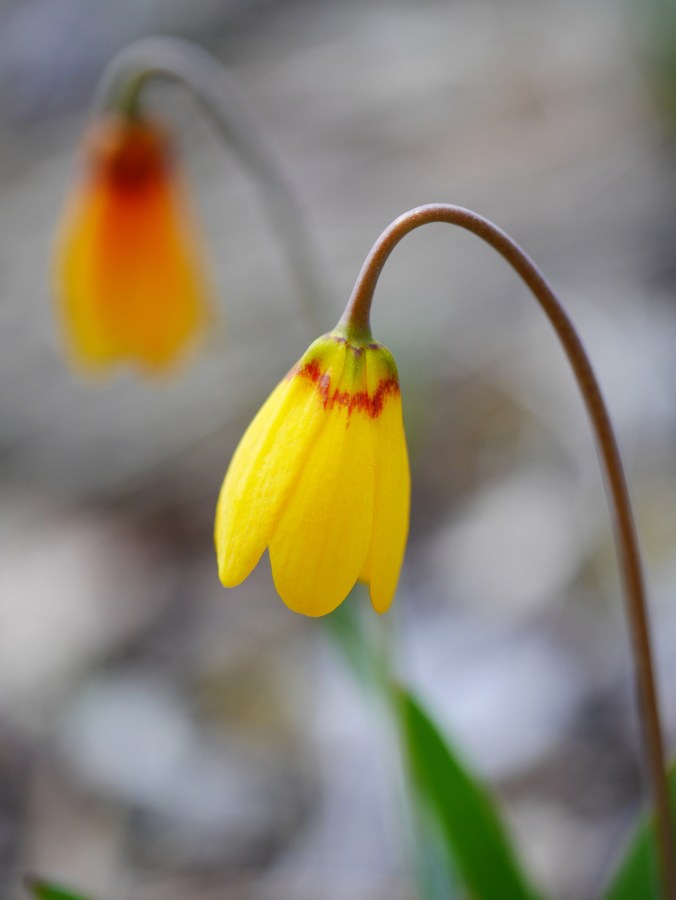
Fritillaria pudica “Yellowbells/Yellow Fritillary” Liliaceae

Lolo National Forest, Bitterroot Mountains, MT
April 18, 2015
Robert Niese

Yellow Fritillaries are a sure sign of spring in the PNW east of the Cascades. They tend to make their appearance around the same time as species like the Sagebrush Buttercup and Biscuitroot. The roots of F. pudica are edible and quite starchy. They are said to taste like rice after they have been cooked.

Collinsia parviflora “Blue-eyed Mary” Plantaginaceae (Scrophulariaceae)

Lolo National Forest, Bitterroot Mountains, MT
April 18, 2015
Robert Niese

The Smallflowered Blue-eyed Mary is a common PNW plant, but its diminuitive growth habit makes it easy to miss. The flowers of this plant are rarely more than a few millimeters across and they rarely grow more than 10cm off the ground. Here in Montana, they begin blooming as soon as the snow melts in March and will continue through July.

Platycryptus californicus Salticidae

Missoula, MT
June 5, 2014
Robert Niese

An extremely abundant, charismatic jumper commonly found on door frames and windowsills throughout the summer here in Missoula.

Arctostaphylos uva-ursi “Bearberry/Kinnikinnick” Ericaceae

Lolo National Forest, Bitterroot Mountains, MT
April 18, 2015
Robert Niese

Bearberry is a ubiquitous, vining Ericad here in the pinelands of the eastern PNW. The dried leaves of this plant are very popular in traditional Native American smoking mixtures. The dried leaves are also used in teas to treat mild urinary tract problems.

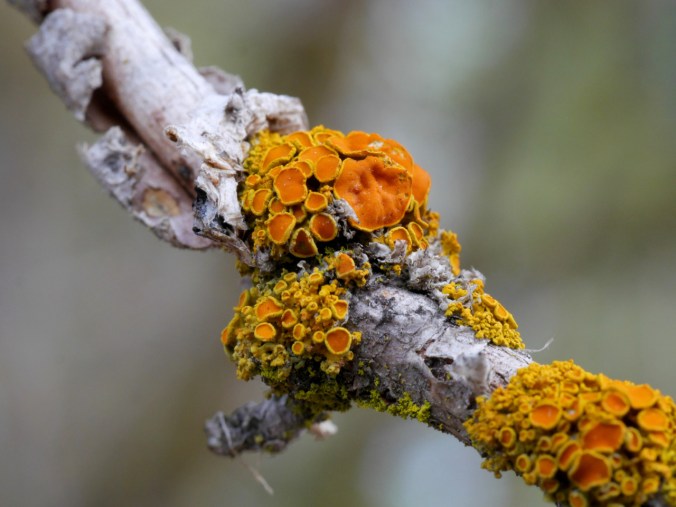
Xanthoria polycarpa “Pincushion Xanthoria”

Council Grove State Park, MT
March 16, 2015
Robert Niese

This lichen is relatively common on the old twigs of Populus and Pinus in open, nutrient-enriched areas (e.g. cow pastures) of the PNW. On angiosperm twigs, they tend to grow in a small pincushion-like form no more than 25mm across.

Berberis repens “Creeping Oregon Grape” Berberidaceae

Salmon-Challis National Forest, ID
March 19, 2015
Robert Niese

It’s a little early for Oregon Grape to be blooming! This species is our only Berberis native to the dry pinelands of the Northwest.