Dichelonyx valida “May Beetle” Scarabaeidae

Lolo National Forest, Bitterroot Mountains, MT
April 19, 2015
Robert Niese

These charismatic, iridescent Scarab beetles are relatively common throughout the Pacific Northwest in the spring. The adults forage on the leaves of many species of conifers and deciduous trees. While the taxonomy for these species is still quite a mess, our region has two distinct species groups. Members of the D. valida group have a large ridge down the center of their pronotum while members of the D. backi group lack a ridge.

Paruroctonus boreus “Northern Scorpion” Vaejovidae (Scorpiones)

Ginkgo Petrified Forest State Park, WA
April 7, 2013
Robert Niese

Scorpions are a remarkably poorly studied clade of organisms. The Pacific Northwest is home to at least two described species (although there are likely others that remain undescribed): the Pacific Forest Scorpion (Uroctonus mordax) and the Northern Scorpion (Paruroctonus boreus). The Pacific Forest Scorpion, as its name would suggest, is most often found in dense coastal forests wherever it can find constant moisture (also found inland as well, west of the Cascades). The Northern Scorpion tends to prefer more open habitats than the Forest Scorpion and is typically the only species one will encounter east of the Cascades here in the PNW. They are quite abundant at the Ginkgo Petrified Forest State Park where they spend their days hiding from the sun under large rocks.

Misumena vatia “Goldenrod Crab Spider” Thomisidae on
Cymopterus glaucus “Waxy Spring Parsley” Apiaceae

Lolo National Forest, Bitterroot Mountains, MT
May 10, 2015
Robert Niese

Goldenrod Crab Spiders are inordinately abundant in spring blooms all around the PNW. They can be differentiated from their cousins in the genus Misumenoides by the lack of a faint white ridge on their face between their lower eyes and their jaws. But far more interesting than this lurking ambush predator is the fact that this image of Cymopterus glaucus is the first to grace the internet. And all because I thought I was taking a picture of a cool spider. You can see more photos of this plant below. C. glaucus is endemic to Idaho and western Montana where it is locally common on sandy or gravely slopes in dry Ponderosa Pinelands. I’m so confounded by the lack of images of this plant online that I’ll be checking out the UM herbarium later to verify that this is indeed C. glaucus. Any suggestions to the contrary would be much appreciated.

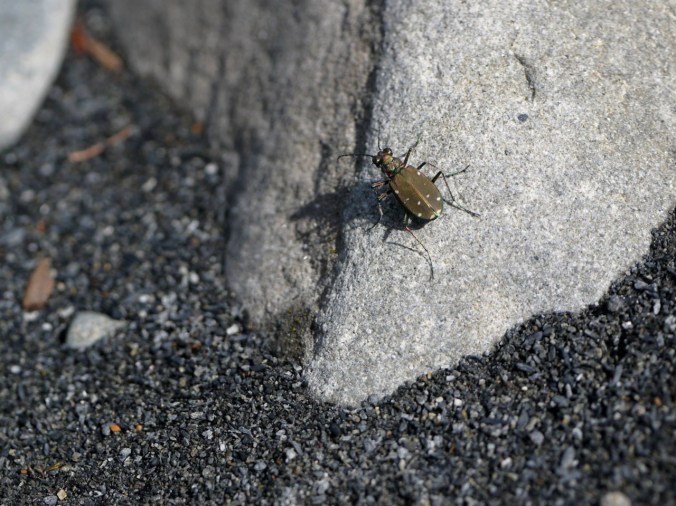
Cicindela oregona “Western Tiger Beetle” Carabidae

Olympic National Park, WA
June 6, 2013
Robert Niese

Look for these awesome predators on sandy river banks west of the Cascades. They are lightning fast and voracious hunters, but that doesn’t detract from the beauty of their iridescent exoskeleton!

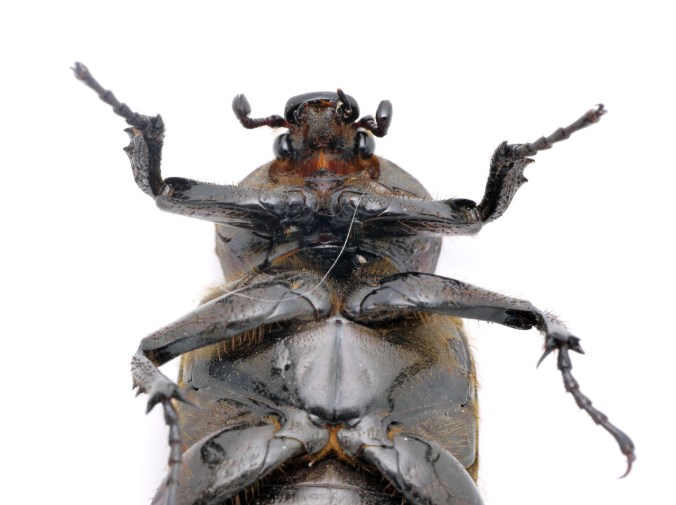
Osmoderma subplanata “Leather Beetle” Scarabaeidae

Missoula, MT
July 30, 2014
Robert Niese

These large (3 cm), circumboreal beetles get their name from the leathery odors they emit from their exoskeleton (Osmo- means smelly, -derma means skin). Adults spend most of their lives feeding on the decaying centers of fallen logs.

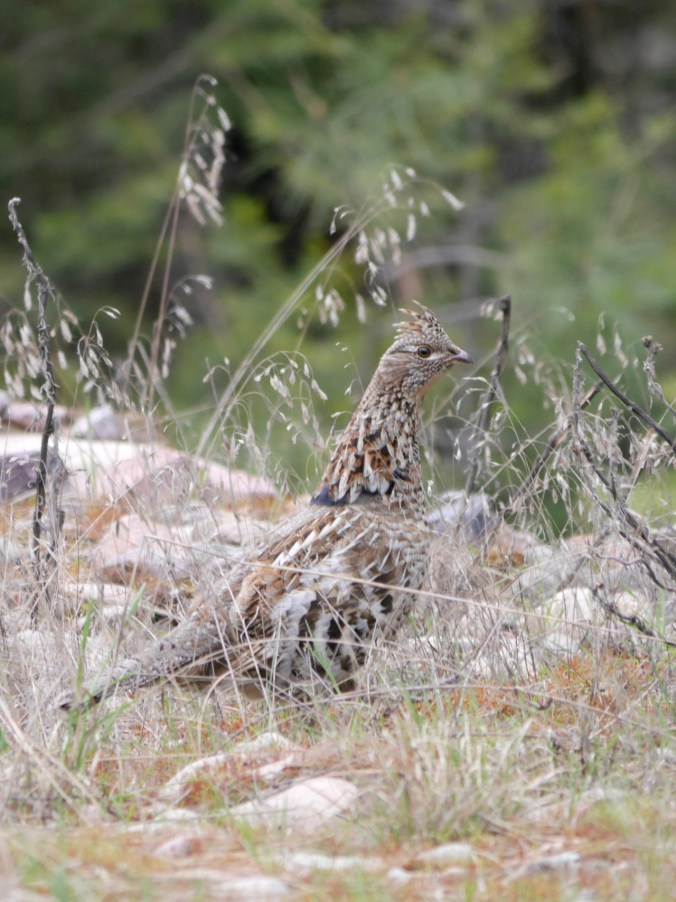
Ruffed Grouse (Bonasa umbellus) Phasianidae

Blackfoot River Recreation Corridor (BLM), MT
April 24, 2015
Robert Niese

It’s that time of year when the forests are rippling with the sounds of Ruffed Grouse displays. Around March and April, these displays are practically non-stop and in a really nice, quiet section of forest you can hear males advertising their territories miles away. Suprisingly, although this was one of the first North American birds to capture the interest of European ornithologists in the 17th century, we still do not know how the Ruffed Grouse produces its prodigious boom performances. Officially, the Birds of North America claims these sounds are “miniature sonic booms” which, if it were true, would quite literally be breaking the laws of physics!

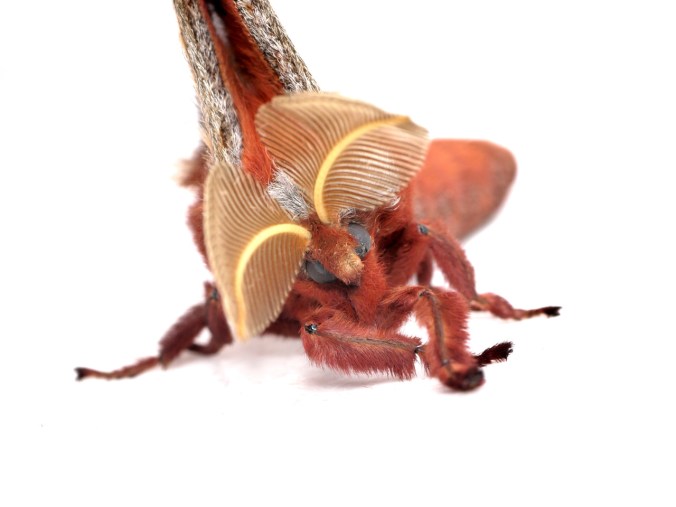
Antheraea polyphemus “Polyphemus Moth” Saturniidae (male)

Missoula, MT
June 11, 2014
Robert Niese

Surprisingly, I found this enormous moth (15 cm wingspan!) in a parking lot on my way into work on the University of Montana campus.

Platycryptus californicus Salticidae

Missoula, MT
June 5, 2014
Robert Niese

An extremely abundant, charismatic jumper commonly found on door frames and windowsills throughout the summer here in Missoula.