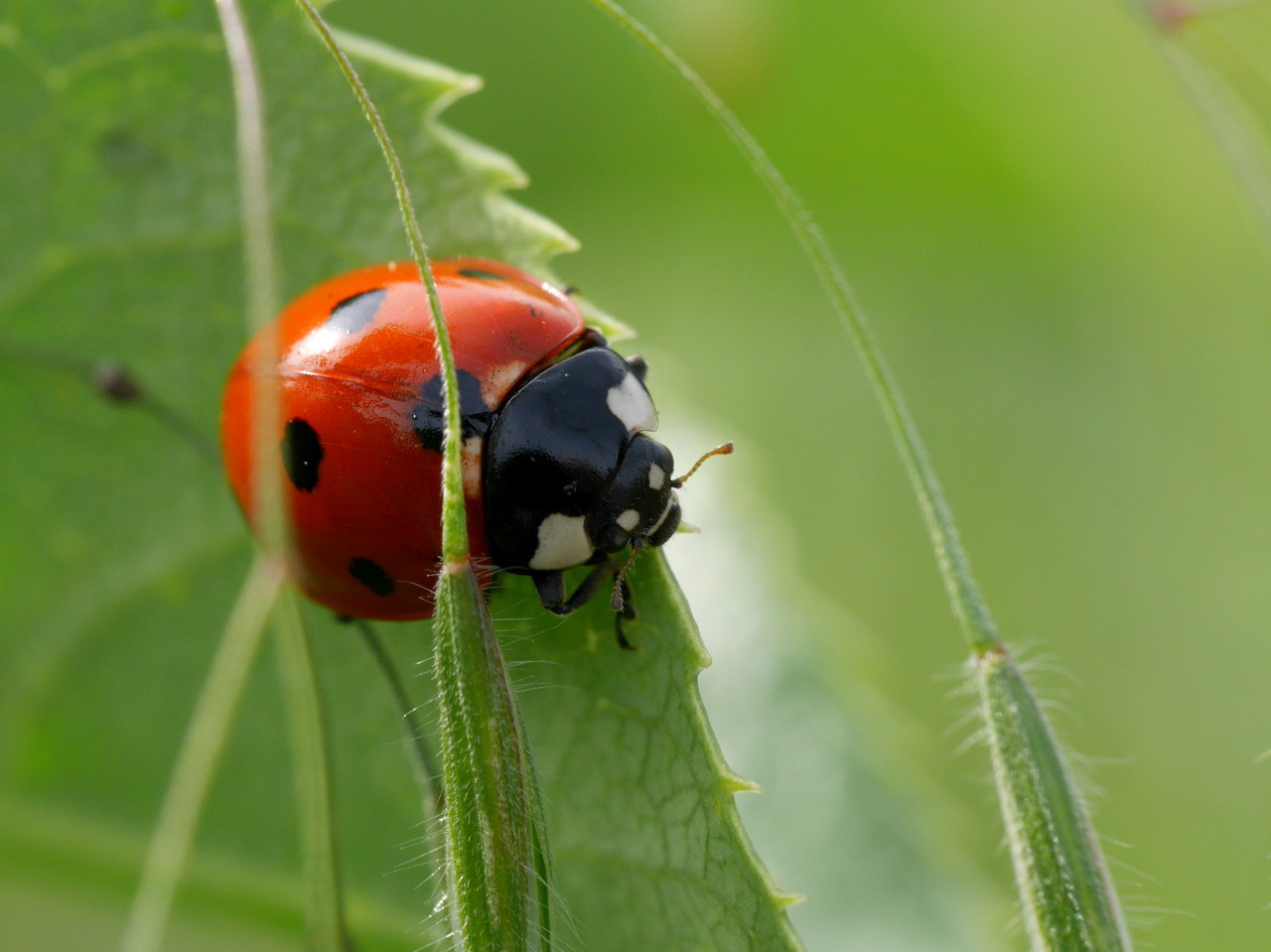
Coccinella septempunctata “Seven-spotted Lady Beetle” Coccinellidae

Drinking Horse Mountain, Bozeman, MT
June 3, 2015
Robert Niese

This species has been repeatedly introduced to the US as a biological control agent to manage aphid outbreaks. It is reportedly out-competing many native species in our area, but still has managed to become the official state insect of Delaware, Massachusetts, New Hampshire, Ohio, and Tennessee. This individual was likely released as part of an ongoing Fish and Wildlife Service biological control project in the Drinking Horse Mountain area which has also involved intense invasive plant control (with goats!) in the past.

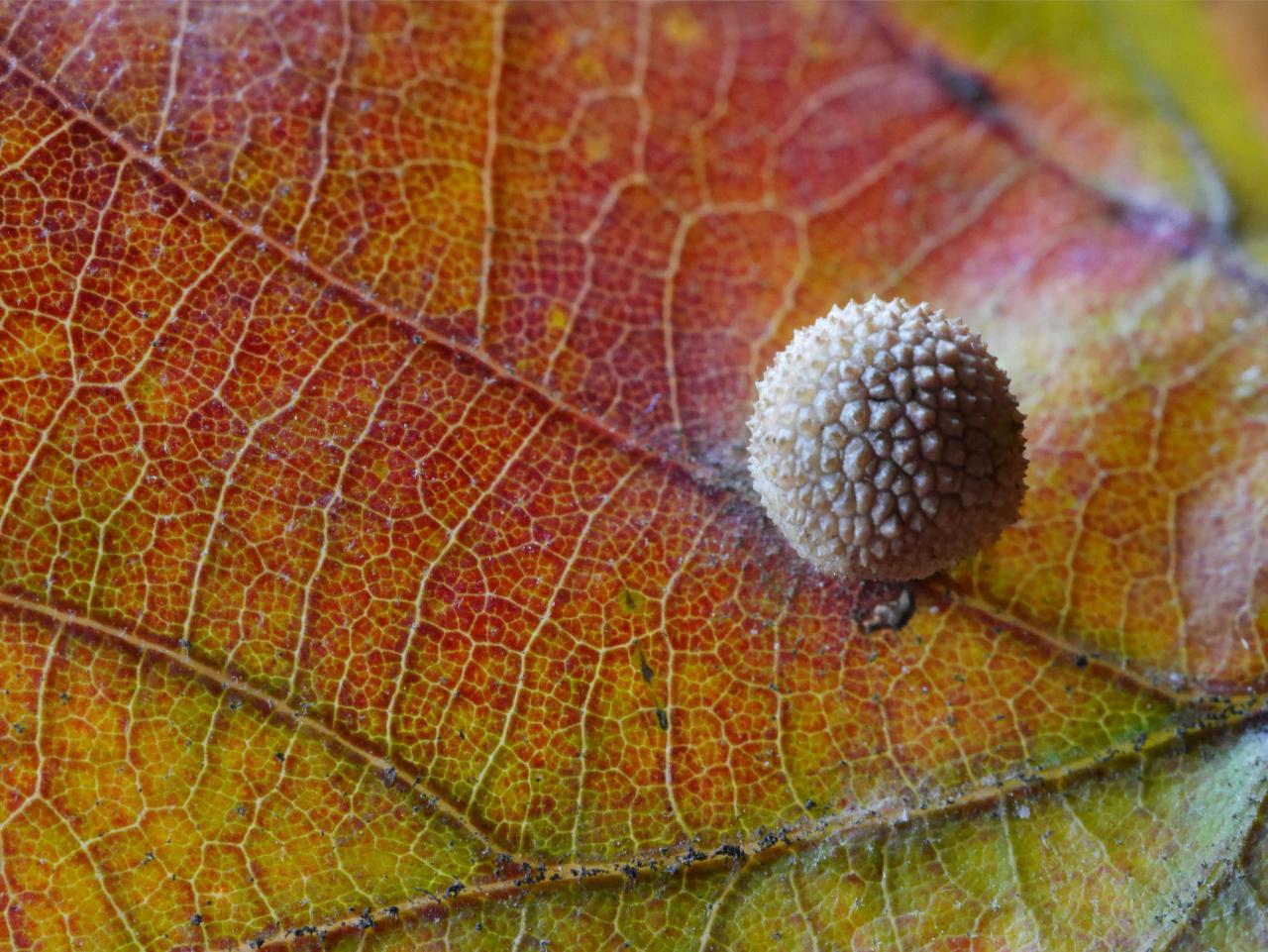
Acraspis macrocarpae “Jewel Oak Gall Wasp” gall, Cynipidae

Missoula, MT
October, 21 2015
Robert Niese

Female jewel wasps are adorable, wingless, pudgy little things when they emerge from these galls in October. Here’s another picture of these cuties for good measure. These unique organisms reproduce in cycles of alternating generations of all females and generations with both sexes. In years with only females, the wasps reproduce parthenogenetically. Apparently, parthenogenetic galls are different in size, shape, and color than their sexually-produced counterparts. I was unable to find specific information regarding this phenomenon in Acraspis macrocarpae, but most accounts suggest that only females occur inside these particular galls, which leads me to believe they may be the sexually-produced versions of these oak galls. Perhaps next year, we’ll see a completely different variety of gall on our local oaks! I’ll be sure to update you all next fall.

Also, fun fact, this species of gall wasp was originally described by Alfred Kinsey, the world-renowned human sex scientist! It’s true! Before studying sex, Kinsey collected more than 7.5 million galls and wasps and named dozens of species. Of the 18 million insect specimens currently housed at the American Museum of Natural History, nearly a third are from Kinsey’s dissertation! His work not only revolutionized our understanding of this wasp family, but also had profound impacts on the ways we conducted phylogenetic and entomological analyses. Read more about his fascinating work as an entomologist here.
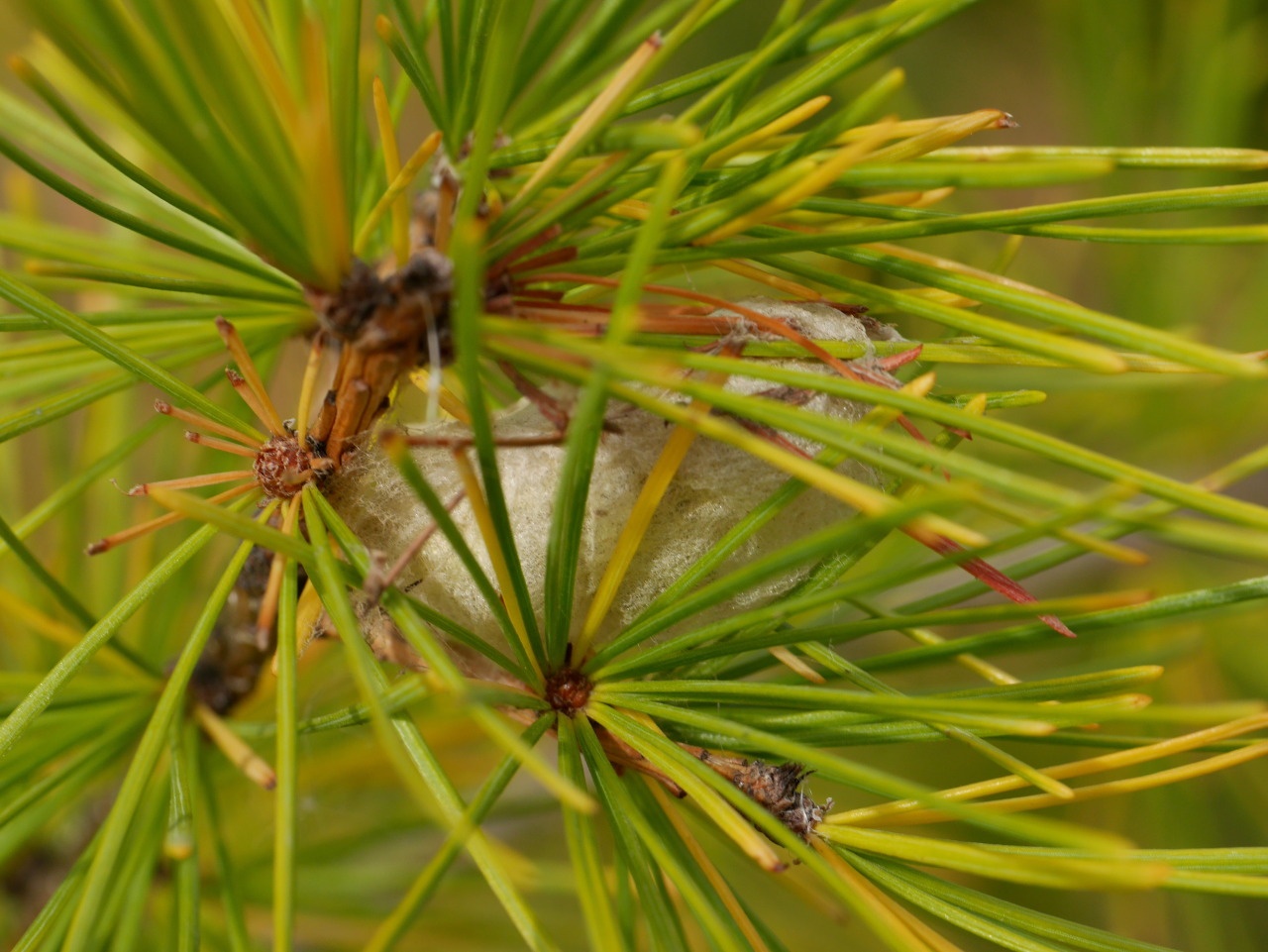
Malacosoma sp. “Tent Moth” Lasiocampidae, pupa on
Larix occidentalis “Western Larch” Pinaceae

Apgar Lookout Trail, Glacier National Park, MT
October 9, 2015
Robert Niese

The trails around Apgar are rife with Lasiocampidae pupae. They’ve spun their webby cocoons in every manner of tree, shrub, and man-made structure. Around Missoula, it wasn’t a very big year for tent moth caterpillars, but only a hundred miles away in Glacier National Park, Malacosoma numbers were significantly higher. These species go through regular boom and bust cycles and some years they become so abundant that entire forests can get defoliated. In my search of the literature, it appears that these moths overwinter as eggs, not as pupae. These pupating individuals certainly won’t survive the oncoming cold if that is indeed the case.

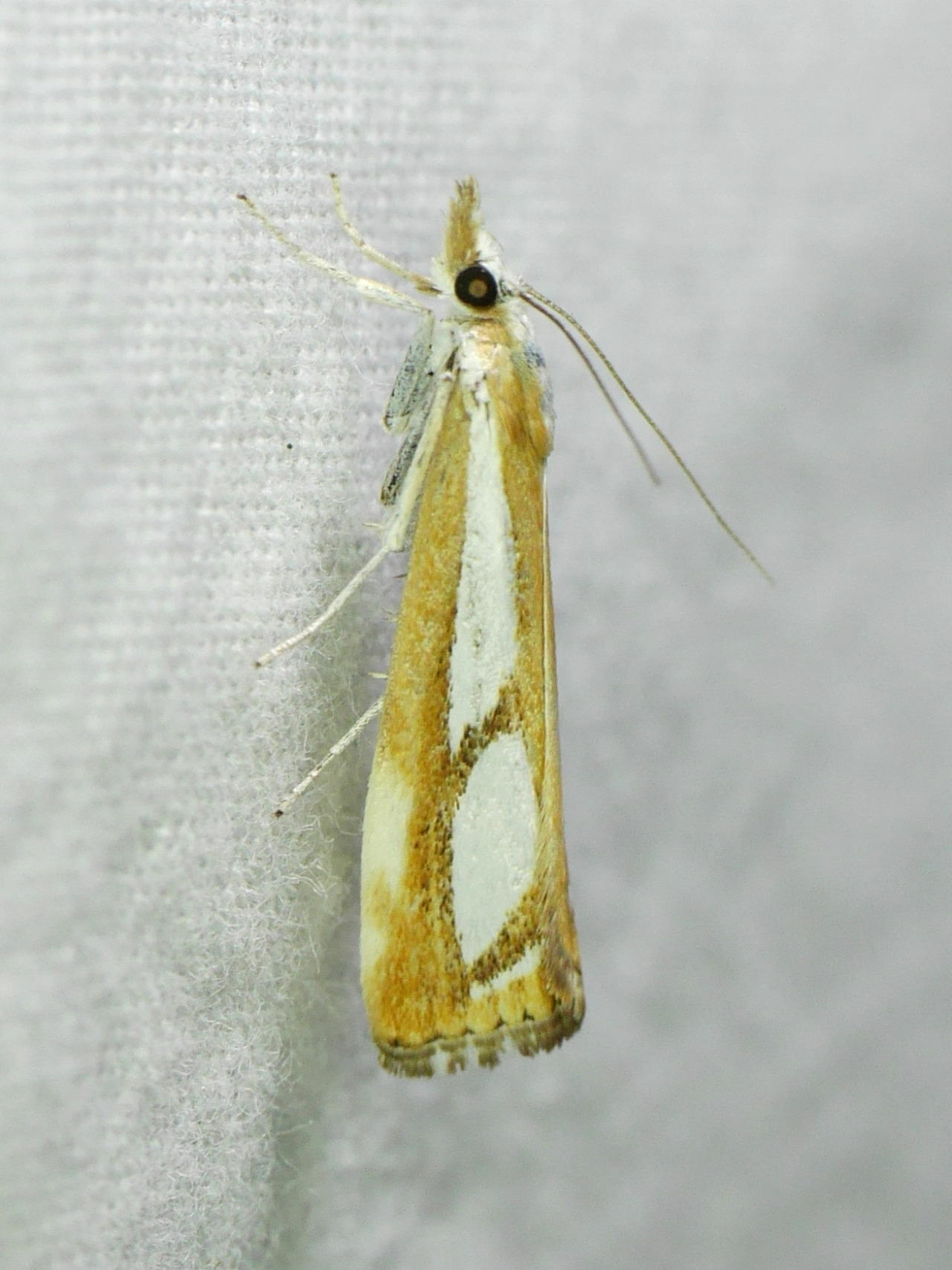
Catoptria latiradiella “Two-banded Catoptria” Crambidae

Clinton, MT
July 25, 2015
Robert Niese

This small species of Crambid moth is restricted to boreal and montane forests in North America. Its larvae are believe to feed exclusively on mosses. As adults, these moths are active both in the day and at night and are regularly seen at lights in July and August.

Phaneta infimbriana “Silver-spotted Wormwood Moth” Tortricidae

Clinton, MT
July 25, 2015
Robert Niese

These dainty Tortricids are found throughout the Northwest between July and August. As larvae they feed primarily on plants in the family Asteraceae, particularly members of the genus Artemisia, which includes sagebrush, tarragon, and wormwoods. According to the Tortricidae foodplant database, the larvae of this species have only ever been recorded on Artemisia ludoviciana which is a very common weedy species in all our open, semi-dry habitats here in the PNW.

P1240396

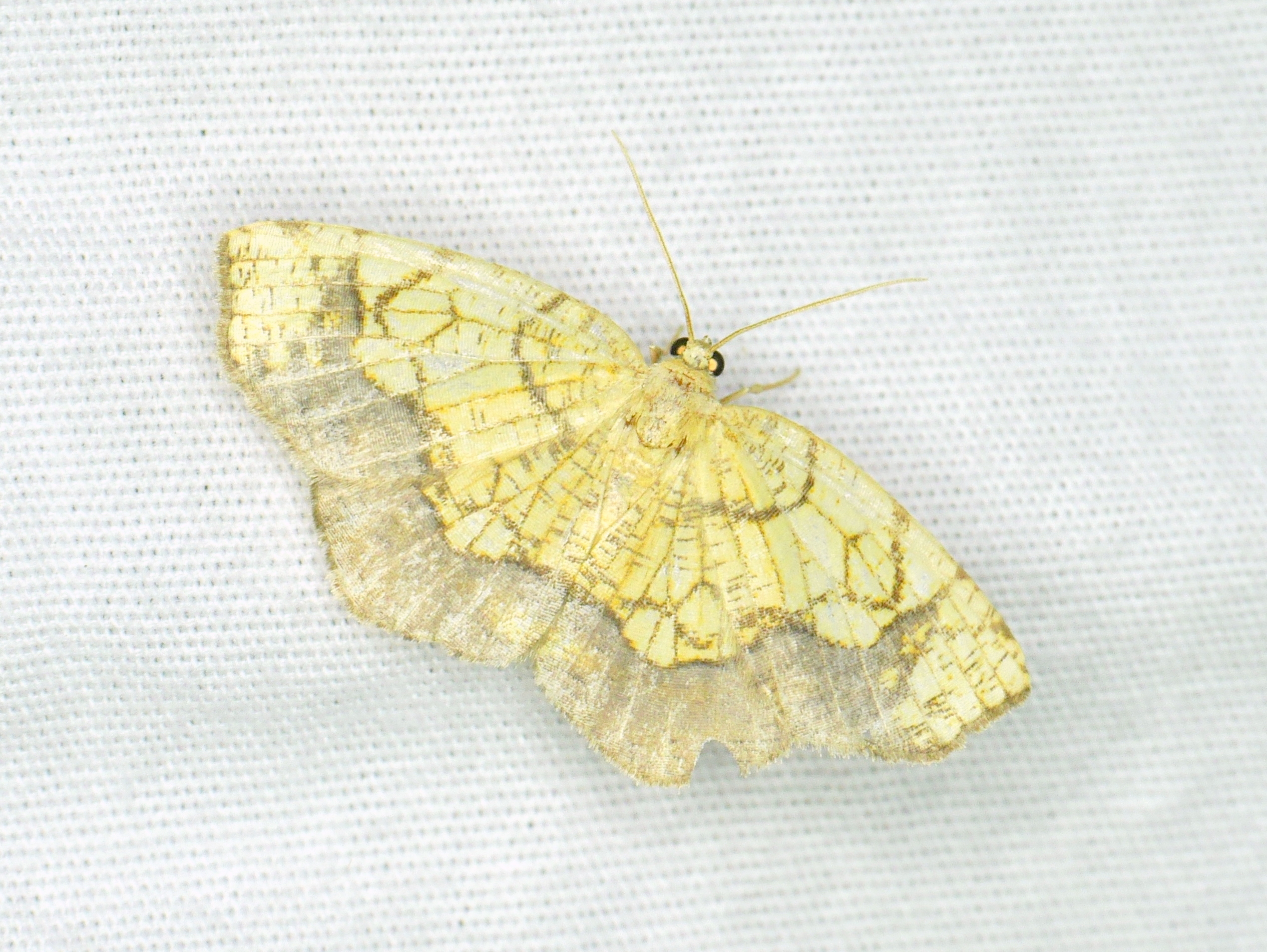
Nematocampa resistaria “Horned Spanworm Moth” Geometridae, male

Clinton, MT
July 25, 2015
Robert Niese

This species of inch-worm moth is found throughout the US, except the southwest, and exhibits striking variation in morphology across its range. Males and females are also quite dimorphic. Males tend to be yellower and have dark patches at the base of their forewings while females almost always have a white ground color. Perhaps the most intriguing aspect of the morphology of this species are the horns of their caterpillars. Look for these crazy caterpillars in mixed hardwood/conifer forests in the early summer here in the PNW.

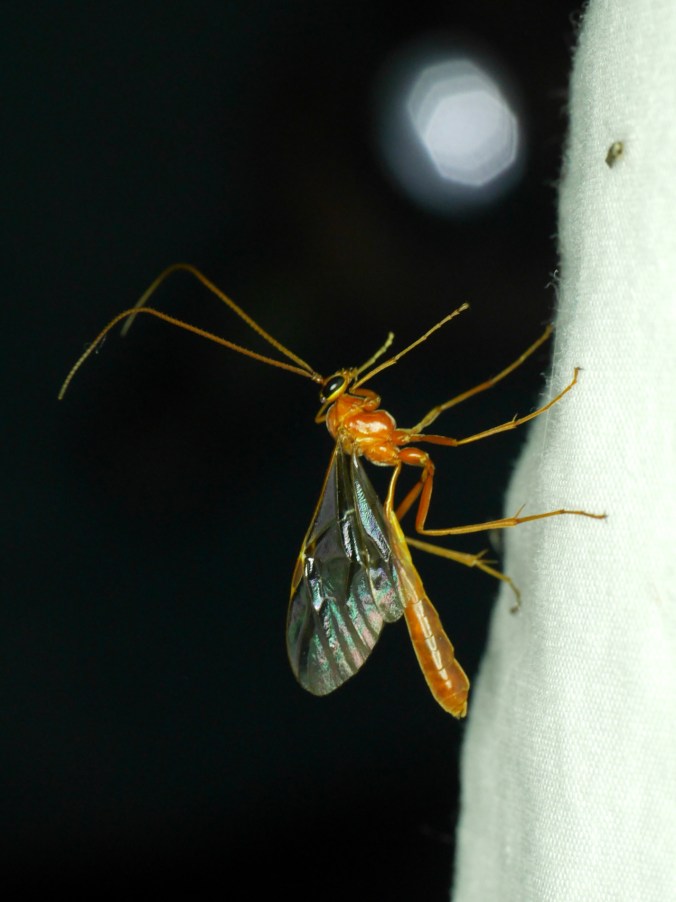
Enicospilus “americanus” species complex, Ichneumonidae

Clinton, MT
July 25, 2015
Robert Niese

This elegant wasp is a parasitoid of Saturnid and Sphingid moth caterpillars. Females lay their eggs on the bodies of caterpillars and the larvae then grow inside the caterpillar, consuming it and taking its place inside its cocoon. Adults visit flowers at night and are commonly seen at lights. We spotted this individual at our mothlighting event for National Moth Week!


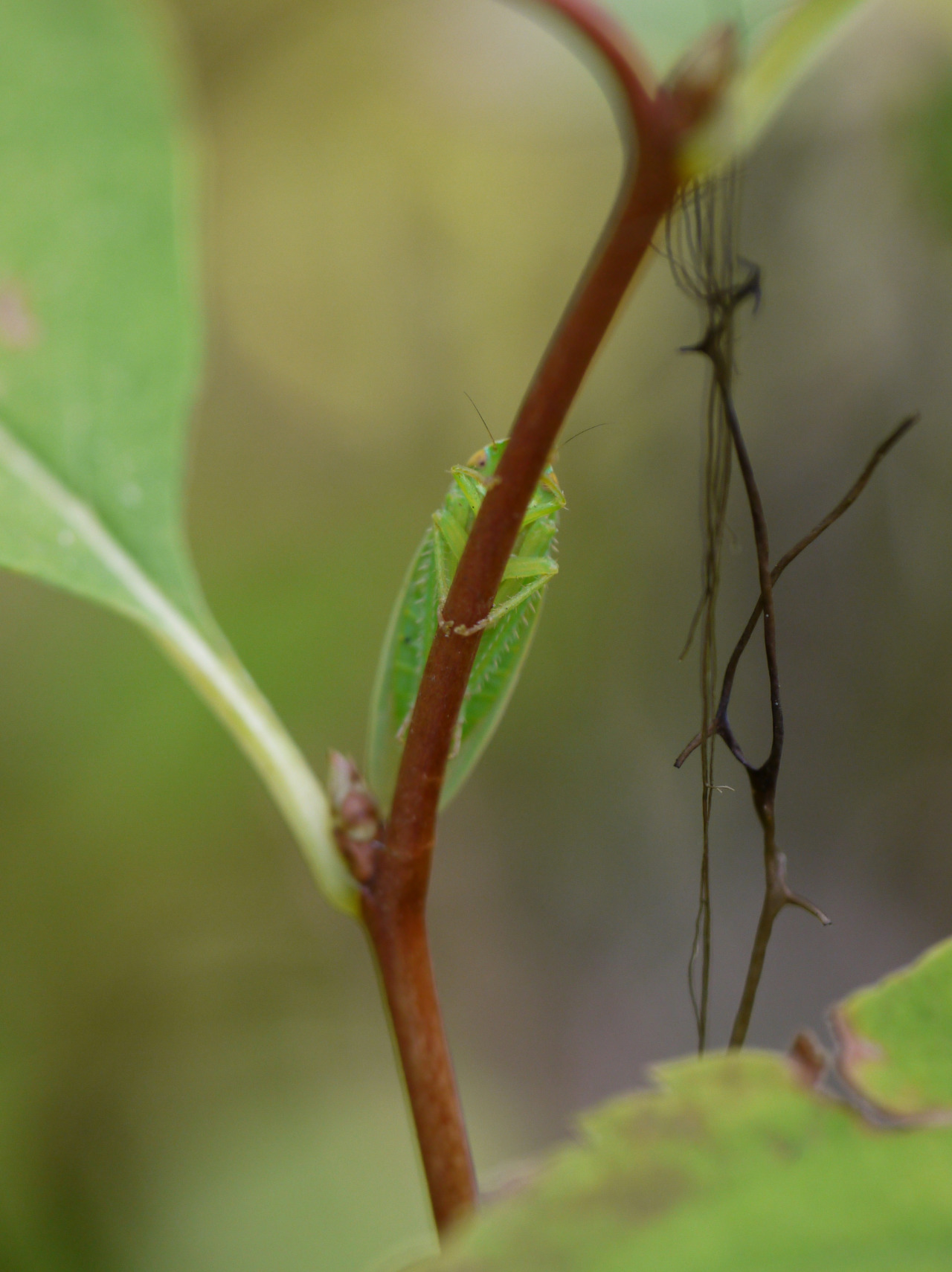
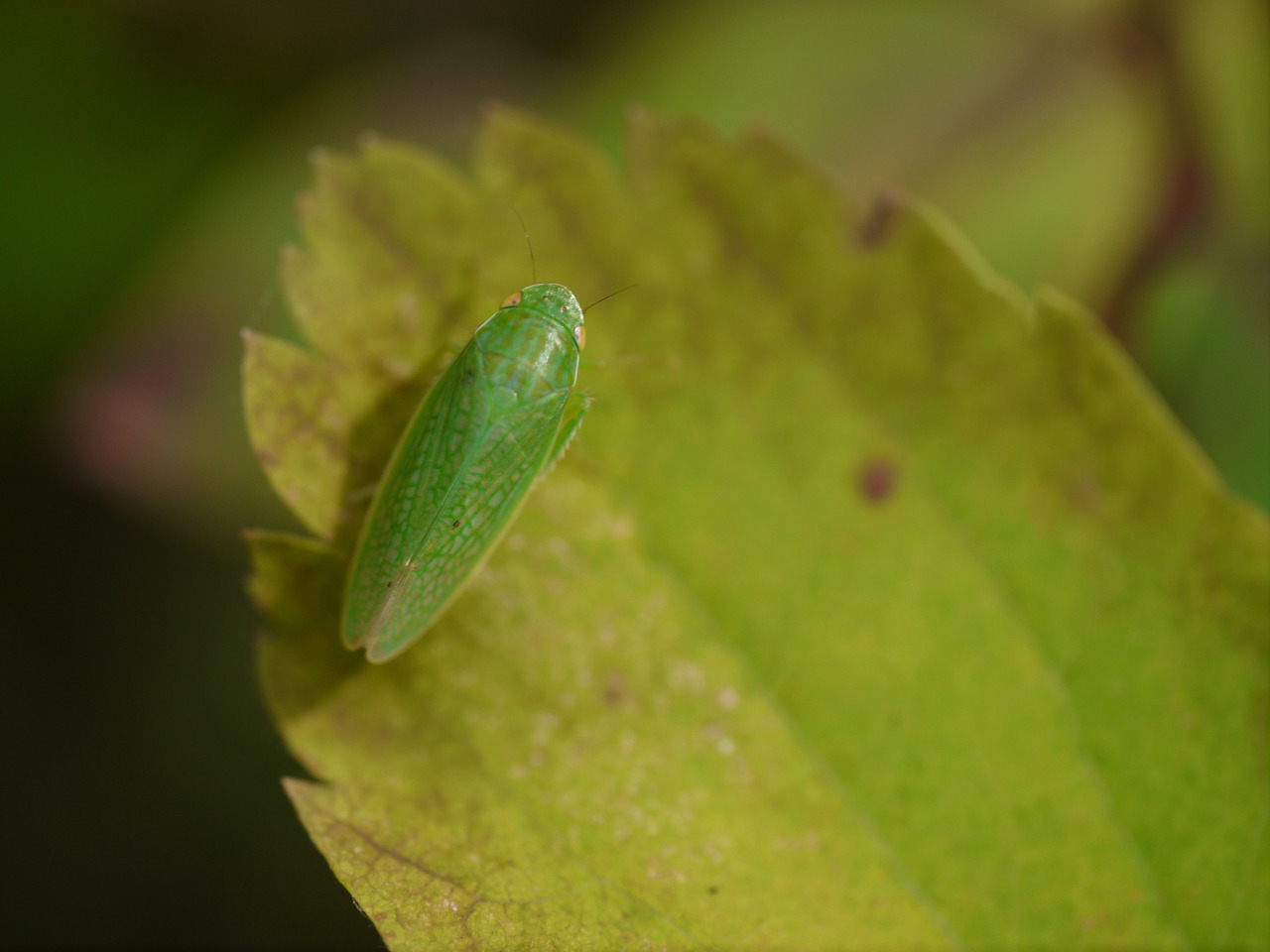
Gyponana sp. “Common Green Leafhopper” Cicadellidae

Seeley Lake, MT
September 13, 2014
Robert Niese

These leafhoppers are extremely abundant in North America but are next to impossible to identify beyond genus using external characteristics alone. These species tend to feed on the sap of conifers, and considering that this little guy was found in one of Montana’s most famous larch forests, I’m gonna guess he’s a larch specialist.

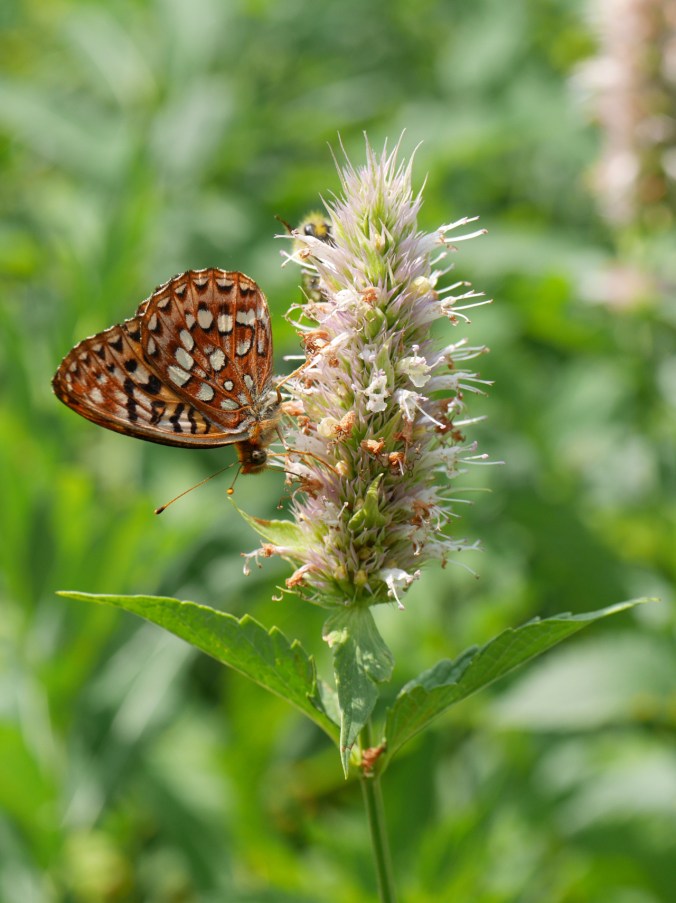
Speyeria hydaspe “Hydaspe Fritillary” Nymphalidae
on Agastache urticifolia “Nettle-leaf Giant Hyssop” Lamiaceae

Great Burn, Lolo National Forest, MT
July 10, 2015
Robert Niese

Fritillaries are a common, large butterfly here in the PNW east of the Cascades. There are several species that are regularly found in our area. Learn more about them here. This particular fritillary is feeding on the nectar of a very interesting and quite common local plant. Its Latin name, Agastache, is Greek for “many spikes” and, as you might guess, its inflorescence looks like a giant spike ball. Like many other members of the mint family, giant hyssop is commonly used in herbal teas and poultices for a variety of medicinal purposes. In particular, the leaves can be used to induce sweating and as a vasodilator. This particular species is quite abundant in the PNW east of the Cascades and is a favorite food source for many ungulates like deer, elk, cows, and moose.

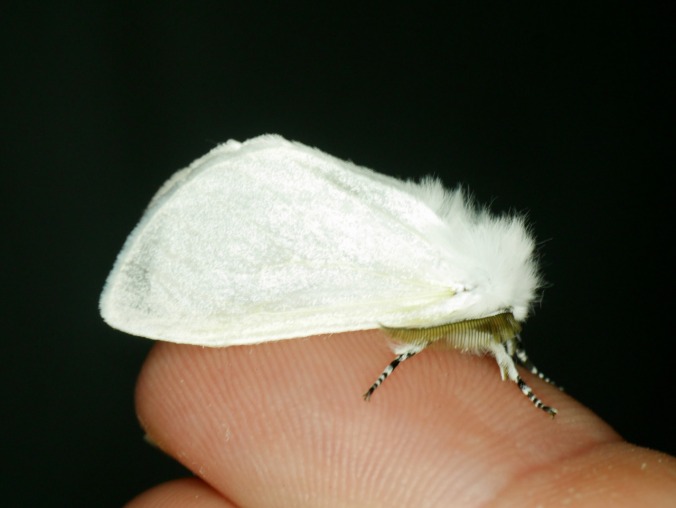
Leucoma salicis “Satin Moth” Lymantriidae (now Erebidae)

Clinton, MT
July 25, 2015
Robert Niese


Here’s another species from our National Moth Week event

with the Missoula Butterfly House. Satin Moths are native to the Palearctic, from the British Isles to Japan, but was introduced to the US in the 1920s. The moth was originally introduced to the Northeast, but specimens have been collected from the Pacific Northwest quite regularly in the past years, suggesting that a new population may have been introduced here recently. Their larvae eat the leaves of aspen, poplar, and willow until they’re fat enough to overwinter under the bark of their host trees. Adults are nearly pure white and hard to confuse with any other local moth species. And they’re so darn cute!