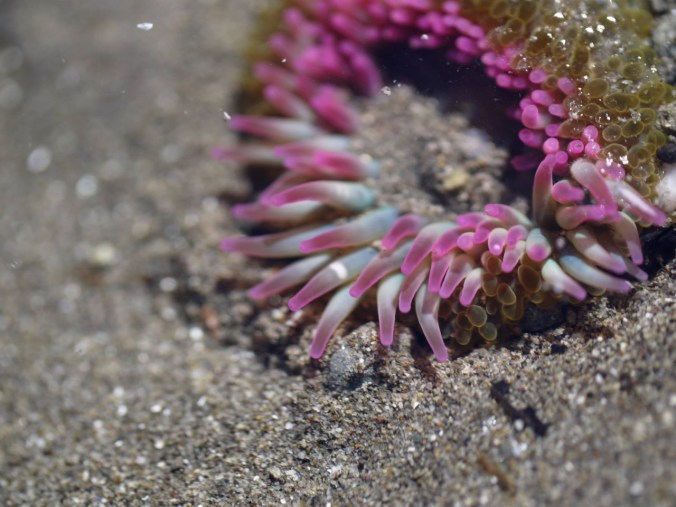
Anthopleura elegantissima “Aggregating Anemone” Anthozoa

Olympic National Park, WA
June 1, 2013
Robert Niese

A very common intertidal resident here in the Puget Sound and on the open coast. If it’s big and green, it’s Anthopleura xanthogrammica. If it’s white and has very fine tentacles (usually subtidal, not intertidal) then it’s Metridium. Now you can identify 90% of the anemones you find in your backyard!

Columnar Basalts (17.4-6 myo), Frenchman Coulee

Vantage, WA
April 7, 2013
Robert Niese

Basalt columns such as these famous and well-climbed basalts outside Vantage, WA, are formed as lava cooled and fractured. Fracture lines form vertical, polygonal columns often known as “organ pipes” or “postpiles” here in the PNW. This landscape was then carved by some of the largest floods North America has ever seen, which roared through the Columbia Basin dozens of times between 1700 and 1500 years ago. These floods were largely caused by an ice dam at the edge of Glacial Lake Missoula which repeatedly broke and re-froze throughout this period.

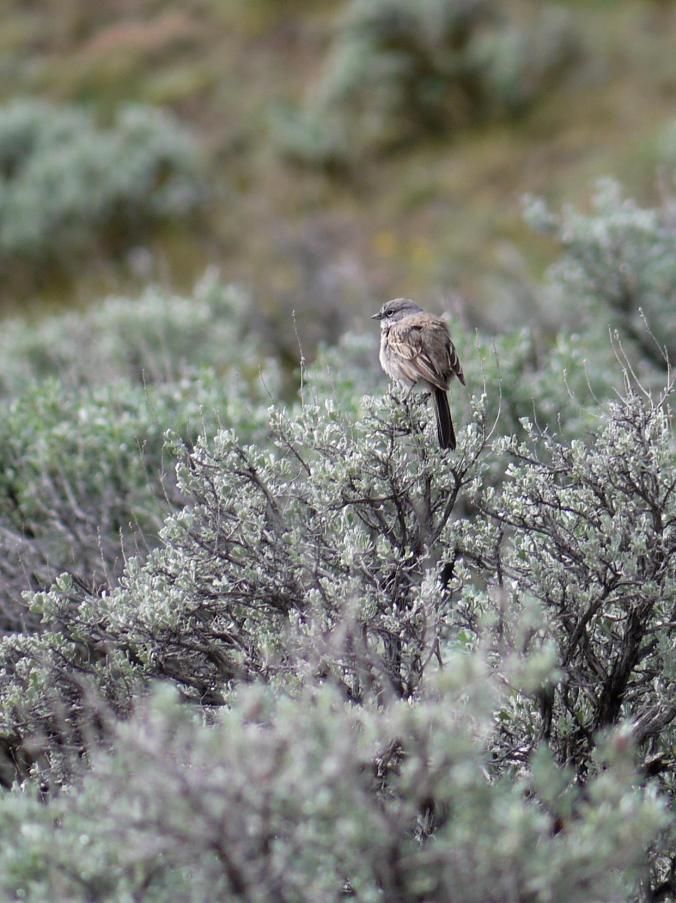
Sage Sparrow (Artemisiospiza nevadensis) Emberizidae

Ginkgo Petrified Forest State Park, WA
April 7, 2013
Robert Niese

Washington is home to the northernmost populations of Sage Sparrows in North America. These birds are sagebrush and chaparral obligates and are threatened throughout the state as these ecosystems get converted into range lands.

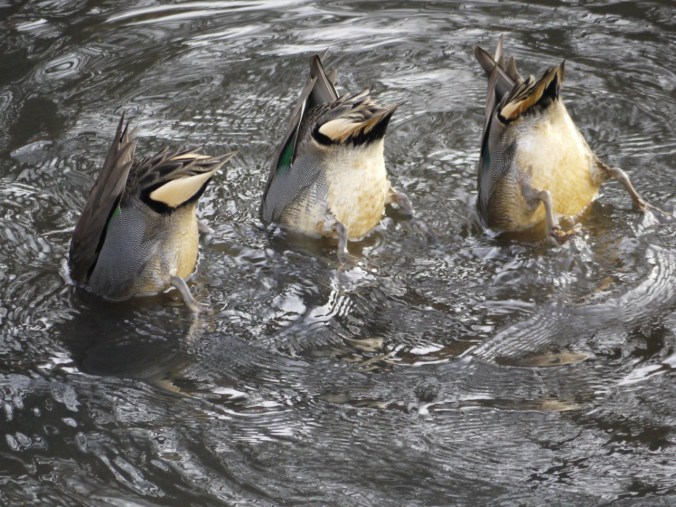
Green-winged Teal (Anas crecca carolinensis) Anatidae, males

Seattle, WA
January 13, 2013
Robert Niese

Teal are dabblers (as opposed to divers), meaning they float on the surface and reach down into the water to grab tasty bits of aquatic plant matter. This makes the ability to identify a duck butts surprisingly useful.

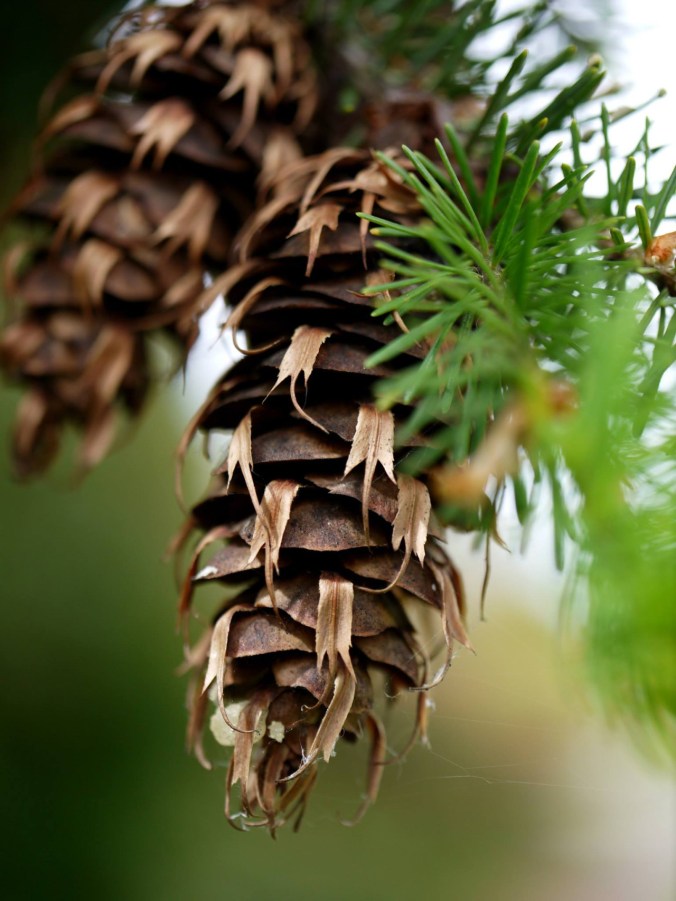
Pseudotsuga menziesii “Douglas Fir” Pinaceae

Tacoma, WA
May 18, 2013
Robert Niese

A Pacific Northwest Indian legend explains where the Doug-fir got its unmistakable leafy bracts (in between the scales of the cone), suggesting that, long ago during an intense fire, tiny mice seeking shelter from the flames hid themselves between the scales of the Doug-fir cones. Today we see their tiny tails and back feet poking out of the cones!

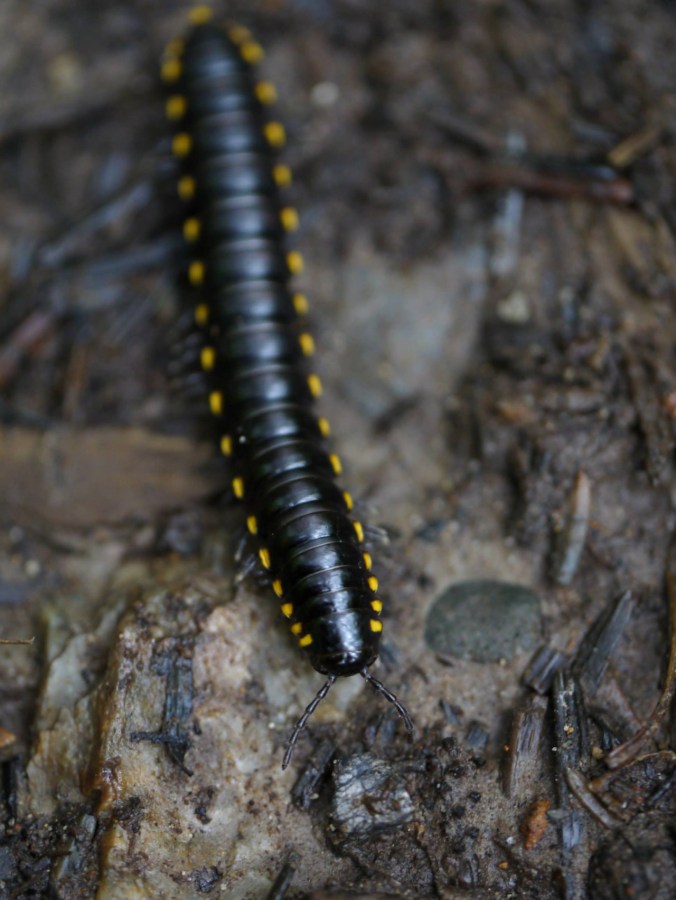
Harpaphe haydeniana “Yellow-spotted Millipede” Diplopoda

Olympic National Park, WA
June 4, 2013
Robert Niese

This adorable PNW millipede is a common denizen of nearly all moist coniferous forests from Alaska to California. It is also known as the “Almond-scented Millipede” due to the odors it produces when disturbed (hydrogen cyanide smells like almonds, apparently). But don’t worry, these little guys cant hurt you (just don’t eat it!). In fact, they are an exceptional critter to handle and explore with your young naturalists-in-training.

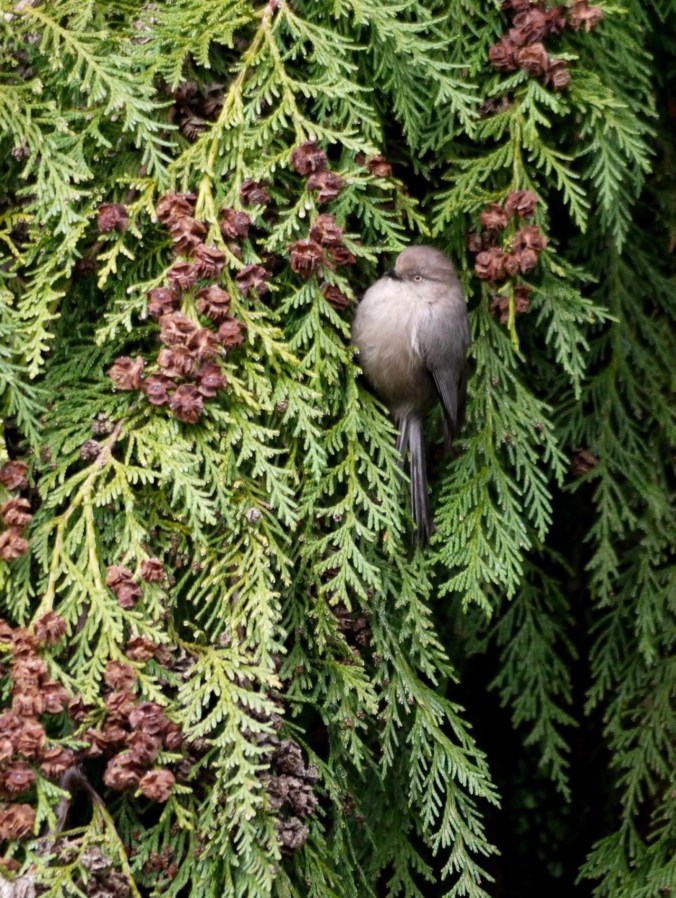
American Bushtit (Psaltriparus minimus) Aegithalidae 

University of Washington, Seattle, WA
January 13, 2013
Robert Niese

American Bushtits are the only member of the bushtit family found in the New World. Did you know you can tell apart the sexes based on their eye color? This is a female. Males have all black eyes.

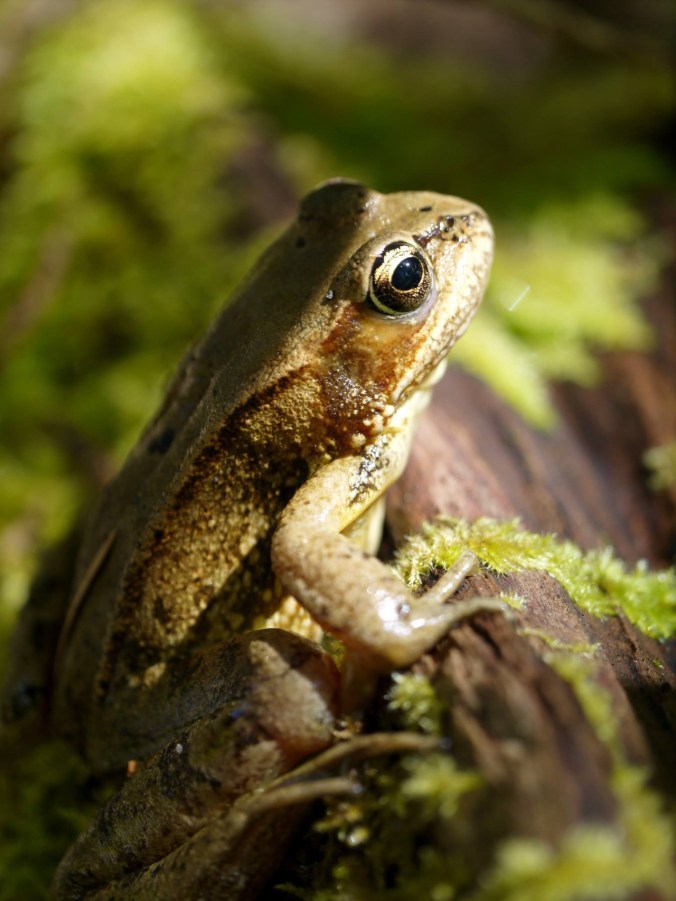
Rana cascadae “Cascades Frog” Ranidae

Olympic National Park, WA
June 7, 2013
Robert Niese

These frogs are endemic to the Cascade and Olympic Mountains where they require predator-free water sources to breed. The introduction of trout for recreational fishing has devastated many populations of these frogs here in the PNW.

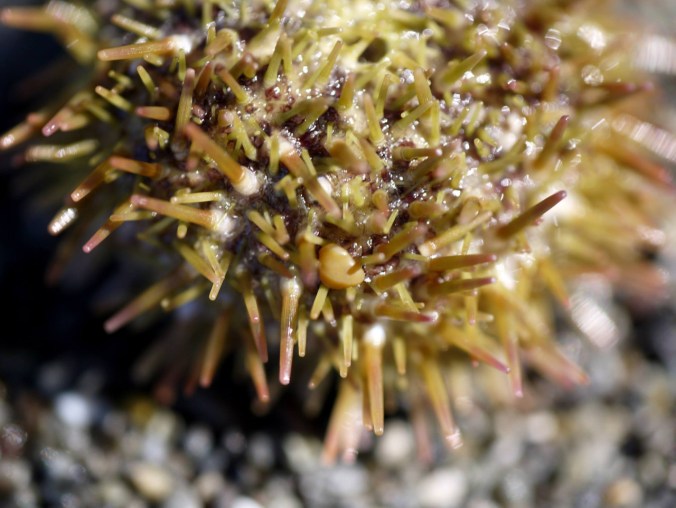
Strongylocentrotus droebachiensis “Green Urchin” Echinoidea

Olympic National Park, WA
June 2, 2013
Robert Niese

Strongylocentrotus droebachiensis has one of the longest binomial Latin names of any organism in the world. It is also one of the most abundant and widely distributed urchins on Earth. Here in Washington, S. droebachiensis is at the southernmost extent of its range.

Rhizocarpon geographicum “Map Lichen" 

Mount Rainier National Park, WA
August 9, 2013
Robert Niese

Map Lichen is an easily recognizable montane species of crustose lichen that can be found throughout the Pacific Northwest. Look for its characteristic yellow thallus with black apothecia (the black dots surrounded by yellow). Individual lichens are bordered by a thick black line (seen clearly in the center left of this image) which makes them look somewhat like delineated countries on a map (hence the name).