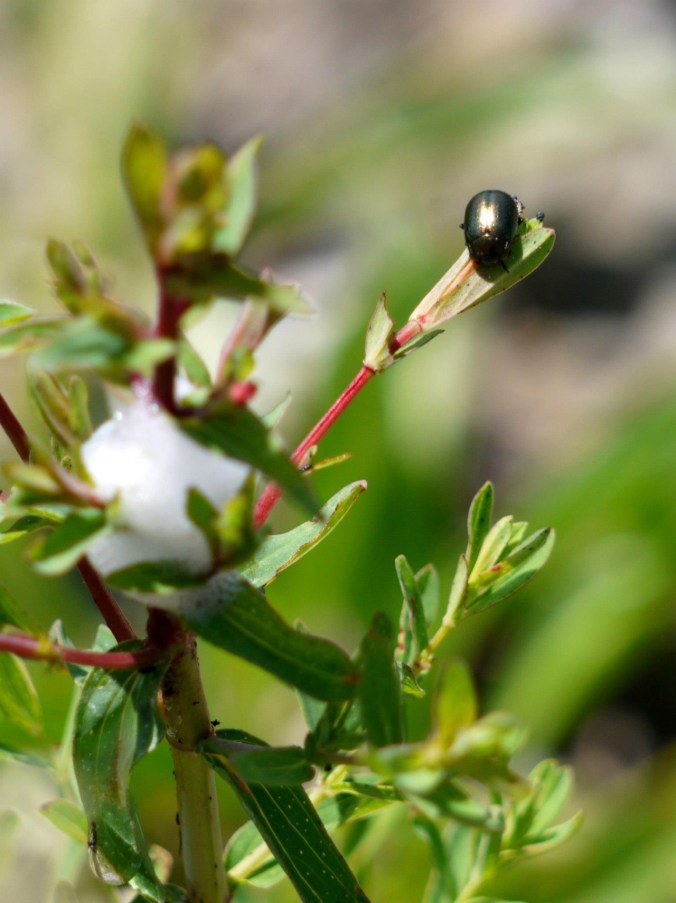
Chrysolina hyperici “St. Johnswort Beetle” Chrysomelidae

Joint Base Lewis-McChord, WA
May 2013
Robert Niese

In the late 1940s these beetles were introduced to California to control the spread of the weed St. Johnswort (Hypericum perforatum). The introduction of the beetles was so successful that the state erected a monument commemorating their success in Eureka, CA.
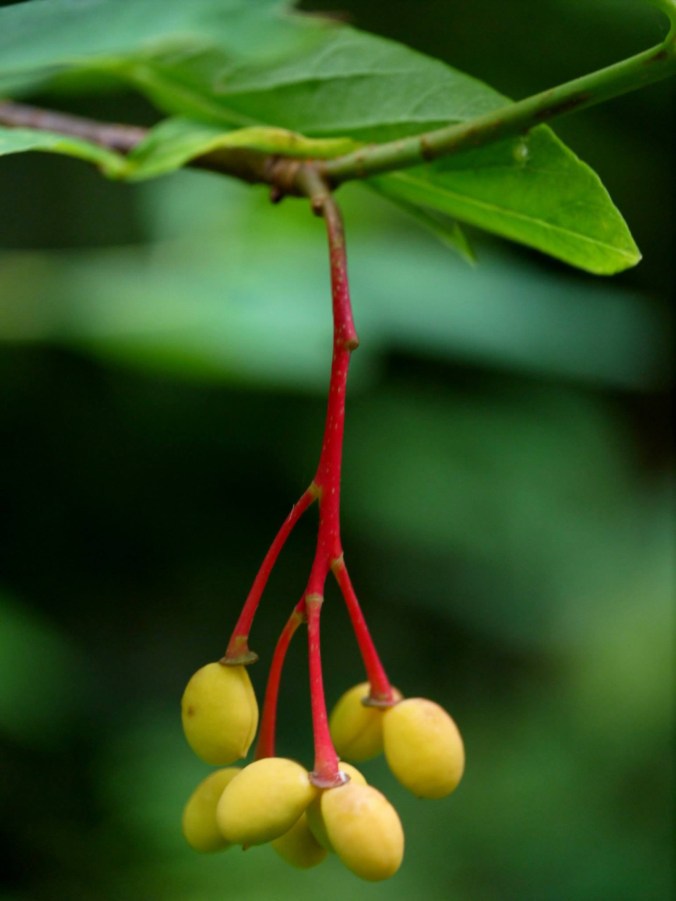
Oemleria cerasiformis “Indian Plum” Rosaceae

Tacoma, WA
May 2013
Robert Niese

Oemleria is a PNW endemic and is one of the first plants to leaf-out and bloom in spring. Later in the summer Oemleria will begin to bear ripe fruits which are purple with a large pit, giving them the name Indian Plums. These fruits here were unripe and tasted bitter and chalky. I should have waited for them to turn purple!

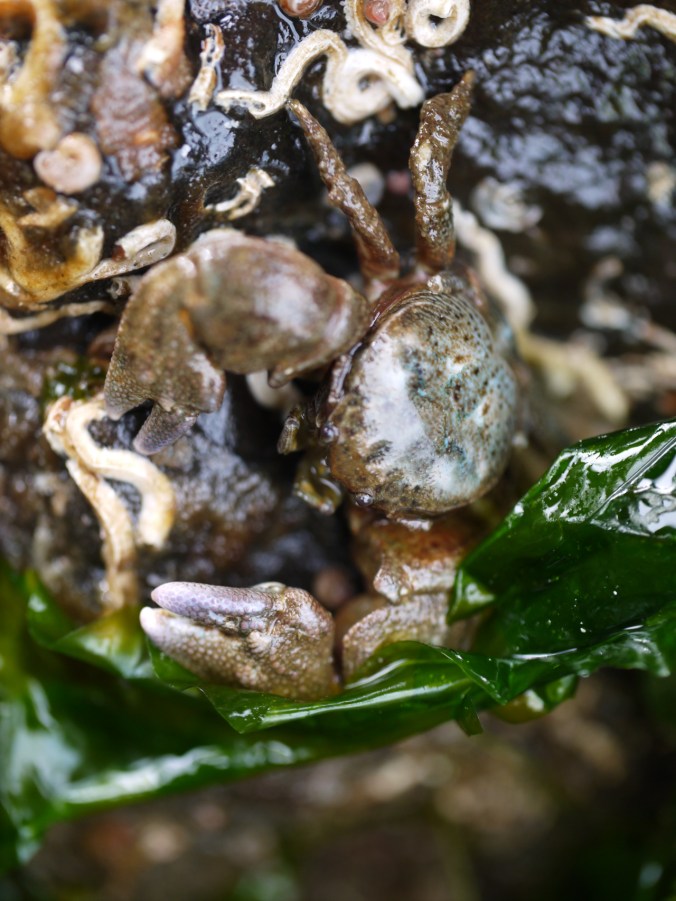
Pachycheles rudis “Thick-clawed Porcelain Crab” Decapoda

Fox Island, WA
June 23, 2013
Robert Niese

Porcelain crabs are not actually “true crabs” and are a remarkable example of convergent evolution in the Decopod order. In fact, crab-like forms have evolved so many times within the crustacean clade that evolutionary biologists have given this type of convergent evolution its own name: carcinization. Porcelain crabs are more closely related to hermit crabs and squat lobsters than they are to a typical Cancer crab.

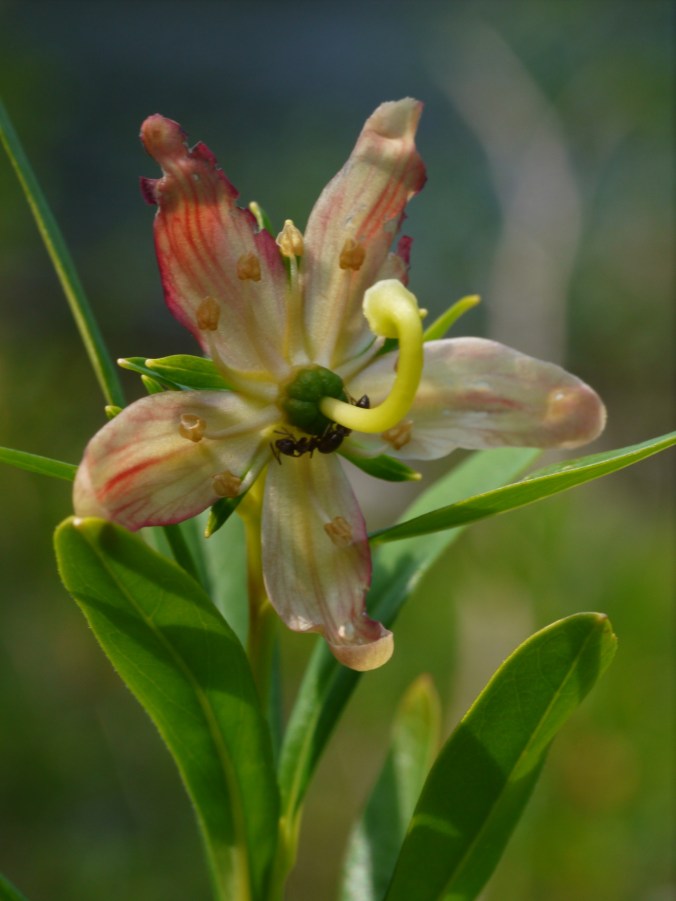
Elliottia pyroliflora “Copperbush” Ericaceae

Mount Rainier National Park, WA
August 9, 2013
Robert Niese

Copperbush is a member of the blueberry family and is a PNW endemic (west of the Cascades). These deciduous shrubs tend to grow in wet, boggy regions around mountain streams and lakes. 

Stemonitis sp. “Brown Plasmodial Slime Mold” Myxogastria

Tacoma, WA
July 8, 2013
Robert Niese

Slime molds are colonial unicellular organisms that are distantly related to animals and fungi. They are active predators of bacteria, protists, and fungi, and are most often observed in their fruiting phase (as seen above). These beautiful fruiting structures (check out these crazy colors!) then release spores which get distributed by the wind or small animals.

Limenitis lorquini “Lorquin’s Admiral” Nymphalidae

Mount Rainier National Park, WA
August 12, 2013
Robert Niese

These butterflies will aggressively defend their feeding sites throughout the summer, chasing off rival males as well as other intruding insects and even hummingbirds.

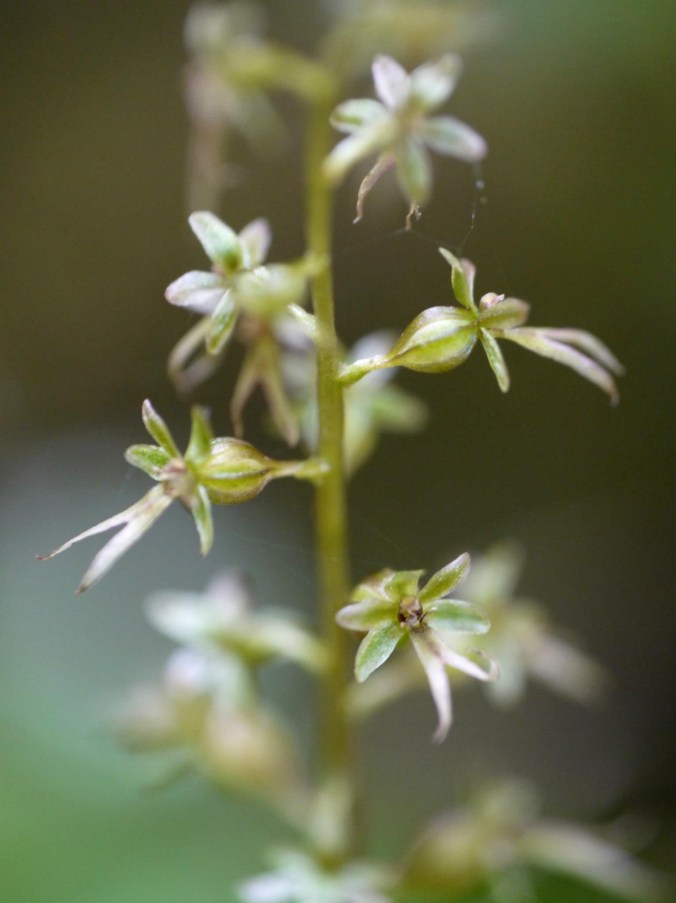
Listera cordata “Heart-leaf Twayblade” Orchidaceae

Olympic National Park, WA
June 3, 2013
Robert Niese

This tiny orchid has a circumboreal distribution and is most often found in the moist forest understory hiding among the mosses. Twayblade orchids are fairly common in the Pacific Northwest but are usually overlooked due to their size (rarely more than a few inches tall) and unremarkable coloration. We have five species of Twayblade in the PNW – one of which is endangered.

Pacific Wren (Troglodytes pacificus) Troglodytidae

Olympic National Park, WA
June 6, 2013
Robert Niese

Pacific Wrens are some of the most accomplished vocalists in the animal kingdom. Displaying birds have been known to sing more than 60 notes per second for 120 seconds without breathing! They’re also one of North America’s loudest animals. Have a listen.

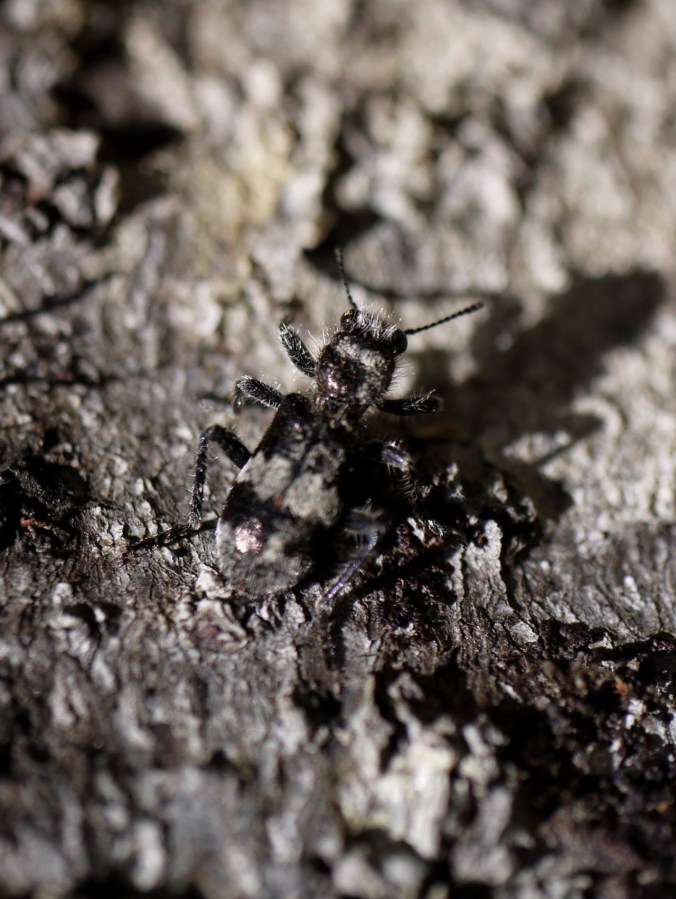
Enoclerus sphegeus “Red-bellied Clerid” Cleridae

Olympic National Park, Washington
June 2, 2013
Robert Niese

These little beetles have the unique habit of leaping off their trees and showing their bright red abdomens when threatened by predators (or my camera lens).

Rubus spectabilis “Salmonberry” Rosaceae

Tacoma, WA
May 2013
Robert Niese

These are definitely some of my favorite PNW fruits. You can easily identify a Salmonberry bush by its unique 3-part leaves. Look for the bottom two leaflets that are shaped like the wings of a butterfly!