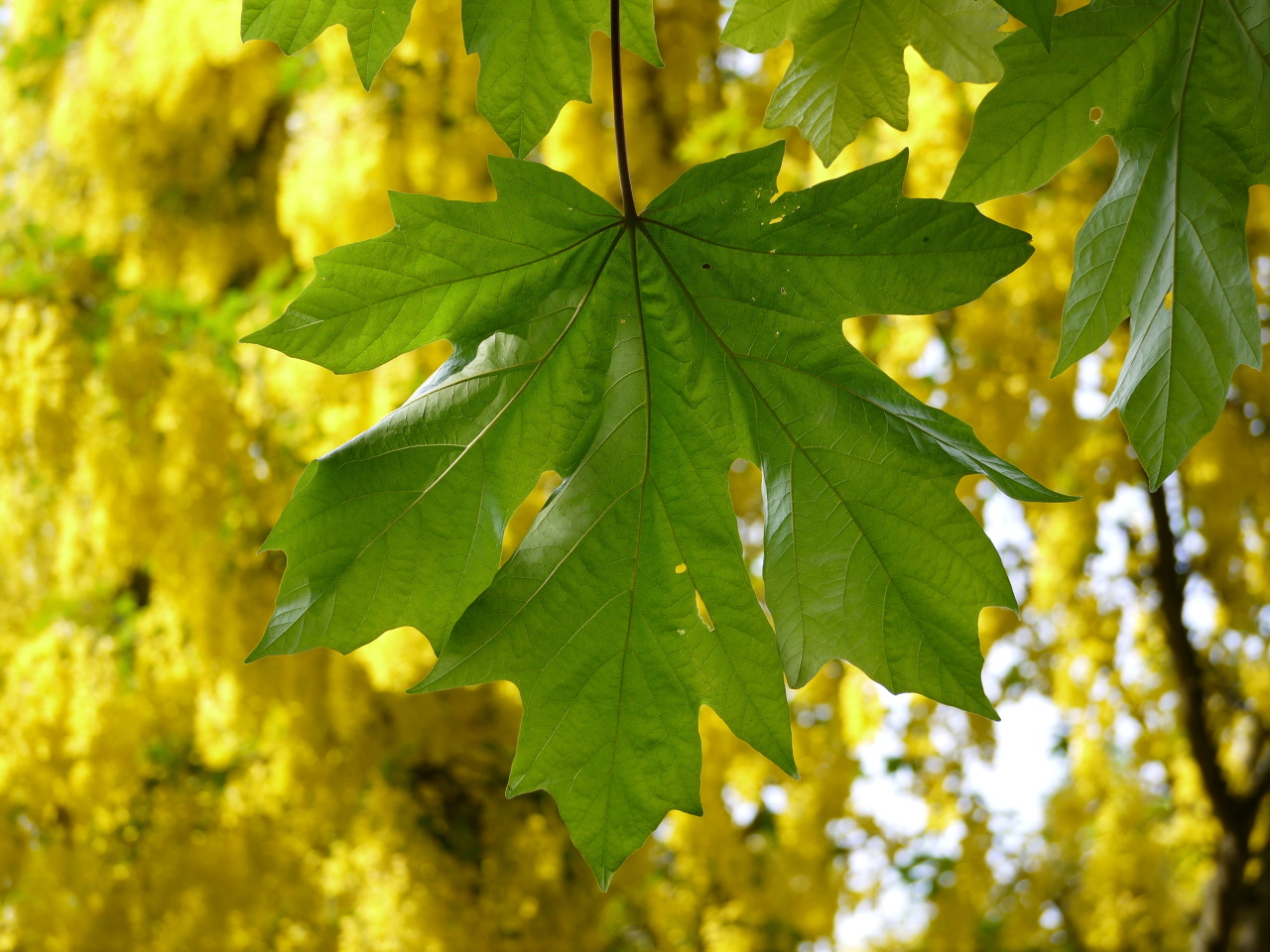
Acer macrophyllum “Bigleaf Maple” Aceraceae, with
Laburnum anagyroides “Golden Chain Tree” Fabaceae

Tacoma, WA
May 30, 2012
Robert Niese

The largest leaves on Bigleaf Maples easily reach 2 feet in length! These trees are keystone species in riparian zones throughout the wet lowlands of the PNW and are particularly important for sustaining healthy moss populations. In the background, you can see the bright yellow flowers of the introduced Golden Chain Tree. These papilionaceous flowers (in the pea family) are favored by bumble bees which are large enough to wriggle their way into the corolla.
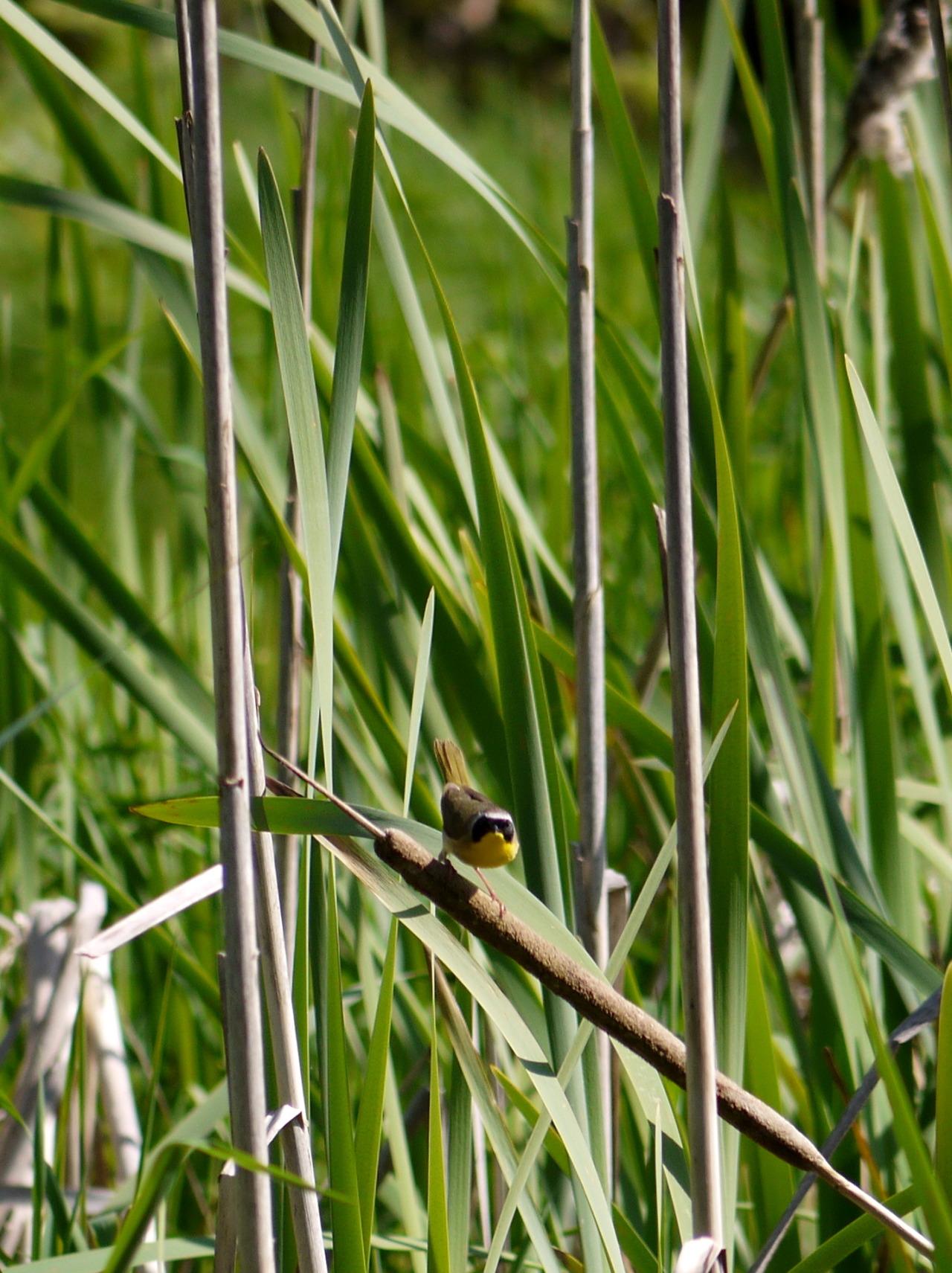
Common Yellowthroat (Geothlypis trichas) Parulidae

Nisqually National Wildlife Refuge, WA
May 6, 2012
Robert Niese

Yellowthroats are among the most abundant and widely dispersed of the New World Warblers. There are 13 different races of these little birds, but all share their characteristic witchety witchety witchety song. Listen for these birds in any riparian or wetland habitat across the US and Canada.

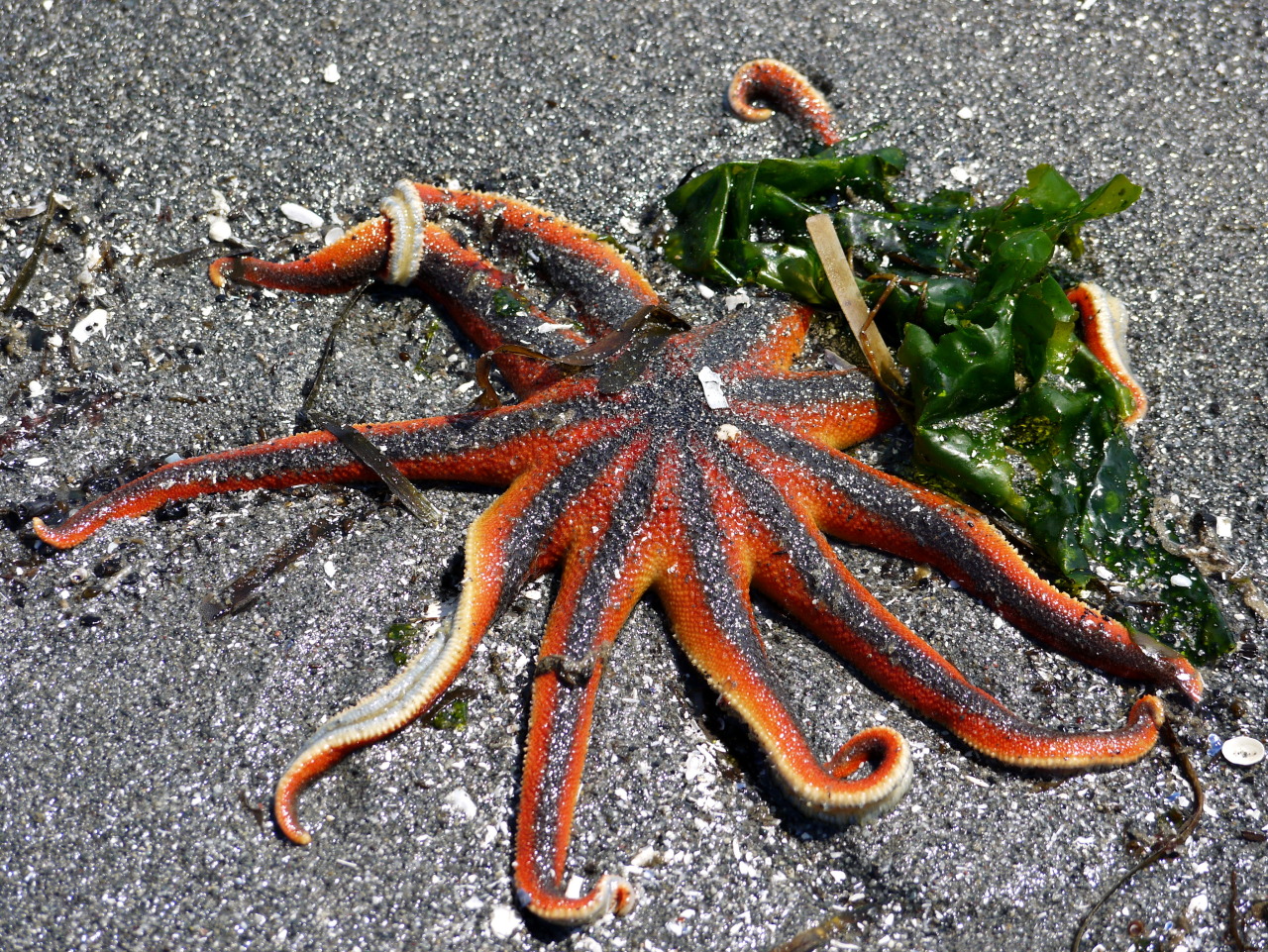
Solaster stimpsoni “Stimpson’s Sun Star” Asteroidea, with
Ulva lactuca “Sea Lettuce” Chlorophyta

Point Robinson, Vashon Island, WA
July 4, 2012
Robert Niese

Solaster sea stars tend to be a more subtidal echinoderm, so we only really get to enjoy them as beachgoers at especially low summer tides. This species is a voracious hunter of sea cucumbers which are common in rocky inter- and subtidal ecosystems. However, this individual was hunting in open sand before it was stranded by the tide, which suggests it might have been feeding on the plentiful sea pens which occur in these areas instead. This species of sea star is the host of a commensal scale worm which can be found hiding in the groove between the paired tube feet on the underside of each arm.

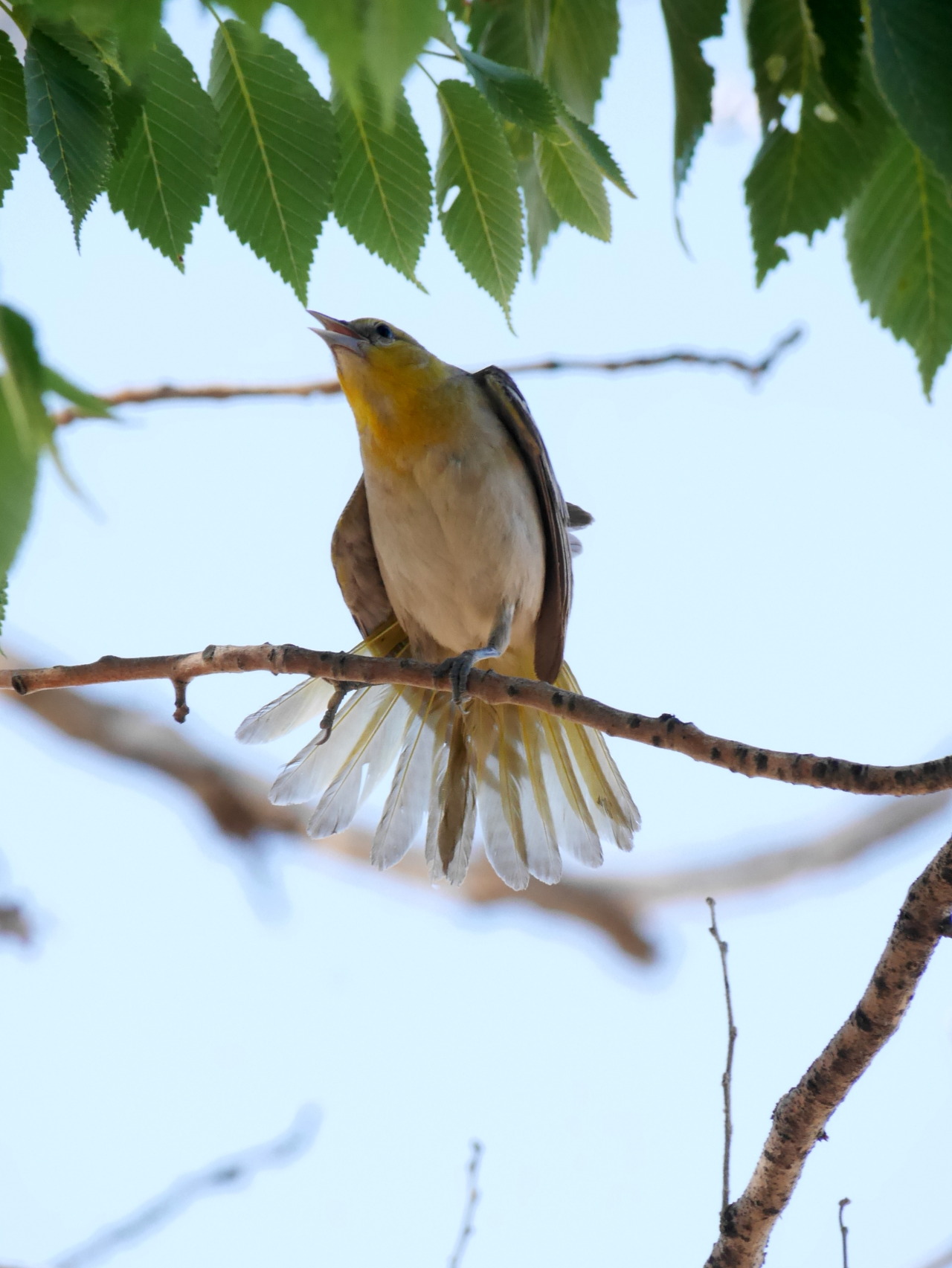
Bullock’s Oriole (Icterus bullockii) Icteridae, female

Palouse Falls State Park, WA
June 8, 2015
Robert Niese

Bullock’s Orioles are the only oriole species found in the Pacific Northwest. I caught this pretty lady mid-stretch. These rectricies (tail feathers) are really worn and she appears to be missing a feather on her right side. Normally, rectricies are molted symmetrically, so perhaps she broke this one feather or lost it in a battle with a rival. Regardless, she’s still quite a lovely bird!

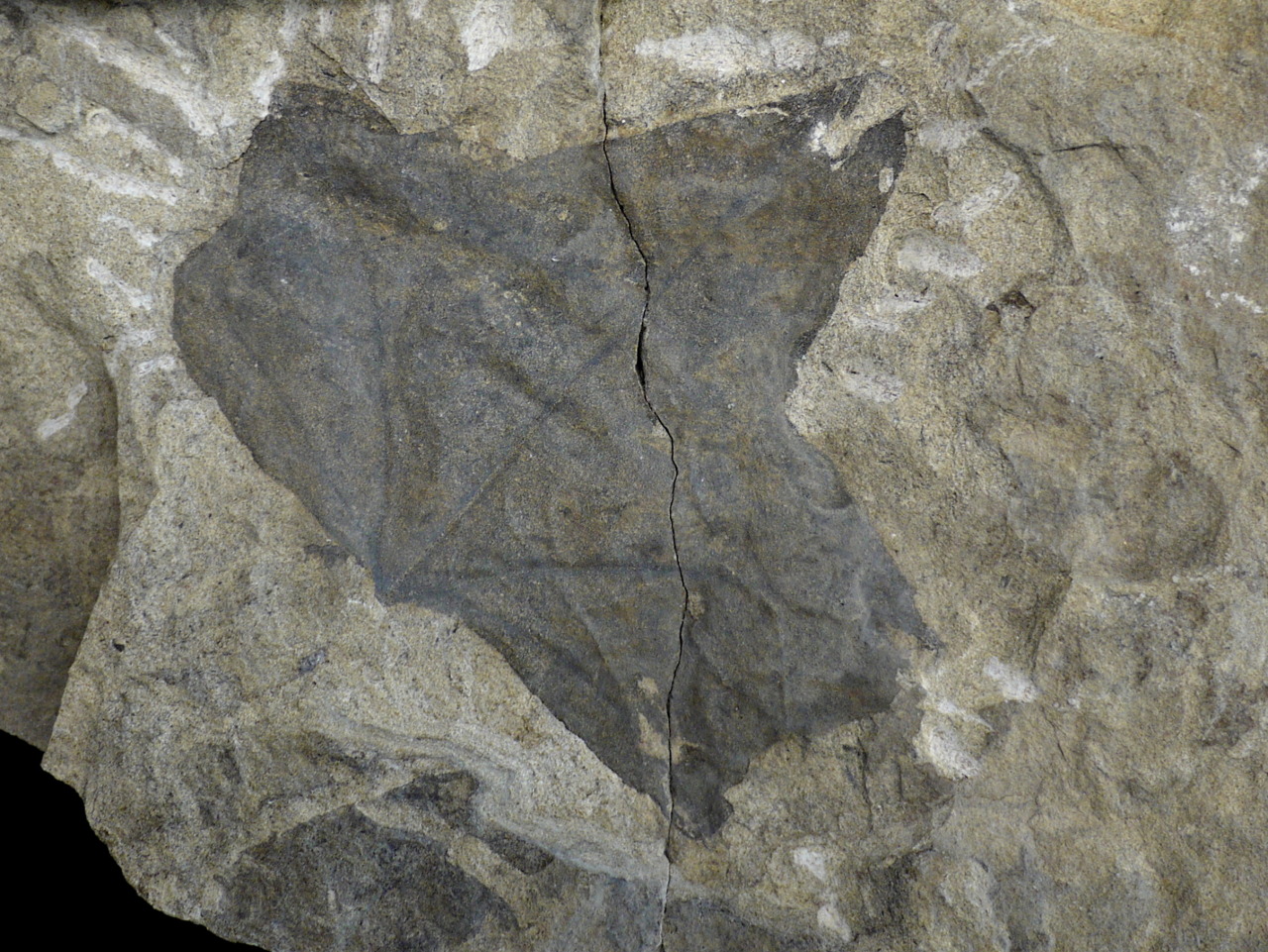
Fossil Maple Leaf, Winthrop Formation

Winthrop, WA
Mid-Cretaceous (110 mya)
Robert Niese

In honor of National Fossil Day, here’s a neat fossil from the Winthrop Formation in north-central Washington. This species looks very similar to modern day maple species, but has yet to be formally identified. This particular fossil formation is rife with beautiful plant specimens. By studying the morphology of these fossil leaves, we can estimate the mean annual temperature of the region 110 million years ago. Using this method, scientists estimate that mid-Cretaceous Washington was almost 12 degrees (˚C) warmer than it is today. (Specimen courtesy of the University of Puget Sound, Geology Department)

Rhizomnium glabrescens “Fan Moss” Bryales

Deception Pass State Park, Whidbey Island, WA
August 18, 2014
Robert Niese

These mosses are very common in wet forests throughout the western PNW and appear to be particularly fond of rotting logs and rocks. They are a very leafy species of moss and are often mistaken for vascular plants. The star-shaped structures shown here are the sperm-bearing male gametophytes (full of antheridia). This particular arrangement of leaves allows the sperm to splash out of the antheridia whenever it rains. So next time you’re wandering around a wet PNW forest in the rain, I hope you think about moss sex. Learn more about the biology of these mosses here!

Anania hortulata “Small Magpie” Crambidae

Tacoma, WA
July 8, 2013
Robert Niese

The Small Magpie is an adorable moth that was accidentally introduced from Europe. Its larvae feed on Stinging Nettle (Urtica dioica) and many members of the mint family.

Happy National Moth Week!

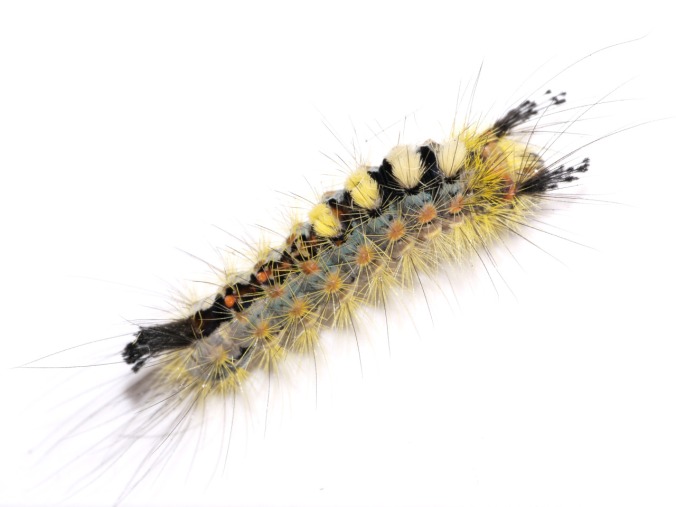
Orgyia antiqua “Rusty Tussock Moth” caterpillar Lymantriidae (now Erebidae)

Tacoma, WA
July 12, 2013
Robert Niese

This species is widely dispersed throughout both hardwood and coniferous forests in North America. Here in the Pacific Northwest, it tends to be restricted to moist, low elevation forests west of the Cascades. The caterpillars of this species are generalists and can eat both conifers and flowering plants.
Fun fact: female tussock moths are flightless and lay their eggs en masse on their cocoon. In order to disperse into the wide world beyond the cocoon they’re born on, freshly-hatched larvae will balloon away on the wind.

Happy National Moth Week!

Scoparia basalis “Many-spotted Scoparia” Crambidae

Point Defiance Park, Tacoma, WA
July 22, 2013
Robert Niese

Our night of mothlighting in Point Defiance Park was chock-full of these adorable little (1cm!) Crambids. Definitely our most abundant moth of the evening! Caterpillars of Scoparia moths are poorly described, but some scientists think they might live in and feed on mosses before reaching adulthood. This might make sense considering that the forests in Point Defiance Park are dripping with mosses!

Happy National Moth Week!

Choristoneura rosaceana “Oblique-banded Tortrix Leafroller” Tortricidae

Point Defiance Park, Tacoma, WA
July 22, 2013
Robert Niese

The larva of these inconspicuous moths are significant pests on apples (and many other rosaceous plants) where they voraciously consume both fruits and leaves. Larval leafrollers, as their name suggests, roll-up the leaves of their host plants and hide inside the rolled-up tube for protection from parasites and predators. Learn more about this species at the Colorado State University’s interactive webpage on Tortricids of Agricultural Importance.

Happy National Moth Week!