Mantis religiosa “European Mantis” Mantidae

Woodinville, WA
August 13, 2013
Robert Niese

Native mantids are exceedingly rare in Washington, but that doesn’t make the introduced and abundant European Mantis any less photogenic. If you’re interested in finding natives, try scouring sagebrush habitats in central Washington for Litaneutria, a small gray ground mantis.

Pentidotea (Idotea) wosnesenskii “Kelp Isopod” Isopoda

Olympic National Park, WA
June 1, 2013
Robert Niese

This is an abundant intertidal crustacean that feasts on algae growing among mussel and barnacle beds throughout northern Pacific rocky coastlines. They range in color from purple to red to brown to green, depending on their current algae diet.

Sinodendron rugosum “Rugose Stag Beetle” Lucanidae

Tacoma, WA
July 2, 2013
Robert Niese

This adorable stag beetle is the only member of its genus found in North America. It is also commonly consumed by the endangered Spotted Owl.

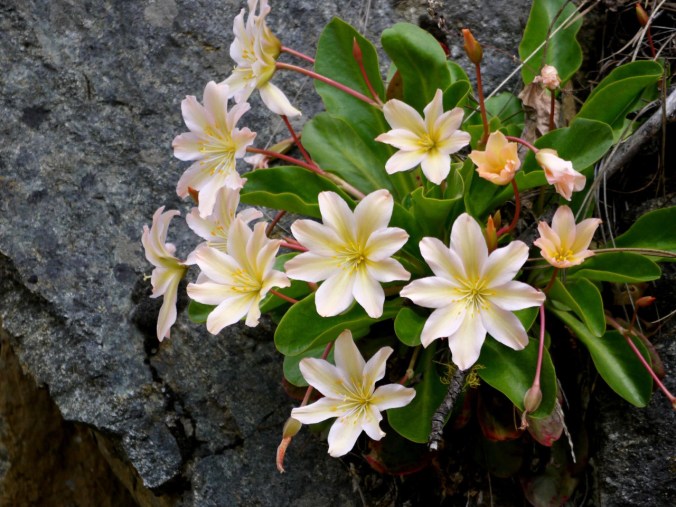
Lewisiopsis tweedyi “Tweedy’s Lewisia” Portulacaceae (Montiaceae)

Pine Flats Campground, Mad River Valley, Wenatchee National Forest
Ardenvoir, WA
May 11, 2013
Robert Niese

Tweedy’s Lewisia is a unique flower native to the eastern slopes of the Wenatchee Mountains in Washington and British Colombia. It is the sole member of its genus and can be found nowhere else on Earth.

Lewisiopsis tweedyi “Tweedy’s Lewisia” Portulacaceae (Montiaceae)

Pine Flats Campground, Mad River Valley, Wenatchee National Forest
Ardenvoir, WA
May 11, 2013
Robert Niese

Tweedy’s Lewisia is a unique flower native to the eastern slopes of the Wenatchee Mountains in Washington and British Colombia. It is the sole member of its genus and can be found nowhere else on Earth.

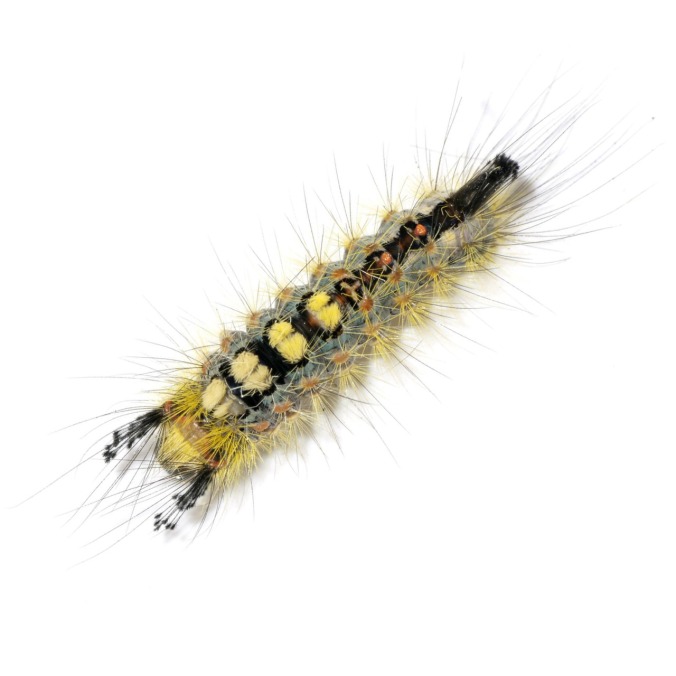
Orgyia antiqua “Rusty Tussock Moth” caterpillar Lymantriidae (now Lymantriinae)

Tacoma, WA
July 12, 2013
Robert Niese

This species is widely dispersed throughout both hardwood and coniferous forests in North America. Here in the Pacific Northwest, it tends to be restricted to moist, low elevation forests west of the Cascades. The caterpillars of this species are generalists and can eat both conifers and flowering plants.
Fun fact: female tussock moths are flightless and lay their eggs en masse on their cocoon. In order to disperse into the wide world beyond the cocoon they’re born on, freshly-hatched larvae will balloon away on the wind.