
Graphocephala fennahi “Rhododendron Leafhopper” Cicadellidae
Tacoma, WA
August 2013
Robert Niese
Apparently, these sharpshooters are native to the south eastern Appalachians, but have since traveled the world in ornamental Rhododendrons.
Graphocephala fennahi “Rhododendron Leafhopper” Cicadellidae
Tacoma, WA
August 2013
Robert Niese
Apparently, these sharpshooters are native to the south eastern Appalachians, but have since traveled the world in ornamental Rhododendrons.
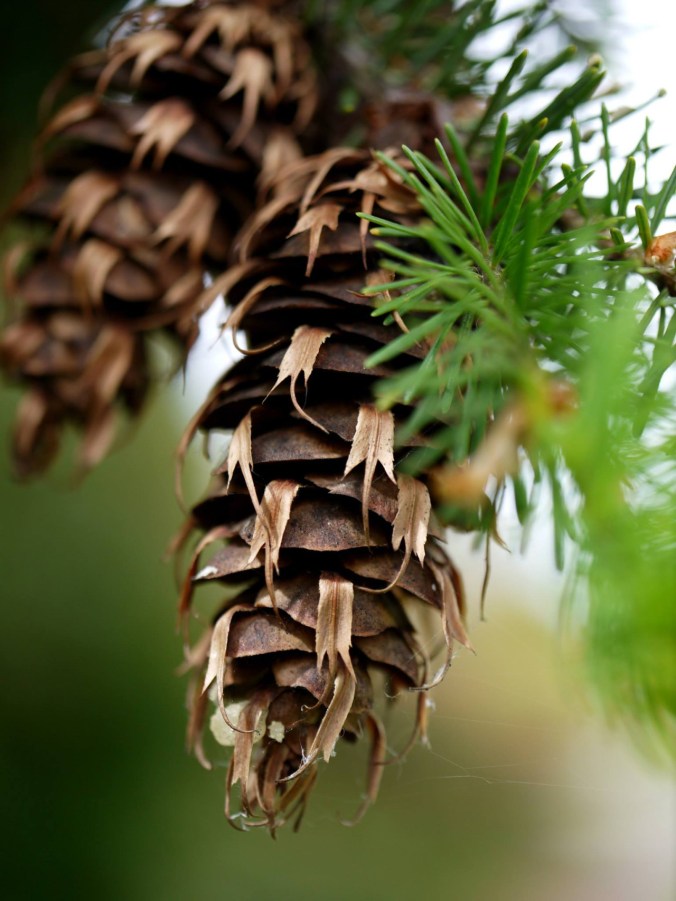
Pseudotsuga menziesii “Douglas Fir” Pinaceae
Tacoma, WA
May 18, 2013
Robert Niese
A Pacific Northwest Indian legend explains where the Doug-fir got its unmistakable leafy bracts (in between the scales of the cone), suggesting that, long ago during an intense fire, tiny mice seeking shelter from the flames hid themselves between the scales of the Doug-fir cones. Today we see their tiny tails and back feet poking out of the cones!

Sinodendron rugosum “Rugose Stag Beetle” Lucanidae
Tacoma, WA
July 2, 2013
Robert Niese
This adorable stag beetle is the only member of its genus found in North America. It is also commonly consumed by the endangered Spotted Owl.
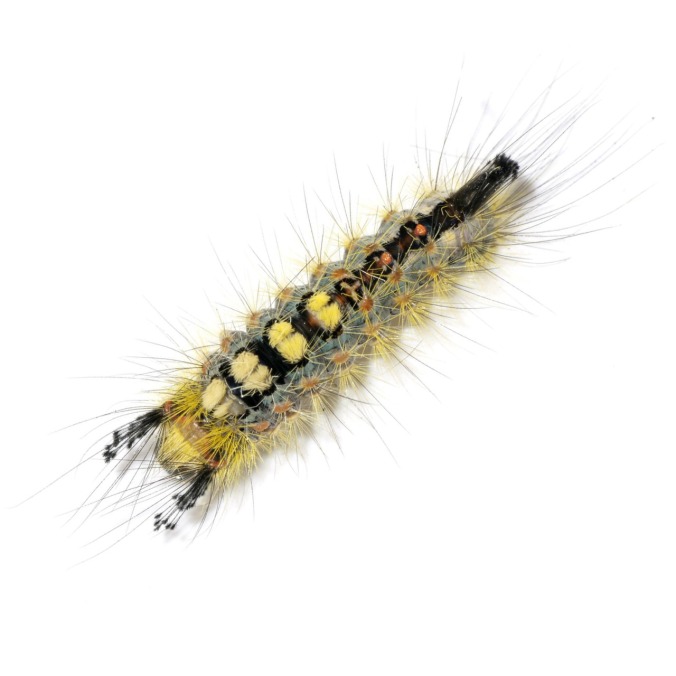
Orgyia antiqua “Rusty Tussock Moth” caterpillar Lymantriidae (now Lymantriinae)
Tacoma, WA
July 12, 2013
Robert Niese
This species is widely dispersed throughout both hardwood and coniferous forests in North America. Here in the Pacific Northwest, it tends to be restricted to moist, low elevation forests west of the Cascades. The caterpillars of this species are generalists and can eat both conifers and flowering plants.
Fun fact: female tussock moths are flightless and lay their eggs en masse on their cocoon. In order to disperse into the wide world beyond the cocoon they’re born on, freshly-hatched larvae will balloon away on the wind.
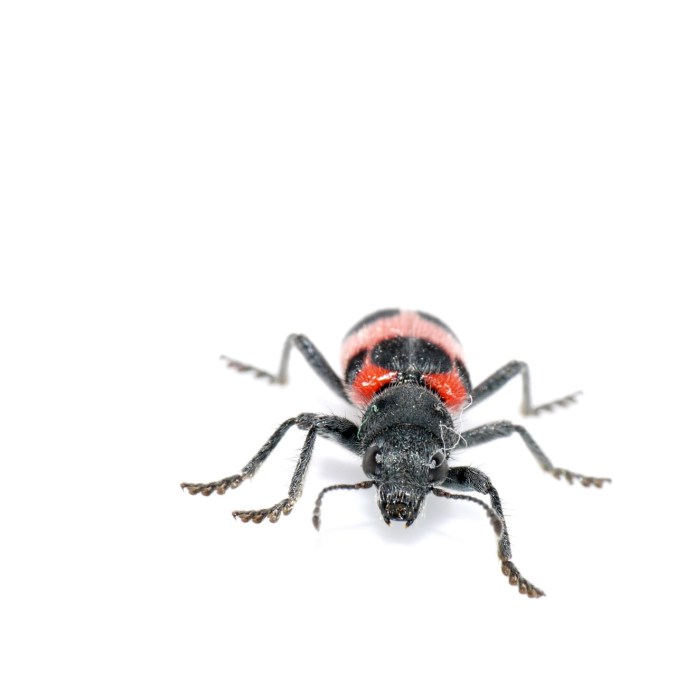
Enoclerus eximius “Checkered Beetle” Cleridae
Tacoma, WA
June 14, 2013
Robert Niese
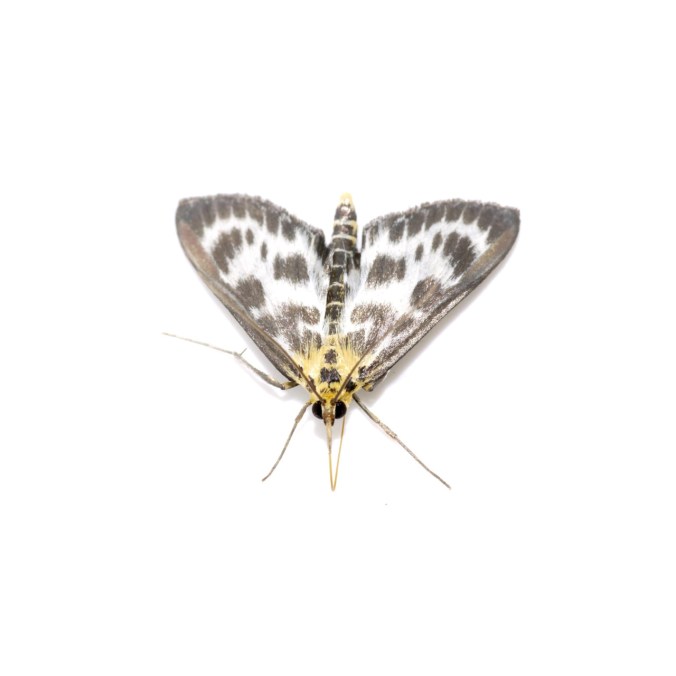
Anania hortulata “Small Magpie” Crambidae
Tacoma, WA
July 8, 2013
Robert Niese
 Northwest Naturalist