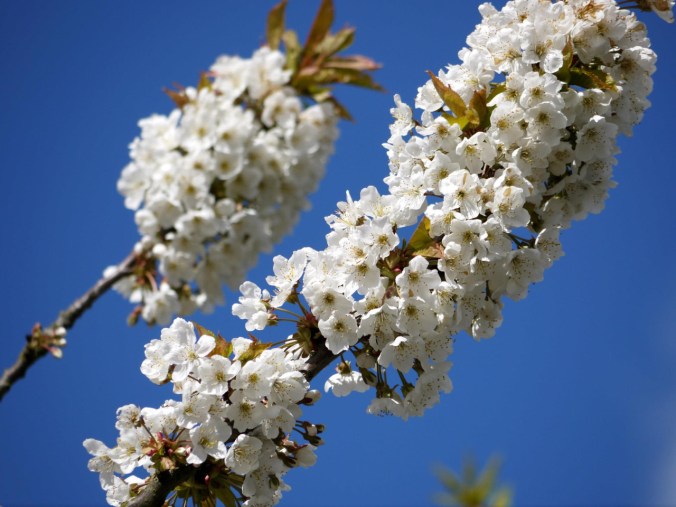
Prunus sp. “Cherry” Rosaceae
Tacoma, WA
April 14, 2013
Robert Niese
Prunus sp. “Cherry” Rosaceae
Tacoma, WA
April 14, 2013
Robert Niese


Horned Grebe (Podiceps auritus) Podicipedidae
Tacoma, WA
January 16, 2013
Robert Niese
Horned and Eared Grebes can be difficult to tell apart. Horned Grebes tend to have clear cheeks, a flat-topped head, and a sleek rear. Eared Grebes usually have more black streaking on their cheeks, a small crest above their eye, and a cute fluffy rump.
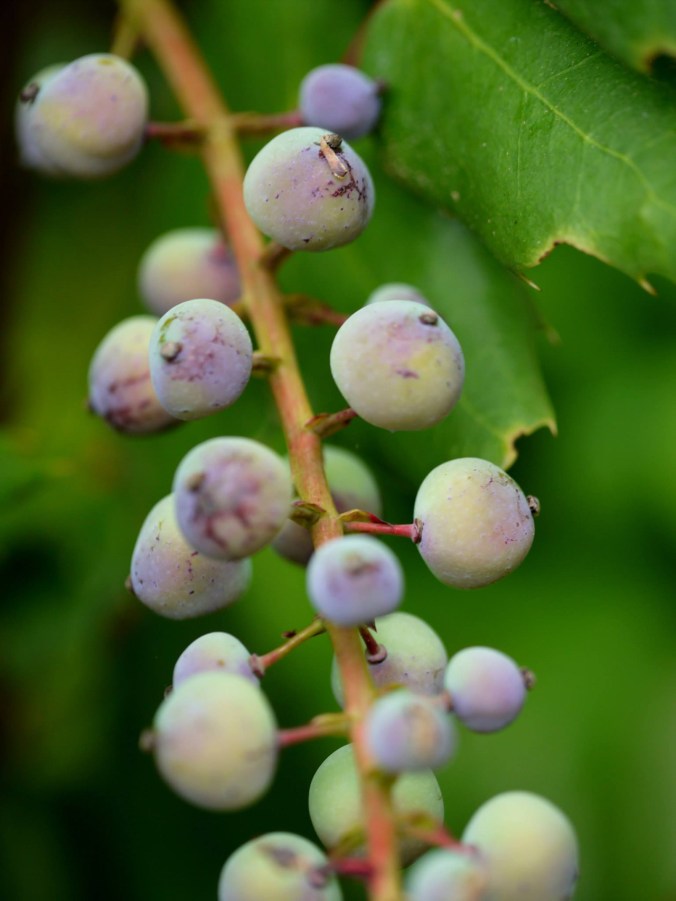
Berberis aquifolium “Tall Oregon Grape” Berberidaceae
Tacoma, WA
May 18, 2013
Robert Niese
The roots of these plants are often used to treat Psoriasis and can be found in topical creams such as Relieva. The stems of most members of this family contain a yellow compound called berberine which is both a strong antimicrobial and an excellent dye. Its berries are sometimes used to make barberry wine and can also produce a pleasant purple dye. Eaten alone however, the fruits of most Berberis are bitter and unpalatable.
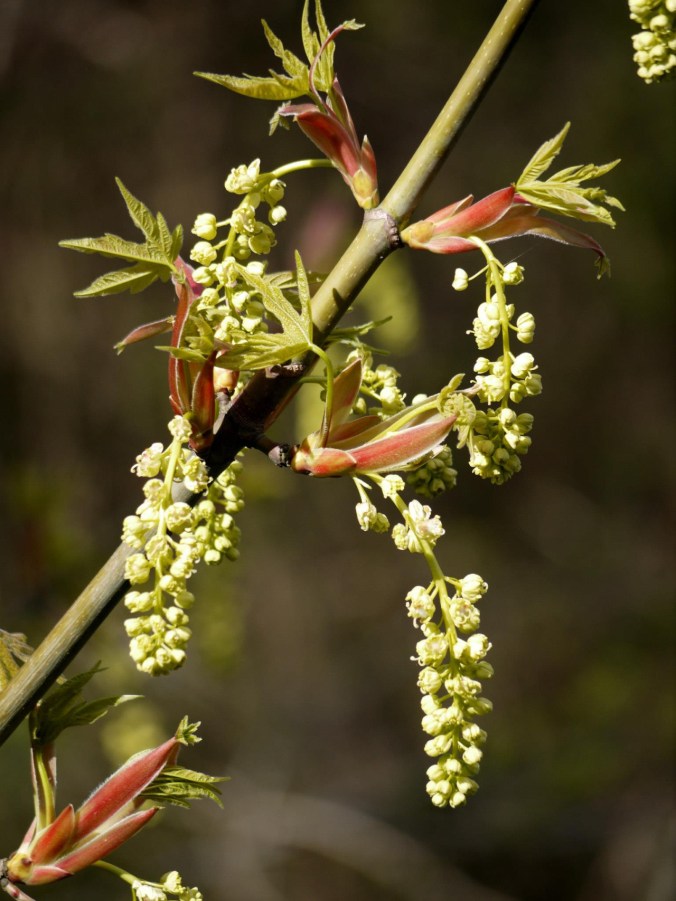
Acer macrophyllum “Bigleaf Maple” Aceraceae
Tacoma, WA
April 14, 2013
Robert Niese
The blooming of the Bigleaf Maples coincides with the arrival of many small insectivorous bird species to the Pacific Northwest. Birds such as the Orange-crowned Warbler, Pacific-slope Flycatcher, and Warbling Vireo rely on the insects attracted to these flowers in the springtime.

Rosa nutkana “Nootka Rose” Rosaceae
Tacoma, WA
June 11, 2012
Robert Niese
This wild rose is a gorgeous and common inhabitant of moist forests throughout the northwest. When the flower dies in the fall, it leaves behind what is called a “hip.” This fruit is fantastic in teas and rich in vitamin C.
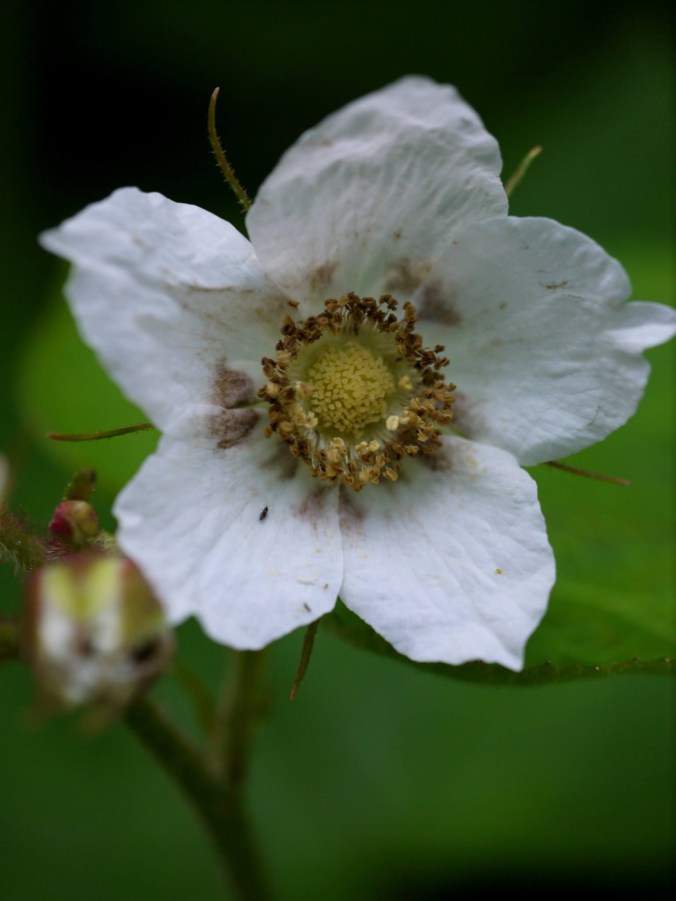
Rubus parviflorus “Thimbleberry” Rosaceae
Tacoma, WA
May 2013
Robert Niese
Thimbleberry is an abundant edible berry found throughout forests in the west. They tend to grow best in disturbed areas such as roadsides, landslides, and clear cuts.
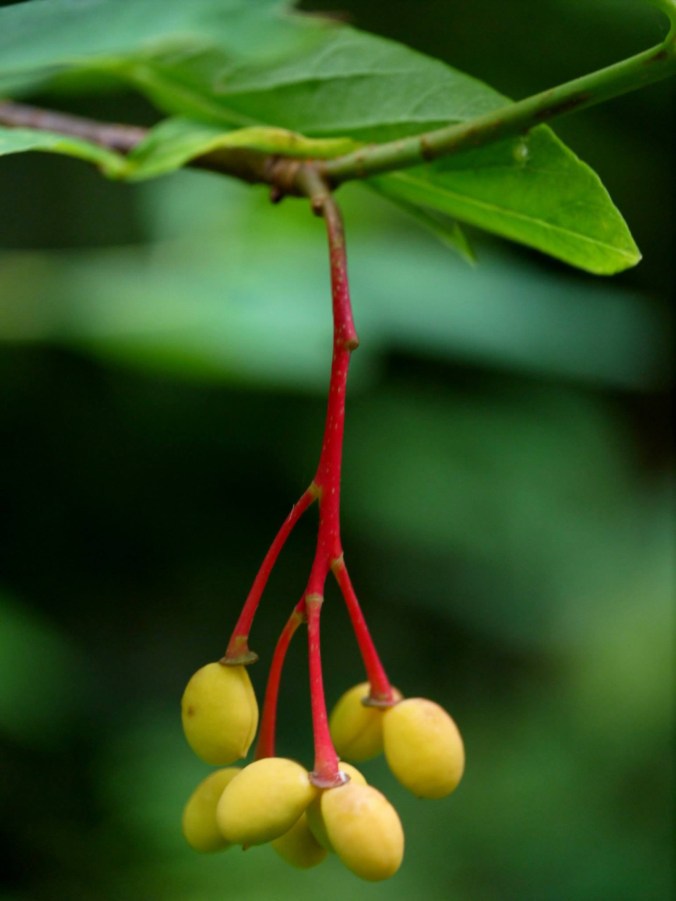
Oemleria cerasiformis “Indian Plum” Rosaceae
Tacoma, WA
May 2013
Robert Niese
Oemleria is a PNW endemic and is one of the first plants to leaf-out and bloom in spring. Later in the summer Oemleria will begin to bear ripe fruits which are purple with a large pit, giving them the name Indian Plums. These fruits here were unripe and tasted bitter and chalky. I should have waited for them to turn purple!

Stemonitis sp. “Brown Plasmodial Slime Mold” Myxogastria
Tacoma, WA
July 8, 2013
Robert Niese
Slime molds are colonial unicellular organisms that are distantly related to animals and fungi. They are active predators of bacteria, protists, and fungi, and are most often observed in their fruiting phase (as seen above). These beautiful fruiting structures (check out these crazy colors!) then release spores which get distributed by the wind or small animals.

Rubus spectabilis “Salmonberry” Rosaceae
Tacoma, WA
May 2013
Robert Niese
These are definitely some of my favorite PNW fruits. You can easily identify a Salmonberry bush by its unique 3-part leaves. Look for the bottom two leaflets that are shaped like the wings of a butterfly!

Cymbalaria muralis "Ivy-leaved Toadflax" Plantaginaceae (Scrophulariaceae)
Tacoma, WA
May 2013
Robert Niese
A common garden creeper, introduced from Mediterranean Europe. Very cute and very tiny (~1cm).
This plant has an unusual method of propagation. The flower stalk is initially positively phototropic and moves towards the light—after fertilization it becomes negatively phototropic and moves away from the light. This results in seed being pushed into dark crevices of rock walls, where it is more likely to germinate and where it prefers to grow.
This individual flower has, in fact, been pollinated.
 Northwest Naturalist
