Collinsia parviflora “Blue-eyed Mary” Plantaginaceae (Scrophulariaceae)

Missoula, MT
April 23, 2015
Robert Niese

The Smallflowered Blue-eyed Mary is a common PNW plant, but its diminuitive growth habit makes it easy to miss. The flowers of this plant are rarely more than a few millimeters across and they hardly grow more than 10cm off the ground. Lately, I’ve been experimenting with photographing several small-flowered plants with my new macro light-ring in the botany lab (they’ve got black lab benches that provide a nice background). I’m quite satisfied with the results!
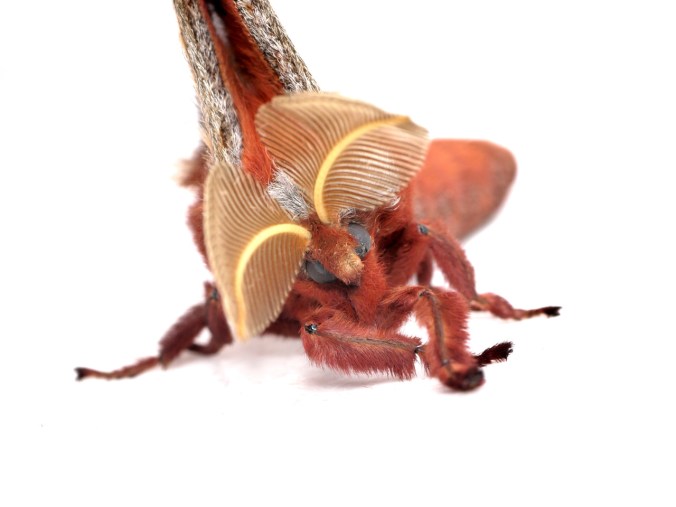
Antheraea polyphemus “Polyphemus Moth” Saturniidae (male)

Missoula, MT
June 11, 2014
Robert Niese

Surprisingly, I found this enormous moth (15 cm wingspan!) in a parking lot on my way into work on the University of Montana campus.

Platycryptus californicus Salticidae

Missoula, MT
June 5, 2014
Robert Niese

An extremely abundant, charismatic jumper commonly found on door frames and windowsills throughout the summer here in Missoula.

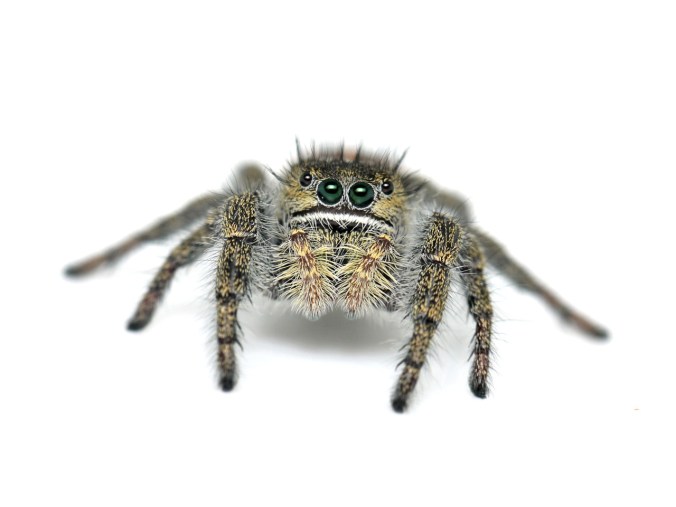
Phidippusclarus” Salticidae

Missoula, MT
September 17, 2014
Robert Niese

Phidippus jumpers are some of the largest jumping spiders in the world. Here in Montana, we have several red-backed species, all of which are about the size of a nickel. They are excellent house-guests and will rid your home of flies, roaches, and other mid-sized arthropods in a matter of days.

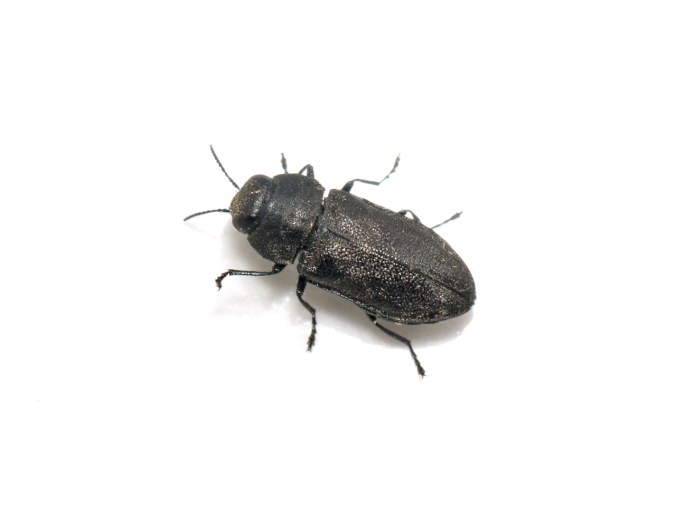
Anthaxia (Melanthaxia) Buprestidae

Glacier National Park, MT
June 23, 2014
Robert Niese

These tiny wood borers (9mm long) are found abundantly in flower heads throughout the summer here in Montana.

Anoplius sp. “Blue-black Spider Wasps” Pompilidae

Missoula, MT
June 29, 2014
Robert Niese

These lovely wasps are vicious spider hunters and have an absolutely gruesome life cycle. Instead of immediately killing their quarry, females paralyze the spider with a sting, and drag it down into a burrow. There, the female will lay eggs inside the spider, where her young will hatch and feed on the poor arachnid from the inside-out. Interestingly, spider wasps are nectivorous and lose their hunger for arachnid flesh at adulthood.

Phyllophaga sp. “May Beetle” Scarabaeidae

Missoula, MT
May 18, 2014
Robert Niese

There are more than 400 species of Phyllophaga in the United States and Canada. Their identification requires an intimate investigation of… ahem… reproductive morphology, which is not something I’m dying to do today.

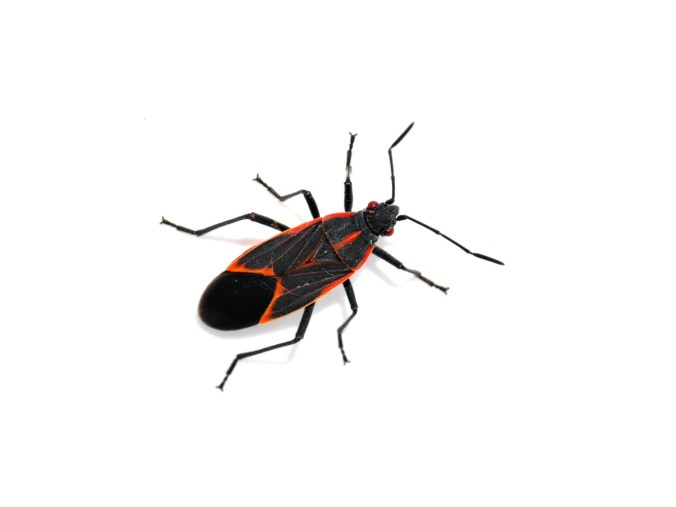
Boisea trivittata “Box Elder Bug” Rhopalidae

Missoula, MT
October 8, 2014
Robert Niese

Box Elder Bugs are Acer specialists, feeding exclusively on the samaras (seeds) of various maple species. Box Elder Bugs tend to create massive congregations in sunny spots to keep warm while feeding and are often considered a nuisance in such large numbers – especially when the days become colder and they seek refuge in my bedroom! But overall, they’re totally harmless.

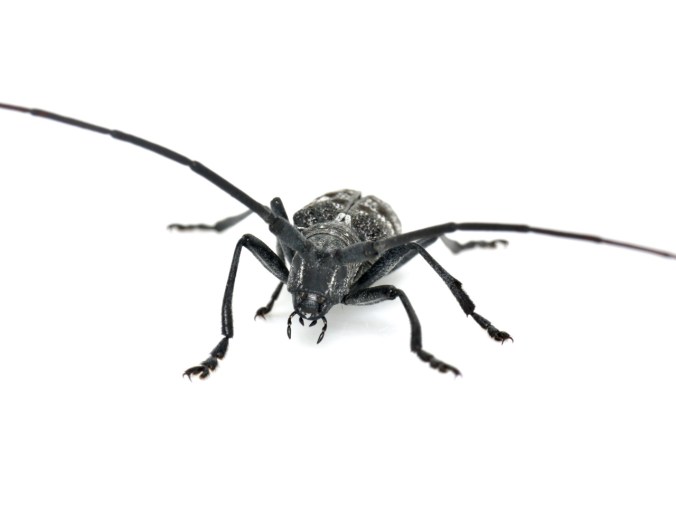
Monochamus clamator “Spotted Pine Sawyer” Cerambycidae (male)

Bonner, MT
July 20, 2014
Robert Niese

Monochamus males have some of the longest “horns” of any Cerambycids here in the northwest. These antennae are used to “smell” for females and are often more than twice their body length.