Agapeta zoegana “Sulphur Knapweed Moth” Tortricidae

August 14, 2014
Missoula, MT
Robert Niese

These diminutive moths (10mm in length) are obligate parasites of our invasive knapweed (Centaurea maculosa) and were introduced in 1984 as a potential biological control agent.

Happy National Moth Week!
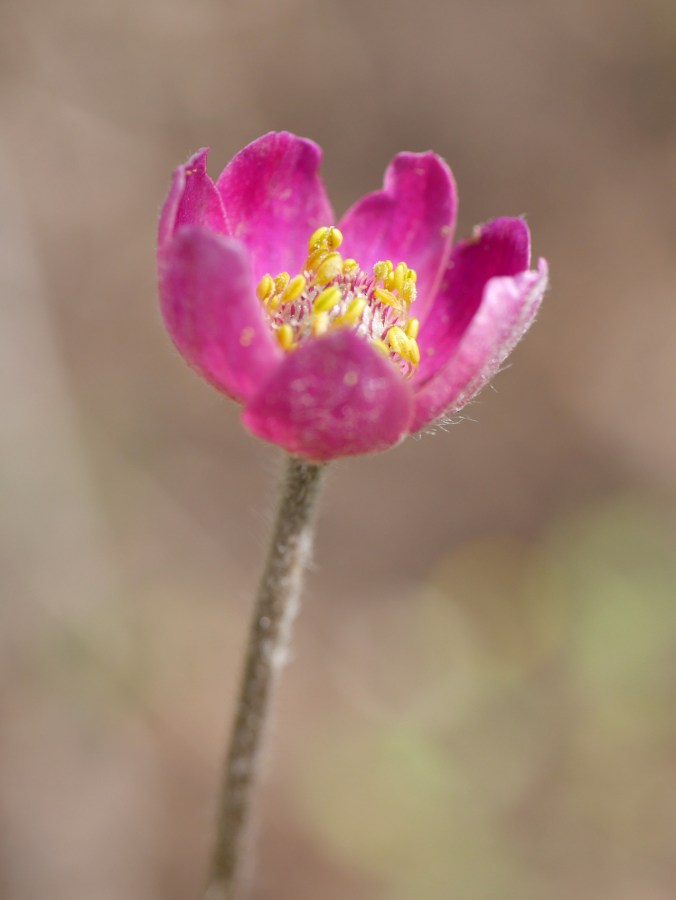
Anemone multifida var. multifida “Cut-leaf Anemone” Ranunculaceae

Drinking Horse Mountain, Bozeman, MT
June 3 2015
Robert Niese

This anemone is found sporadically throughout the northwest – from the Olympic Peninsula and coastal BC to the Cascades and various eastern mountain ranges – but it is uncommon throughout its range and varies drastically from population to population. Its subspecies designations are thought by many to be inaccurate and based on traits that simply vary with environmental conditions, even within populations.

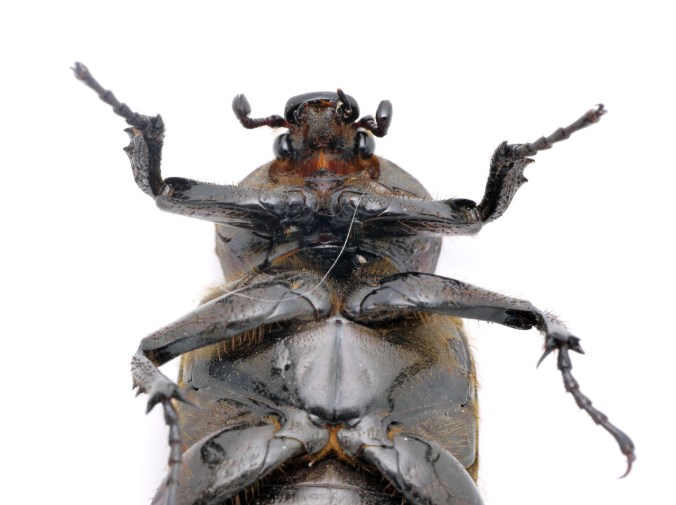
Dichelonyx valida “May Beetle” Scarabaeidae

Lolo National Forest, Bitterroot Mountains, MT
April 19, 2015
Robert Niese

These charismatic, iridescent Scarab beetles are relatively common throughout the Pacific Northwest in the spring. The adults forage on the leaves of many species of conifers and deciduous trees. While the taxonomy for these species is still quite a mess, our region has two distinct species groups. Members of the D. valida group have a large ridge down the center of their pronotum while members of the D. backi group lack a ridge.

Mitella (Ozomelis) stauropetala “Smallflower Miterwort” Saxifragaceae

Lolo National Forest, Bitterroot Mountains, MT
May 10, 2015
Robert Niese

Chiefly found east of the Cascades, the Smallflower Miterwort is a common resident of moist, dense forests of the Pacific Northwest. Up to 35 flowers grow on leafless stems from a rosette of palmately lobed leaves.

Osmoderma subplanata “Leather Beetle” Scarabaeidae

Missoula, MT
July 30, 2014
Robert Niese

These large (3 cm), circumboreal beetles get their name from the leathery odors they emit from their exoskeleton (Osmo- means smelly, -derma means skin). Adults spend most of their lives feeding on the decaying centers of fallen logs.

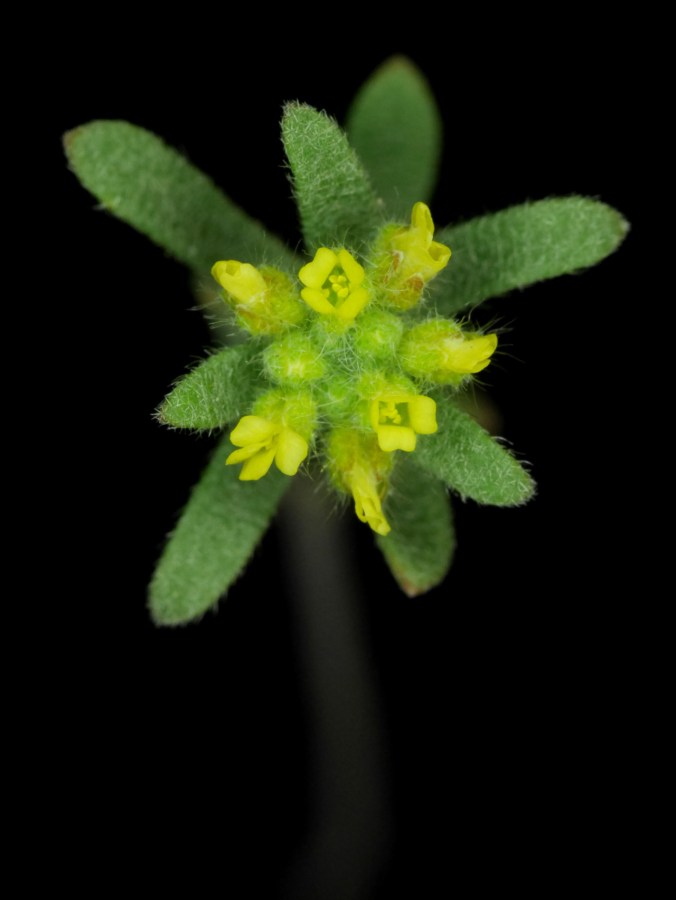
Alyssum desertorum “Desert Madwort” Brassicaceae

Missoula, MT
April 23, 2015
Robert Niese

Desert Madwort is a common weed east of the Cascades. Although it is an invasive plant (native to Eurasia), the madwort has been incorporated into the diets of many important PNW species. For example, Pronghorn Antelope consume large quantities of madwort in the winter when other food is scarce. And harvester ants have been known to collect copious quantities of madwort seeds in the fall, and will sometimes collect every single seed that was dropped in a given season.

Phlox gracilis (Microsteris gracilis) “Midget Phlox” Polemoniaceae

Missoula, MT
April 23, 2015
Robert Niese

This diminutive flower is an abundant resident of grassy prairies, roadsides, and open forests throughout the Pacific Northwest. Its weedy nature and minuscule, 2-5mm broad flowers make it easy to overlook, but, upon closer inspection, it is a positively adorable native plant. In some locations, the tiny petals have deep lobes and fuchsia markings. Some hillsides here in Missoula have this pale lavender variety as well as a single-flowered, hot pink form.

somuchscience:

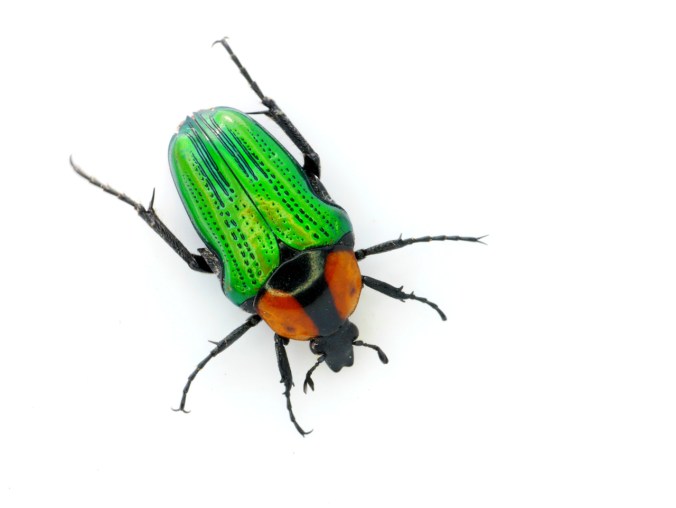
Leucocelis sp. “Flower Chafer” (Cetoniinae) Scarabeidae

Serengeti National Park, Tanzania
January 17, 2015
Robert Niese

This adorable little flower chafer is a relative of the famously massive Goliath Beetle.

Update! This appears to be a flower chafer in the genus Leucocelis. Likely Leucocelis niansana. Thanks for the ID help!

This is definitely not the Pacific Northwest, but in case you’d like more natural history photos and articles, check out my work over at SoMuchScience!

Balsamorhiza sagittata “Arrowleaf Balsamroot” Asteraceae

Blackfoot River Recreation Corridor (BLM), MT
April 23, 2015
Robert Niese

Balsamroot is one of the most characteristic plants of eastern PNW habitats. While the coastal Northwest’s lush rainforests are truly a sight to behold, nothing is quite as striking as springtime hillsides covered with Balsamroot and Lupine while dramatic, snow-capped peaks loom in the background. Fun fact: Arrowleaf Balsamroot was first collected by Meriwether Lewis (of the Lewis and Clark Expedition) when he was exploring the northern Rockies in 1806.

Erythronium grandiflorum “Glacier Lily” Liliaceae

Blackfoot River Recreation Corridor (BLM), MT
April 23, 2015
Robert Niese

The Glacier Lily is endemic to western North America and is a close relative of E. montanum, another common montane fawn lily. Unlike E. montanum, the yellow Glacier Lily is not as particular about its habitat and is regularly found in the understory of nearly all our Ponderosa Pine forests in the springtime.