Trimerotropis fontana “Fontana Band-winged Grasshopper” Acrididae

Missoula, MT
September 3, 2013
Robert Niese

The hills around Missoula are absolutely flush with grasshoppers in the late summer. On our collecting trip this particular September, we caught nine or ten different species in an hour! Trimerotropis is North America’s most speciose genus of Band-winged Grasshoppers and we regularly catch three species in our area. For ID information regarding this highly abundant genus, check out David Ferguson’s descriptions in BugGuide.
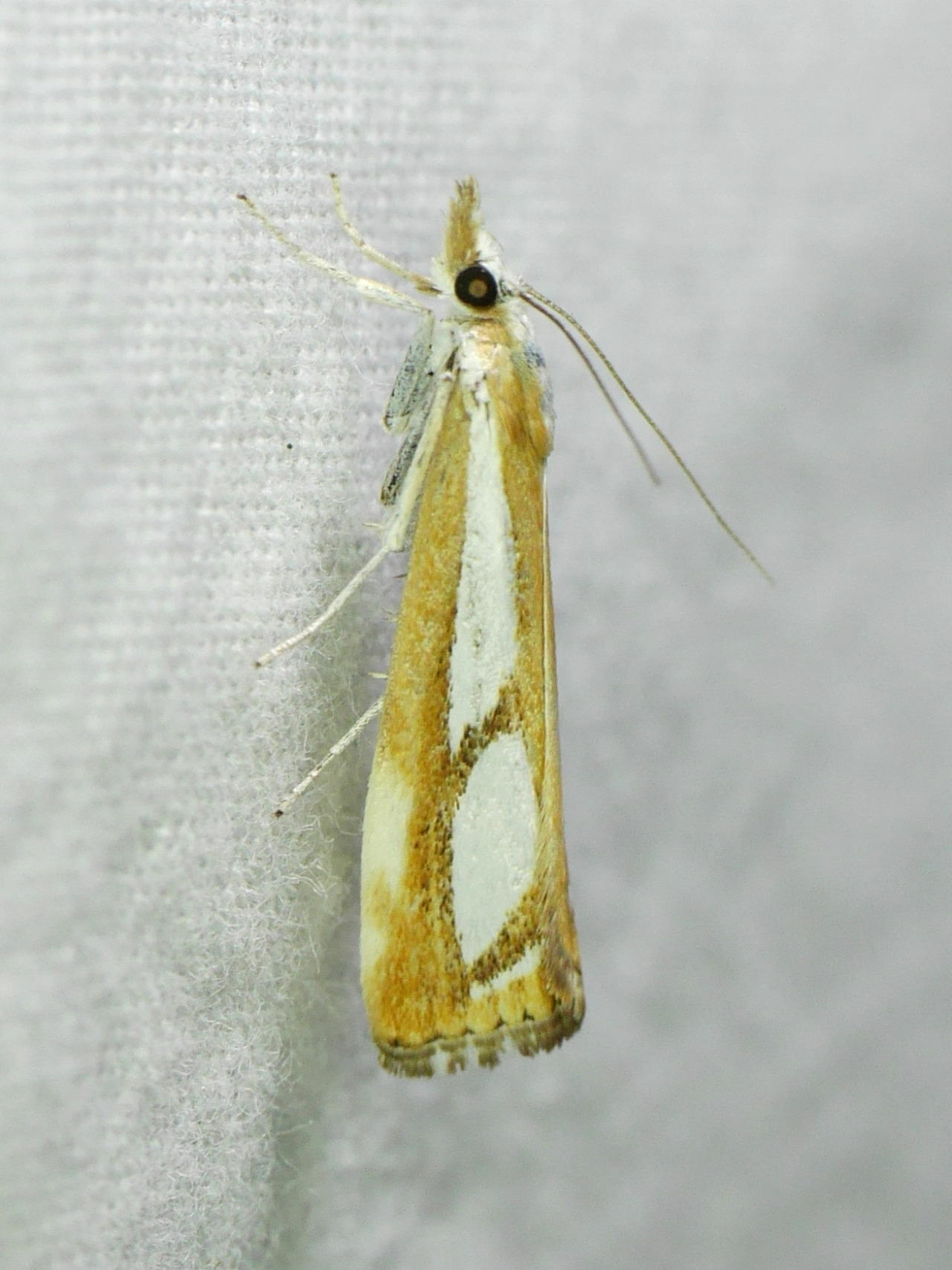
Catoptria latiradiella “Two-banded Catoptria” Crambidae

Clinton, MT
July 25, 2015
Robert Niese

This small species of Crambid moth is restricted to boreal and montane forests in North America. Its larvae are believe to feed exclusively on mosses. As adults, these moths are active both in the day and at night and are regularly seen at lights in July and August.

Phaneta infimbriana “Silver-spotted Wormwood Moth” Tortricidae

Clinton, MT
July 25, 2015
Robert Niese

These dainty Tortricids are found throughout the Northwest between July and August. As larvae they feed primarily on plants in the family Asteraceae, particularly members of the genus Artemisia, which includes sagebrush, tarragon, and wormwoods. According to the Tortricidae foodplant database, the larvae of this species have only ever been recorded on Artemisia ludoviciana which is a very common weedy species in all our open, semi-dry habitats here in the PNW.

P1240396

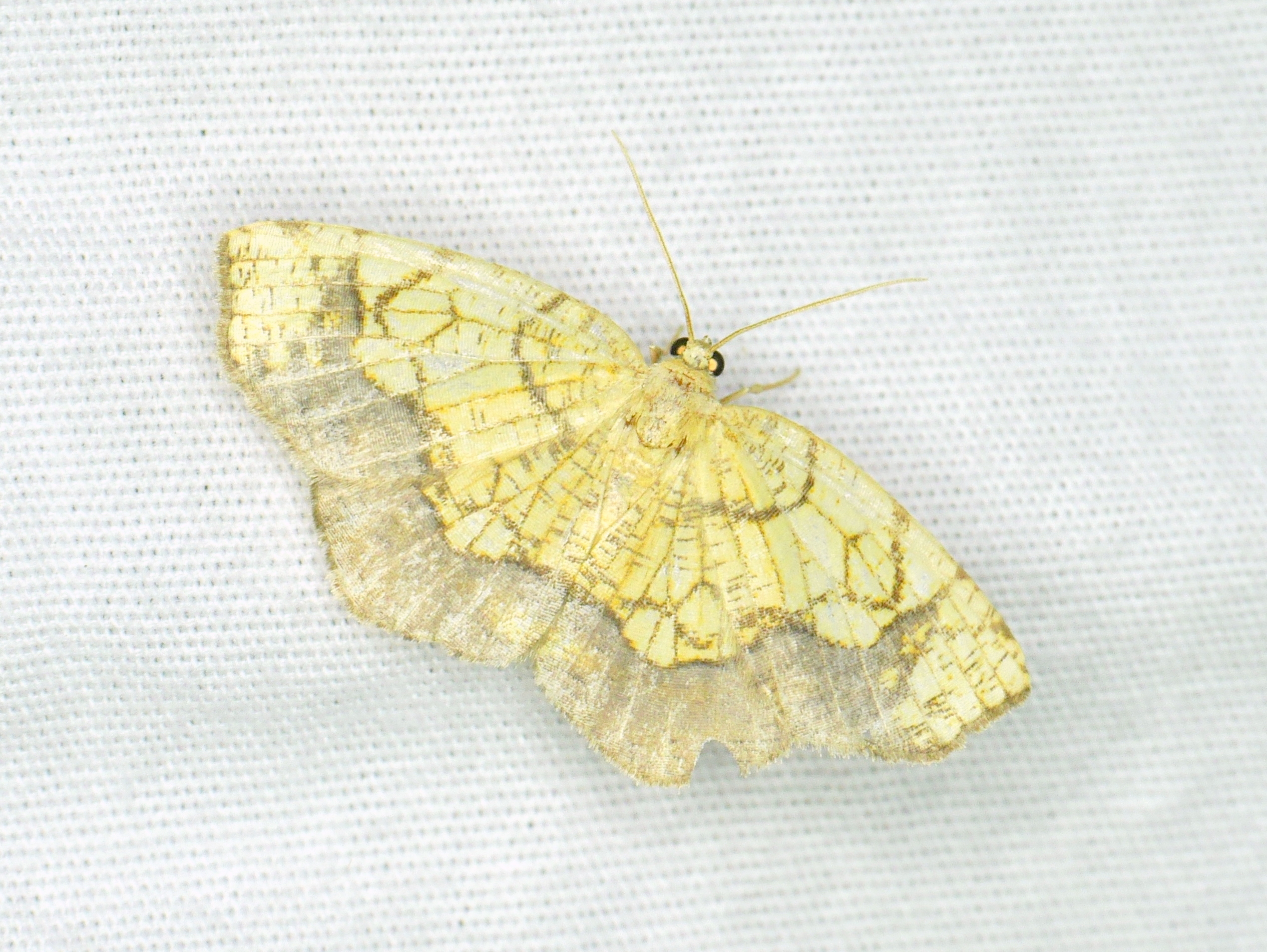
Nematocampa resistaria “Horned Spanworm Moth” Geometridae, male

Clinton, MT
July 25, 2015
Robert Niese

This species of inch-worm moth is found throughout the US, except the southwest, and exhibits striking variation in morphology across its range. Males and females are also quite dimorphic. Males tend to be yellower and have dark patches at the base of their forewings while females almost always have a white ground color. Perhaps the most intriguing aspect of the morphology of this species are the horns of their caterpillars. Look for these crazy caterpillars in mixed hardwood/conifer forests in the early summer here in the PNW.

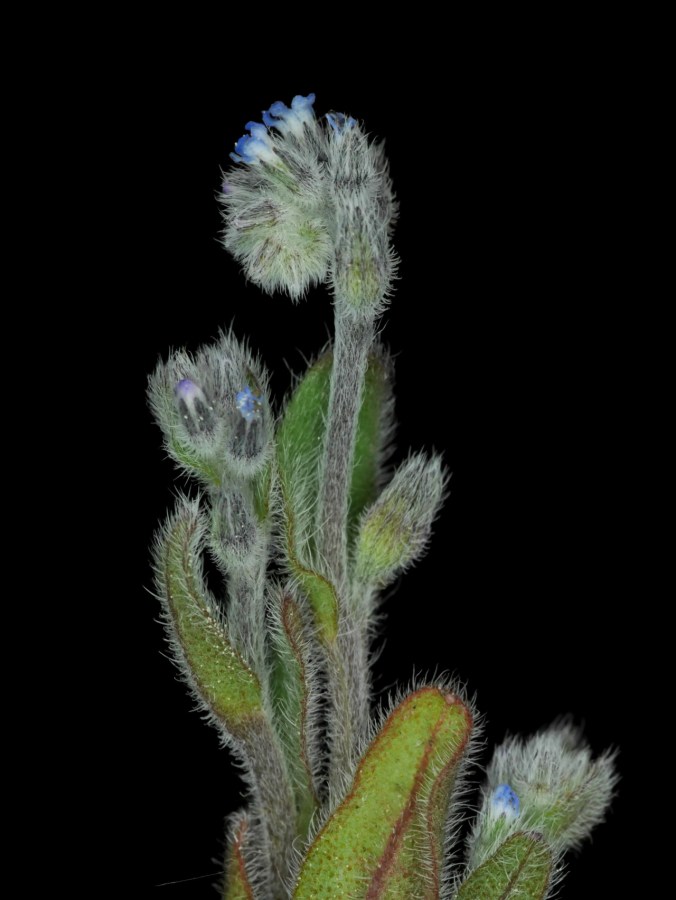
Myosotis stricta (micrantha) “Strict Forget-me-not” Boraginaceae

Missoula, MT
April 23, 2015
Robert Niese

There are several species of Myosotis in our region – four of which have flowers that are less than 5mm in diameter! Of these small-flowered species, M. verna tends to have white flowers, M. laxa has sepal hairs that are not hooked at the tip, and M. discolor produces flowers that are yellow at first, but turn purple with age. M. discolor and M. stricta tend to be our most common tiny, weedy, roadside inhabitants here in the PNW. The flowers on this particular specimen were only 2mm across!

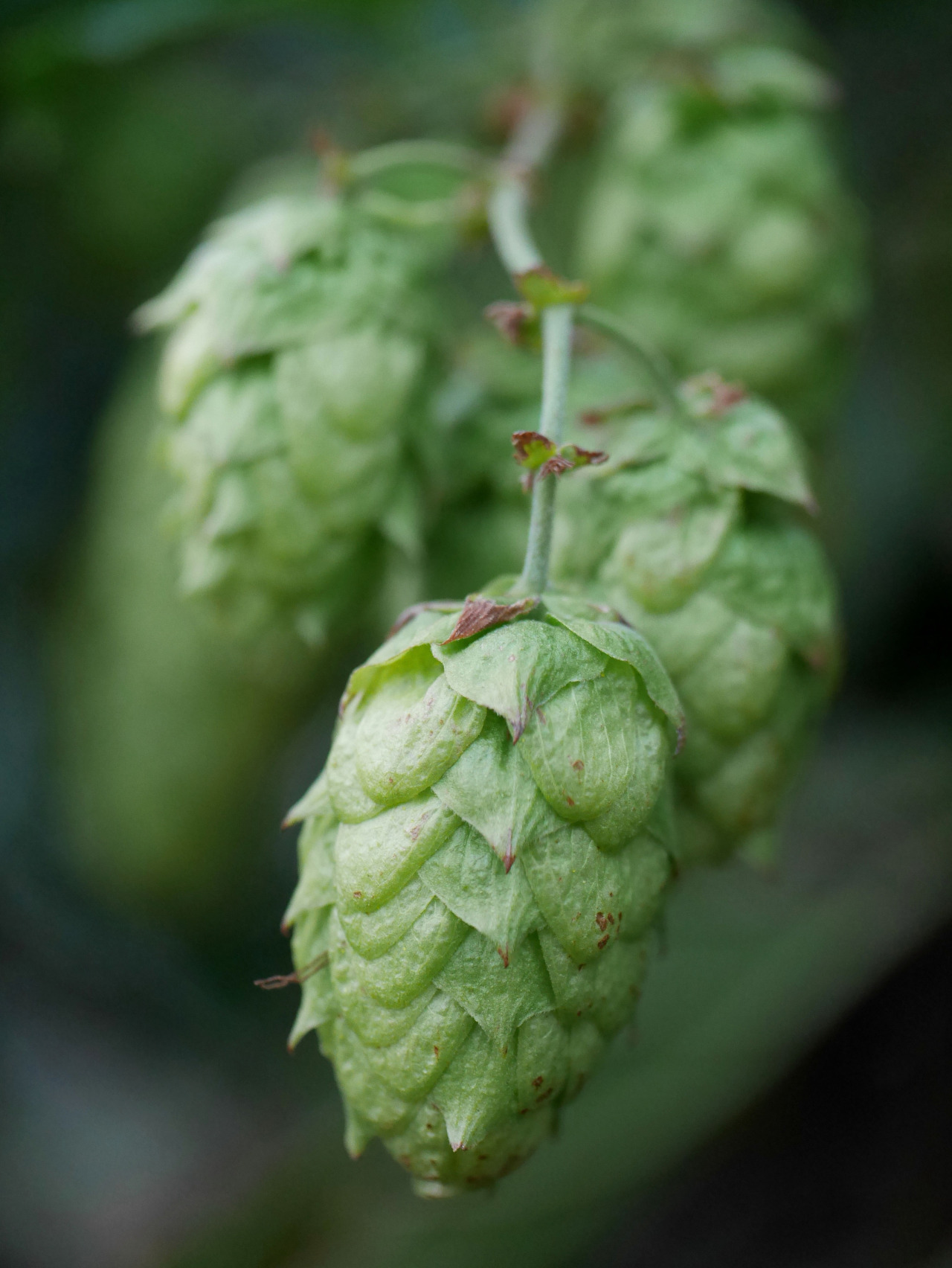
Humulus lupulus “Common Hop” Cannabaceae

Missoula, MT
September 12, 2015
Robert Niese

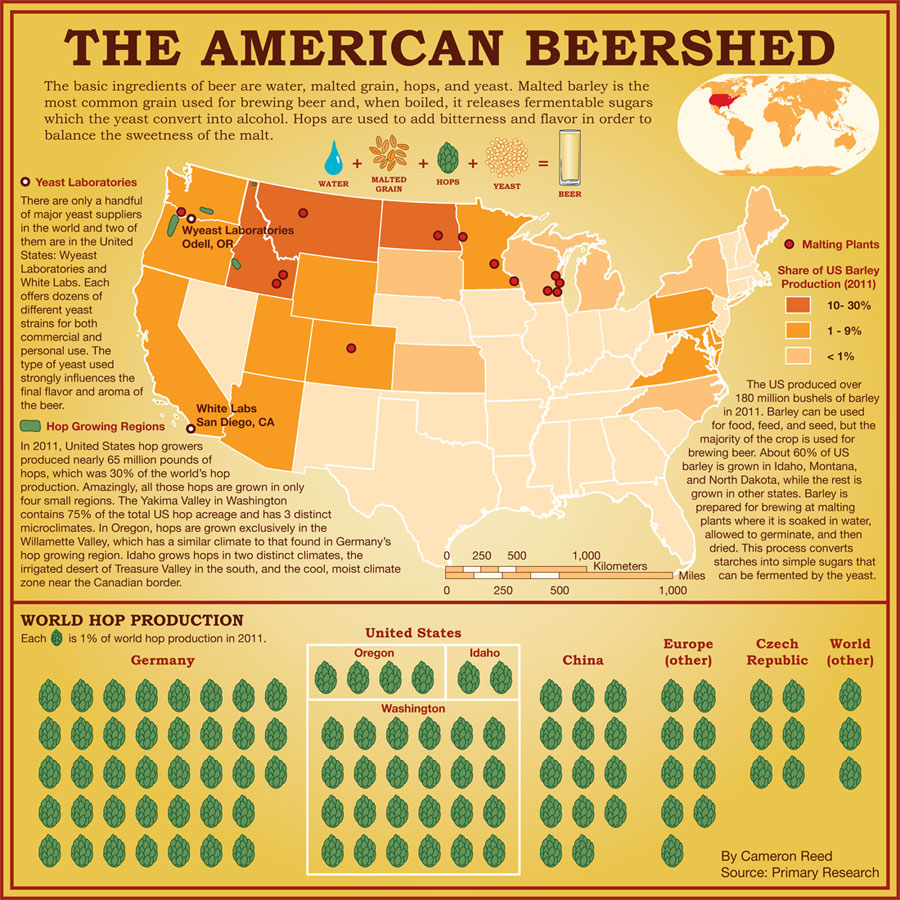
The Common Hop grows particularly well in the PNW and Washington state alone produces nearly a quarter of the world’s hops. Humulus is a member of a rather odd family of flowering plants, the Cannabaceae, which tend to have drab flowers (often unisexual) that lack petals and rely on wind for pollination. In the Common Hop specifically, the structure that is utilized for beer production (the hop) is actually a modified inflorescence of female flowers hiding beneath leaf-like scales called bracts. Beneath each of those bracts, the female flowers produce a the diversity of compounds which, through selective breeding efforts across the centuries, impart bitterness and complex aromas to the beer.

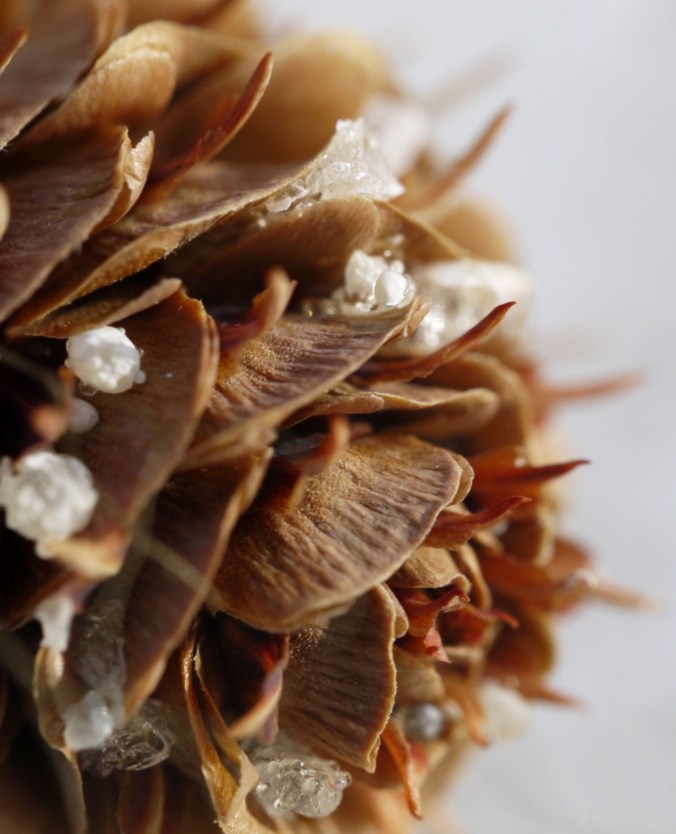
Larix occidentalis “Western Larch” Pinaceae

Seeley Lake, MT
September 13, 2014
Robert Niese


Larch cones are simply beautiful. Two small, winged seeds hide beneath each scale, waiting to be dispersed on the wind as they fall to the ground when the cone matures. Each scale also bears a single long, pointed bract, giving the cone a delicate, yet spiky appearance. This particular cone also bears many resin crystals which may have been produced by damage from seed predators such as Red Crossbills. If you ever have the opportunity to visit the Seeley Lake region in the late summer or early fall, you would not be disappointed. These deciduous conifers transform into golden spires that light-up our mountainsides in a spectacular patchwork of fiery pillars scattered among rich, evergreen firs and pines. It is unlike any fall scenery anywhere else in the world.

Cyphocleonus achates “Knapweed Root Weevil” Curculionidae

Missoula, MT
August 13, 2015
Robert Niese

These weevils are native to Europe, but were introduced in the 1980s as a potential biological control agent for various species of knapweed. Various studies have shown that they are actually quite good at reducing the biomass of Spotted Knapweed, and have been successful in various locations in Montana, Minnesota, Oregon, Nevada, British Columbia, and recently, Michigan.

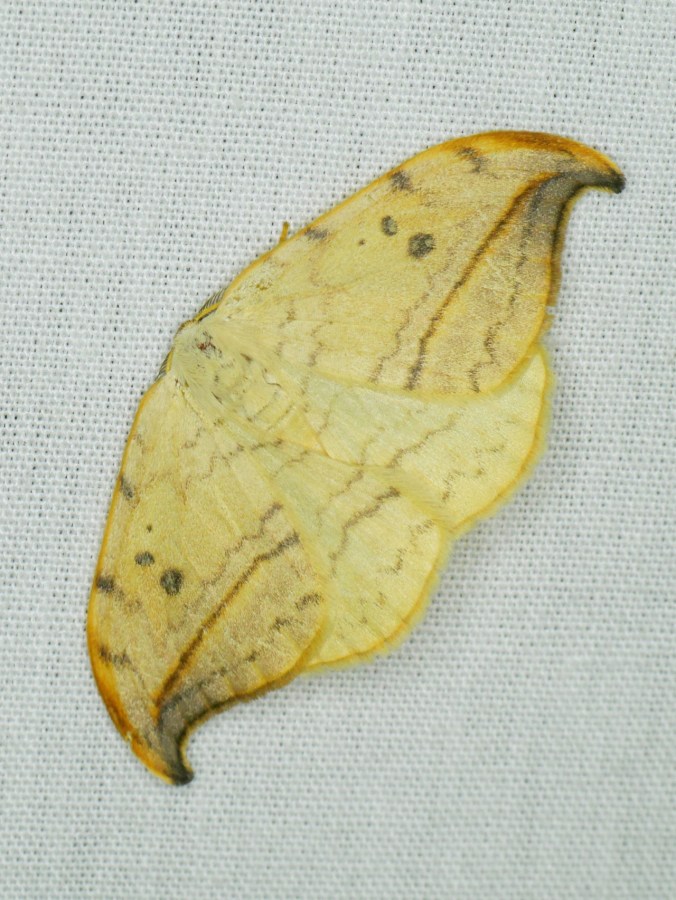
Drepana arcuata “Arched Hooktip Moth” Drepanidae

Clinton, MT
July 25, 2015
Robert Niese


Here’s another moth we spotted during our Mothlighting event for

National Moth Week with the Missoula Butterfly House. These moths are positively unmistakable! In our area there are no other moths that pull-off the “I’m a dead leaf” look quite as well as the Hooktips. The PNW is home to two species of Hooktip moths – D. arcuata and D. bilineata (which, as its name suggests, has two lines instead of one). As larva, Hooktip moths feed on the leaves of Alder and Birch trees where they hide inside folded leaves.

Apache degeeri “Derbid planthopper” Derbidae

Clinton, MT
July 25, 2015
Robert Niese

This little creature looks like something from another planet! Derbid planthoppers are one of entomology’s lesser studied groups of organisms. This particular genus has two members, A. degeeri and A. californicum, and is only found in North America (unlike most planthoppers which tend to be more highly represented in the tropics). This species occurs throughout North America, but tends to be more abundant in the east, while A. californicum is endemic to California. The larvae of these bugs are believed to feed off the hyphae (like roots) of fungi, while adults feed on the sap of trees like Beach, Oak, Maple, and Hickory.