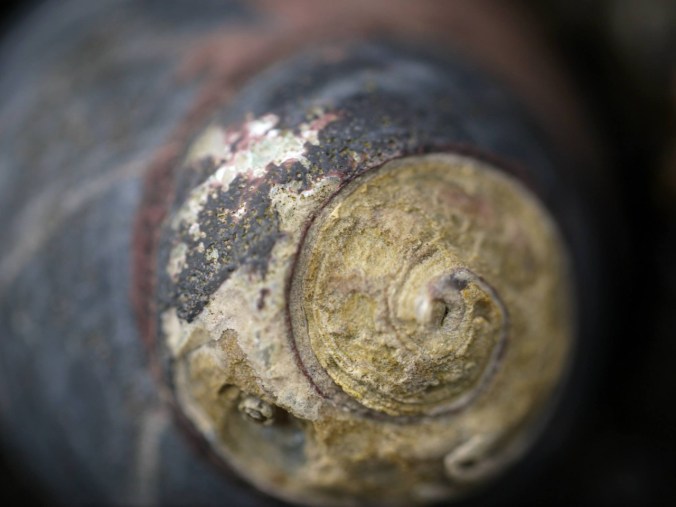
Tegula funebralis “Black Turban” Gastropoda
Olympic National Park, WA
June 1, 2013
Robert Niese
One of the most abundant molluscs on the open coast, and apparently one of the tastiest.
Tegula funebralis “Black Turban” Gastropoda
Olympic National Park, WA
June 1, 2013
Robert Niese
One of the most abundant molluscs on the open coast, and apparently one of the tastiest.
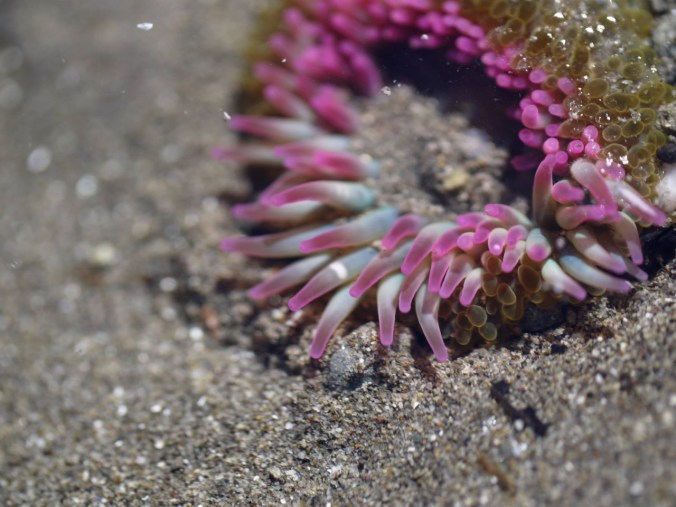
Anthopleura elegantissima “Aggregating Anemone” Anthozoa
Olympic National Park, WA
June 1, 2013
Robert Niese
A very common intertidal resident here in the Puget Sound and on the open coast. If it’s big and green, it’s Anthopleura xanthogrammica. If it’s white and has very fine tentacles (usually subtidal, not intertidal) then it’s Metridium. Now you can identify 90% of the anemones you find in your backyard!
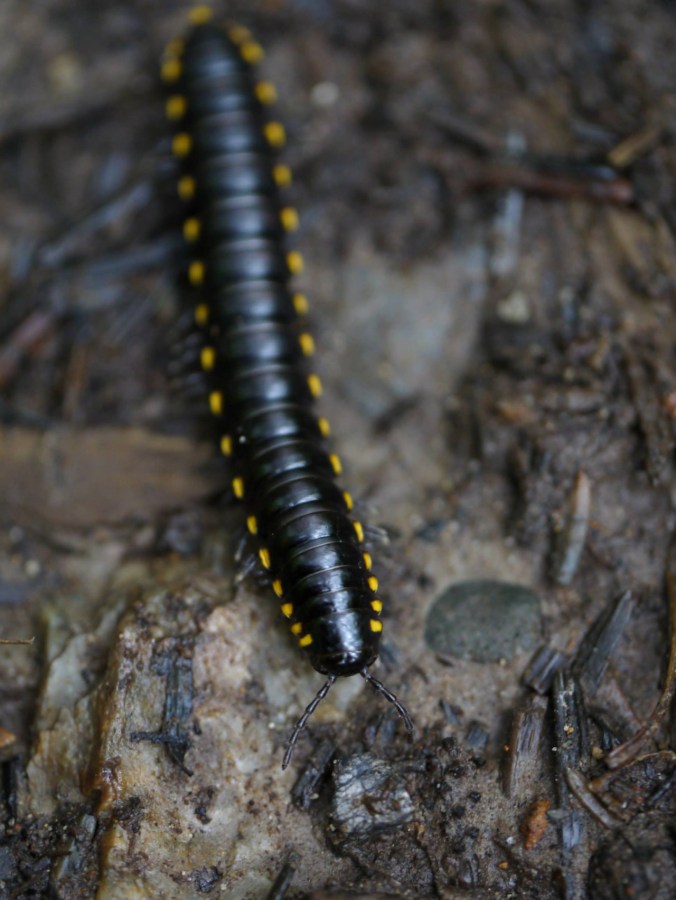
Harpaphe haydeniana “Yellow-spotted Millipede” Diplopoda
Olympic National Park, WA
June 4, 2013
Robert Niese
This adorable PNW millipede is a common denizen of nearly all moist coniferous forests from Alaska to California. It is also known as the “Almond-scented Millipede” due to the odors it produces when disturbed (hydrogen cyanide smells like almonds, apparently). But don’t worry, these little guys cant hurt you (just don’t eat it!). In fact, they are an exceptional critter to handle and explore with your young naturalists-in-training.
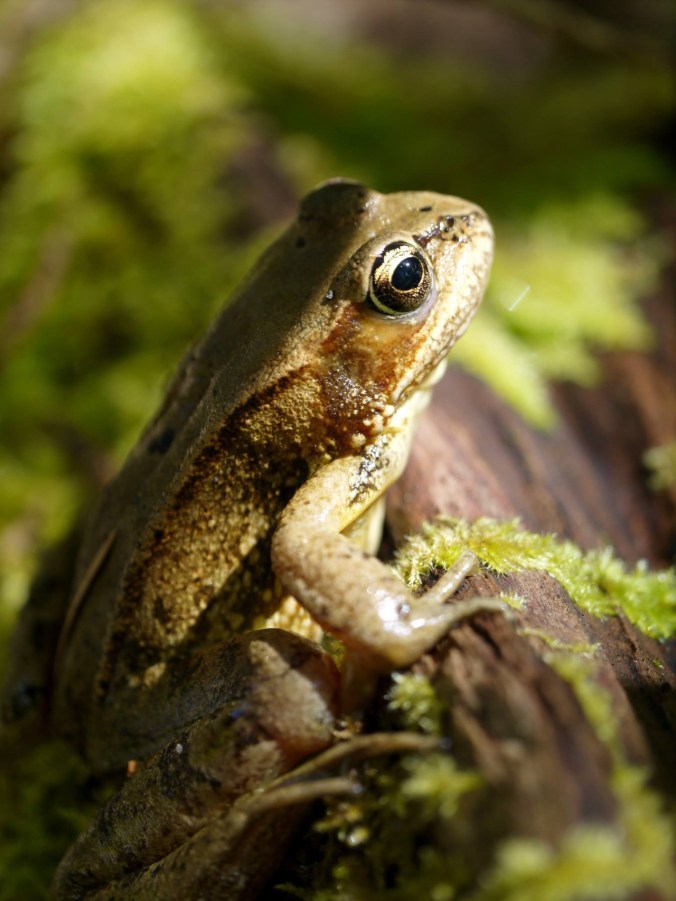
Rana cascadae “Cascades Frog” Ranidae
Olympic National Park, WA
June 7, 2013
Robert Niese
These frogs are endemic to the Cascade and Olympic Mountains where they require predator-free water sources to breed. The introduction of trout for recreational fishing has devastated many populations of these frogs here in the PNW.
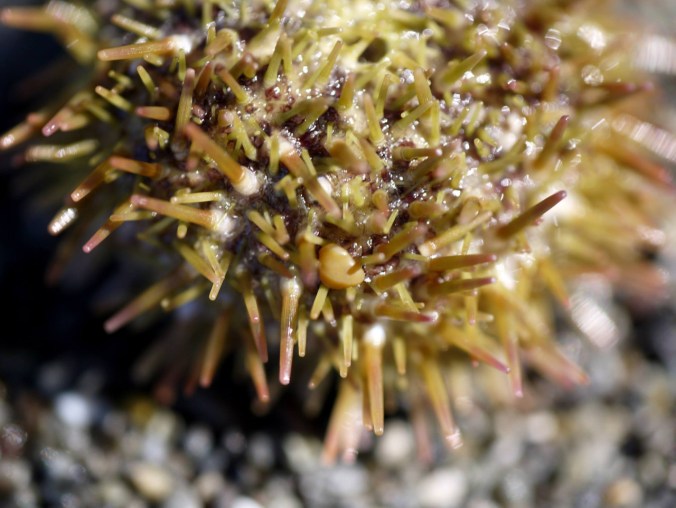
Strongylocentrotus droebachiensis “Green Urchin” Echinoidea
Olympic National Park, WA
June 2, 2013
Robert Niese
Strongylocentrotus droebachiensis has one of the longest binomial Latin names of any organism in the world. It is also one of the most abundant and widely distributed urchins on Earth. Here in Washington, S. droebachiensis is at the southernmost extent of its range.

Pentidotea (Idotea) wosnesenskii “Kelp Isopod” Isopoda
Olympic National Park, WA
June 1, 2013
Robert Niese
This is an abundant intertidal crustacean that feasts on algae growing among mussel and barnacle beds throughout northern Pacific rocky coastlines. They range in color from purple to red to brown to green, depending on their current algae diet.
 Northwest Naturalist