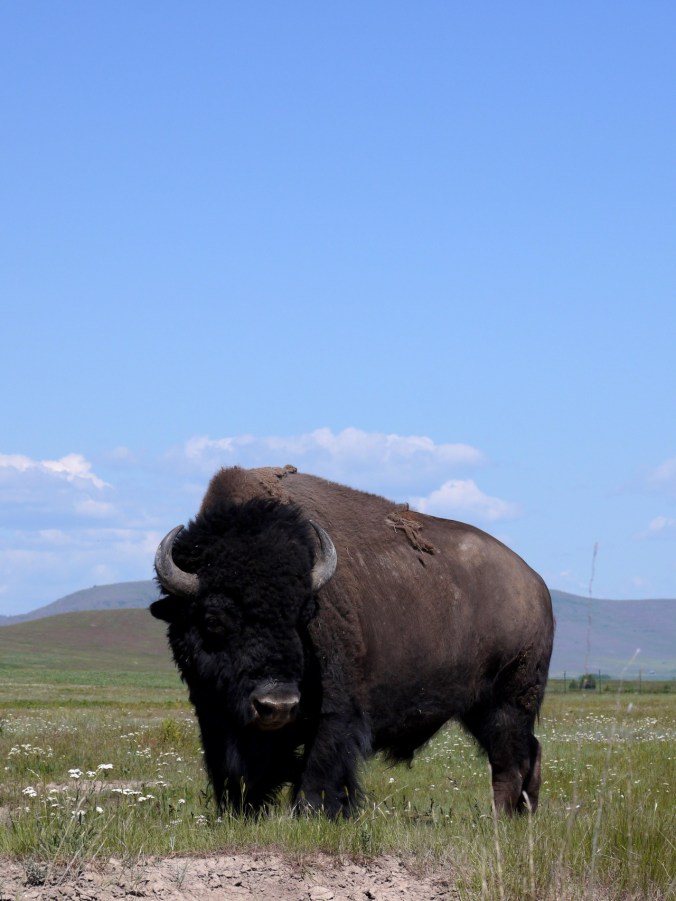
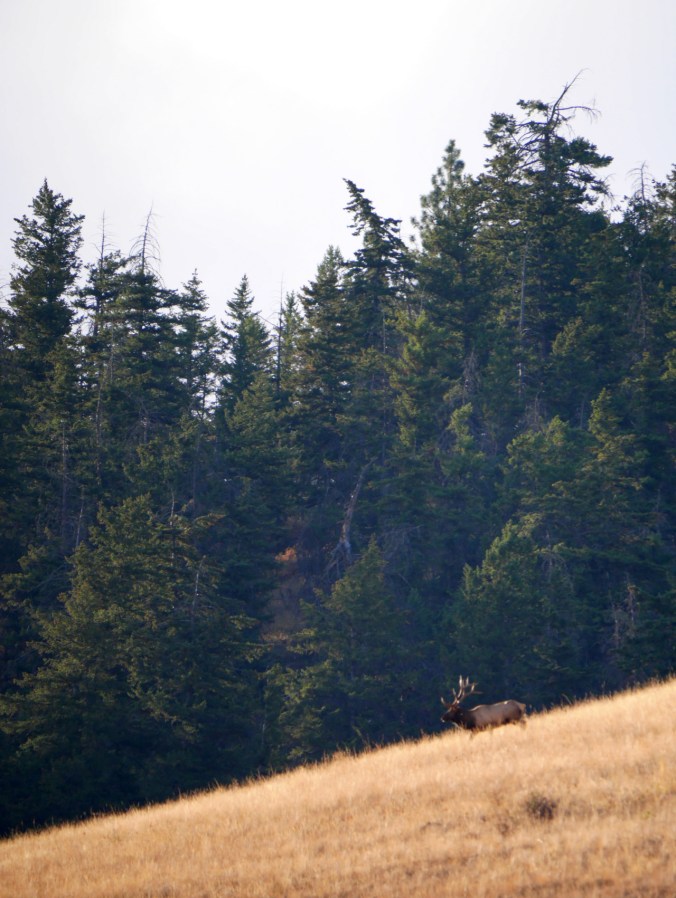
Cervus elaphus “Wapiti” Cervidae, male

National Bison Range, MT
October 5, 2014
Robert Niese

Fall is the best time of year to see active male elk at the National Bison Range. We followed this big guy around for over an hour, watching him bugle all the while. 

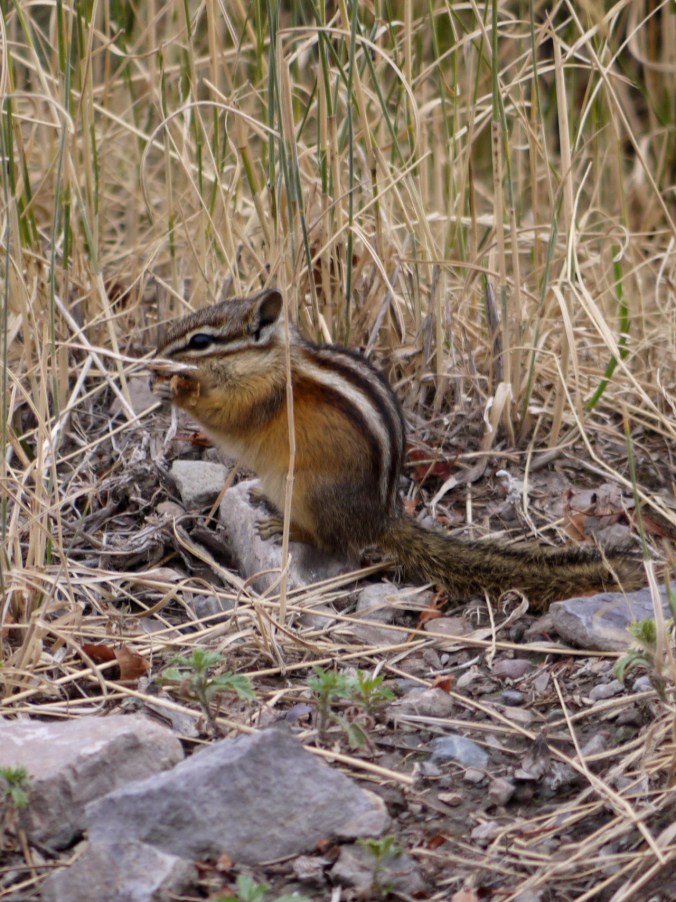
Tamias amoenus “Yellow-pine Chipmunk” Rodentia

National Bison Range, MT
September 21, 2013
Robert Niese

Chipmunks can be hard to identify from afar, so knowing what habitat types certain species prefer can really narrow-down your options. Here in western Montana, three species regularly co-occur (Red-tailed, Yellow-pine, and Least). Red-tailed Chipmunks tend to prefer moist coniferous forests like those in Glacier National Park, while Yellow-pine Chipmunks tend to prefer drier, Ponderosa/Doug-Fir forest edges. Least Chipmunks are found everywhere in between including alpine, sagebrush, coniferous forests, and meadows.
Caloplaca (biatorina?) "Orange Rock Firedot Lichen" 

National Bison Range, MT
June 8, 2014
Robert Niese

Caloplaca lichens are a relatively abundant, easily recognizable group of lichens here in the PNW. Most orange, crustose lichens growing on rocks in our area belong to this genus. Unfortunately, the genus is impossibly large and making species identifications may require a close analysis of spore morphology.

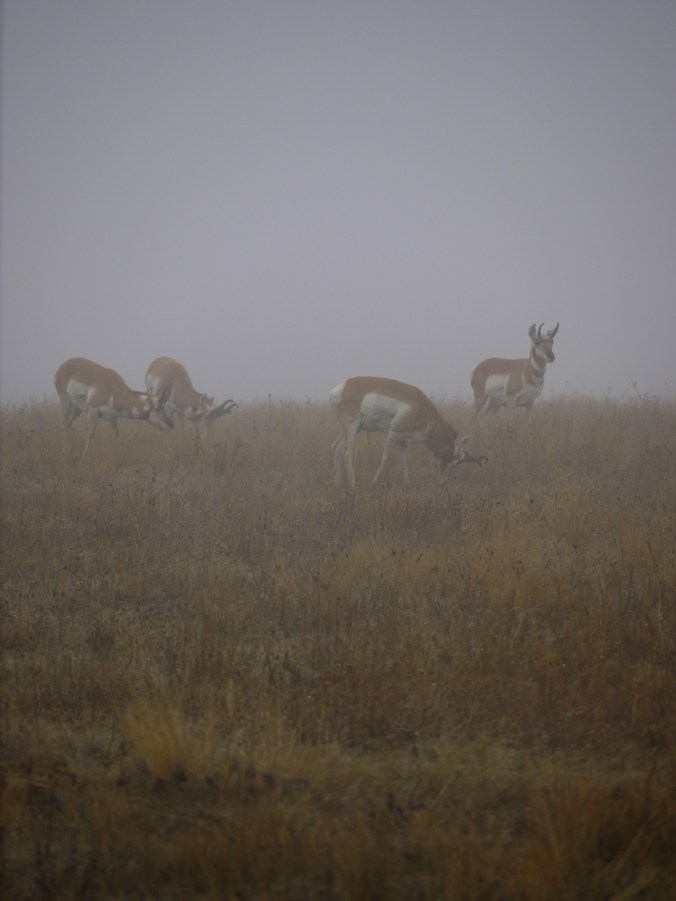
Antilocapra americana “Pronghorn Antelope” Antilocapridae (males)

National Bison Range, MT
October 26, 2013
Robert Niese

Pronghorn Antelope, like many other North American Ungulates, are polygynous. In other words, a single, dominant male claims a harem of females and battles with rival males to maintain control of the herd. The less fortunate, subservient males tend to form “bachelor herds” in which they practice sparring with one another until they are experienced and old enough to challenge the dominant male. Also, the Pronghorn Antelope family is one of only two North American mammal families that are endemic to the continent.