tumblr_o5c1znzxwf1tmun60o1_1280

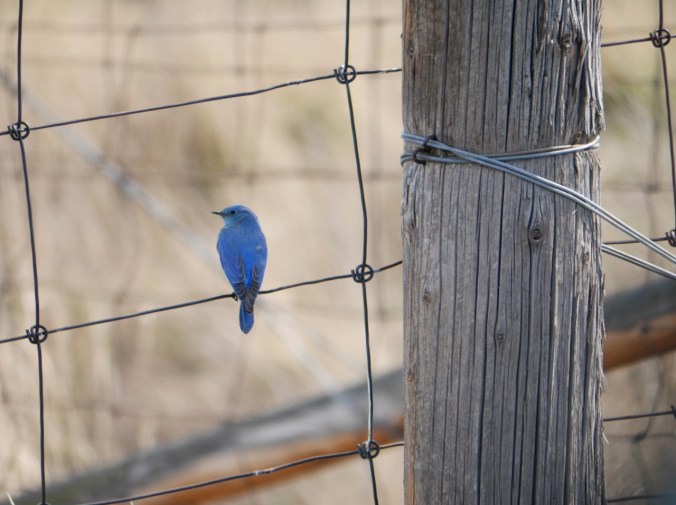
Mountain Bluebird (Sialia currucoides) Turdidae

National Bison Range, MT
April 2, 2016
Robert Niese

Most birds that posses such striking blue plumage typically get these gorgeous colors from tiny air pockets inside the feathers that scatter light in a way that makes them appear blue. Learn more.

tumblr_o1qvo31tdl1tmun60o1_1280

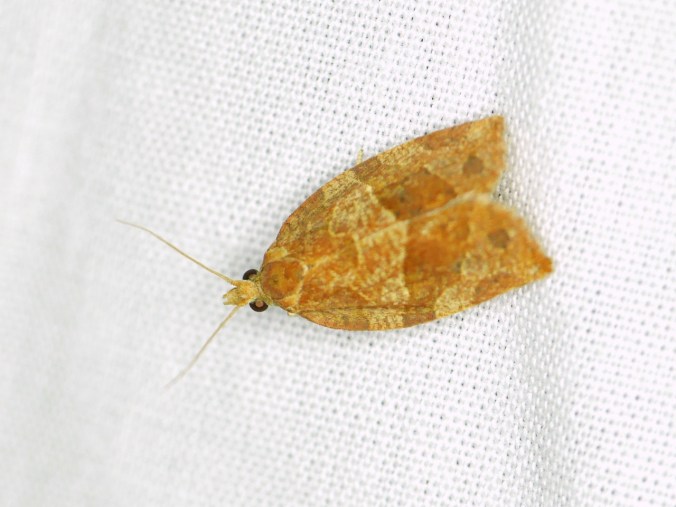
Pandemis pyrusana “Pandemis Leafroller Moth” Tortricidae

Clinton, MT
July 25, 2015
Robert Niese

Pandemis leafrollers are common in the west and are considered a pest on commercial apple, cherry, plum, and pear trees. As larvae, they roll up the sides of leaves into a tube along the mid-vein creating a shelter from predators. Larvae born early in the summer will pupate inside these shelters, but late summer larvae overwinter under bark before emerging to feed on fresh buds in the early spring. In addition to feeding on commercial fruit trees, this species is also known to chow down on alder (Alnus), willow (Salix), birch (Betula), dogwood (Cornus), aspen (Populus tremuloides), currants (Ribes), roses (Rosa), and honeysuckle (Lonicera), all of which are very common here in western Montana.
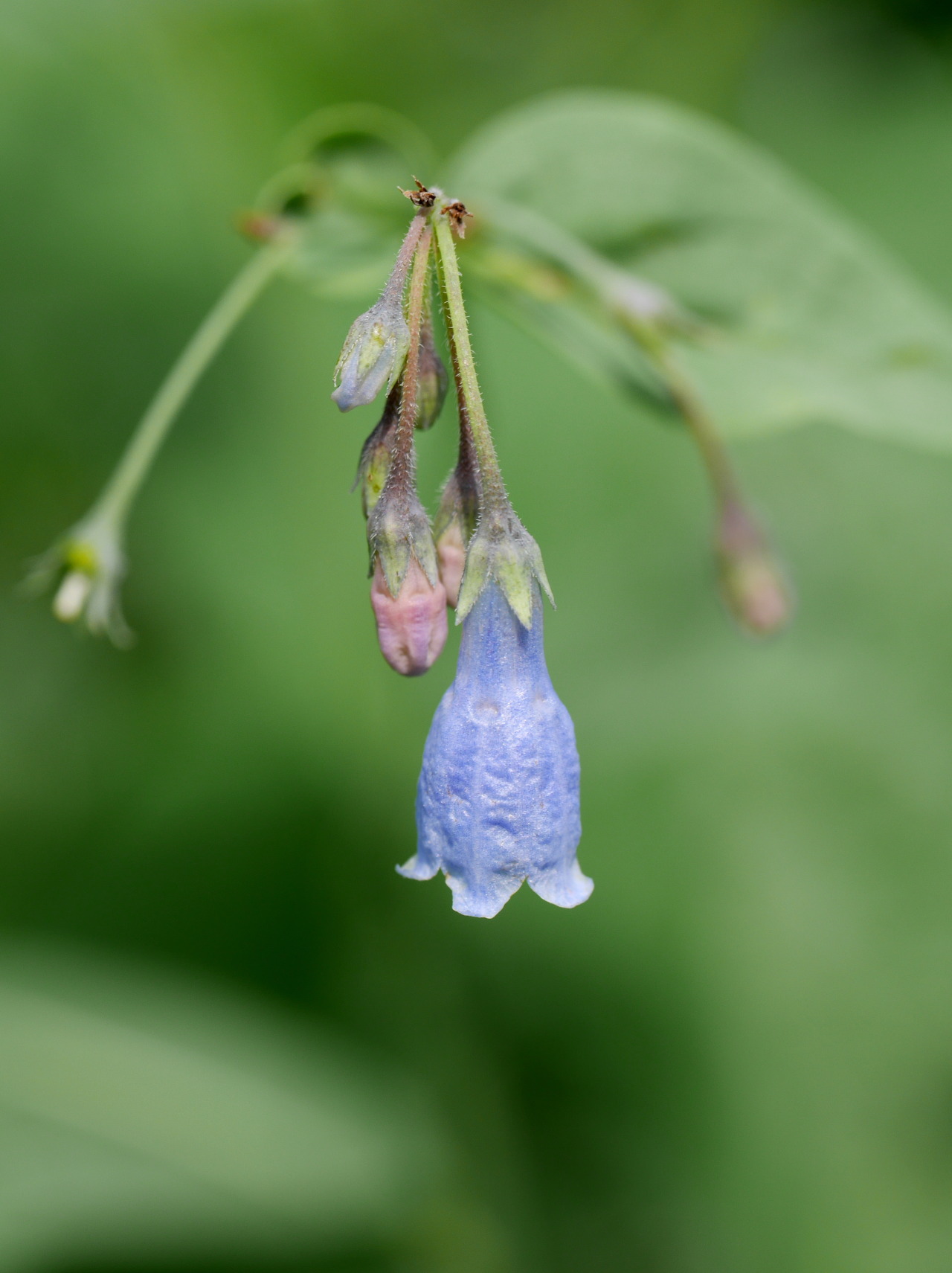
Mertensia paniculata “Tall Bluebells” Boraginaceae

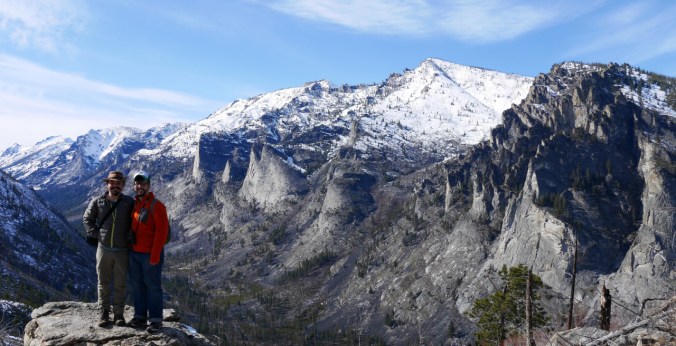
Great Burn, Lolo National Forest, MT
July 10, 2015
Robert Niese

These bluebells have distinctly bell-shaped corollas unlike many other species in our area. To be precise, their corolla “bells” are gently and roundly flared and are approximately 1.5 times longer than the “tube” section of the flower. They are also somewhat taller than other species in our area and are commonly found among other waist-high, meadow wildflowers.

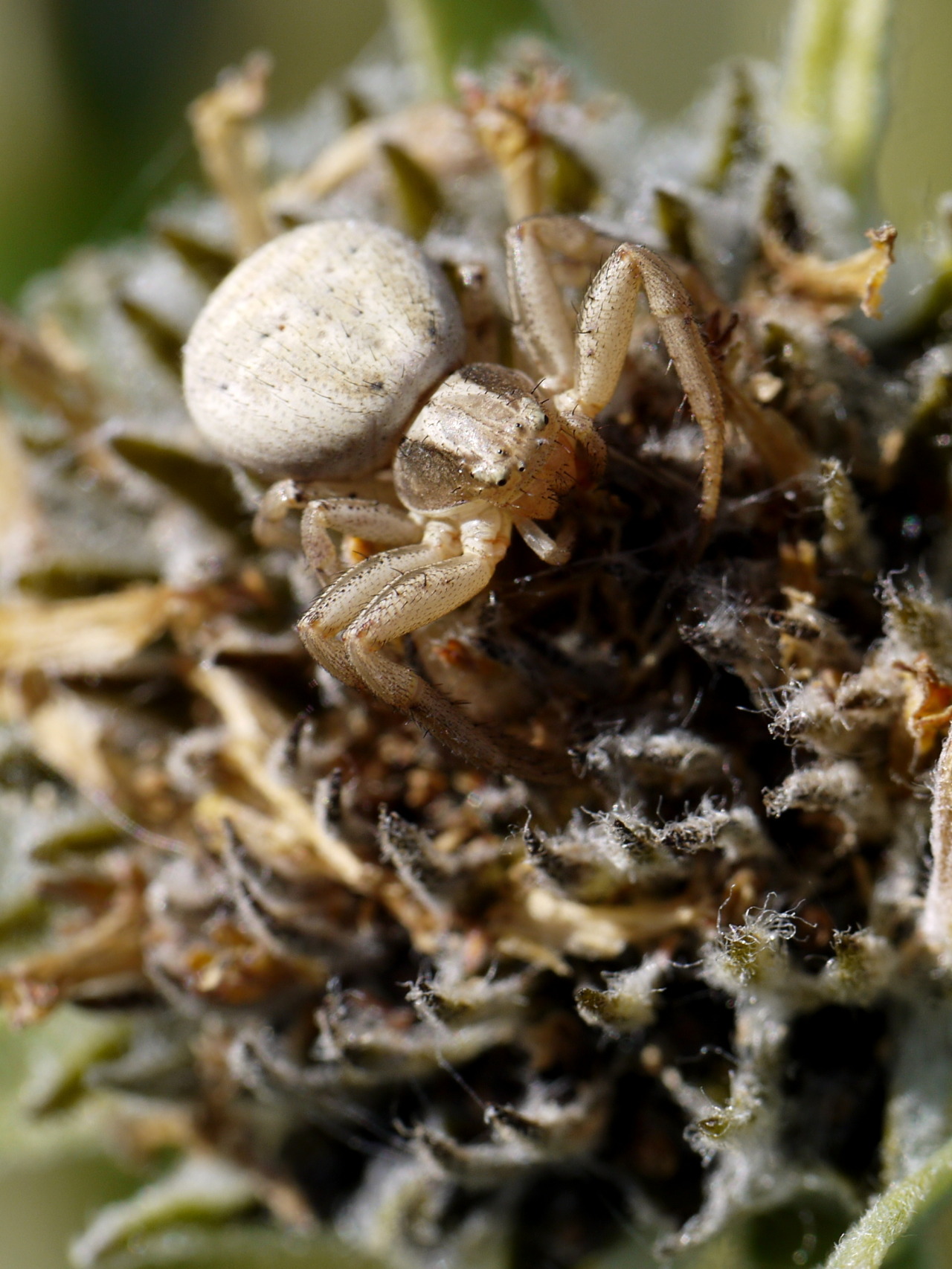
Xysticus sp. “Ground Crab Spider” Thomisidae

National Bison Range, MT
June 8, 2014
Robert Niese

This large, highly variable genus of crab spiders can be found across the US and Canada. Although they are classified as ground spiders (as opposed to the flower crab spiders), they are often found in and around flowers where they wait to ambush arthropod prey.

Trimerotropis fontana “Fontana Band-winged Grasshopper” Acrididae

Missoula, MT
September 3, 2013
Robert Niese

The hills around Missoula are absolutely flush with grasshoppers in the late summer. On our collecting trip this particular September, we caught nine or ten different species in an hour! Trimerotropis is North America’s most speciose genus of Band-winged Grasshoppers and we regularly catch three species in our area. For ID information regarding this highly abundant genus, check out David Ferguson’s descriptions in BugGuide.

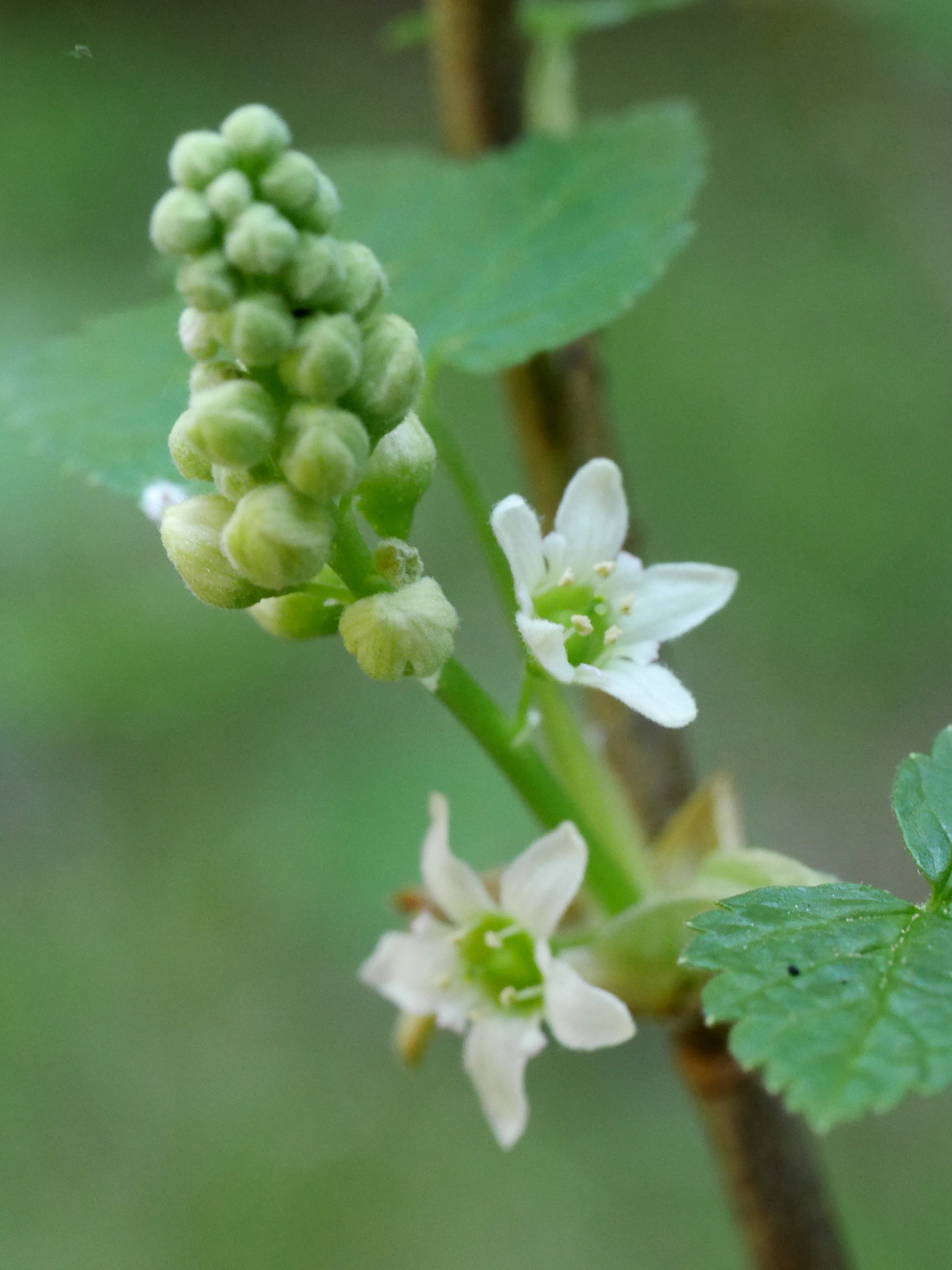
Ribes hudsonianum “Northern Black/Stinking Currant” Grossulariaceae

Lolo National Forest, Bitterroot Mountains, MT
May 10, 2015
Robert Niese

These currants are found throughout the temperate and boreal forests of North America from Alaska to Quebec south through the Rocky Mountain states. Here in the PNW, they tend to only be found east of the cascades in mid- to high-elevation dense wet forests and stream banks. Their berries, like so many of our Ribes in Montana, are relatively unpalatable.

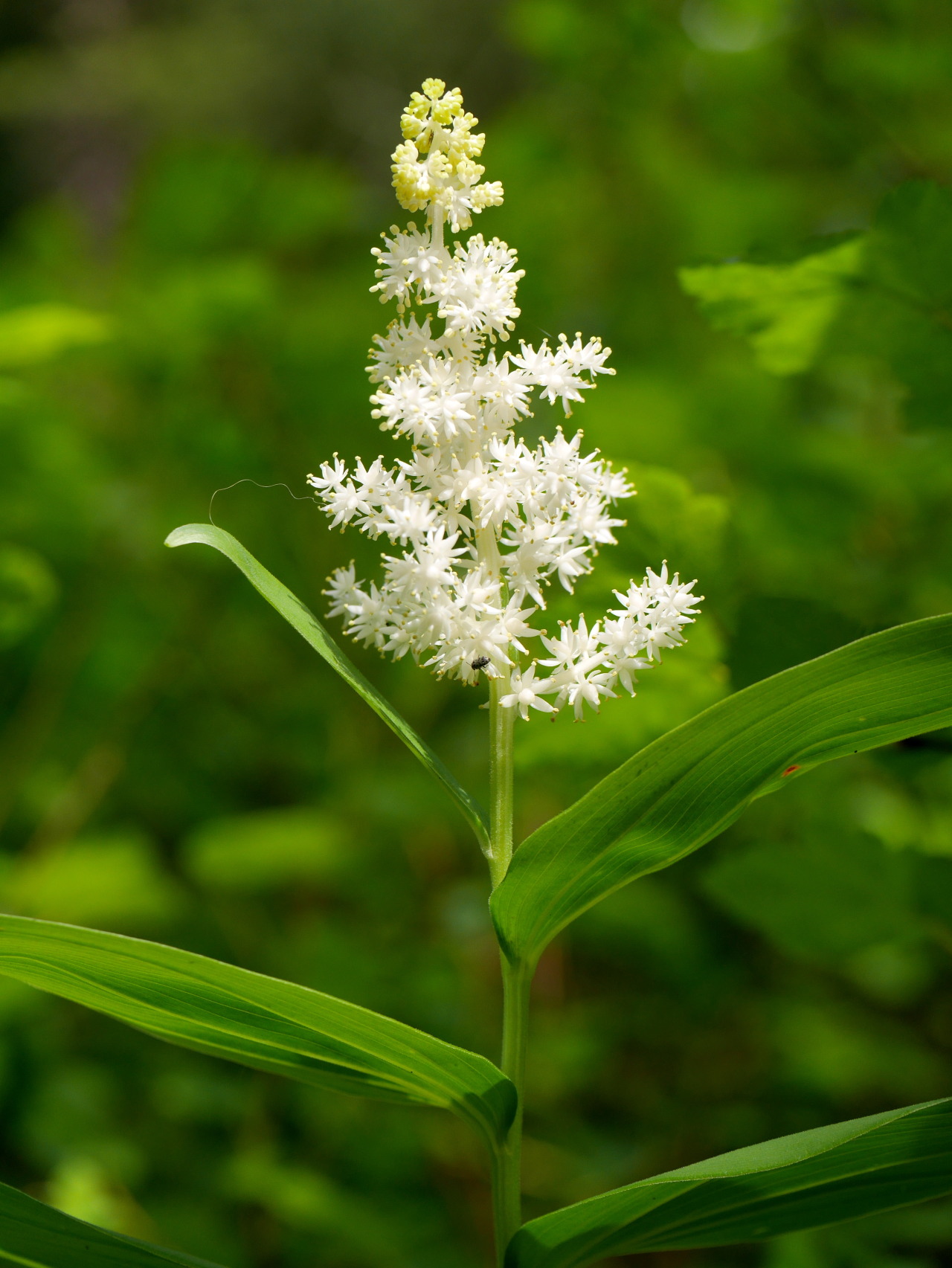
Maianthemum racemosum “False Lily of the Valley” Liliaceae

Drinking Horse Mountain, Bozeman, MT
June 3, 2015
Robert Niese

These lilies are found abundantly in almost all moist-to-wet forests in North America. Here in the PNW, they are the largest of three species in this genus which all share the common name “false lily of the valley.” These plants are edible, but, when young, look nearly identical to False Hellebore which is very poisonous. Their shoots are said to taste like asparagus and their berries apparently taste like treacle. The plant has also been used at one point or another to treat every sort of ailment you can imagine. All parts of the plant, however, have strong to mild laxative effects and should be consumed cautiously. Learn more here.

Fritillaria atropurpurea “Spotted Fritillary” Liliaceae

Drinking Horse Mountain, Bozeman, MT
June 3, 2015
Robert Niese

There are several common species of chocolate/spotted/checkered fritillaries in the PNW (and countless endemics with tiny, restricted ranges in OR and CA). This species, F. atropurpurea, has the easternmost distribution and is found in most Rocky Mountain states as well as Oregon and California (not found in Washington, BC or Alberta, however). F. affinis is the most common species found west of the Cascades, but can also be found in parts of Idaho (not recorded in Montana or Alberta). F. camschatcensis, has a more northern distribution, but small populations can be found in Washington and Oregon (most abundant in BC and Alaska). The bulbs of all three species have been an important food source for native peoples. The flowers, which can be quite stinky, are pollinated by insects seeking dung and carrion.

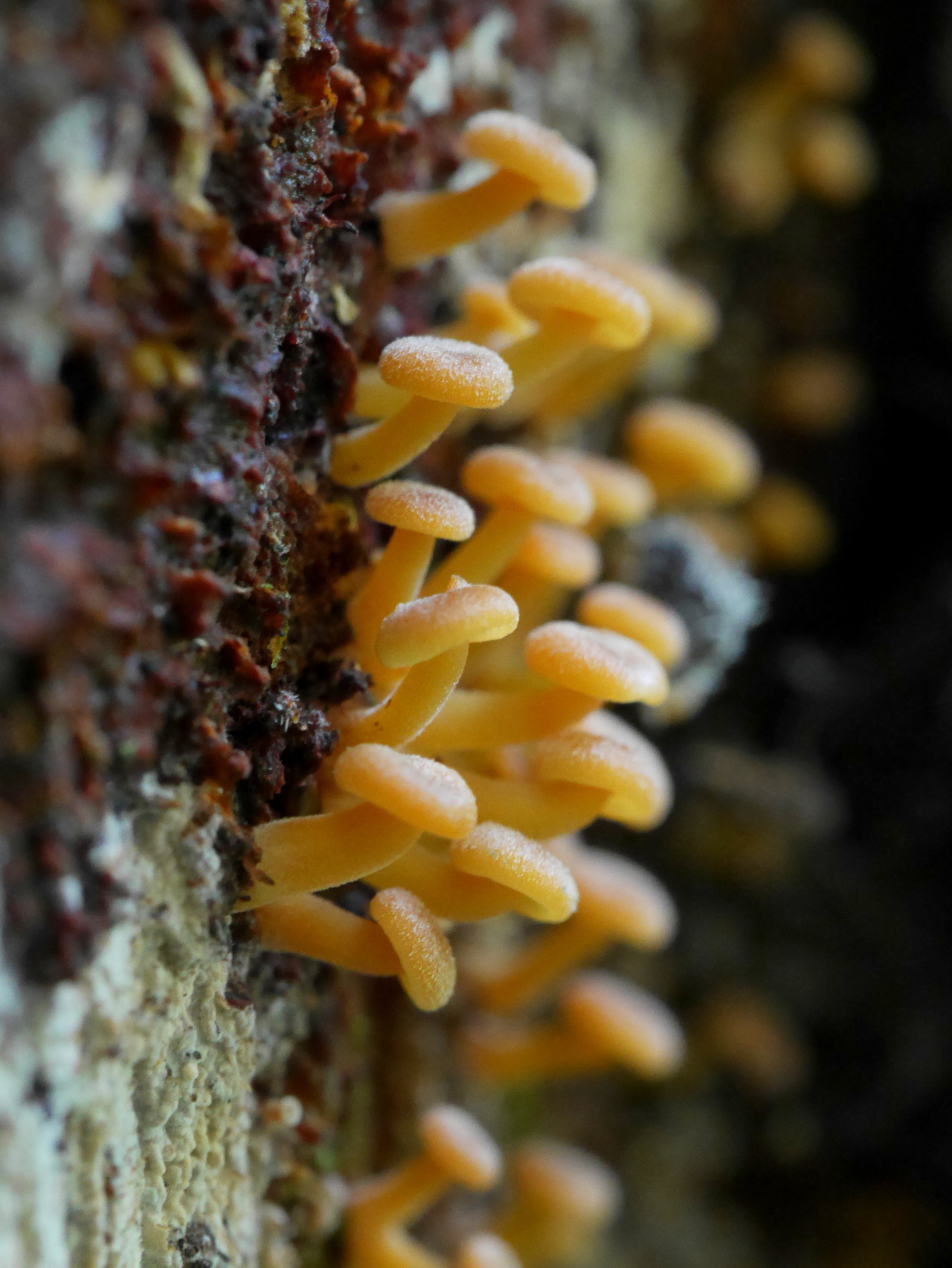
Xeromphalina campanella “Bell Omphalina” Basidiomycota

Hub Lake Trail, Lolo National Forest, St. Regis, MT
August 16, 2015
Robert Niese

These adorable gregarious fungi are found on rotting coniferous logs in wet forests throughout North America (presumably). These specimens were only just starting to grow, but would likely end up covering the entire wet bottom half of this downed spruce log. Their caps, when fully mature, will measure no more than 2cm across and have a white spore print.