
Stellar Dendrite snowflake (with rime) at 1°F
Missoula, MT
December 9, 2013
Robert Niese
Learn how to identify snowflakes here!
Stellar Dendrite snowflake (with rime) at 1°F
Missoula, MT
December 9, 2013
Robert Niese
Learn how to identify snowflakes here!
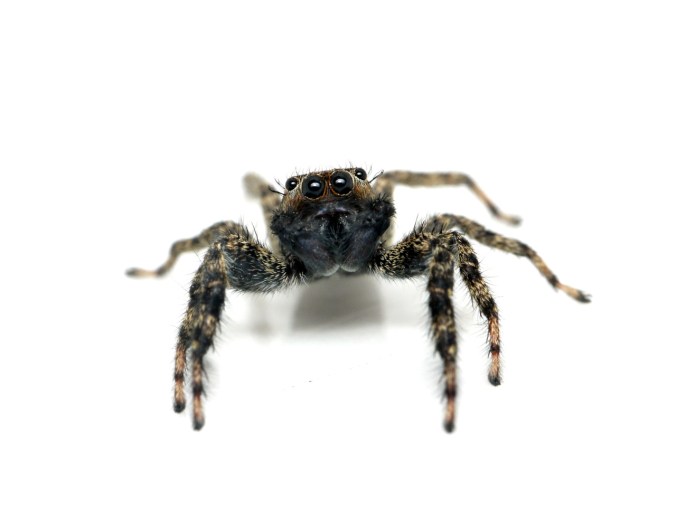
Platycryptus californicus Salticidae
Missoula, MT
June 5, 2014
Robert Niese
An extremely abundant, charismatic jumper commonly found on door frames and windowsills throughout the summer here in Missoula.

Trifolium pratense “Red Clover” Fabaceae
Missoula, MT
October 18, 2013
Robert Niese

Phidippus “clarus” Salticidae
Missoula, MT
September 17, 2014
Robert Niese
Phidippus jumpers are some of the largest jumping spiders in the world. Here in Montana, we have several red-backed species, all of which are about the size of a nickel. They are excellent house-guests and will rid your home of flies, roaches, and other mid-sized arthropods in a matter of days.
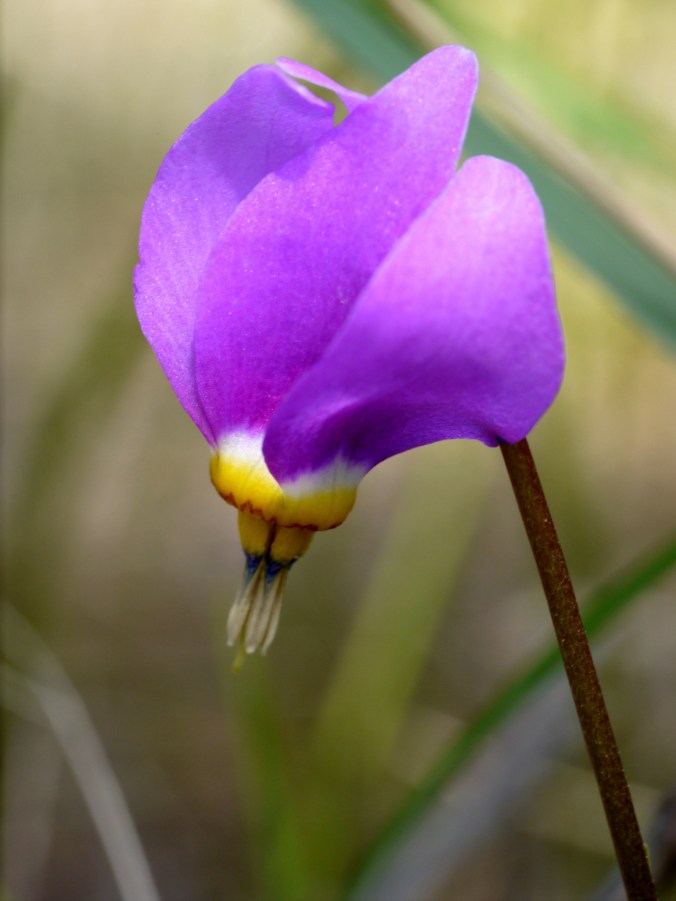
Dodecatheon pulchellum “Shooting star” Primulaceae
Missoula, MT
May 13, 2014
Robert Niese
The flowers of the Dodecatheon genus can only be pollinated by large native bees capable of “buzz pollination.” Small bees and the introduced, European Honeybees can not provide this service to the plants.
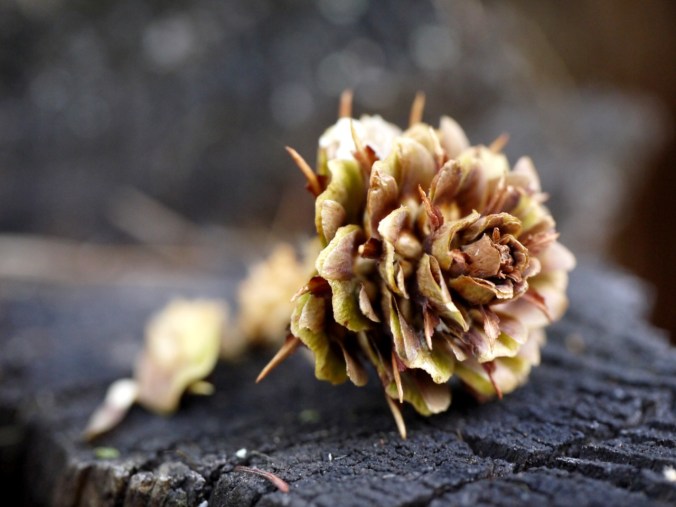
Larix occidentalis “Western Larch” Pinaceae (cone with evidence of seed predation by Tamiasciurus hudsonicus Red Squirrel)
Seeley Lake, MT
September 13, 2014
Robert Niese
Red Squirrels are cone specialists and create massive debris piles, called middens, in areas where they regularly eat (typically atop a stump, fallen log, or low, broad tree branch). These middens are easy to spot and are often more than a meter in width. In Western Washington, these cone middens are usually created by the Red Squirrel’s cousin, the Douglas Squirrel (T. douglasii).

Aphrophora permutata “Douglas Fir Spittlebug” Cercopidae
Missoula, MT
September 14, 2013
Robert Niese

Calypso bulbosa “Calypso Orchid” or “Pink Fairy Slipper” Orchidaceae
Glacier National Park, MT
June 22, 2014
Robert Niese
The Calypso Orchid has an amazingly broad circumboreal distribution. From Japan to Mongolia, Scandinavia to Newfoundland, New Mexico to Alaska – this single species can be found in nearly every montane coniferous forest in the Northern Hemisphere. In spite of this C. bulbosa is considered endangered in Sweden, Finland, and several U.S. states due to its extreme sensitivity to even the slightest human disturbances.
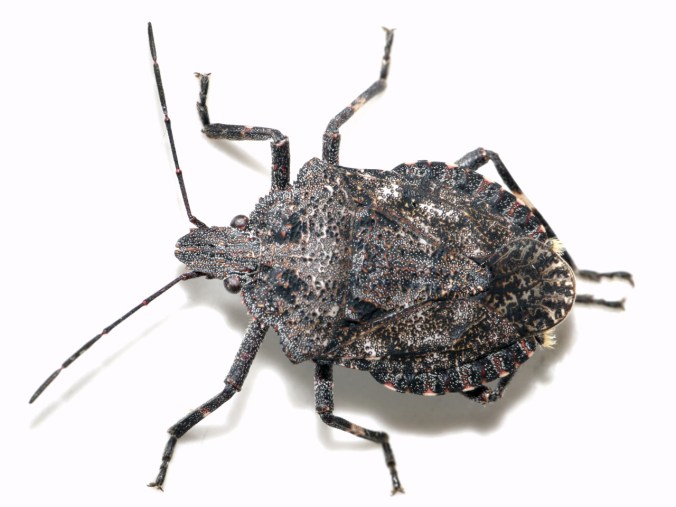
Brochymena affinis “Pacific Northwest Rough Stink Bug” Pentatomidae
Missoula, MT
September 14, 2013
Robert Niese

Cercyonis pegala "Common Wood-nymph" Nymphalidae
Missoula,MT
September 2, 2013
Robert Niese
 Northwest Naturalist