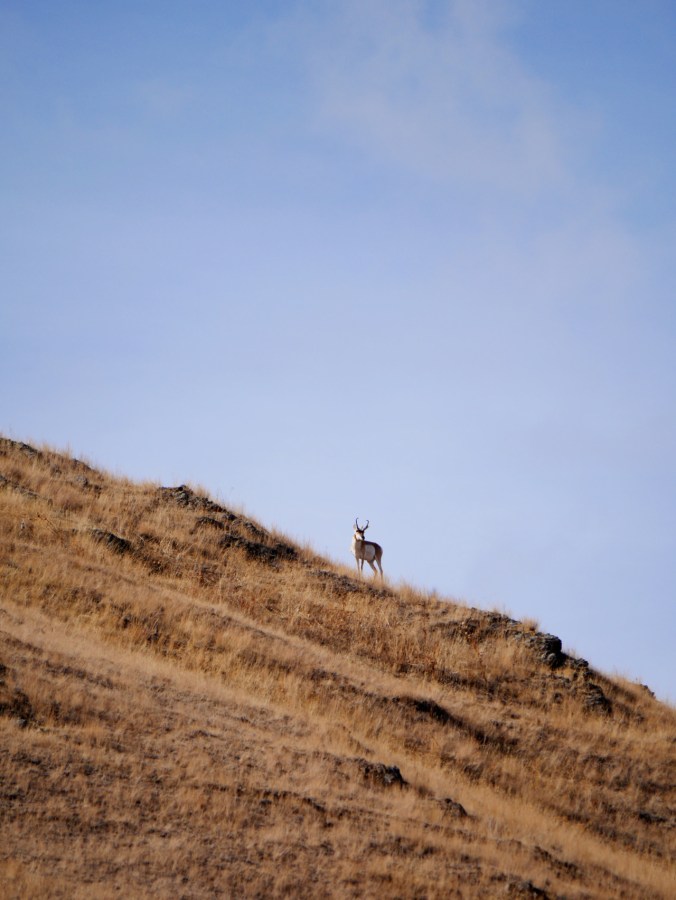
Antilocapra americana “Pronghorn Antelope” Antilocapridae, males
National Bison Range, MT
October 5, 2014
Robert Niese
Antilocapra americana “Pronghorn Antelope” Antilocapridae, males
National Bison Range, MT
October 5, 2014
Robert Niese
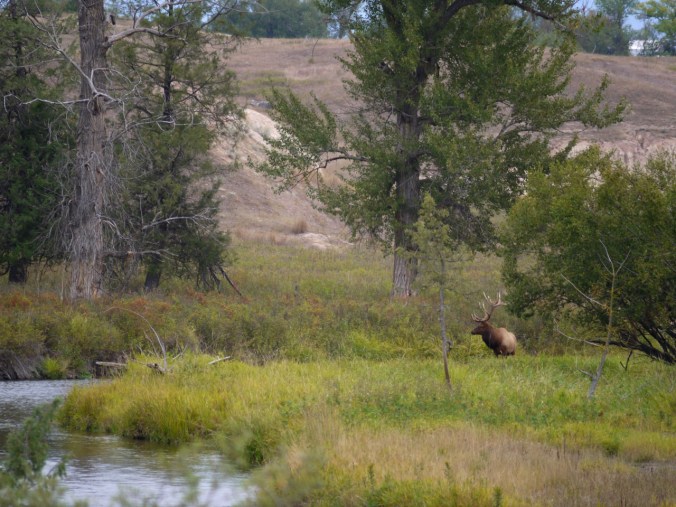
Cervus elaphus “Wapiti” Cervidae, male
National Bison Range, MT
September 21, 2013
Robert Niese
The name “wapiti” comes from the Shawnee and it means “light-colored rump.” Elk found here in the PNW are arguably the same species as “red deer” found in Europe. They have been split and regrouped countless times by taxonomists.
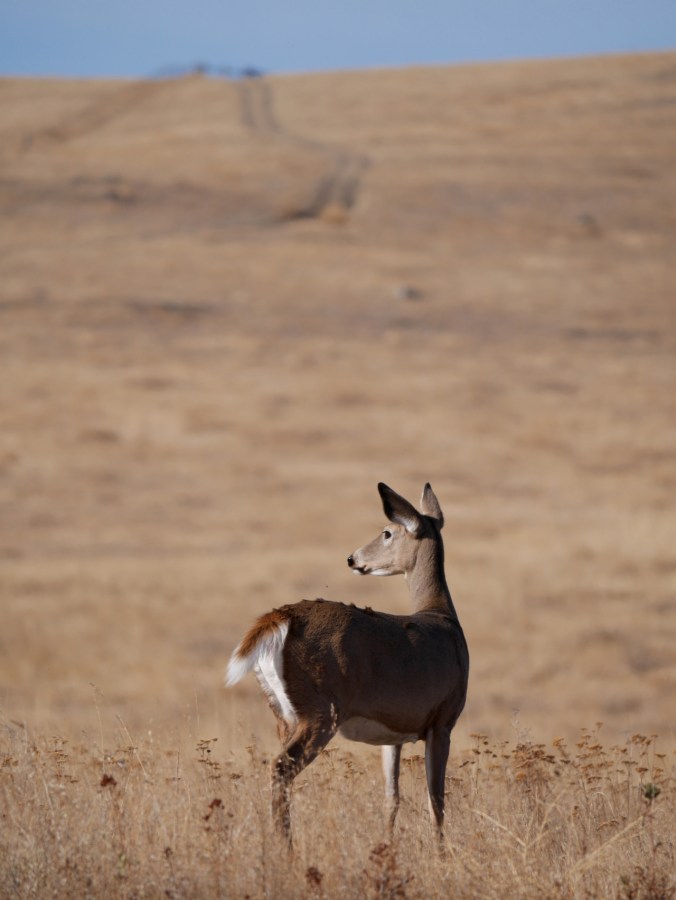
Odocoileus virginianus “White-tailed Deer” Cervidae, female
National Bison Range, MT
October 5, 2014
Robert Niese
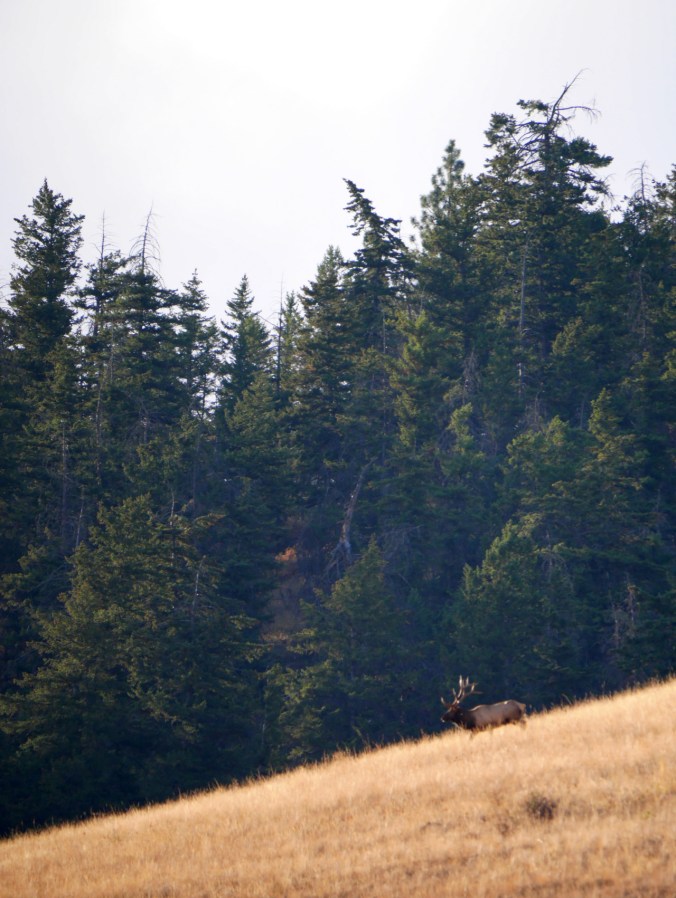
Cervus elaphus “Wapiti” Cervidae, male
National Bison Range, MT
October 5, 2014
Robert Niese
Fall is the best time of year to see active male elk at the National Bison Range. We followed this big guy around for over an hour, watching him bugle all the while.
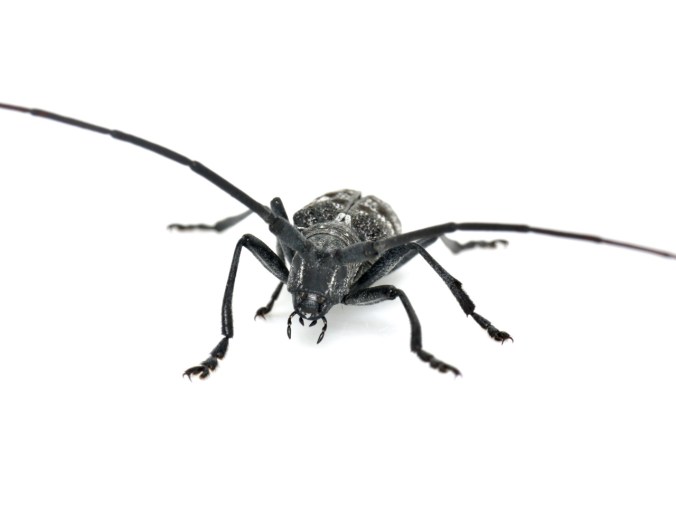
Monochamus clamator “Spotted Pine Sawyer” Cerambycidae (male)
Bonner, MT
July 20, 2014
Robert Niese
Monochamus males have some of the longest “horns” of any Cerambycids here in the northwest. These antennae are used to “smell” for females and are often more than twice their body length.
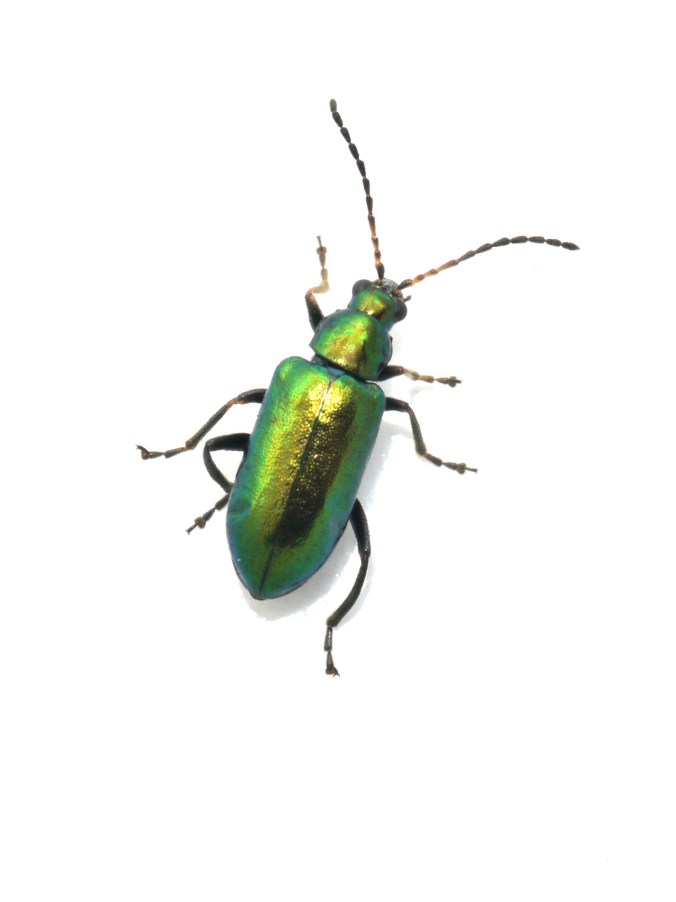
Scelolyperus schwarzii Chrysomelidae
Missoula, MT
June 15, 2014
Robert Niese
This tiny (5mm) leaf beetle is common in moist forests throughout the Pacific Northwest west of the Rockies. They seem to be particularly fond of hanging out in Hydrophyllum flowers.
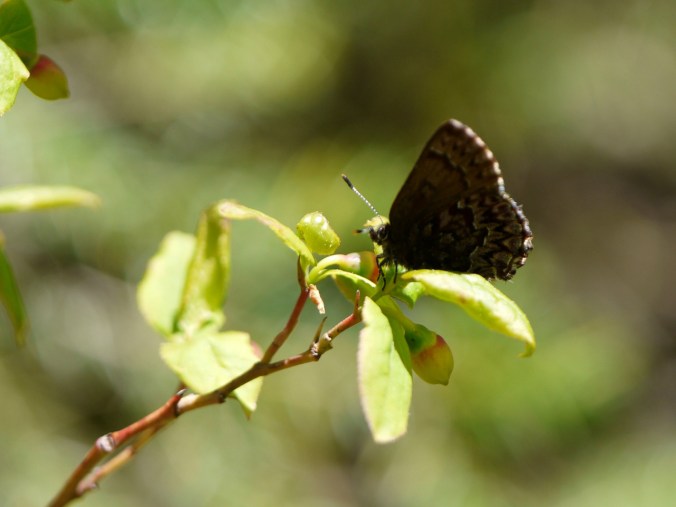
Callophrys eryphon “Western Pine Elfin” Lycaenidae
Glacier National Park, MT
June 20, 2014
Robert Niese
Another common, easily recognizable Lycaenid here in Montana.
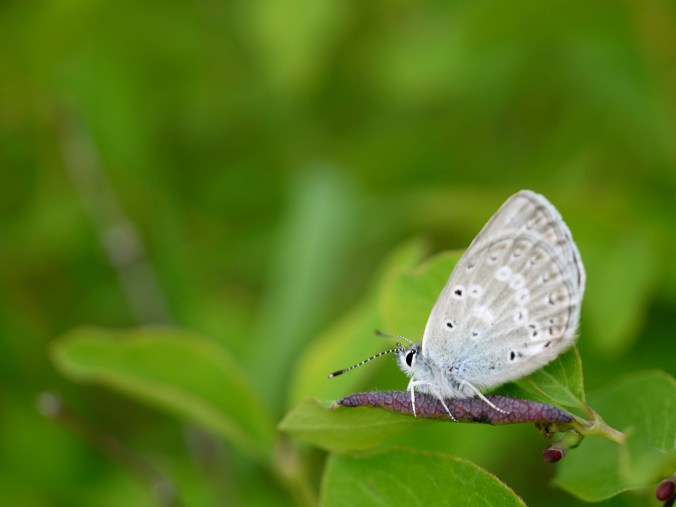
Plebejus icarioides “Boisduval’s Blue” Lycaenidae
Missoula, MT
June 15, 2014
Robert Niese

Callophrys augustinus “Brown Elfin” Lycaenidae
Glacier National Park, MT
June 20, 2014
Robert Niese
This is a pretty common butterfly here in Montana. You can easily recognize them by their Lycaenid shape and dull metallic-y brown color. These guys don’t have tails like the hairstreaks, but sometimes have a tail-like lobe on their hindwings.
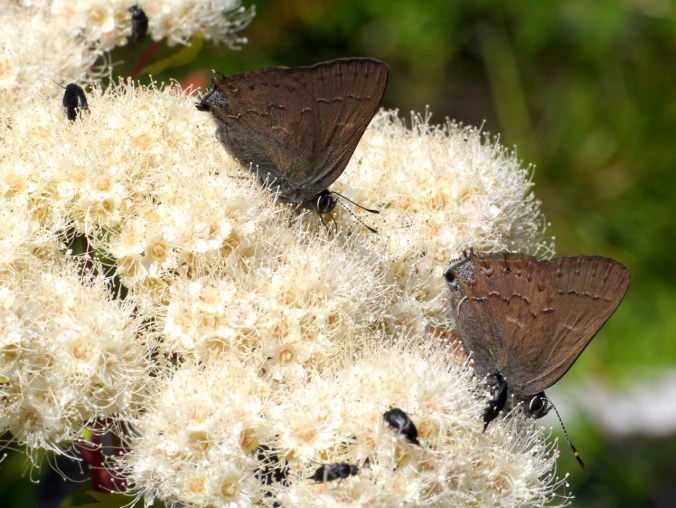
Satyrium saepium “Hedgerow Hairstreak” Lycaenidae
Seeley Lake, MT
July 26, 2014
Robert Niese
An adorable coppery hairstreak that rears its young on our abundant Ceanothus velutinus, or Snowbrush, here in Montana. Snowbrush grows best in open, brushy areas like those created after a fire or in a clearcut. And where there’s Ceanothus you’ll find these adorable Hedgerow Hairstreaks.
 Northwest Naturalist