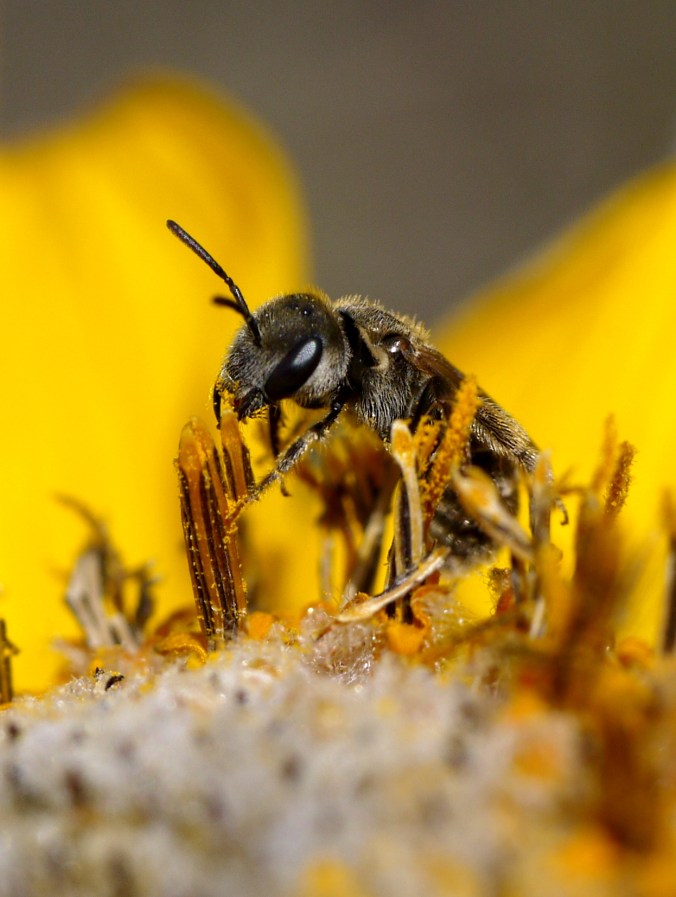
Halictus (Seladonia) tripartitus “Sweat Bee” Halictidae

Missoula, MT
May 13, 2014
Robert Niese

Another species of small Sweat Bee in the genus Halictus. If you’re interested in attempting to identify these bees with a dichotomous key (there are only 10 species in the Northwest, so it’s not too difficult!), check this one out here. Once you learn more about these little guys, you start noticing them everywhere!
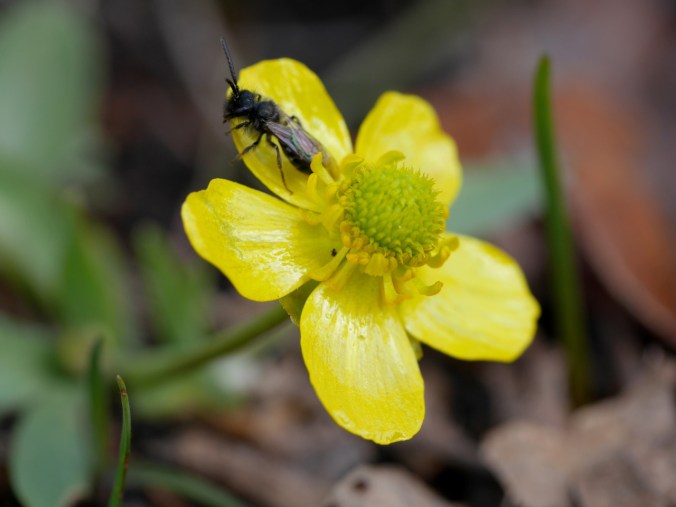
Andrena “Mining Bee” Andrenidae
on Ranunculus glaberrimus “Sagebrush Buttercup” Ranunculaceae

Council Grove State Park, MT
March 16, 2015
Robert Niese

Andrena is one of the world’s largest genera of bees. There are probably only a few people in all of North America who possess the specialized knowledge necessary to make a reliable species identification. Andrena bees are remarkably cold tolerant and are some of the first small bee species to frequent flowers in the spring, although this little guy was clearly struggling with the chilly morning air.

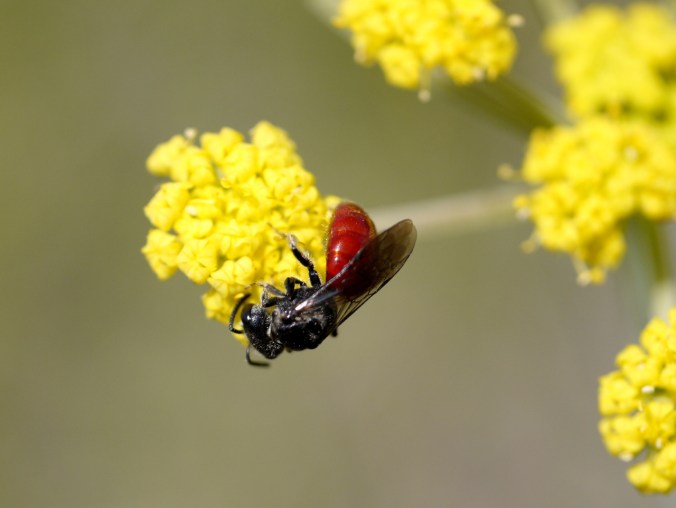
Sphecodes (arvensiformis) “Cuckoo Sweat Bee” Halictidae
on Lomatium “Biscuit Root” Apiaceae

Missoula, MT
May 13, 2014
Robert Niese

Sphecodes bees are cleptoparasitic, cuckoo-like bees that lay their eggs in the nests of other sweat bees.

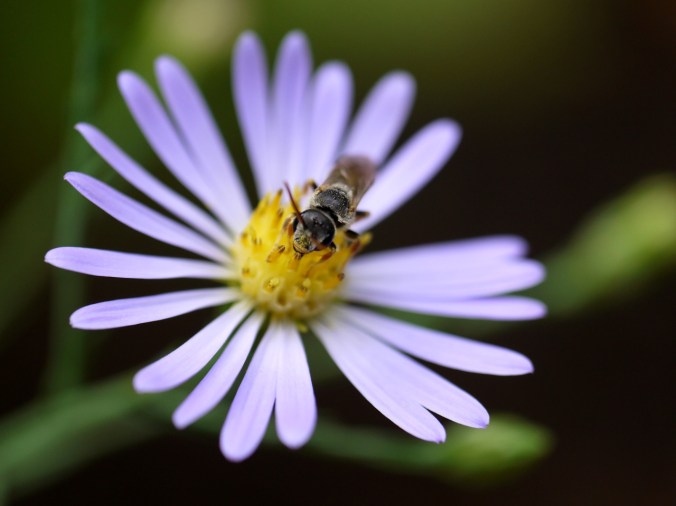
Halictus ligatus “Sweat Bee” Halictidae on Aster (Asteraceae)

Missoula, MT
September 2, 2013
Robert Niese

Sweat Bees in the genus Halictus can be difficult to identify, but fortunately, as compared to other genera in our area (see Lasioglossum), there are relatively few species in the Northwest (10). If you’d like to take a shot at IDing your own photographs, check out this key to our species.

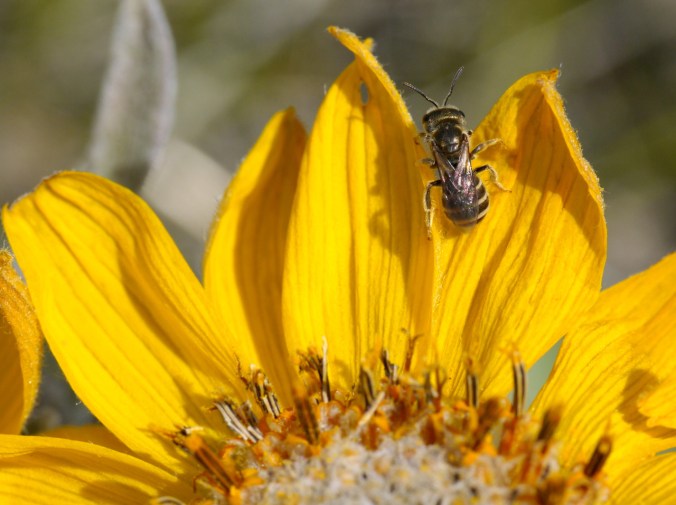
Halictus (Seladonia) tripartitus “Sweat Bee” Halictidae
on Balsamorhiza sagittata “Arrowleaf Balsamroot” Asteraceae

Missoula, MT
May 13, 2014
Robert Niese

Another species of small Sweat Bee in the genus Halictus. If you’re interested in attempting to identify these bees with a dichotomous key (there are only 10 species in the Northwest, so it’s not too difficult!), check this one out here. Once you learn more about these little guys, you start noticing them everywhere!
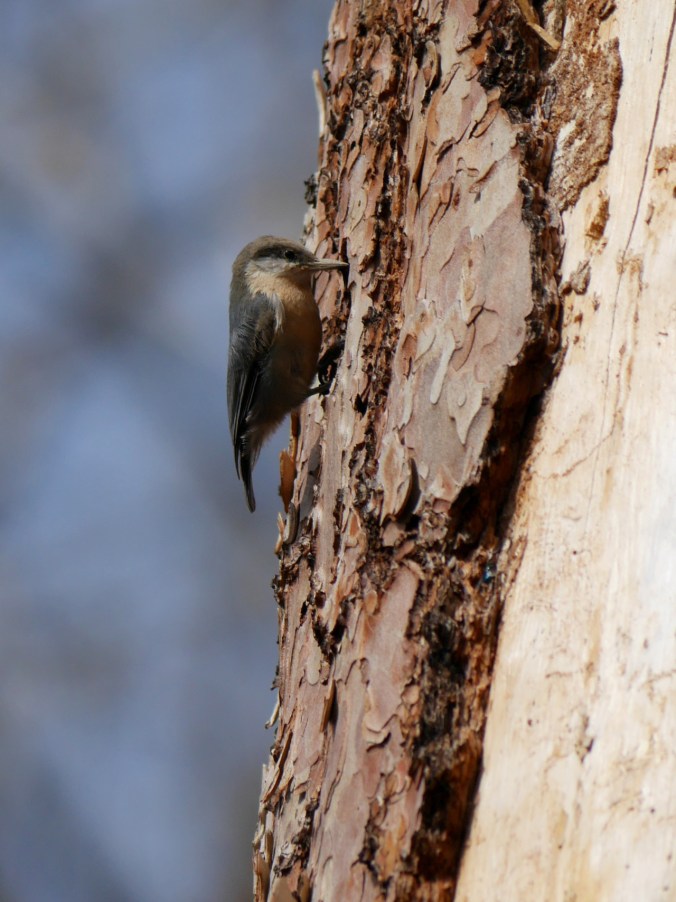
Pygmy Nuthatch (Sitta pygmaea) Sittidae

Council Grove State Park, MT
March 16, 2015
Robert Niese

There are three species of Nuthatch in the Pacific Northwest, but the Pygmy Nuthatch is the only one endemic to our region. These birds are only found in the Rockies and inland Pacific Northwest. They are particularly fond of old Ponderosa Pine forests.

Scleroderma citrinum “Scaly Earthball” Basidiomycota

Seeley Lake, MT
September 13, 2014
Robert Niese

Earthballs are relatively common puffball-like fungi that form specialized relationships with the roots of many conifers here in the PNW such as Douglas Fir and Ponderosa Pine. Recent research suggests that these fungi may help young trees colonize abandoned mining sites that have been contaminated with heavy metals such as copper and arsenic.

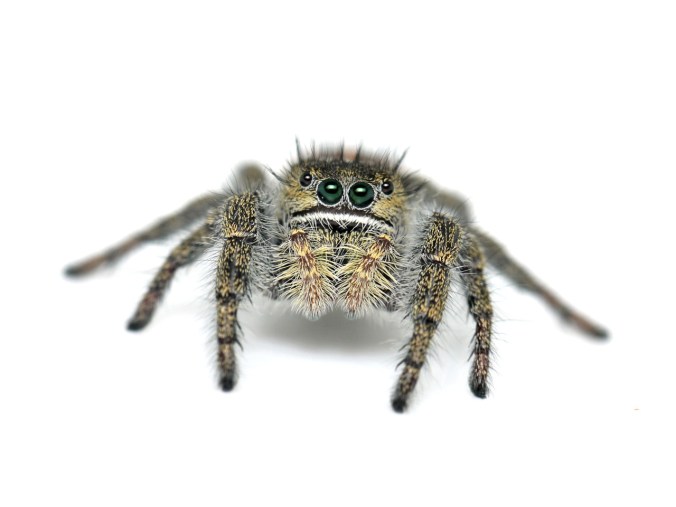
Phidippusclarus” Salticidae

Missoula, MT
September 17, 2014
Robert Niese

Phidippus jumpers are some of the largest jumping spiders in the world. Here in Montana, we have several red-backed species, all of which are about the size of a nickel. They are excellent house-guests and will rid your home of flies, roaches, and other mid-sized arthropods in a matter of days.

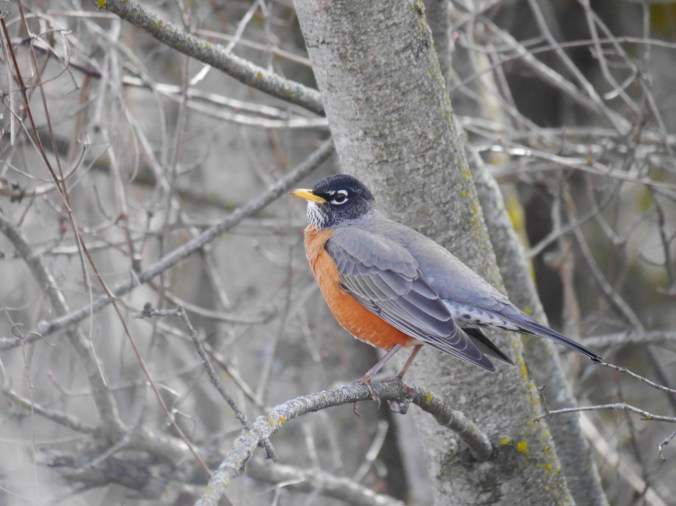
American Robin (Turdus migratorius) Turdidae  

Council Grove State Park, MT
March 16, 2015
Robert Niese

Although American Robins are one of North America’s most ubiquitous birds, there are a few things most people don’t know about these abundant creatures. For example, did you know that males and females show a slight dimorphism? Males tend to have blacker heads and redder breasts which females use as an indicator of the health of potential mates.

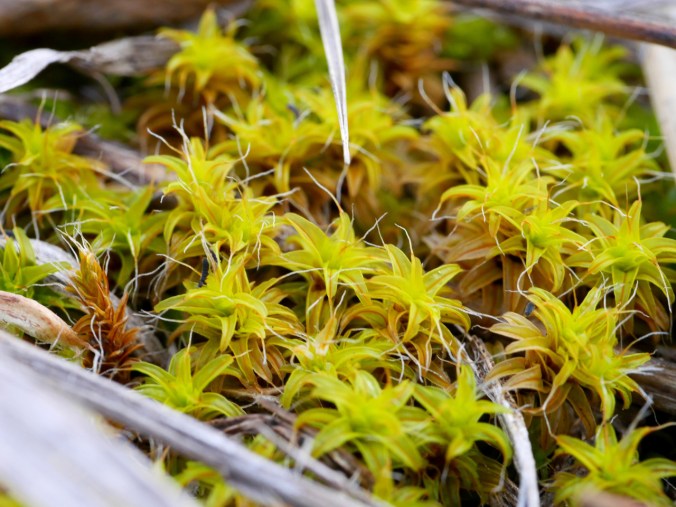
Syntrichia ruralis “Twisted Star Moss” Pottiales

Council Grove State Park, MT
March 16, 2015
Robert Niese

This is perhaps the most common moss in all of Montana. Syntrichia ruralis has a cosmopolitan distribution and occurs in a huge variety of habitat types. Its versatility and hardiness have made it an exceptional colonist of nearly every corner of the globe.