
Frost on Malva neglecta “Common Mallow” Malvaceae
Missoula, MT
October 18, 2013
Robert Niese
Frost on Malva neglecta “Common Mallow” Malvaceae
Missoula, MT
October 18, 2013
Robert Niese

Caloplaca luteominia var. bolanderi "Ruby Firedot Lichen"
Missoula, MT
March 14, 2014
Robert Niese
Caloplaca luteominea is a relatively common endolithic species of crust-like lichen. The little red cups that you see here (<1mm in diameter) are actually the reproductive structures (called apothecia) of the fungus. The rest of the organism lives within the rock (endo = within; lithic = rock), between the cracks and grains of the granite.
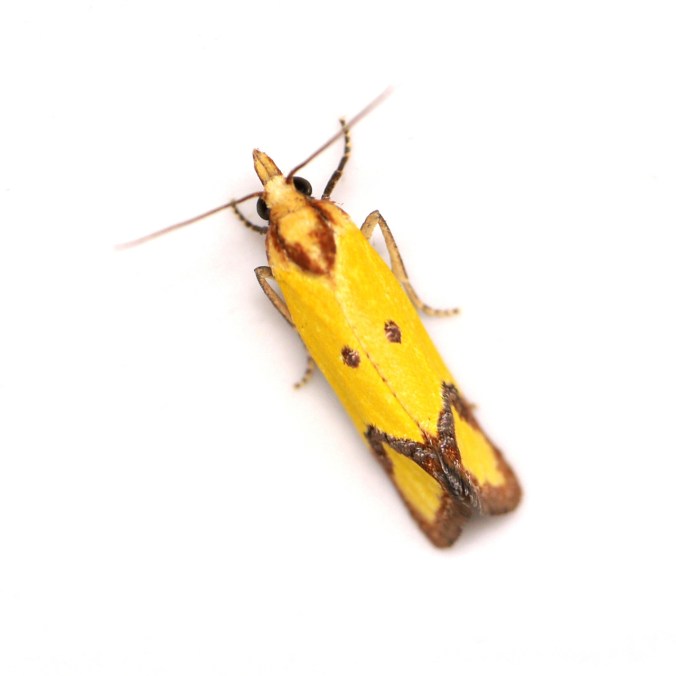
Agapeta zoegana “Sulphur Knapweed Moth” Tortricidae
August 14, 2014
Missoula, MT
Robert Niese
These diminutive moths (10mm in length) are obligate parasites of our invasive knapweed (Centaurea maculosa) and were introduced in 1984 as a potential biological control agent.
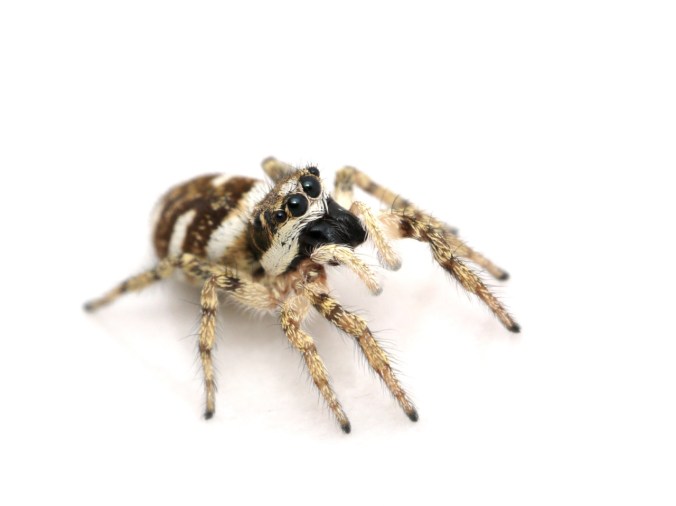
Salticus scenicus “Zebra Jumping Spider” Salticidae (female)
Missoula, MT
June 26, 2014
Robert Niese
This abundant, charismatic jumping spider was introduced to the US from Europe, but can now be found throughout most of the North American continent.
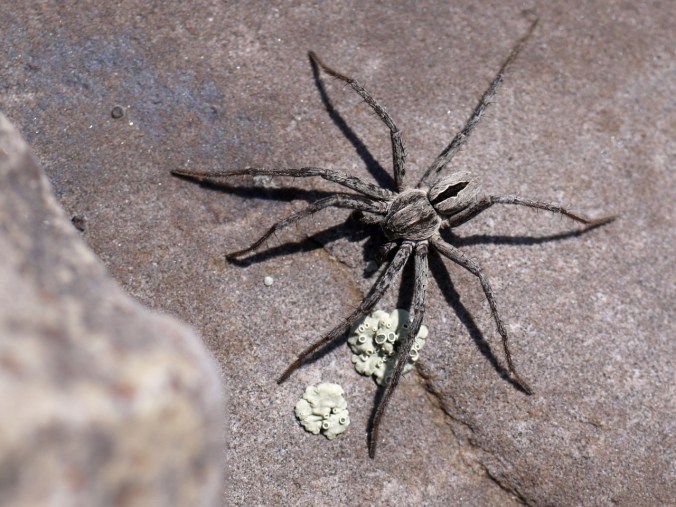
Thanatus formicinus Philodromidae
Missoula, MT
May 13, 2014
Robert Niese
Thanatus formicinus literally translates to “ant-like death spider.” Fortunately, these large, agile spiders do not live up to their names and are completely incapable of killing anything larger than a nickel. Look for them along dry, rocky river beds or open talus slopes.
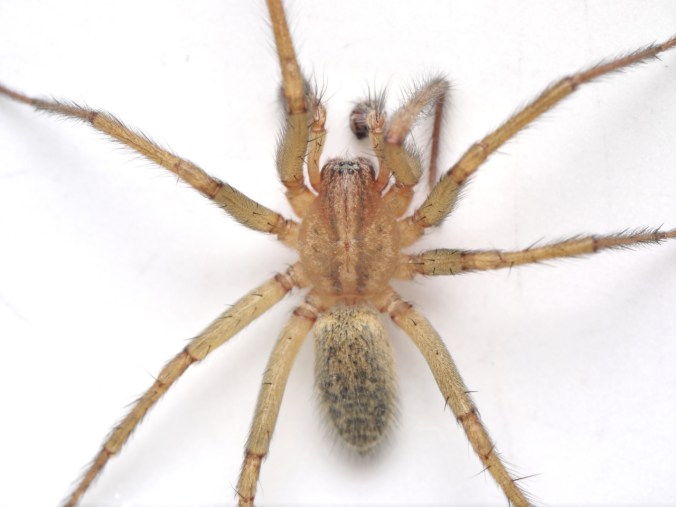
Tegenaria agrestis ”Hobo spider” Agelenidae (male)
Missoula, MT
September 19, 2013
Robert Niese
The “Hobo Spider” is one of the most unjustly detested house spiders in North America. Like all spiders, Tegenaria are venomous and can bite, but rarely will they do so. Perhaps due to their impressive skittering speed or diurnal nature, their species epithet, agrestis, is often assumed to mean “aggressive.” In Latin, however, agrestis actually means rural, and these spiders would much rather run away from you, than bite your finger.
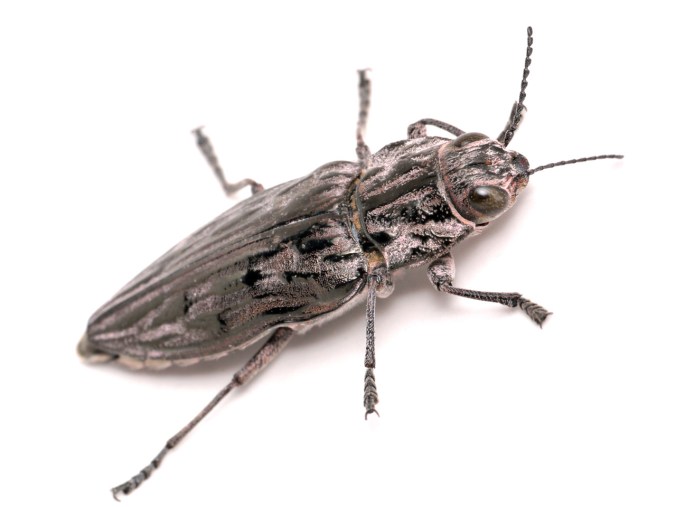
Chalcophora angulicollis “Western Sculpted Pine Borer” Buprestidae
Missoula, MT
July 10, 2014
Robert Niese
I found these massive woodborers in abundance (even on campus here at the U of MT) for a few weeks between late June and early July. They’re especially easy to identify in flight. Just listen for the miniature helicopter.
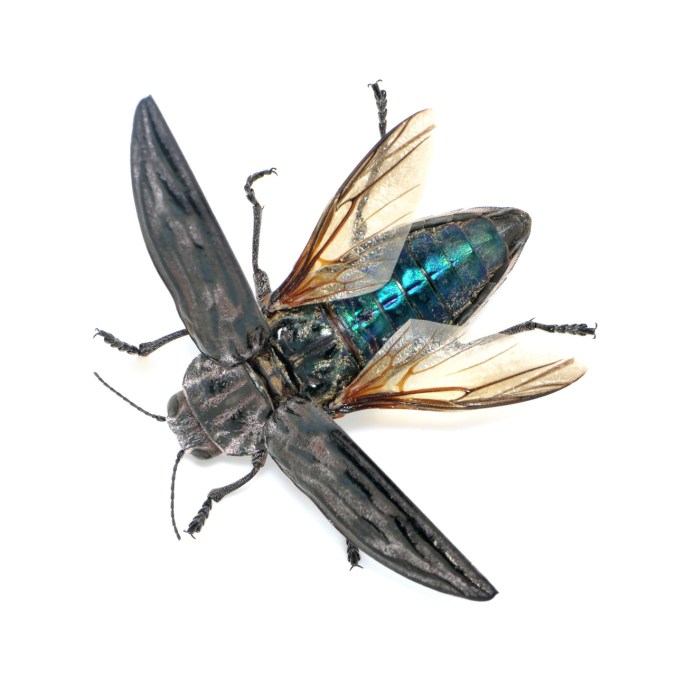
Chalcophora angulicollis “Western Sculpted Pine Borer” Buprestidae
Missoula, MT
July 10, 2014
Robert Niese
I found these massive woodborers in abundance (even on campus here at the U of MT) for a few weeks between late June and early July. They’re especially easy to identify in flight. Just listen for the miniature helicopter.
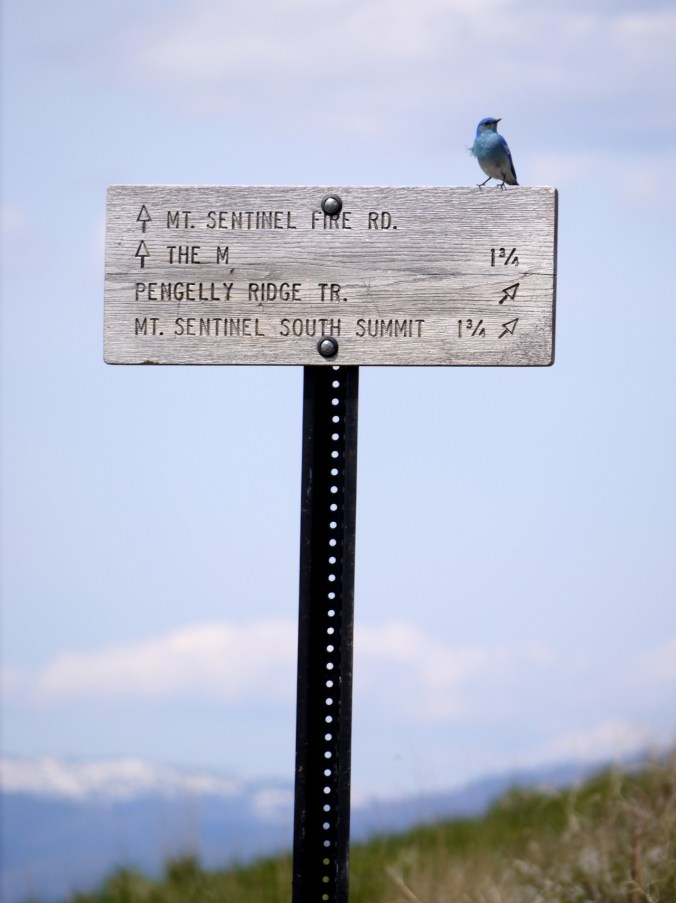
Mountain Bluebird (Sialia currucoides) Turdidae
Missoula, MT
May 13, 2014
Robert Niese
Most birds that posses such striking blue plumage typically get these gorgeous colors from tiny air pockets inside the feathers that scatter light in a way that makes them appear blue. Learn more.
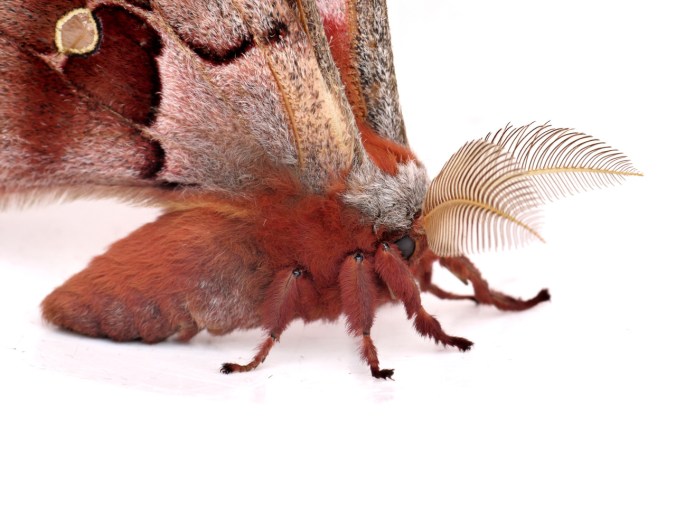
Antheraea polyphemus “Polyphemus Moth” Saturniidae (male)
Missoula, MT
June 11, 2014
Robert Niese
Surprisingly, I found this enormous moth (15 cm wingspan!) in a parking lot on my way into work on the University of Montana campus.
 Northwest Naturalist