Erodium cicutarium “Stork’s Bill” Geraniaceae

Missoula, MT
April 23, 2015
Robert Niese

Erodium is famous for its fascinating dispersal mechanism. Their fruits are shaped like a stork’s bill (hence the common name) and separate into five seeds with a wirey tip upon maturity. As the seeds dry out, they begin to curl up into a corkscrew-like shape. If they are resting on soil as they begin to dry, this curling process will drive them into the ground. You can watch this self-planting mechanism here or check out the GIF below. It’s really freaking awesome!

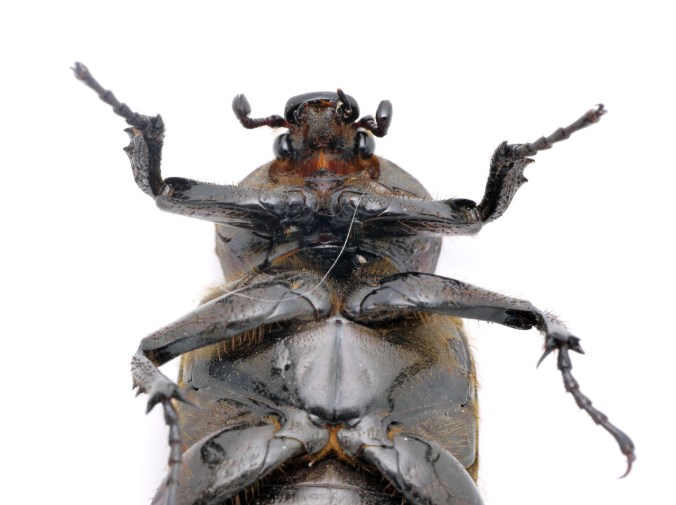
Osmoderma subplanata “Leather Beetle” Scarabaeidae

Missoula, MT
July 30, 2014
Robert Niese

These large (3 cm), circumboreal beetles get their name from the leathery odors they emit from their exoskeleton (Osmo- means smelly, -derma means skin). Adults spend most of their lives feeding on the decaying centers of fallen logs.

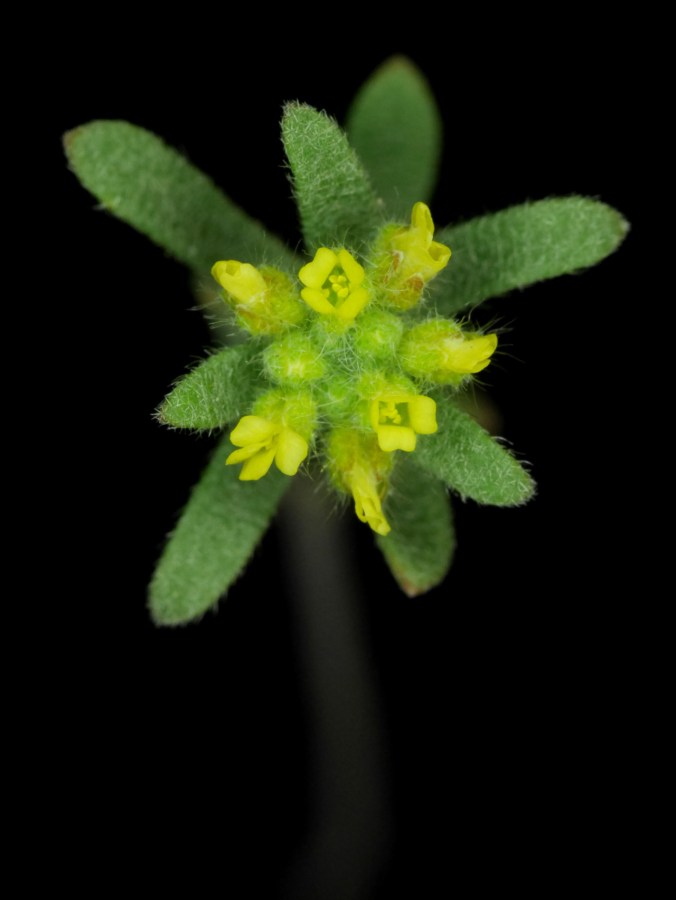
Alyssum desertorum “Desert Madwort” Brassicaceae

Missoula, MT
April 23, 2015
Robert Niese

Desert Madwort is a common weed east of the Cascades. Although it is an invasive plant (native to Eurasia), the madwort has been incorporated into the diets of many important PNW species. For example, Pronghorn Antelope consume large quantities of madwort in the winter when other food is scarce. And harvester ants have been known to collect copious quantities of madwort seeds in the fall, and will sometimes collect every single seed that was dropped in a given season.

Phlox gracilis (Microsteris gracilis) “Midget Phlox” Polemoniaceae

Missoula, MT
April 23, 2015
Robert Niese

This diminutive flower is an abundant resident of grassy prairies, roadsides, and open forests throughout the Pacific Northwest. Its weedy nature and minuscule, 2-5mm broad flowers make it easy to overlook, but, upon closer inspection, it is a positively adorable native plant. In some locations, the tiny petals have deep lobes and fuchsia markings. Some hillsides here in Missoula have this pale lavender variety as well as a single-flowered, hot pink form.

Collinsia parviflora “Blue-eyed Mary” Plantaginaceae (Scrophulariaceae)

Missoula, MT
April 23, 2015
Robert Niese

The Smallflowered Blue-eyed Mary is a common PNW plant, but its diminuitive growth habit makes it easy to miss. The flowers of this plant are rarely more than a few millimeters across and they hardly grow more than 10cm off the ground. Lately, I’ve been experimenting with photographing several small-flowered plants with my new macro light-ring in the botany lab (they’ve got black lab benches that provide a nice background). I’m quite satisfied with the results!

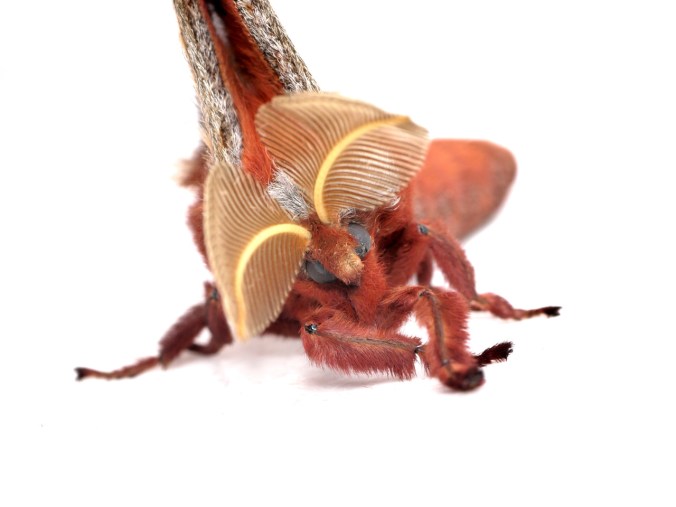
Antheraea polyphemus “Polyphemus Moth” Saturniidae (male)

Missoula, MT
June 11, 2014
Robert Niese

Surprisingly, I found this enormous moth (15 cm wingspan!) in a parking lot on my way into work on the University of Montana campus.

Platycryptus californicus Salticidae

Missoula, MT
June 5, 2014
Robert Niese

An extremely abundant, charismatic jumper commonly found on door frames and windowsills throughout the summer here in Missoula.

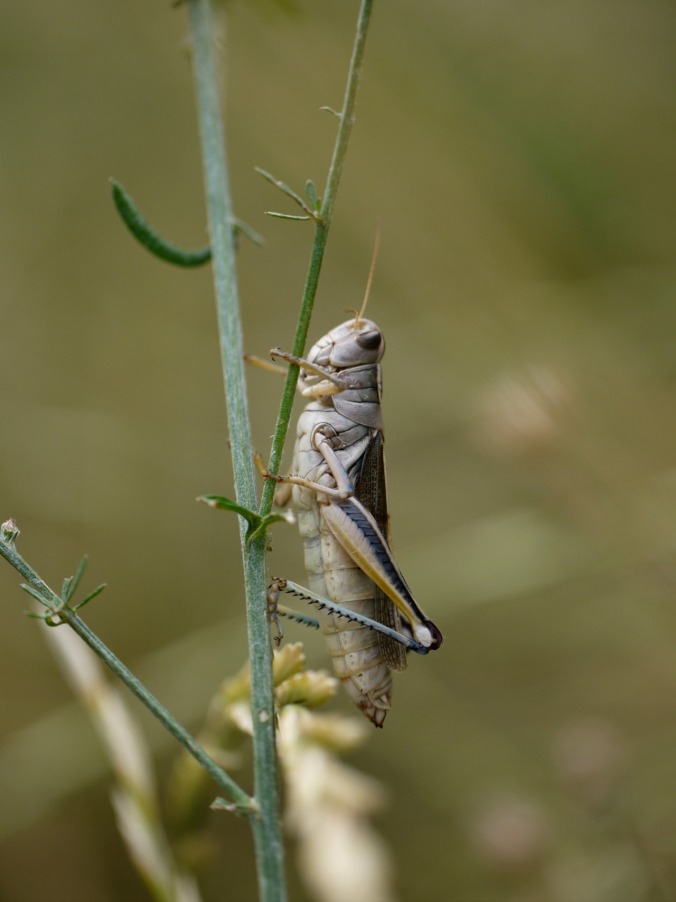
Melanoplus bivittatus bivittatus “Two-striped Grasshopper” Acrididae

Missoula, MT
September 2, 2013
Robert Niese

The Two-striped Grasshopper can be found throughout North America and can be quite variable morphologically. In drier regions here in the PNW, M. bivittatus bivittatus tends to be a dull yellow-brown color with blueish legs. In wetter, coastal regions, M. bivittatus femoratus will be green with red legs. Throughout the Northwest however, these grasshoppers are abundant and often found in gardens and vacant lots around town.

Ochlodes sylvanoides “Woodland Skipper” Hesperiidae

Missoula, MT
September 2, 2013
Robert Niese

These little guys are pretty common around Missoula in the late summer when they complete their metamorphosis. Look for them in grassy areas throughout the Pacific Northwest feeding on Asteraceae flowers like these weedy asters.

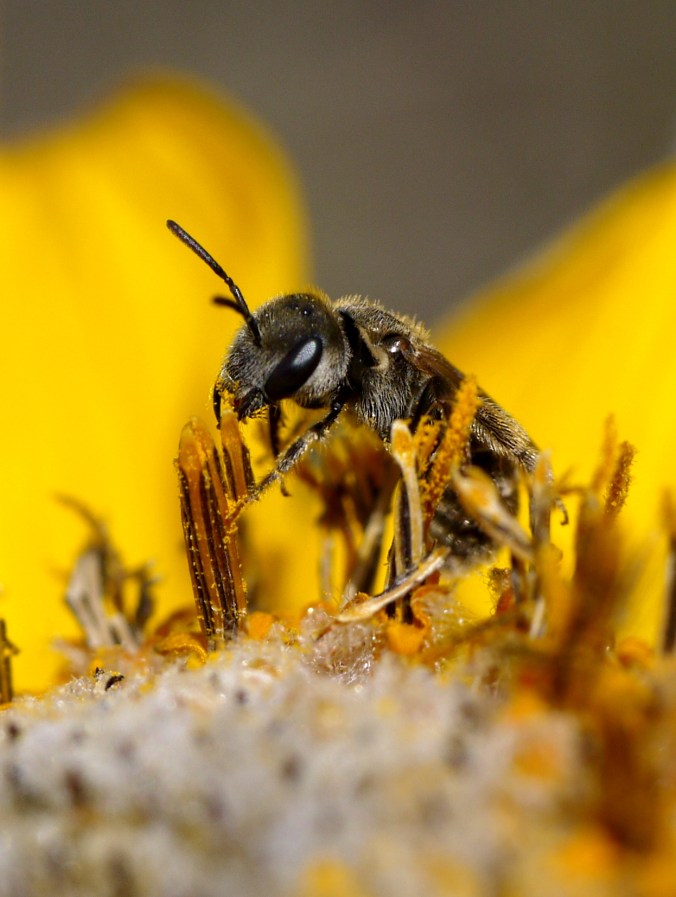
Halictus (Seladonia) tripartitus “Sweat Bee” Halictidae

Missoula, MT
May 13, 2014
Robert Niese

Another species of small Sweat Bee in the genus Halictus. If you’re interested in attempting to identify these bees with a dichotomous key (there are only 10 species in the Northwest, so it’s not too difficult!), check this one out here. Once you learn more about these little guys, you start noticing them everywhere!