Anemone piperi “Piper’s Anemone” Ranunculaceae

Lolo National Forest, Bitterroot Mountains, MT
May 10, 2015
Robert Niese

Piper’s Anemone doesn’t look much like other common PNW anemones. It tends to have glabrous, trifoliate bracts that look exactly like leaves, while other anemones would have highly dissected, not-very-leafy bracts such as these here. And instead of having five white petaloid sepals it can have up to eight, as you can see in this photo. Apparently, the genetic and developmental mechanisms that determine which floral parts will be sepals, petals, or stamens are easily changed, allowing flowers with loads of stamens (like roses, buttercups, cherry blossoms, anemones, larkspurs, etc.) to produce a few extra petals instead. This is how we get the ornamental varieties of many Ranunculaceae and Rosaceae flowers (their wild versions should have five petals). Piper’s Anemone is a PNW endemic and is uncommonly found in moist coniferous forests from the Blue Mountains of northeastern Oregon and southwestern Washington, through central Idaho, west to the Bitterroot Mountains of Montana.
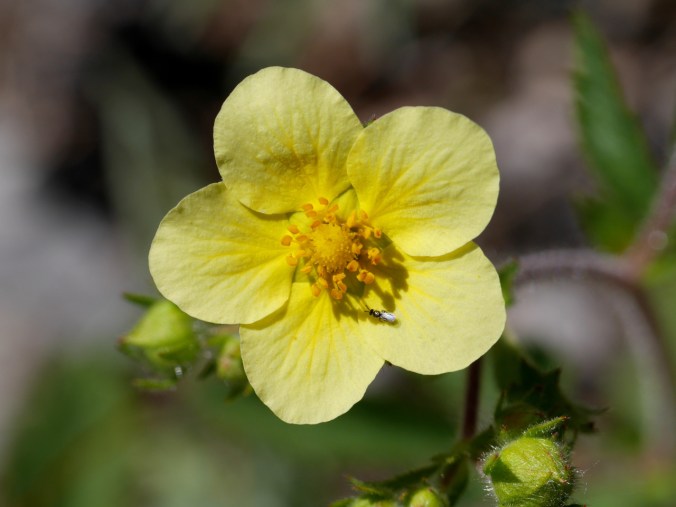
Potentilla gracilis “Slender Cinquefoil” Rosaceae

Lolo National Forest, Bitterroot Mountains, MT
May 10, 2015
Robert Niese

Cinquefoils are named for their 5-parted leaves, although many members of Potentilla lack these characteristic leaf shapes. Potentilla fruits are aggregate fruits like raspberries and blackberries and, while completely edible, they are said to taste horrid.

Dichelonyx valida “May Beetle” Scarabaeidae

Lolo National Forest, Bitterroot Mountains, MT
April 19, 2015
Robert Niese

These charismatic, iridescent Scarab beetles are relatively common throughout the Pacific Northwest in the spring. The adults forage on the leaves of many species of conifers and deciduous trees. While the taxonomy for these species is still quite a mess, our region has two distinct species groups. Members of the D. valida group have a large ridge down the center of their pronotum while members of the D. backi group lack a ridge.

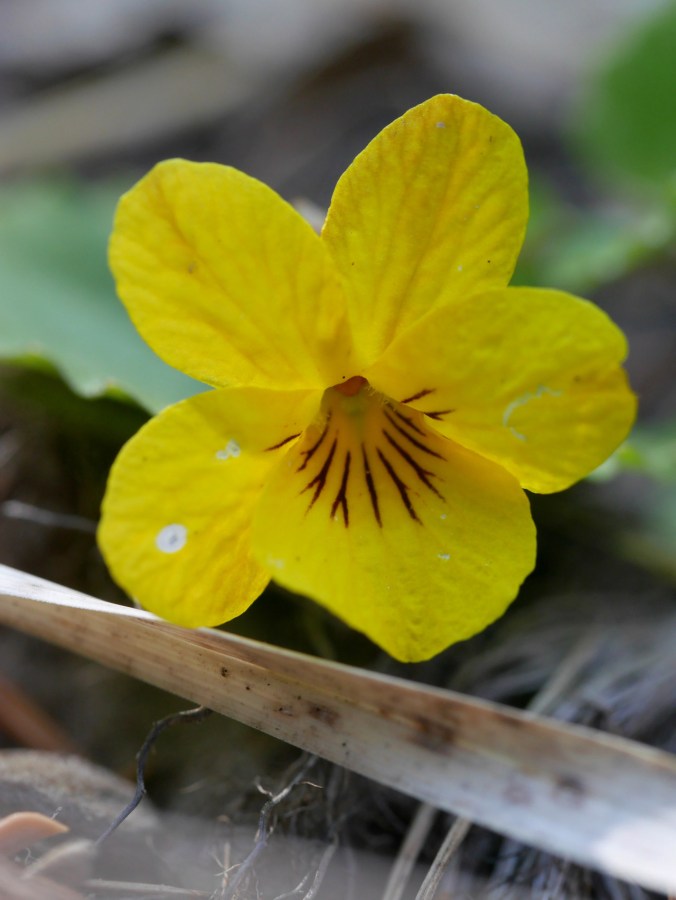
Viola orbiculata “Darkwoods Violet” Violaceae

Lolo National Forest, Bitterroot Mountains, MT
May 10, 2015
Robert Niese

There are only two species of Violets with leaves that persist through the winter in the PNW; the Darkwoods Violet and the Evergreen Violet (V. sempervirens). West of the Cascades moist forests are rife with V. sempervirens (a PNW endemic) while V. orbiculata is primarily found farther east (but can also be found in the west, typically in montane zones). Both have yellow flowers and similarly-shaped leaves and were once thought to be the same species.

Marchantia polymorpha “Common Liverwort” Marchantiaceae

Lolo National Forest, Bitterroot Mountains, MT
May 10, 2015
Robert Niese

Liverworts are ancient plants that likely resemble their very first ancestors that colonized land 450 million years ago. Liverworts have male and female fruiting bodies (antheridia and archegonia, respectively) that produce either sperm or eggs. These cute little flat-topped umbrellas are the antheridia and are producing sperm. The next time it rains, these sperm will find their way to a fingery-topped umbrella (the archegonia) to fertilize eggs and produce a new plant. These particular liverworts were abundant in the dense understory of a recently burned site along with the Goblet Fungus, Geopyxis carbonaria.

Mitella (Ozomelis) stauropetala “Smallflower Miterwort” Saxifragaceae

Lolo National Forest, Bitterroot Mountains, MT
May 10, 2015
Robert Niese

Chiefly found east of the Cascades, the Smallflower Miterwort is a common resident of moist, dense forests of the Pacific Northwest. Up to 35 flowers grow on leafless stems from a rosette of palmately lobed leaves.

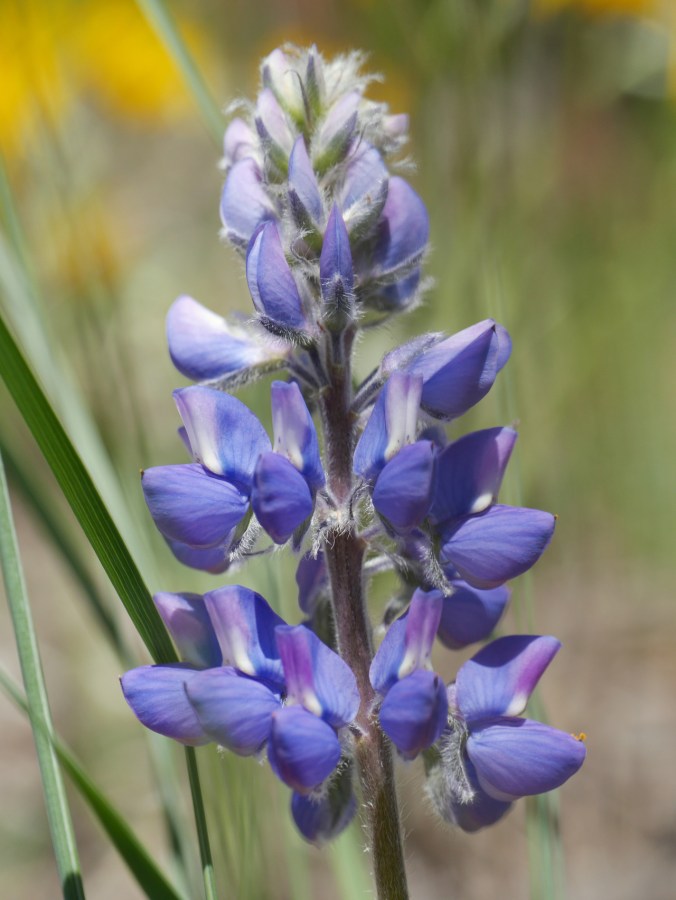
Lupinus argenteus var. argenteus “Silvery Lupine” Fabaceae

Lolo National Forest, Bitterroot Mountains, MT
May 10, 2015
Robert Niese

Our two most common Lupines in the Missoula area are the Silvery and Silky Lupines (L. argenteus and L. sericeus, respectively). You can easily tell them apart by the upper petals on their flowers (called the “banner” in papilionaceous pea flowers). In the Silvery Lupine (pictured here), the backside of the banner has no hairs, while the Silky Lupine has a dense coating of hair on its banners. In our area, Silvery Lupines that grow in the dry soils of Ponderosa Pinelands and have folded leaflets are of the var. argenteus.

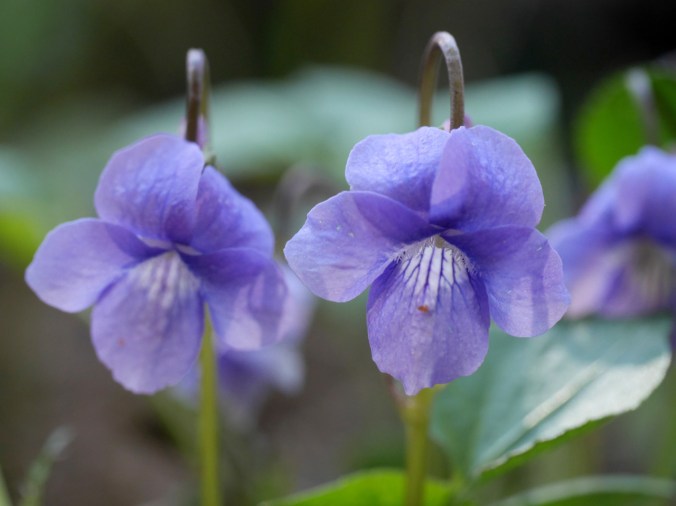
Viola adunca “Hookedspur Violet” Violaceae

Lolo National Forest, Bitterroot Mountains, MT
May 10, 2015
Robert Niese

The Hookedspur Violet is an abundant, easily recognized flower found throughout the Northwest. In our area it is readily distinguished from other purple-flowered violets by its long spur (not shown here) and its lance-ovate or near-cordate-ovate leaves. 

Ribes lacustre “Spiny Swamp Currant” Grossulariaceae

Lolo National Forest, Bitterroot Mountains, MT
May 10, 2015
Robert Niese

East of the Cascades, the Spiny Swamp Currant is the most common member of Ribes in shady, wet areas of dense coniferous forests. Their berries, like most Ribes are edible but quite unpalatable. 

Arnica cordifolia “Heart-leaf Arnica” Asteraceae

Lolo National Forest, Bitterroot Mountains, MT
May 10, 2015
Robert Niese

These lovely flowers are literally blanketing the otherwise barren burn areas of the Lolo National Forest this year!