Holodiscus discolor “Oceanspray” Rosaceae

Mt. Sentinel, Lolo National Forest, MT
September 12, 2015
Robert Niese

Oceanspray is one of my favorite plants here in the PNW. It’s a modest-sized shrub that grows foamy white inflorescences that brighten up nearly all open hillsides west of the Rocky Mountains in the spring. These inflorescences are long-lived and fade to a creamy beige that contrasts nicely with their rich green foliage throughout the summer. In the fall, Oceanspray leaves begin changing early in the season and progress through a rainbow of colors until becoming a uniform maroon-scarlet after the first frosts of October. These plants have a very tough wood that is resistant to fire and are regularly the first plants to recolonize areas following a burn.

Listera caurina “Northwestern Twayblade” Orchidaceae

Great Burn, Lolo National Forest, MT
July 10, 2015
Robert Niese


These tiny orchids are extremely common in moist forests throughout the PNW, but their minute flowers (only 6mm across!) and uniform green coloration make them easy to miss. Recent genetic research has placed all members of the genus Listera into the old world genus Neottia which used to contain a single, achlorophyllous species, but I’m really more of a lumper than a splitter, so I won’t be changing my taxonomy for a while!

Letharia vulpina “Wolf Lichen” on
Pinus ponderosa “Ponderosa Pine” Pinaceae

Mt. Sentinel, Lolo National Forest, MT
September 12, 2015
Robert Niese

Wolf lichen is a striking, extremely abundant lichen in our dry Ponderosa Pinelands here in the PNW. It’s electric yellow-green color comes from a compound produced by the fungus known as vulpinic acid. It is relatively toxic and in ancient Europe concentrated vulpinic acid was traditionally used as a poison for killing wolves (hence it’s common name). Here in the PNW, however, native peoples use the lichen as a dye for fabrics and baskets. You can learn how to make your own dyes from lichens like Letharia here.

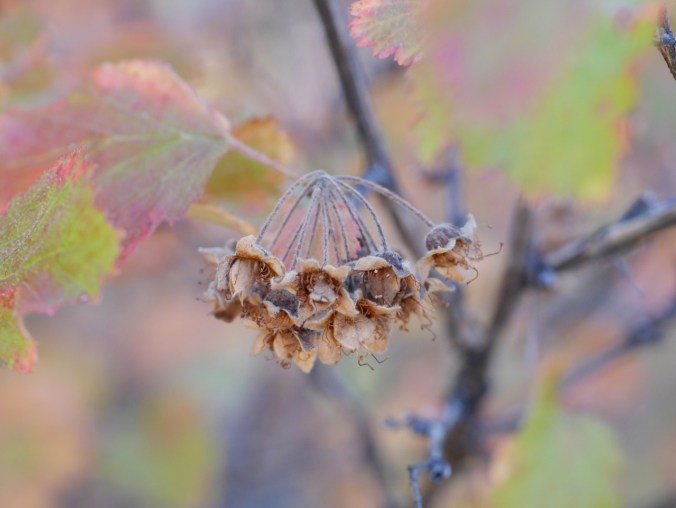
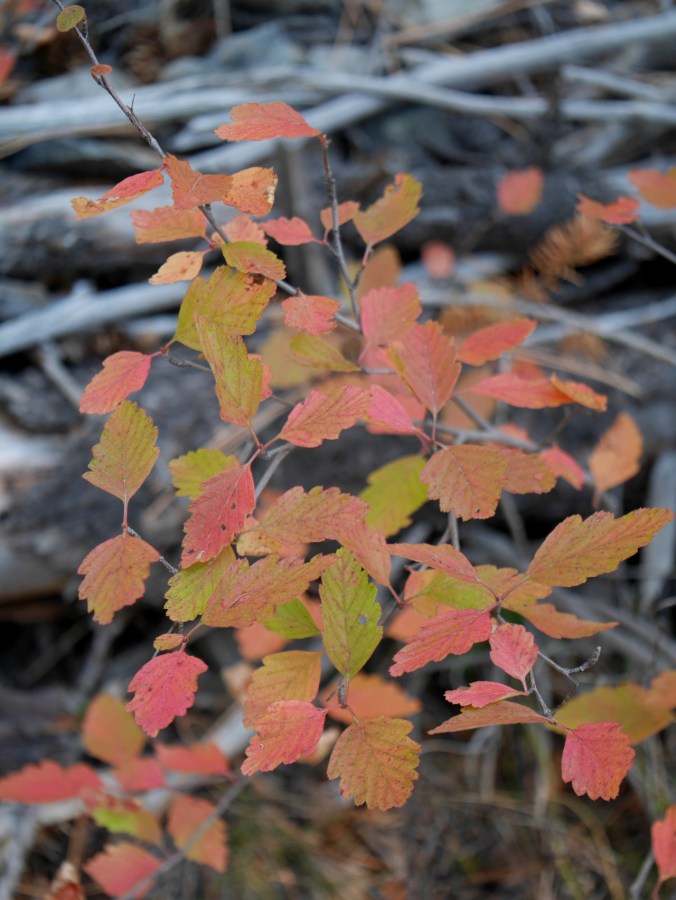
Physocarpus malvaceus “Mallow Ninebark” Rosaceae

Mt. Sentinel, Lolo National Forest, MT
September 12, 2015
Robert Niese

Ninebark is one of those plants I only begin noticing in the fall when their leaves turn scarlet. In the summer they briefly bloom small white flowers, but their petals quickly drop, leaving behind a green-red calyx that is easy to overlook. Along with the fact that these rosaceous plants don’t produce edible fruits (dry follicles, as you can see here), Physocarpus is a very underappreciated member of our dry Ponderosa Pine forests. But it plays a critical role in these fire-prone ecosystems and is a hardy pioneer species following all kinds of disturbances.

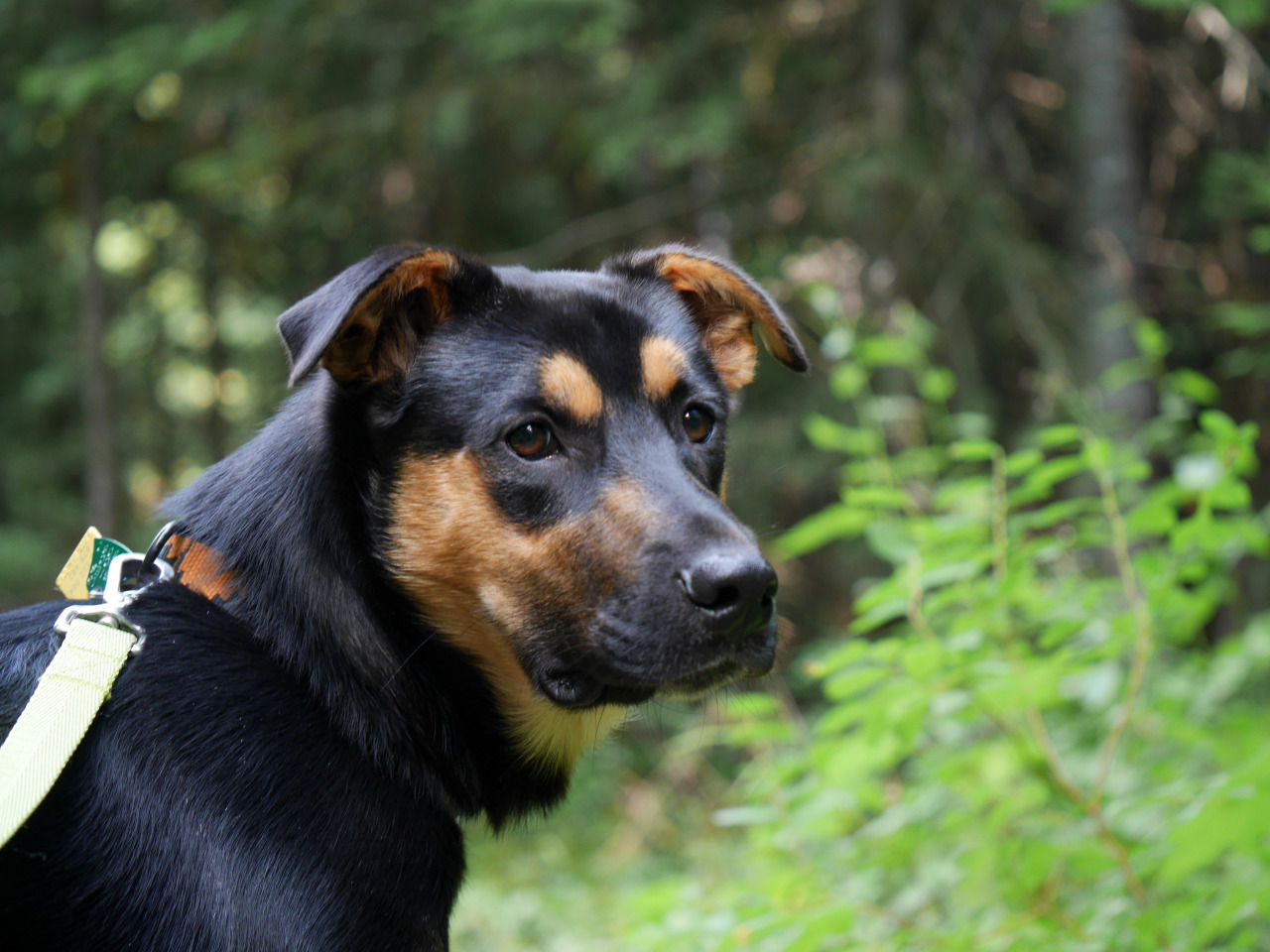
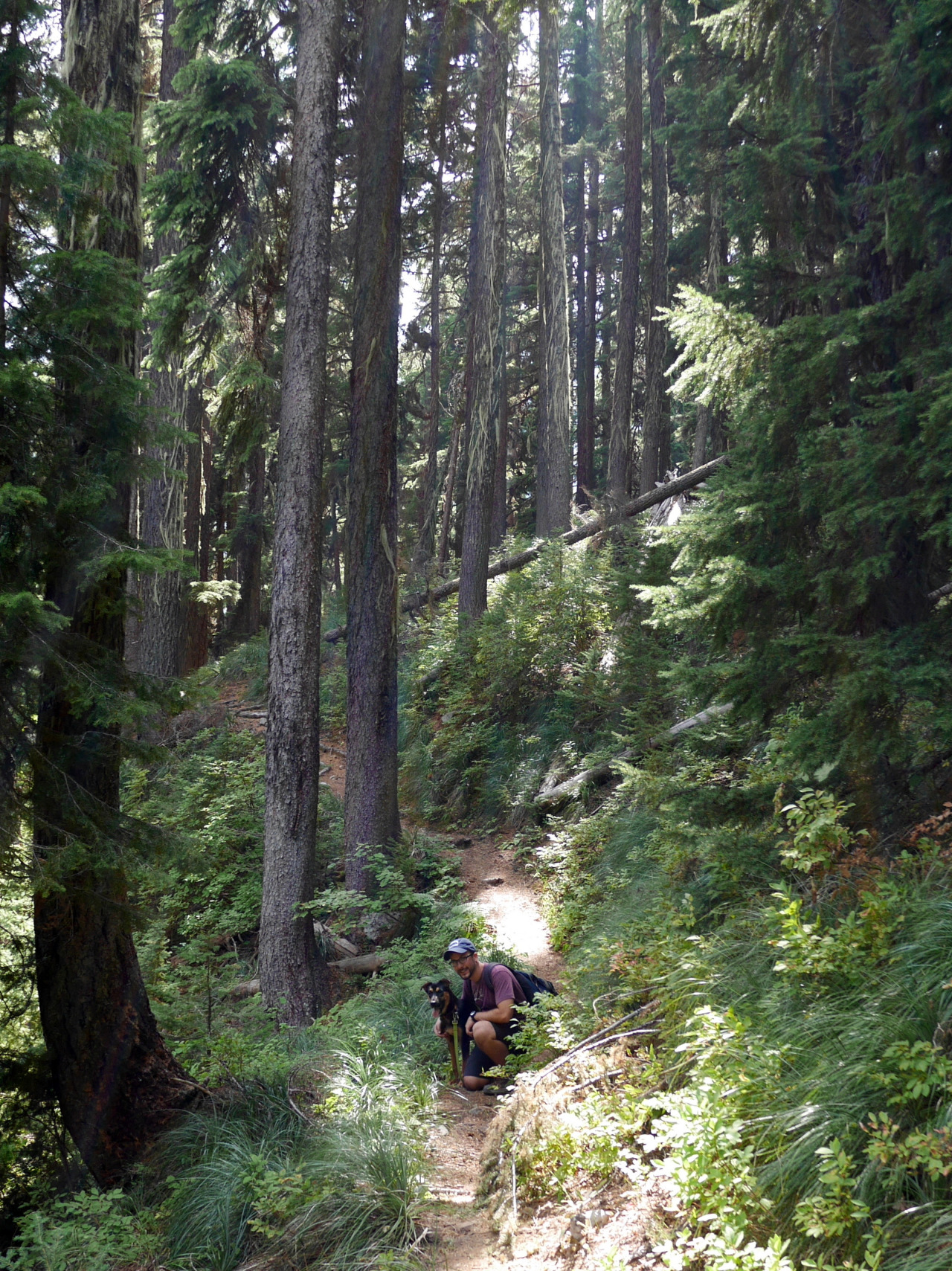
In honor of National Dog Day, get outside and explore with your canine friends!

Hub Lake Trail, Lolo National Forest, St. Regis, MT
August 16, 2015
Robert Niese

We recently adopted Zorro form RezQ Dogs and the Montana Companion Animal Network. Like all puppies, he loves getting outdoors and exploring all the sights and smells of our PNW forests. The gorgeous old growth cedar forests and spruce stands of the Hub Lake region are an especially unique trip for us, since most of the Missoula and Bitterroot Valley are drier, Ponderosa Pinelands. I highly recommend it to any of my followers from the eastern PNW!

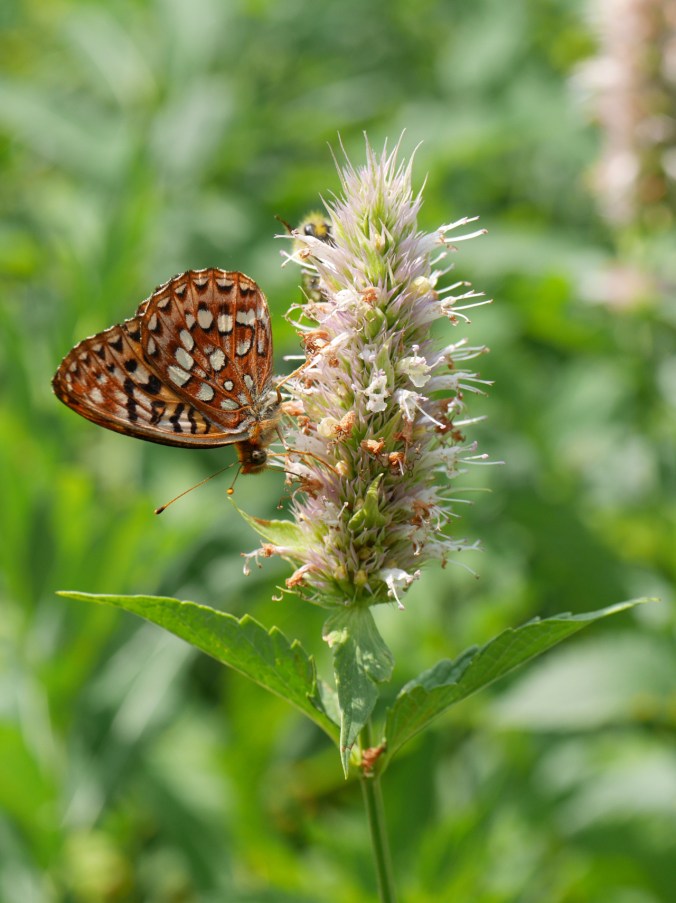
Speyeria hydaspe “Hydaspe Fritillary” Nymphalidae
on Agastache urticifolia “Nettle-leaf Giant Hyssop” Lamiaceae

Great Burn, Lolo National Forest, MT
July 10, 2015
Robert Niese

Fritillaries are a common, large butterfly here in the PNW east of the Cascades. There are several species that are regularly found in our area. Learn more about them here. This particular fritillary is feeding on the nectar of a very interesting and quite common local plant. Its Latin name, Agastache, is Greek for “many spikes” and, as you might guess, its inflorescence looks like a giant spike ball. Like many other members of the mint family, giant hyssop is commonly used in herbal teas and poultices for a variety of medicinal purposes. In particular, the leaves can be used to induce sweating and as a vasodilator. This particular species is quite abundant in the PNW east of the Cascades and is a favorite food source for many ungulates like deer, elk, cows, and moose.

Aconitum columbianum “Columbian Monkshood” Ranunculaceae

Great Burn, Lolo National Forest, MT
July 10, 2015
Robert Niese


Also known as Wolf’s Bane, Aconite, and Queen of all Poisons, members of the monkshood genus are world famous for the toxins they produce. The name Aconitum is believed to come from a Greek phrase that means “without struggle,” which is, of course, a reference to its swift lethality. Throughout the millennia, aconite has been utilized in countless murders, including the murder of Ptolemy XIV by his sister, Cleopatra. The poisons produced by this plant are so potent that simply brushing up against them can reportedly cause death. Here in the PNW, some native peoples once coated their spears and arrows in monkshood poisons to paralyze large game such as bears, wolves, and even whales.

Mimulus lewisii “Purple Monkeyflower” Phrymaceae (Scrophulariaceae)

Great Burn, Lolo National Forest, MT
July 10, 2015
Robert Niese

This species of monkeyflower was named after the naturalist and explorer, Meriwether Lewis (of Lewis and Clark), who discovered it in Montana, at the headwaters of the Missouri River. Although Lewis was not formally trained as a botanist, he collected and described hundreds of plant species, many of which were completely new to science at the time. Specimens of this particular plant, however, were lost in a flood and never made it back to Washington DC where they would have been cataloged, named, and formally described by Frederick Pursh. Instead, using only Lewis’s descriptions in his journal, Pursh was able to define this plant as a new species!

Spiraea densiflora (splendens) “Subalpine Spiraea” Rosaceae

Great Burn, Lolo National Forest, MT
July 10, 2015
Robert Niese


This species of Spiraea is a popular garden plant thanks to beautiful, fragrant pom-pom inflorescences. In the wild, it commonly inhabits moist, rocky slopes throughout the PNW. If you’d like to propagate your own, check out these instructions for collecting and germinating seeds.