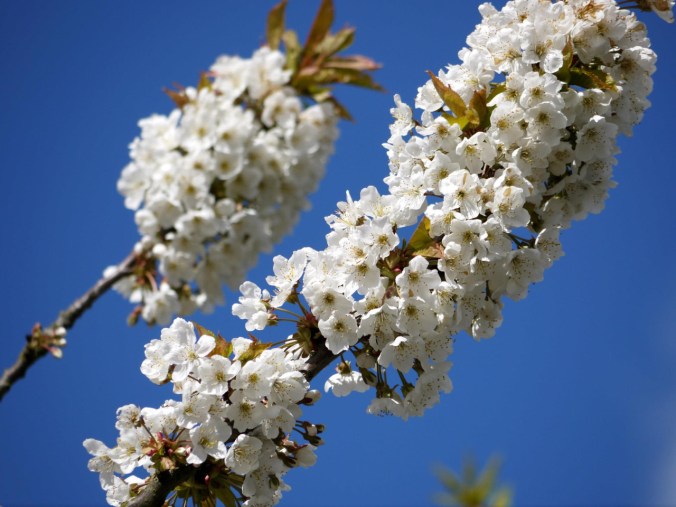
Prunus sp. “Cherry” Rosaceae
Tacoma, WA
April 14, 2013
Robert Niese
Prunus sp. “Cherry” Rosaceae
Tacoma, WA
April 14, 2013
Robert Niese

Apis mellifera “European Honeybee” Apidae
on Ranunculus glaberrimus “Sagebrush Buttercup” Ranunculaceae
Council Grove State Park, MT
March 16, 2015
Robert Niese
It’s warming up here in Missoula and spring may have sprung early! The first Ranunculus glaberrimus flowers bloomed around town in early February which is several weeks earlier than previous years. Today was even warm enough to bring out a few species of bees like this European Honeybee.

Aquilegia formosa “Western Columbine” Ranunculaceae
Olympic National Park, WA
June 5, 2013
Robert Niese
This abundant, widely-distributed Northwest native flower is a favorite of hikers from Yellowstone to Yukon. Look for it blooming in open moist forests from May to August.

Heracleum maximum “Common Cow-parsnip” Apiaceae
Olympic National Park, WA
June 1, 2013
Robert Niese
These weedy, roadside plants, named after Hercules because of their impressive size, are Northwest natives and can grow up to 2 meters tall! This shot nicely displays cow-parsnip’s flowers which occur in compound umbells.
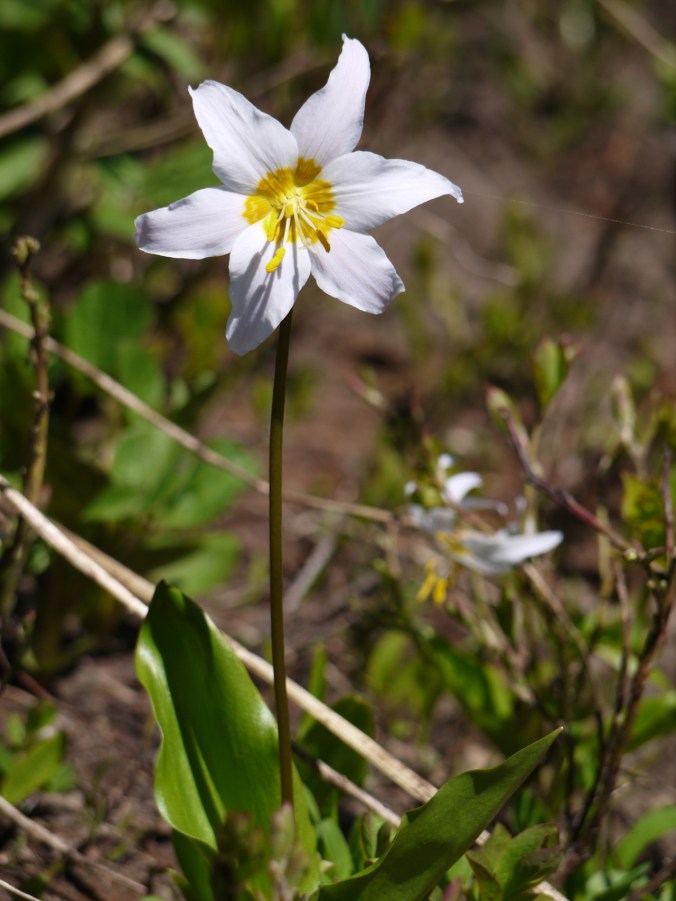
Erythronium montanum “Avalanche Lily” Liliaceae
Mount Rainier National Park, WA
August 4, 2012
Robert Niese
Avalanche Lilies are some of the first montane flowers to bloom in the PNW. As soon as the snow begins to melt, these guys are sprouting and preparing for the brief alpine summer. E. montanum is endemic to the Pacific Northwest and is only found in alpine and subalpine regions of the Cascade and Olympic mountain ranges.

Rosa nutkana “Nootka Rose” Rosaceae
Tacoma, WA
June 11, 2012
Robert Niese
This wild rose is a gorgeous and common inhabitant of moist forests throughout the northwest. When the flower dies in the fall, it leaves behind what is called a “hip.” This fruit is fantastic in teas and rich in vitamin C.
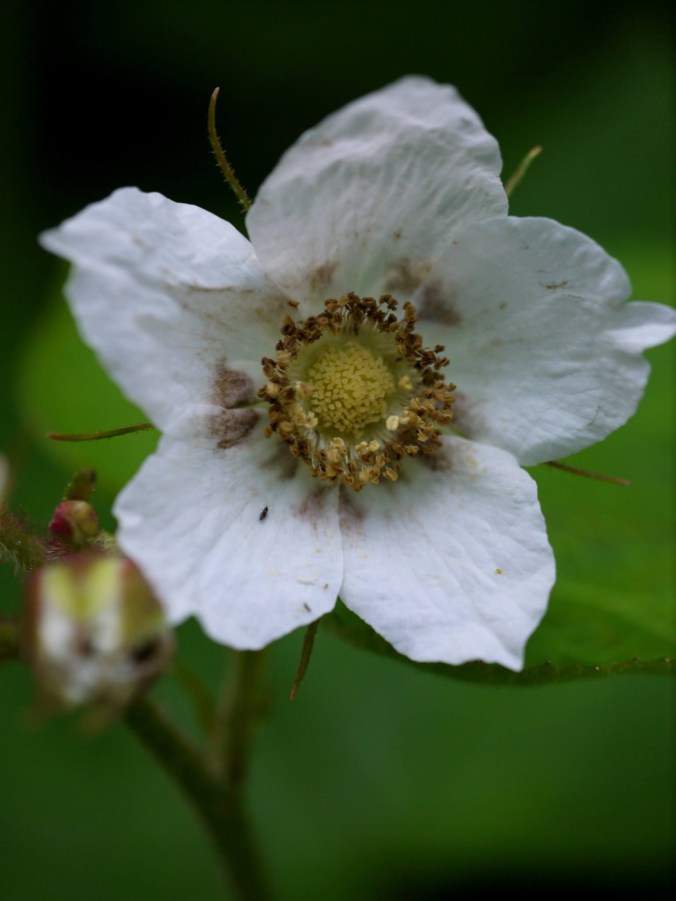
Rubus parviflorus “Thimbleberry” Rosaceae
Tacoma, WA
May 2013
Robert Niese
Thimbleberry is an abundant edible berry found throughout forests in the west. They tend to grow best in disturbed areas such as roadsides, landslides, and clear cuts.
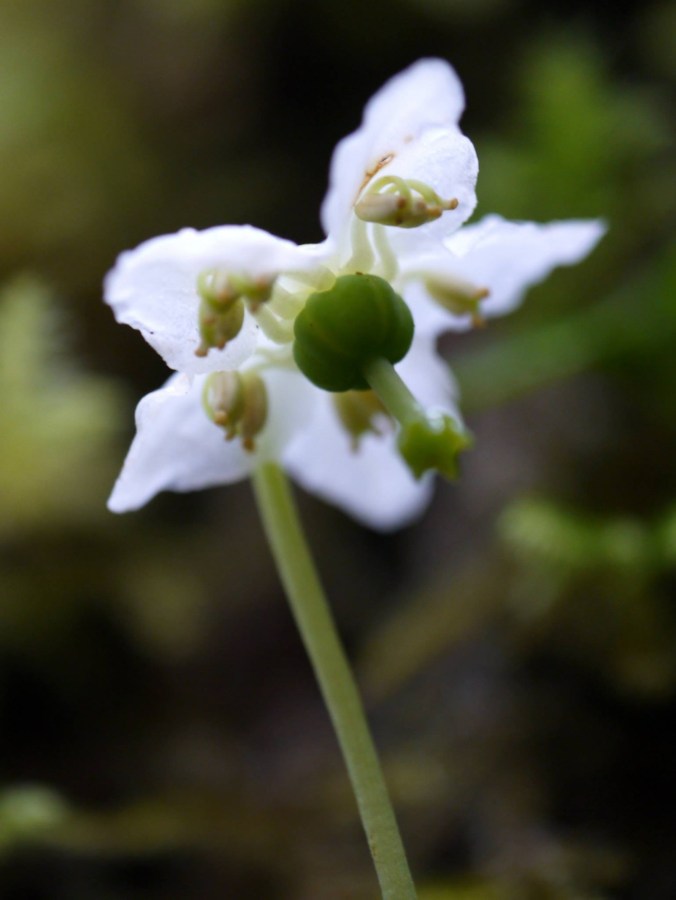
Moneses uniflora “Single-delight” Ericaceae
Olympic National Park, WA
June 1, 2013
Robert Niese
This unique Ericad is found in moist coniferous forests across the northern hemisphere and is the sole member of its genus. It truly is delightful!
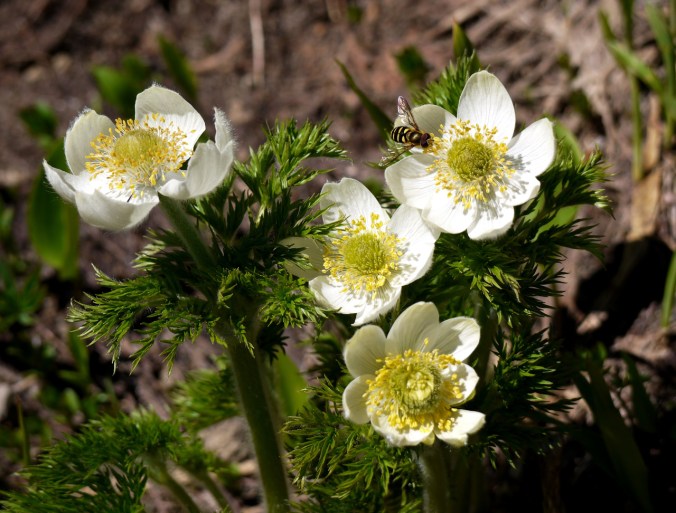
Anemone occidentalis “Western Anemone” Ranunculaceae
Mount Rainier National Park, WA
August 4, 2012
Robert Niese
While many hikers will often overlook the flowering phase of this Anemone, their fruiting phase is definitely impossible to miss.

Tragopogon dubius “Western Salsify/Goat’s-beard” Asteraceae
Missoula, MT
October 18, 2013
Robert Niese
This invasive weed is common throughout the eastern pinelands of the PNW and its giant, dandelion-like infructescences are easy to spot, even in late fall. The thick tuberous roots of this salsify, like its cultivated cousin T. porrifolius, are edible and apparently taste like artichoke hearts when prepared properly.
 Northwest Naturalist