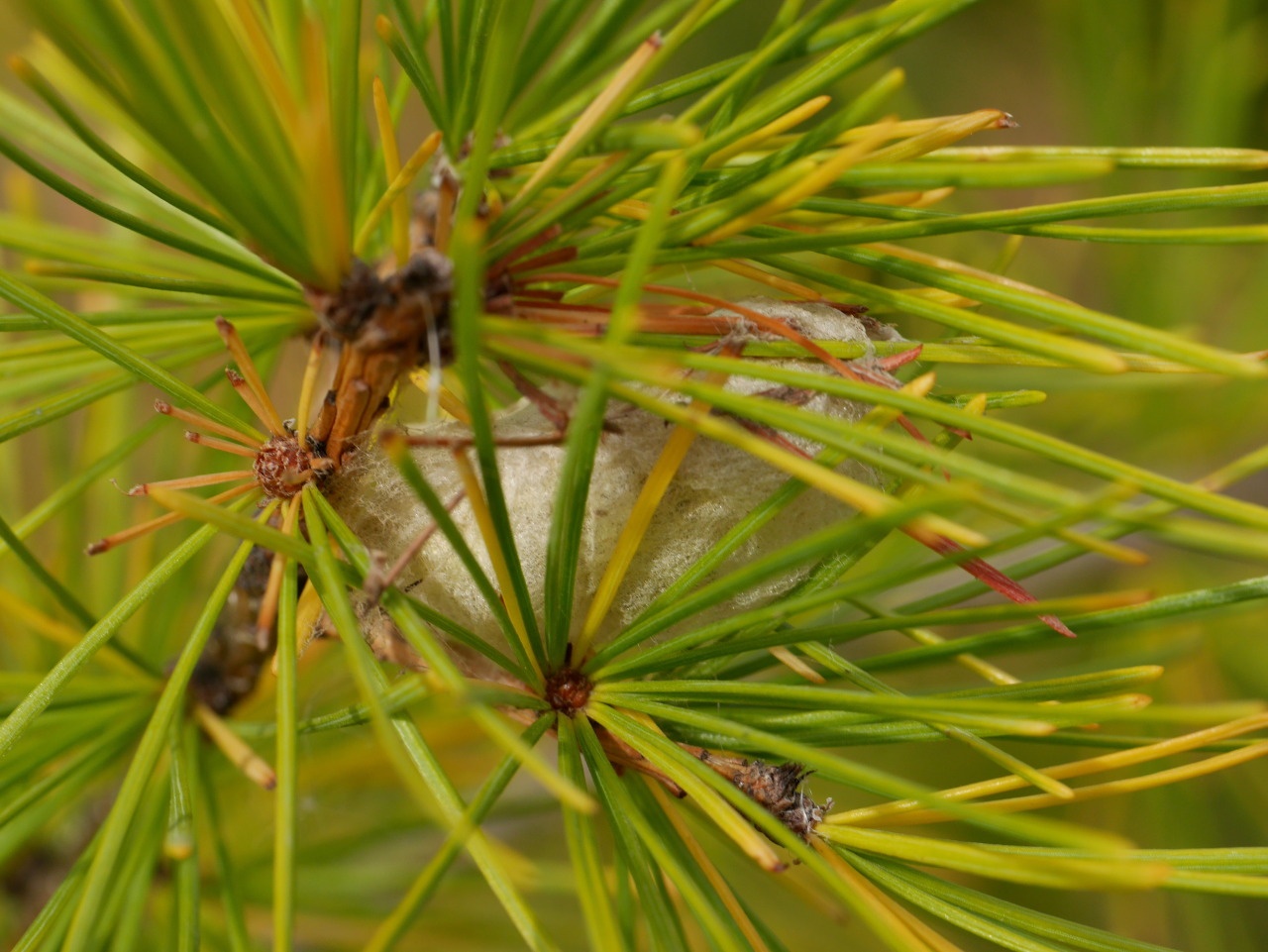
Malacosoma sp. “Tent Moth” Lasiocampidae, pupa on
Larix occidentalis “Western Larch” Pinaceae

Apgar Lookout Trail, Glacier National Park, MT
October 9, 2015
Robert Niese

The trails around Apgar are rife with Lasiocampidae pupae. They’ve spun their webby cocoons in every manner of tree, shrub, and man-made structure. Around Missoula, it wasn’t a very big year for tent moth caterpillars, but only a hundred miles away in Glacier National Park, Malacosoma numbers were significantly higher. These species go through regular boom and bust cycles and some years they become so abundant that entire forests can get defoliated. In my search of the literature, it appears that these moths overwinter as eggs, not as pupae. These pupating individuals certainly won’t survive the oncoming cold if that is indeed the case.
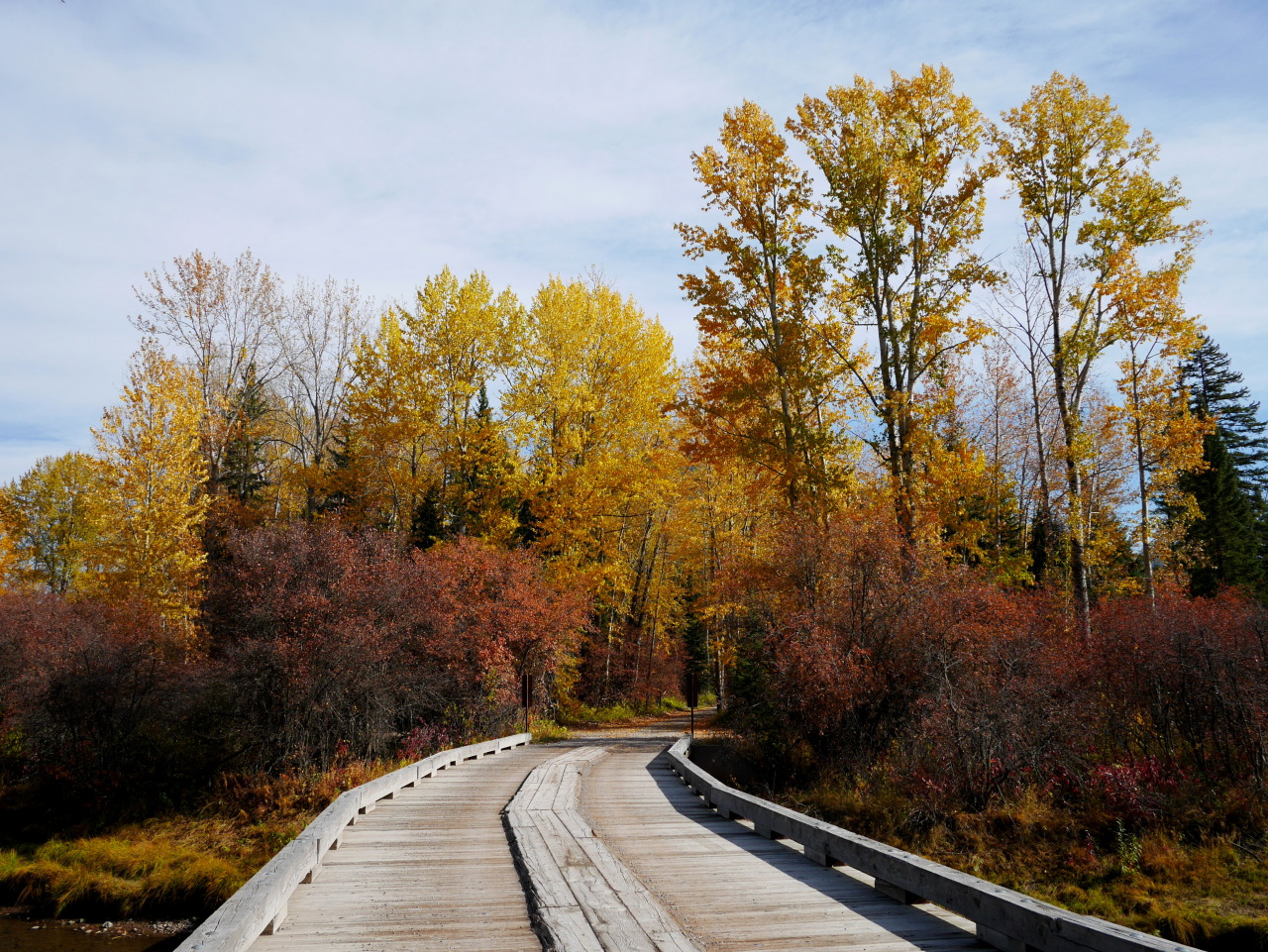
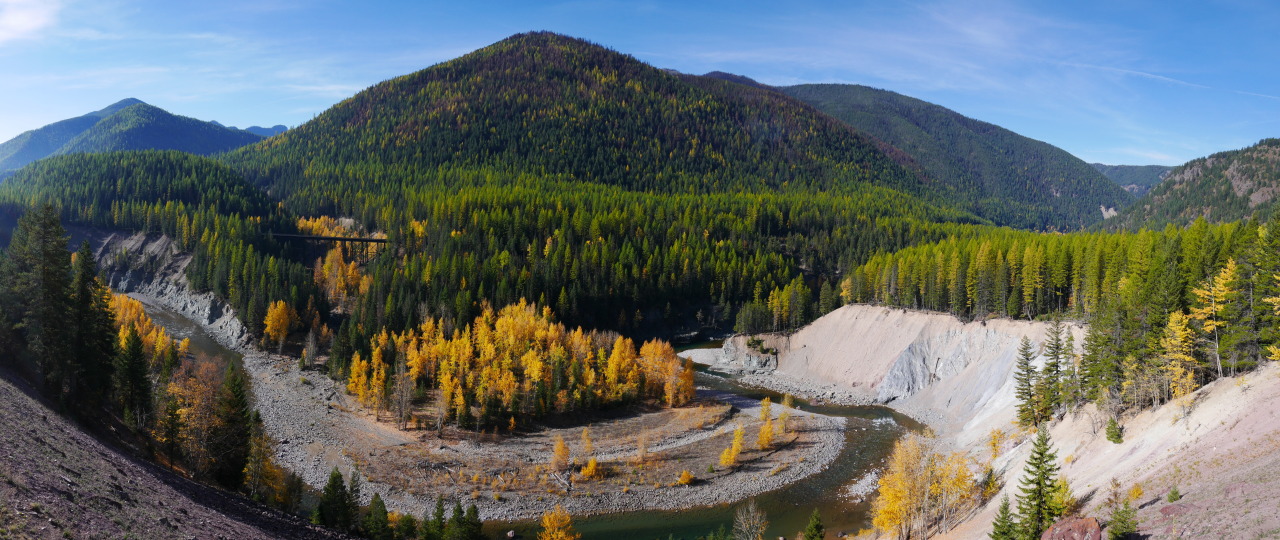
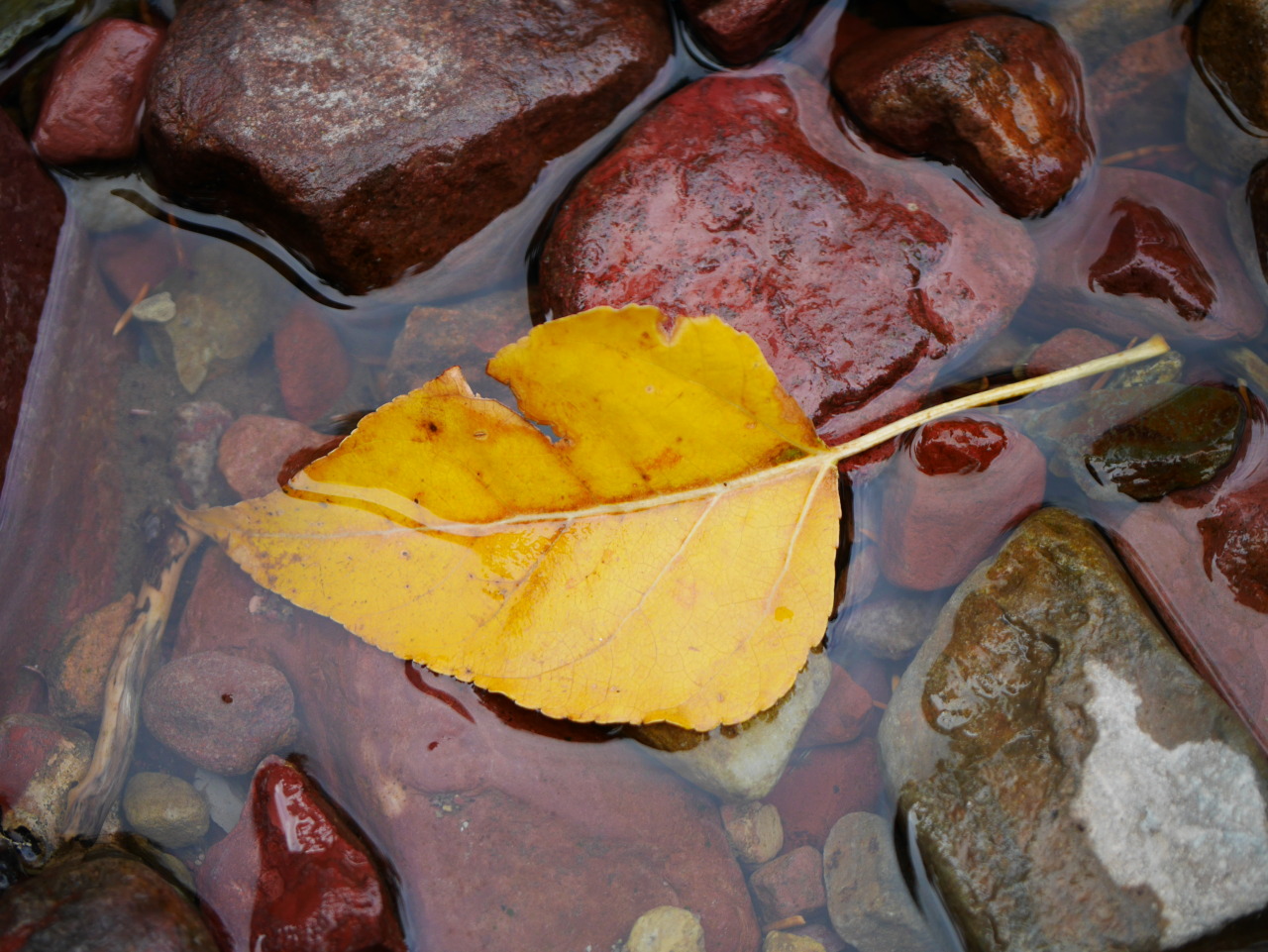
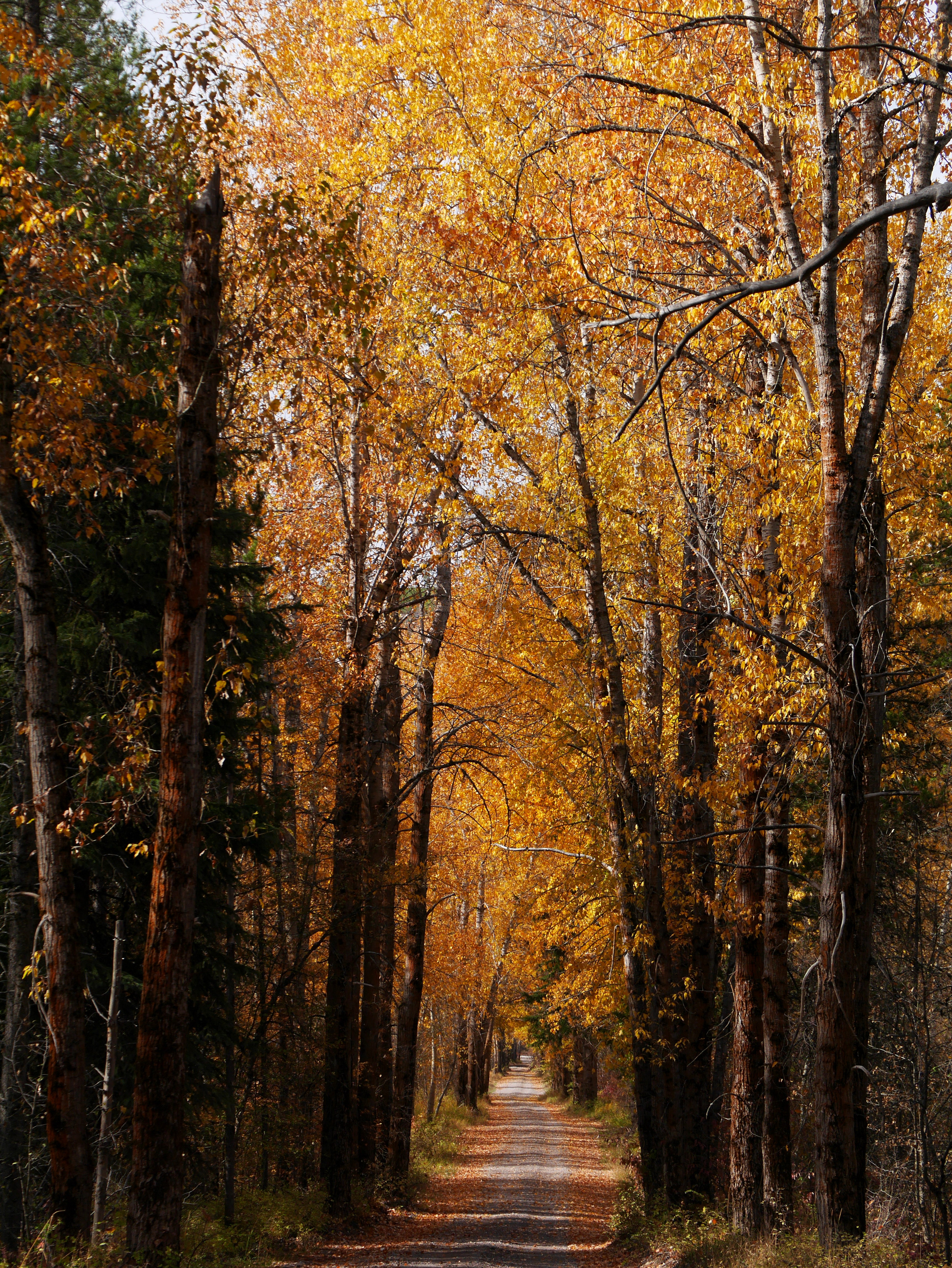
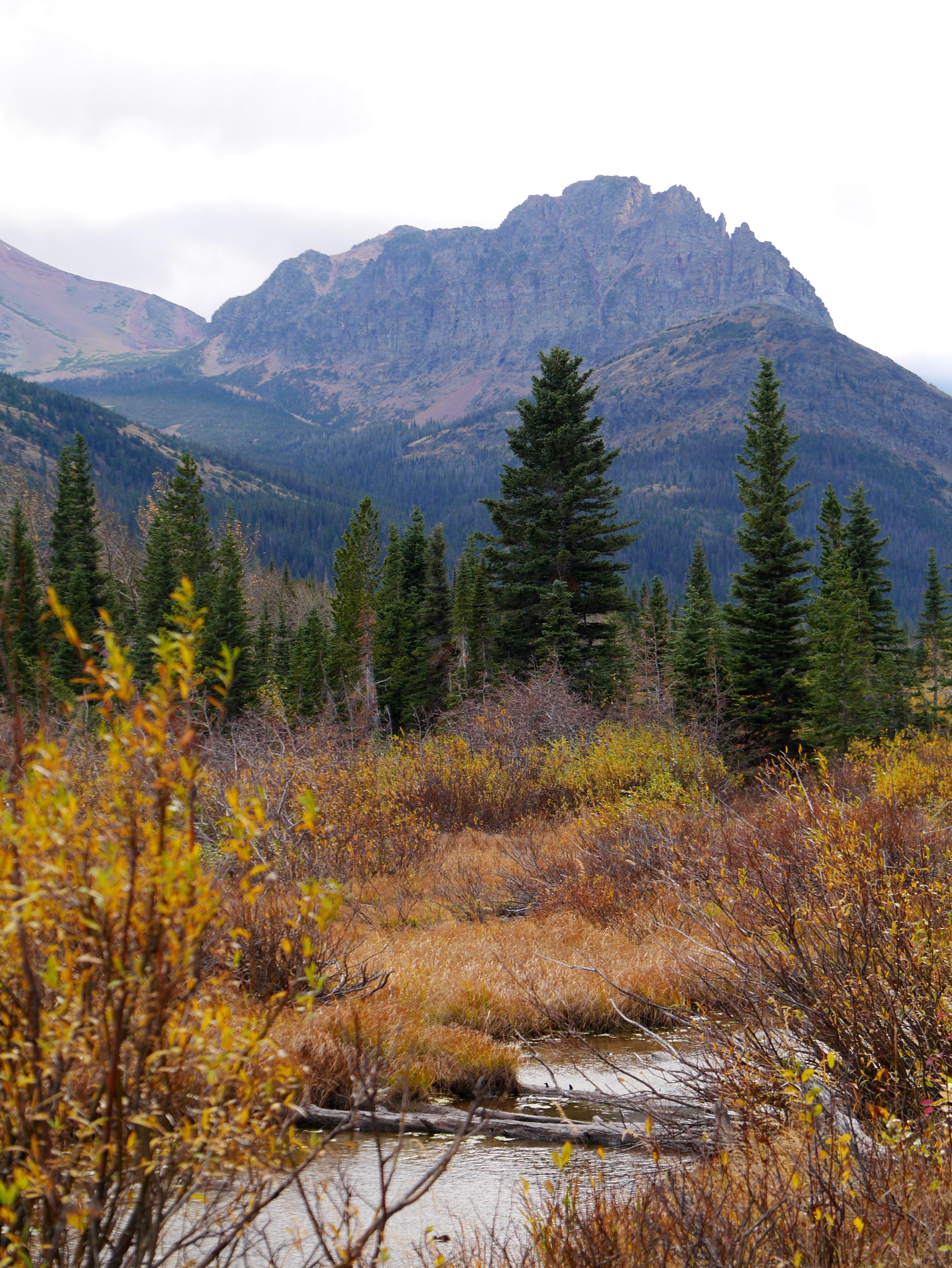
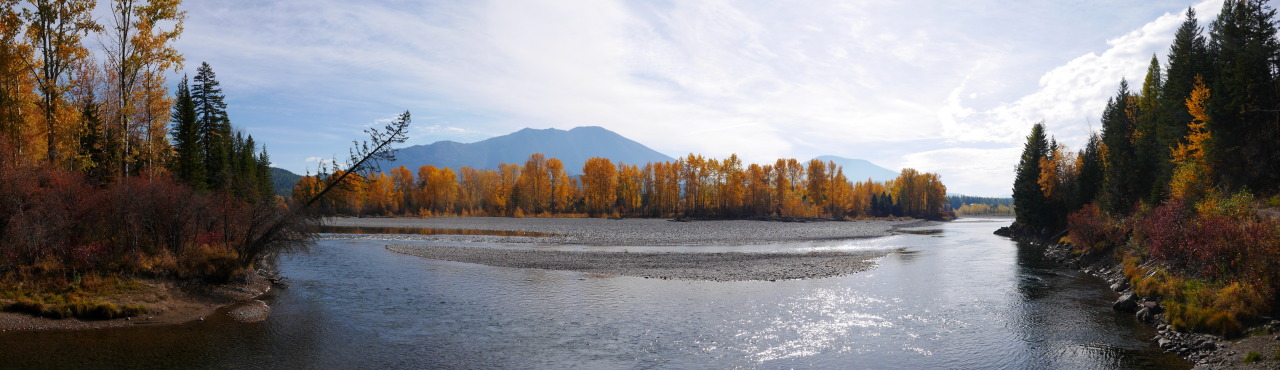
Apgar, Glacier National Park - by Robert NieseGoat Lick, Glacier National Park - by Robert NiesePopulus Leaf, Glacier National Park - by Robert NieseApgar, Glacier National Park - by Robert Niese   Two Medicine, Glacier National Park - by Robert NieseApgar, Glacier National Park - by Robert Niese

Fall is in full swing here in Montana!

I made it up to Glacier National Park this weekend to experience some fall foliage firsthand. It was absolutely stunning!

Here’s a brief guide to foliage colors in Western Montana!

Yellow:

  • Members of Salicaceae (Cottonwoods, Aspens, Poplars, Willows) and Betulaceae (Alders, Birch) dominate the yellow palate of our PNW hillsides. These species begin turning in September and their colors will persist, depending on rain and wind, until late October.
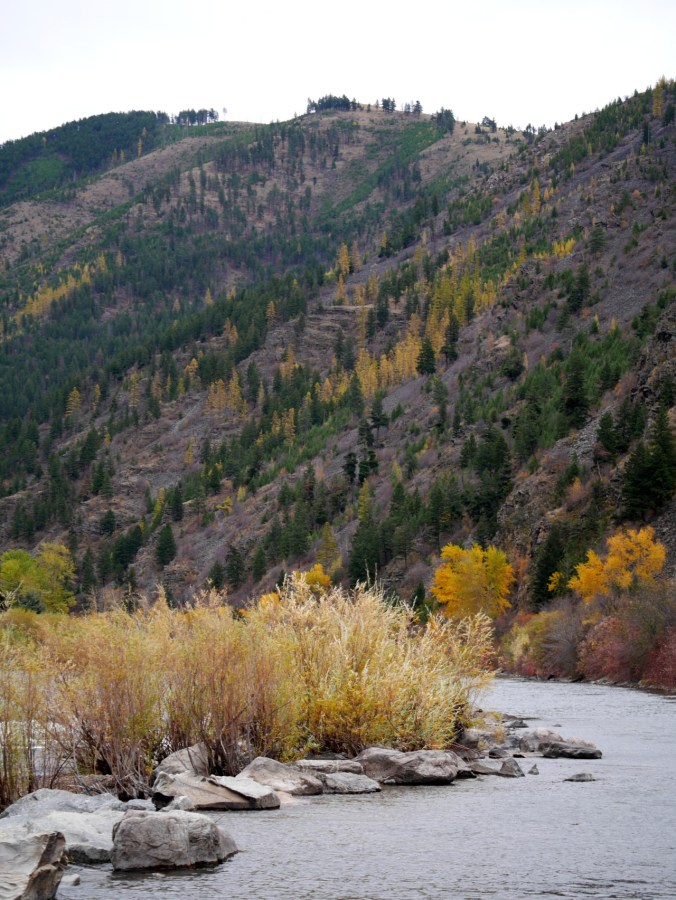
  • Larch (Larix) is our only deciduous conifer in the PNW. Depending on elevation, Larch will begin turning between the first and third weeks of October.
  • Bracken Fern (Pteridium aquilinum) and Thimbleberry (Rubus parviflorus) also maintain a substantial degree of yellowness early in the fall before turning pale brown in October.

Red:

  • Red fall foliage in western Montana is largely restricted to the understory.
  • Ericaceous shrubs such as Huckleberries (Vaccinium) change color depending on sun exposure. On exposed hillsides, they’ll be red before August, while in dense forests, they may only begin changing in October.
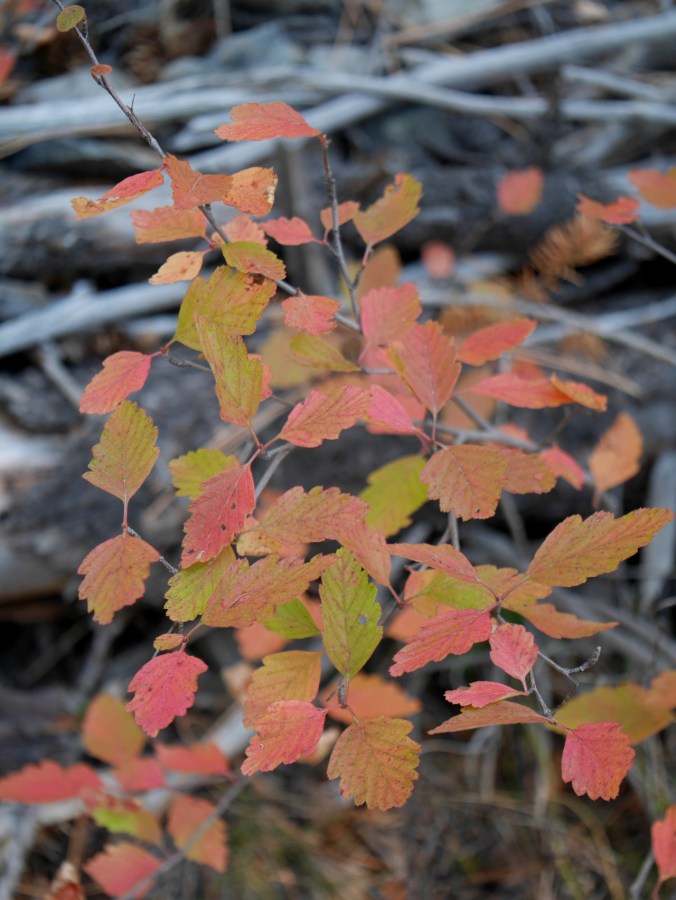
  • Rosaceous shrubs such as Oceanspray (Holoduscus), Ninebark (Physocarpus), Spiraea, Hawthorn (Crataegus), and Rose (Rosa) also tend to go through a red phase in their color change. While some of these species appear to start early (September), most of their change will persist well into October and even November.
  • Red-osier Dogwood (Cornus sericea) has an interesting color change. Here in the riparian areas of Western Montana, they appear to go through a green and maroon phase, which is quite lovely, before losing their leaves entirely. Fortunately, even after losing their leaves, these shrubs have phenomenal red stems that definitely supplement the colors of fall.
  • Maple (Acer) also go through a red phase here in western Montana. These native species appear to have dropped most of their leaves by mid-October.

Species with little color change:

  • I’ve noticed several dominant deciduous trees and shrubs that don’t appear to change color considerably with the seasons. Of these, Ceanothus and Symphoricarpos are the most abundant.
  • Ceanothus tends to keep its green foliage throughout the year or turn straight to brown in the fall.
  • Snowberries (Symphoricarpos) appear to do a variety of things, but here in western Montana, they generally drop their leaves quickly without much ado.

Holodiscus discolor “Oceanspray” Rosaceae

Mt. Sentinel, Lolo National Forest, MT
September 12, 2015
Robert Niese

Oceanspray is one of my favorite plants here in the PNW. It’s a modest-sized shrub that grows foamy white inflorescences that brighten up nearly all open hillsides west of the Rocky Mountains in the spring. These inflorescences are long-lived and fade to a creamy beige that contrasts nicely with their rich green foliage throughout the summer. In the fall, Oceanspray leaves begin changing early in the season and progress through a rainbow of colors until becoming a uniform maroon-scarlet after the first frosts of October. These plants have a very tough wood that is resistant to fire and are regularly the first plants to recolonize areas following a burn.

Phleum pratense “Timothy” Poaceae

Seeley Lake, MT
September 13, 2014
Robert Niese

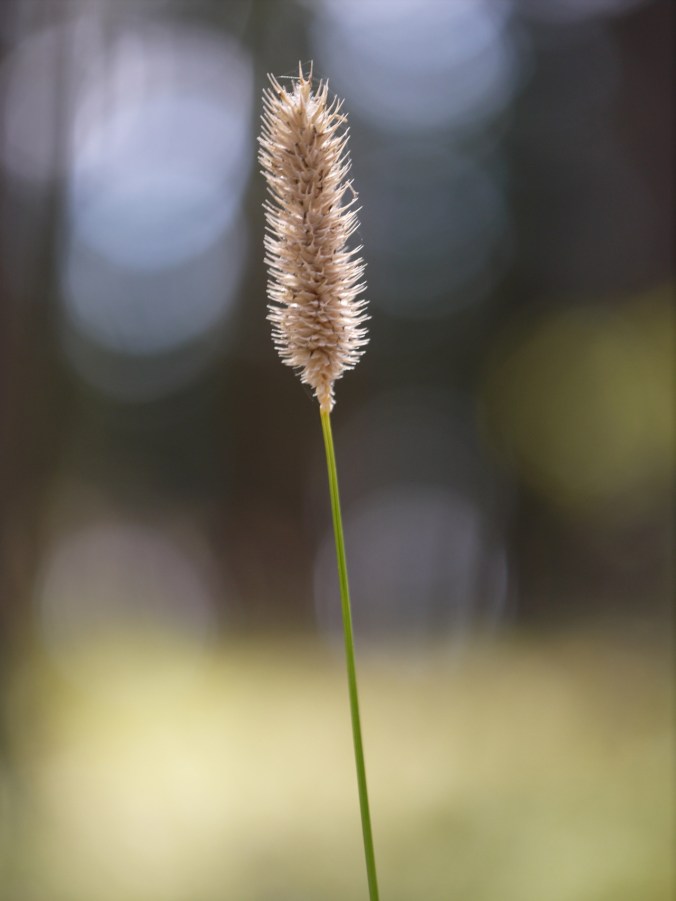
Timothy grass has been introduced throughout most of North America and is commonly found along roads and trails here in western Montana. It flowers late in the summer and by fall its inflorescence dries out and it begins looking quite sedge-like. It is easily distinguished from other similar grasses by its double-pointed, horn-like spikelets.

Physocarpus malvaceus “Mallow Ninebark” Rosaceae

Mt. Sentinel, Lolo National Forest, MT
September 12, 2015
Robert Niese

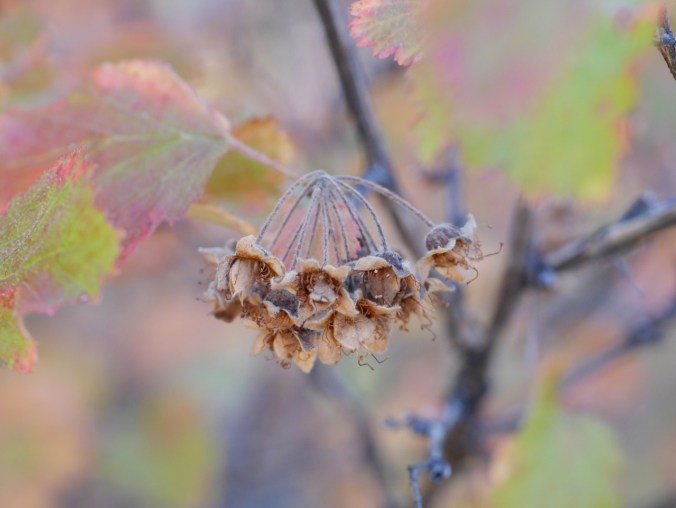
Ninebark is one of those plants I only begin noticing in the fall when their leaves turn scarlet. In the summer they briefly bloom small white flowers, but their petals quickly drop, leaving behind a green-red calyx that is easy to overlook. Along with the fact that these rosaceous plants don’t produce edible fruits (dry follicles, as you can see here), Physocarpus is a very underappreciated member of our dry Ponderosa Pine forests. But it plays a critical role in these fire-prone ecosystems and is a hardy pioneer species following all kinds of disturbances.

Fall colors along the Clark Fork River

Missoula, MT
October 23, 2014
Robert Niese

I’m off for while to take my Comprehensive Exams for my Ph.D. Wish me luck! If you don’t hear from me by October, I probably failed and became a hermit. 

Now, get outside and enjoy your the fall!

Ochlodes sylvanoides “Woodland Skipper” Hesperiidae

Missoula, MT
September 2, 2013
Robert Niese

These little guys are pretty common around Missoula in the late summer when they complete their metamorphosis. Look for them in grassy areas throughout the Pacific Northwest feeding on Asteraceae flowers like these weedy asters.

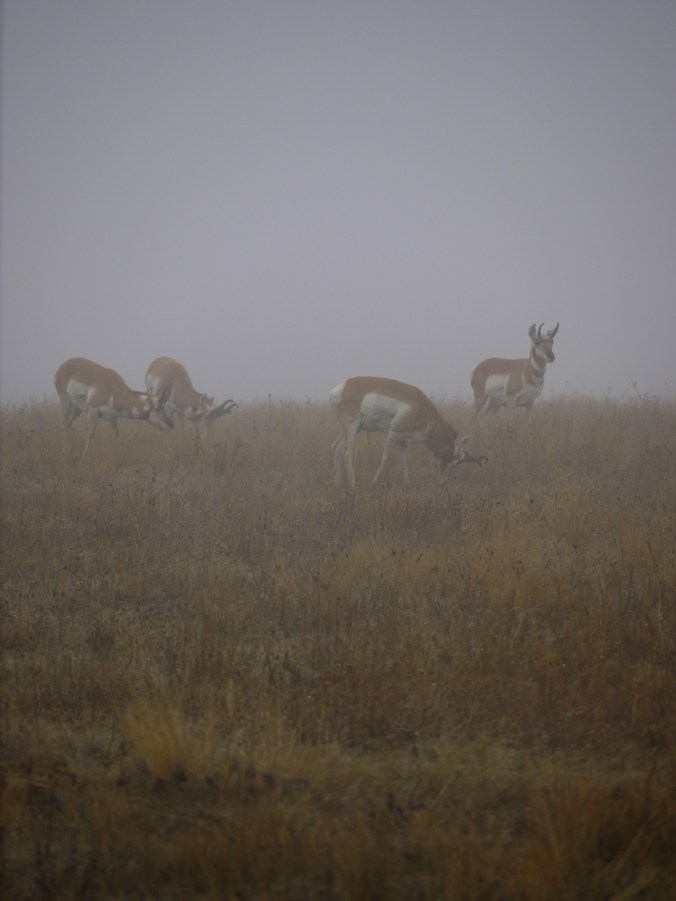
Antilocapra americana “Pronghorn Antelope” Antilocapridae (males)

National Bison Range, MT
October 26, 2013
Robert Niese

Pronghorn Antelope, like many other North American Ungulates, are polygynous. In other words, a single, dominant male claims a harem of females and battles with rival males to maintain control of the herd. The less fortunate, subservient males tend to form “bachelor herds” in which they practice sparring with one another until they are experienced and old enough to challenge the dominant male. Also, the Pronghorn Antelope family is one of only two North American mammal families that are endemic to the continent.