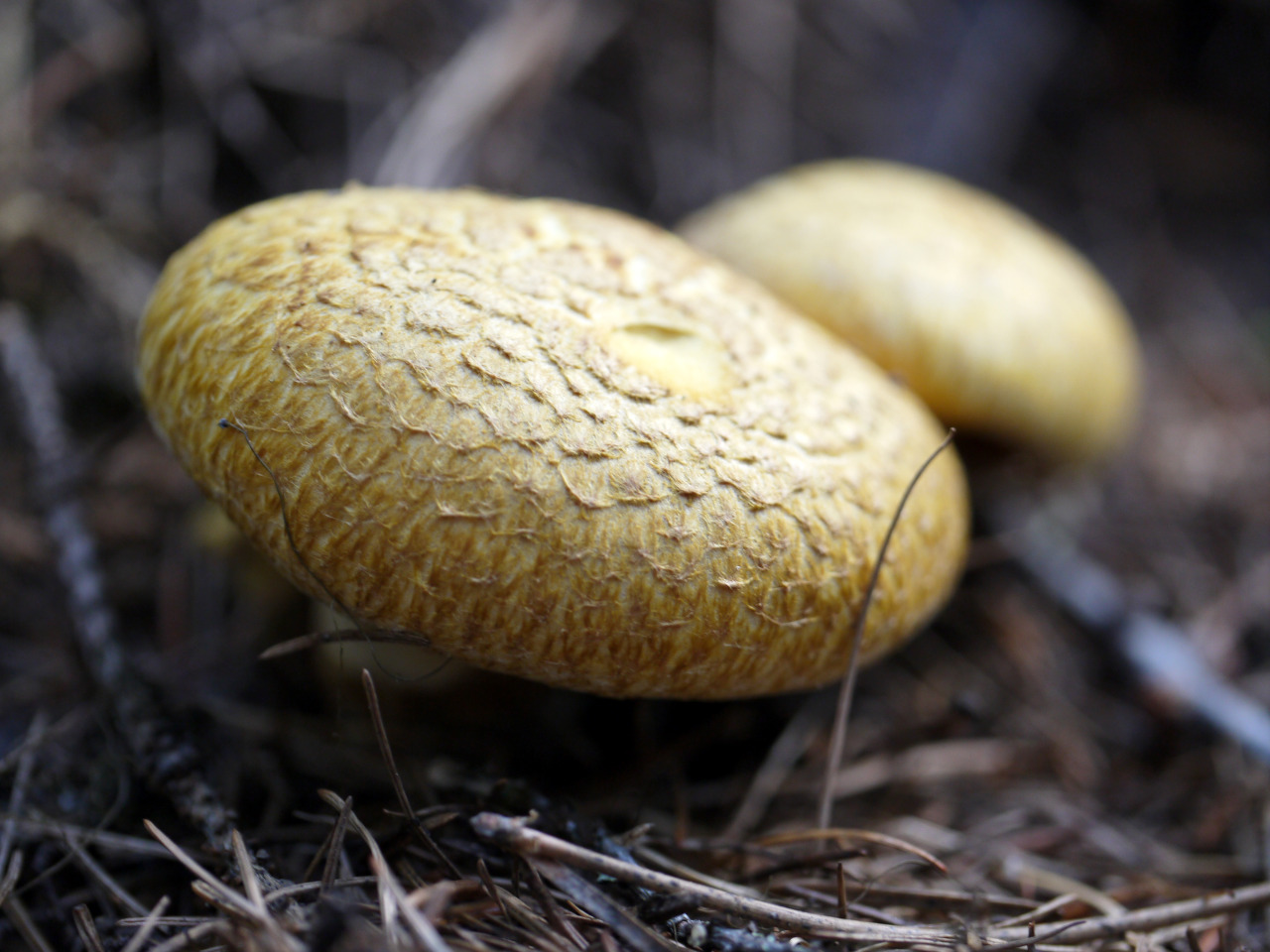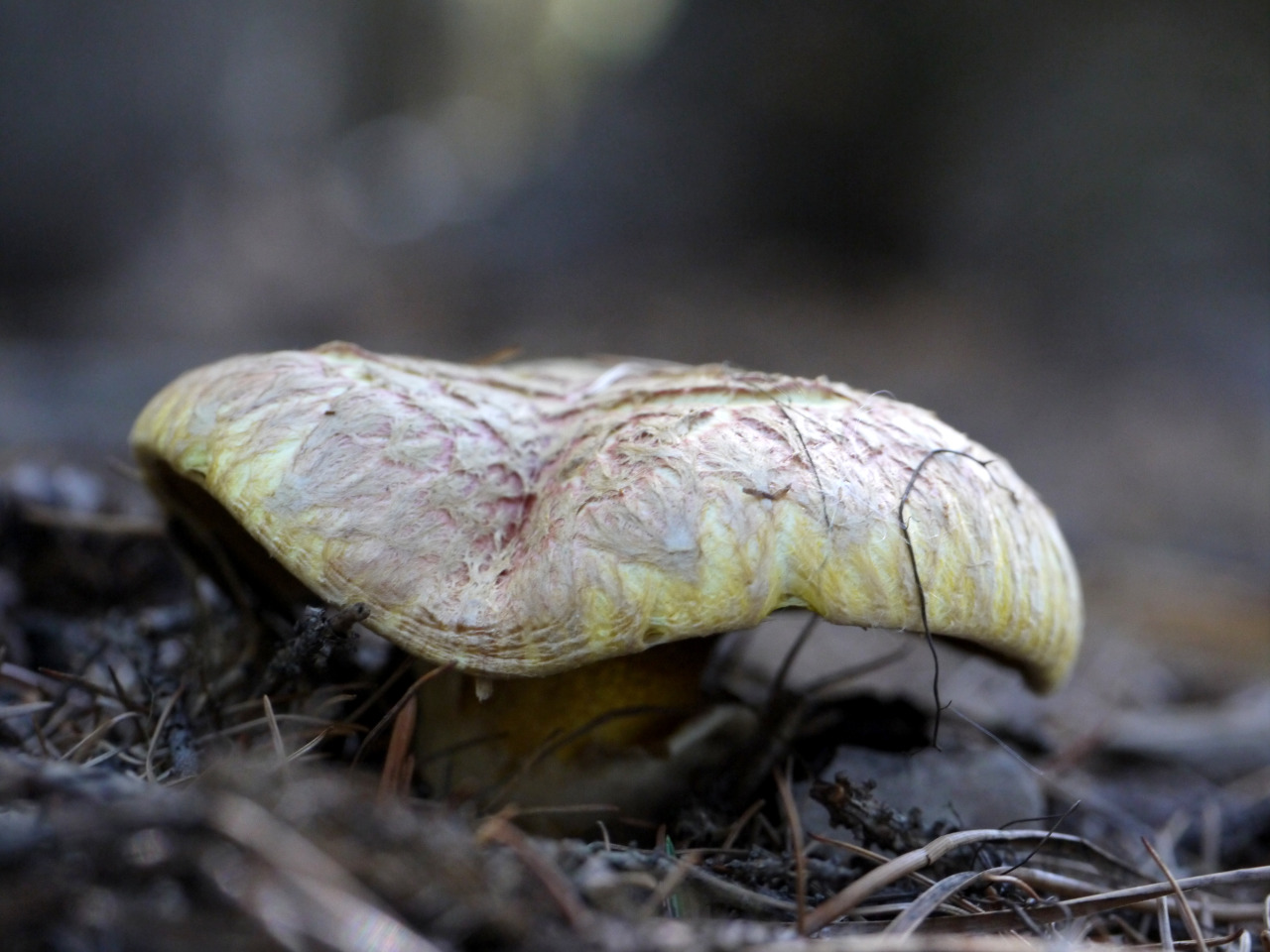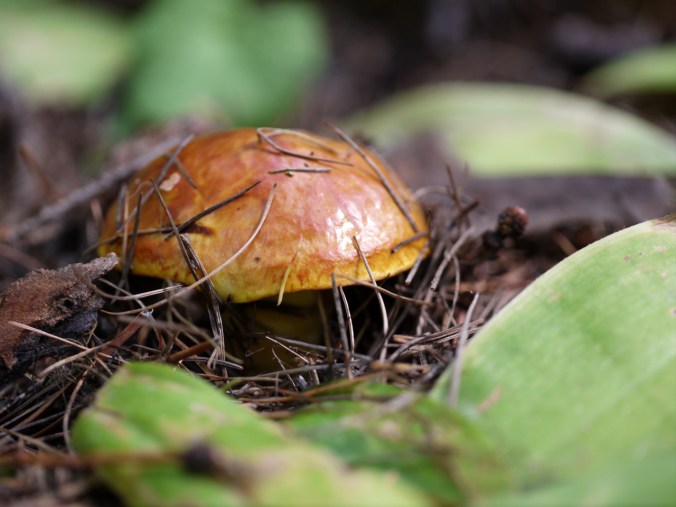
Suillus grevillei “Greville’s Suillus Bolete” Basidiomycota

Seeley Lake, MT
September 13, 2014
Robert Niese


Here’s another species of bolete in the easily recognizable Suillus genus that grows in the Larch forests around Seeley Lake. Again, this species of Suillus is an ectomycorrhizal symbiont with Larch. (I should note that not all members of this genus are associated with Larch, but when you’re hunting for mushrooms in a Larch forest, you tend to find Larch symbionts). This species, unlike the others I’ve posted so far, has a slimy or viscid cap. This slime is known to cause gastrointestinal problems for those adventurous enough to attempt to eat these fungi, so be sure to remove the outer layer prior to preparation. Unfortunately, Greville’s Bolete is said to have no flavor and a generally mushy consistency when cooked, so I just wouldn’t recommend it.
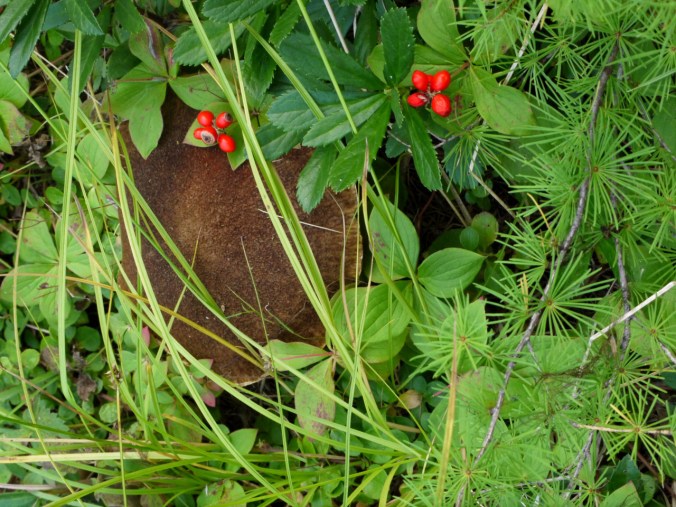
Suillus cavipes “Hollow-stemmed Suillus Bolete” Basidiomycota

Seeley Lake, MT
September 13, 2014
Robert Niese

Here’s another bolete from my late summer mushroom-hunting extravaganza in the Larch forests around Seeley Lake. This species, another easily-recognizable bolete in the genus Suillus, is also an ectomycorrhizal symbiont with larch trees (Larix). This species has a dry, very scaly cap that tends to be dark brown in color. Like other members of this genus, it also has angular pores that appear to radiate from the stipe. The best way to confirm the identification of this species, however, is to cut open its stipe and verify that it’s hollow. Unlike other members of this genus, S. cavipes is far more palatable and has a pleasant earthy taste when dried, but, like other Suillus boletes, tends to be slimy when cooked. Here, S. cavipes is growing among Twin-flower (Linnaea borealis), Canadian Bunchberry (Cornus canadensis), Prince’s Pine (Chimaphila umbellata), and, of course, Western Larch (Larix occidentalis).


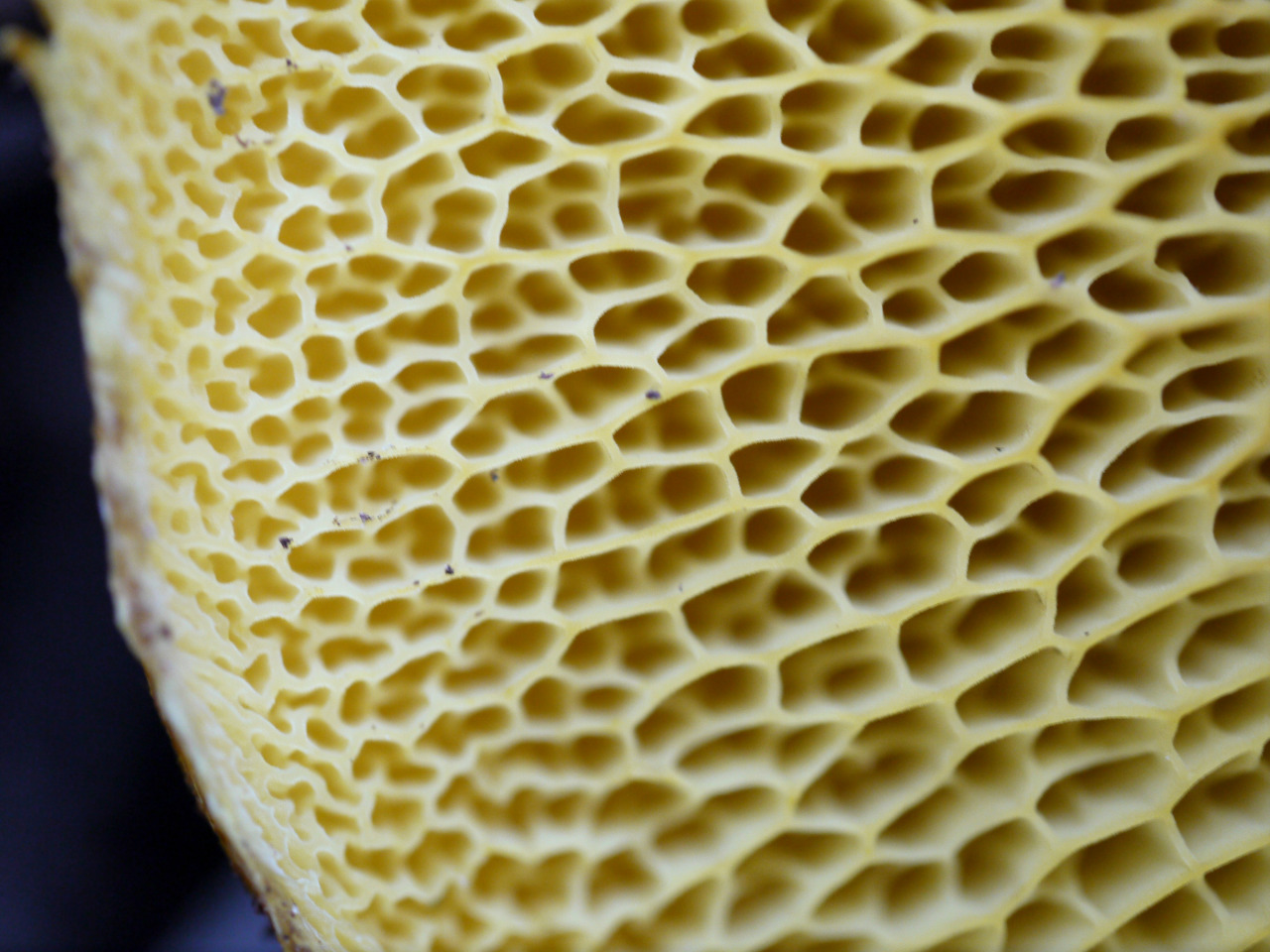
Suillus ochraceoroseus pores, by Robert Niese

Suillus ochraceoroseus “Rosy-ochre Suillus Bolete” Basidiomycota

Seeley Lake, MT
September 13, 2014
Robert Niese

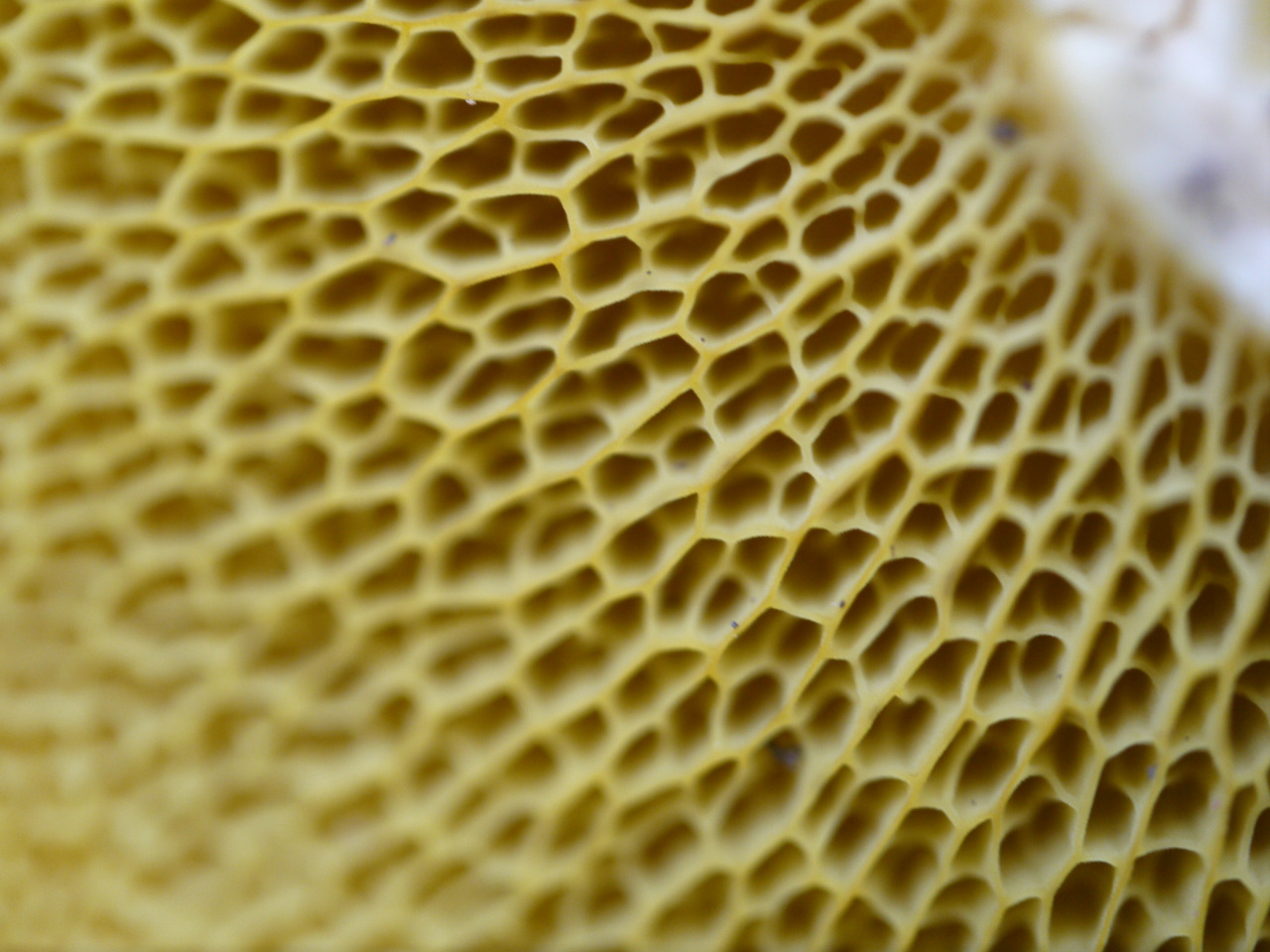
I’m only just getting around to identifying the half dozen species of boletes I encountered while camping in Larch forests around Seeley Lake last summer. These fungi are all edible (although not always palatable and often infested with fly larvae) and comparatively easy to ID correctly. This genus is most readily recognized by its angular pores that radiate out from the stipe like cells on a leaf. Nearly all members of this genus are ectomycorrhizal symbionts with conifers here in the PNW. This species in particular is almost always found under Larch trees (Larix) in the late summer and early fall. Its cap is dry and scaly and tends to be rosy in the middle and orange-yellow (ochre) towards the edge. Apparently this species is best when dried, but is not often eaten because of its acrid or bitter taste.

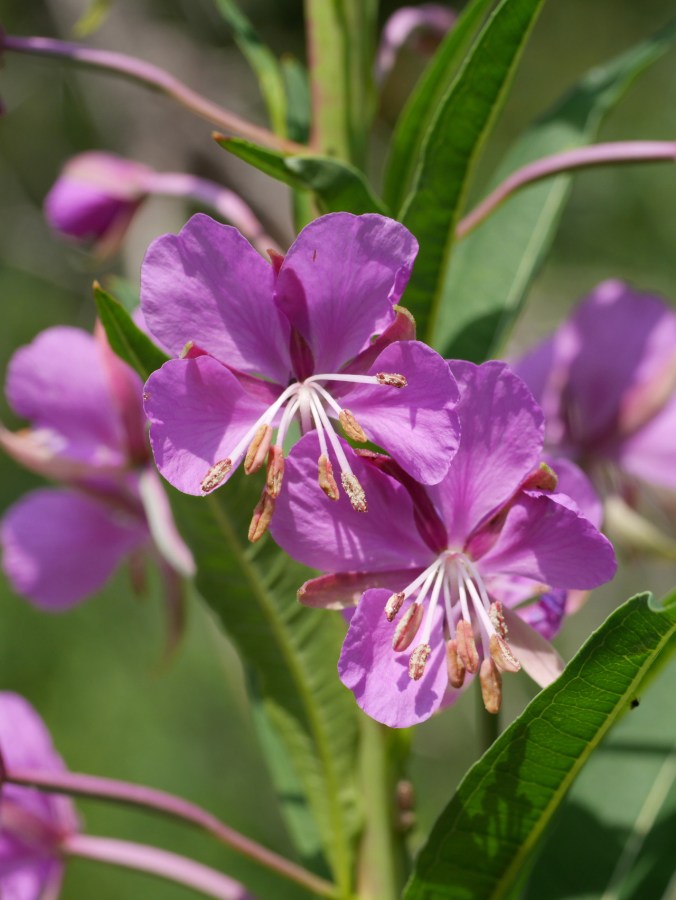
Chamerion (Epilobium) angustifolium “Fireweed” Onagraceae

Great Burn, Lolo National Forest, MT
July 10, 2015
Robert Niese


Unlike its name suggests, Fireweed is hardly a weed! One of the PNW’s most abundant wildflowers, Fireweed holds an important role in nearly every native culture. Its young shoots and leaves are a delicacy to some, and medicinally important to others. Many peoples used fibers torn from its shoots to make rope, and, still today, folks throughout the northern hemisphere use its fluffy seeds as a natural stuffing for pillows.

Ribes cereum “Wax Currant” Grossulariaceae

Missoula, MT
July 19, 2015
Robert Niese

Apparently the berries of the Wax Currant are not very palatable. In fact, its young leaves and flowers are a much more prized trailside treat than its fruits! These little berries will retain their characteristically long, shriveled flowers to maturity when they start to turn red. Perhaps I’ll collect some for a wildberry jam later this summer.

Pollicipes polymerus “Gooseneck Barnacle” Cirripedia (Crustacea)

Seal Rock State Park, OR
June 11, 2015
Robert Niese

This species of Gooseneck Barnacle is the most common species of intertidal goosenecks in the PNW. In Portugal and Spain, their cousin P. pollicipes, is a common delicacy, but due to over-harvesting and coastline habitat destruction, the PNW now regularly exports this species to Europe. Check out Gordon Ramsey preparing a traditional, tapas-style barnacle recipe here. Also, this species is in direct competition for space and resources with California Mussels (Mytilus californianus) and will out-compete them in the absence of their primary predators, the Ochre Sea Star (Pisaster ochraceous) and the Glaucous-winged Gull (Larus glaucescens).