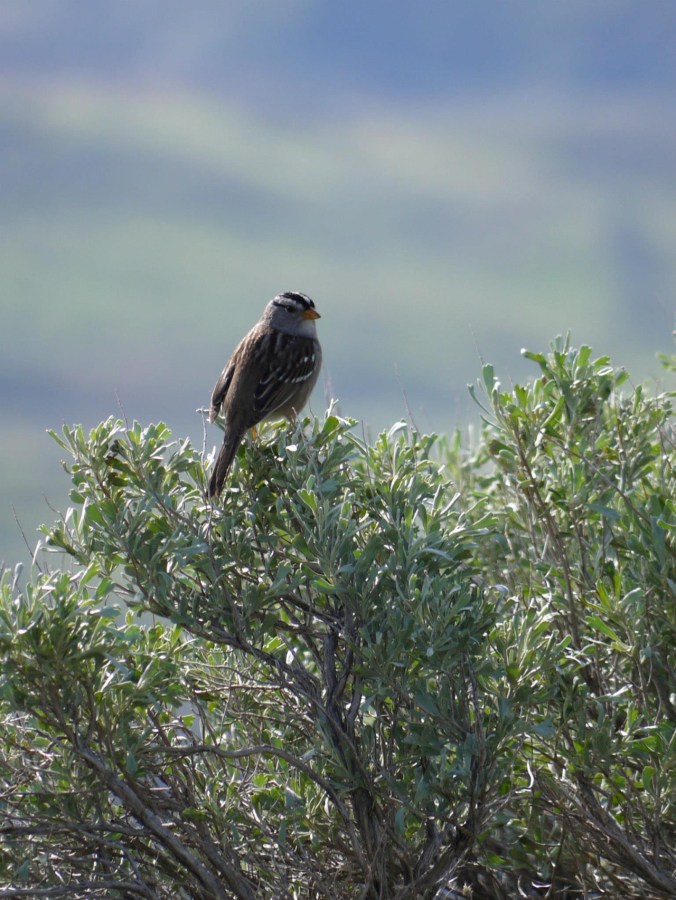
White-crowned Sparrow (Zonotrichia leucophrys) Emberizidae

Burch Mountain, Wenatchee National Forest, WA
April 27, 2013
Robert Niese

White-crowned Sparrows are an abundant migrant (sometimes resident) of the PNW with a very easy-to-identify song. If you’re just starting out learning to identify bird song, try your luck with the local sparrows first.

American Bittern (Botaurus lentiginosus) Ardeidae

Nisqually National Wildlife Refuge, WA
October 27, 2012
Robert Niese

The American Bittern is famous for its unbelievable camouflage skills, but is slightly less well-known for its equally astounding vocal abilities. If you’ve never heard a Bittern singing, you should check it out here. It’s absolutely nothing like anything that you’ve ever heard before, I guarantee it. 

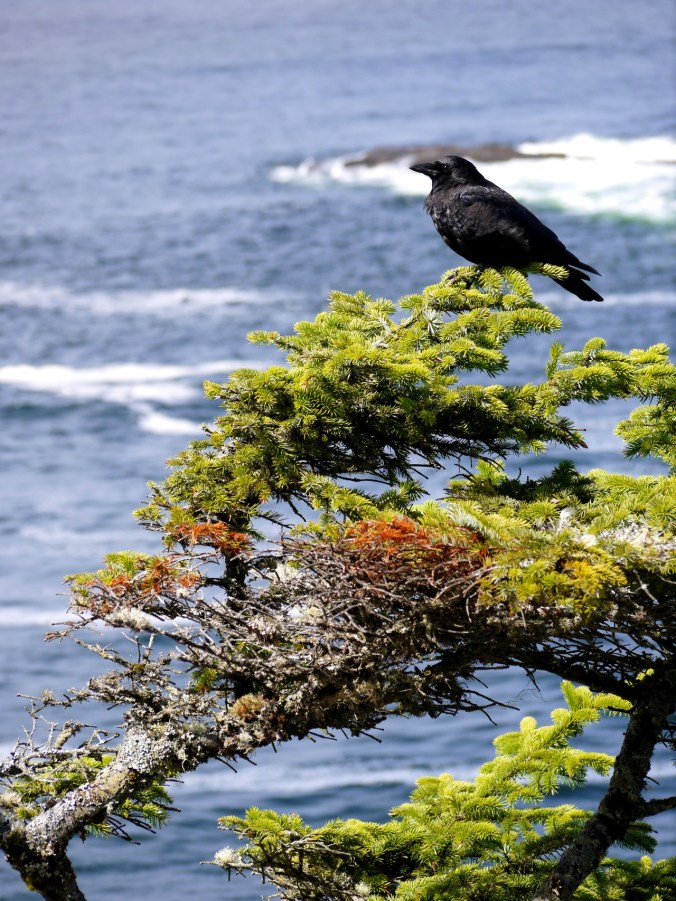
Northwestern/American Crow (Corvus caurinus/brachyrhynchos) Corvidae

Cape Flattery, WA
August 19, 2014
Robert Niese

While, as a scientist, I seriously doubt the validity of the “Northwestern” distinction for our PNW crows, if there were ever a crow that could be called a “Northwest Crow” it would have to be one at Cape Flattery (the northwestern-most point in the contiguous US). Northwestern Crows are, however, likely a subspecies of the American Crow and can only be identified based on their range of occurrence, which undoubtedly overlap for most regions.

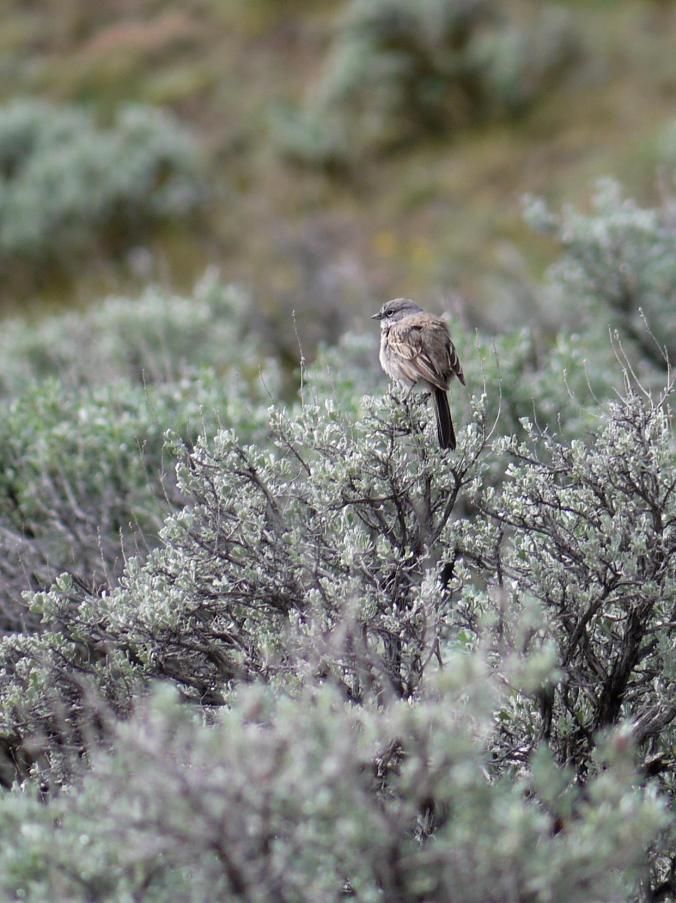
Sage Sparrow (Artemisiospiza nevadensis) Emberizidae

Ginkgo Petrified Forest State Park, WA
April 7, 2013
Robert Niese

Washington is home to the northernmost populations of Sage Sparrows in North America. These birds are sagebrush and chaparral obligates and are threatened throughout the state as these ecosystems get converted into range lands.

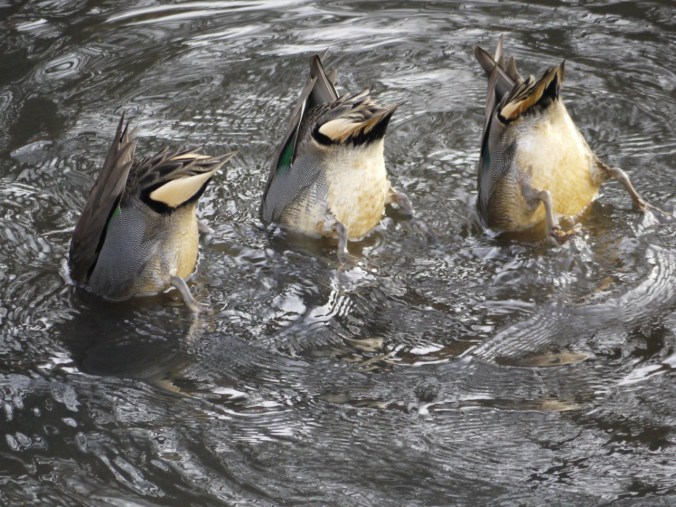
Green-winged Teal (Anas crecca carolinensis) Anatidae, males

Seattle, WA
January 13, 2013
Robert Niese

Teal are dabblers (as opposed to divers), meaning they float on the surface and reach down into the water to grab tasty bits of aquatic plant matter. This makes the ability to identify a duck butts surprisingly useful.

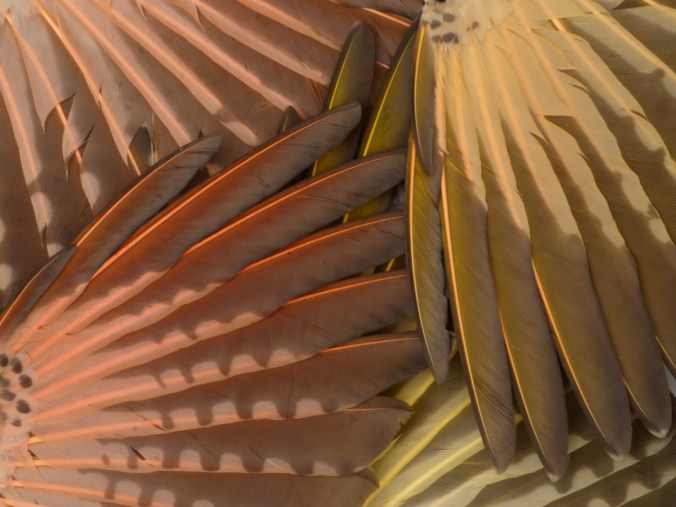
Northern Flicker (Colaptes auratus) wings, Picidae

No Data Available
Specimens courtesy of the Slater Museum
Photo by Robert Niese

Northern Flickers occur in two color morphs across the US. In the west, they are predominantly “red-shafted,” while in the east they are predominantly “yellow-shafted.” Here in western Montana, we have mostly red-shafted, but there are a few areas that are chock-full of “orange-shafted” hybrids (the wing in the upper right is a hybrid). There are extensive hybrid zones throughout BC and AB as well.

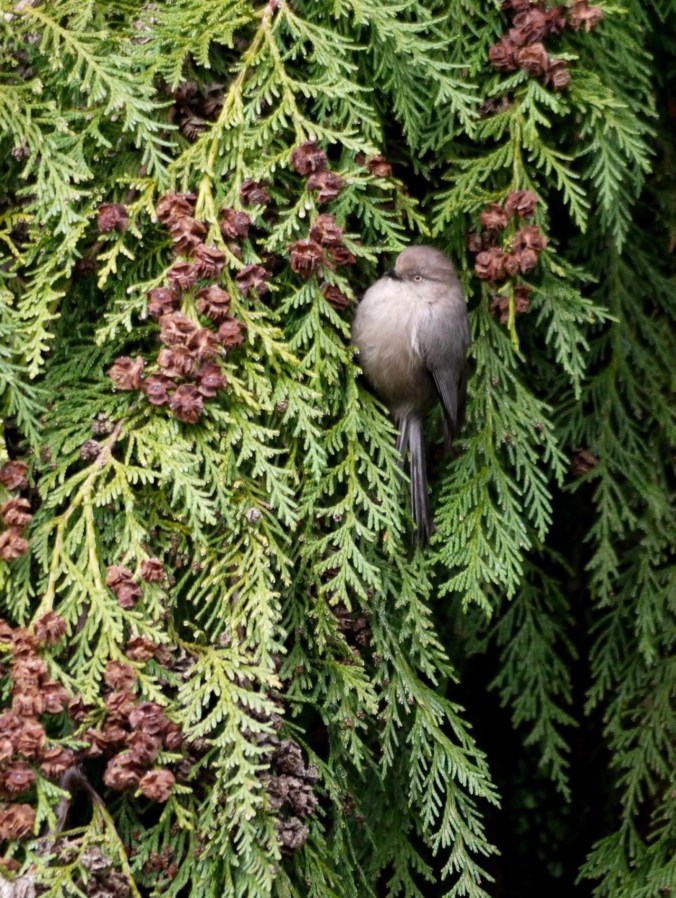
American Bushtit (Psaltriparus minimus) Aegithalidae 

University of Washington, Seattle, WA
January 13, 2013
Robert Niese

American Bushtits are the only member of the bushtit family found in the New World. Did you know you can tell apart the sexes based on their eye color? This is a female. Males have all black eyes.

Black-billed Magpie (Pica hudsonia) wing, Corvidae

No Data Available
Specimen courtesy of the Slater Museum
Photo by Robert Niese

The wings of Black-billed Magpies are quite striking. The deep black feathers covering most of their bodies are actually startlingly iridescent and starkly contrast with the white windows on their outer wing feathers. This contrast could be utilized as a form of visual communication during flight.

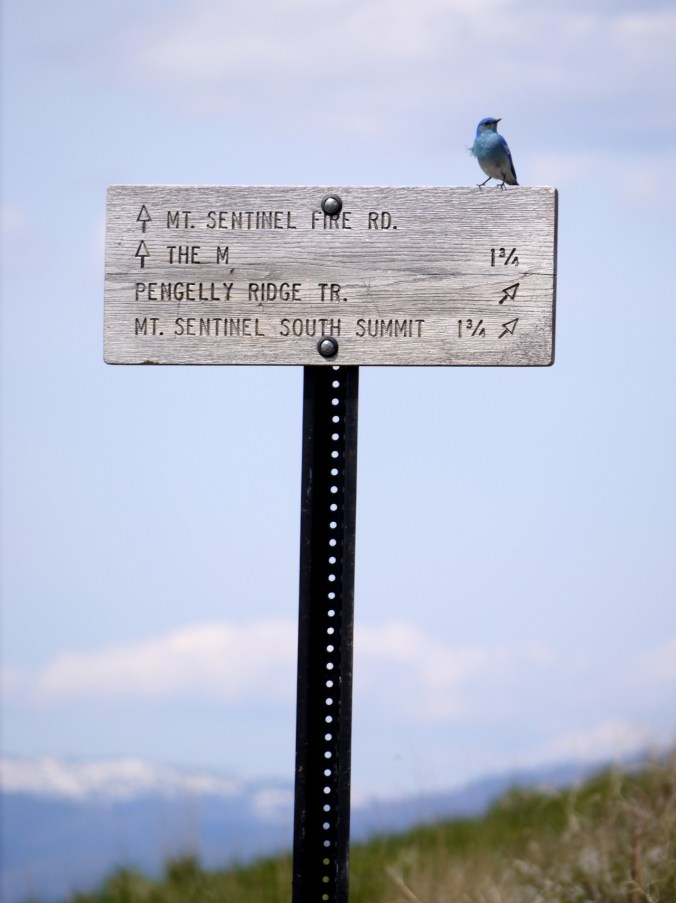
Mountain Bluebird (Sialia currucoides) Turdidae

Missoula, MT
May 13, 2014
Robert Niese

Most birds that posses such striking blue plumage typically get these gorgeous colors from tiny air pockets inside the feathers that scatter light in a way that makes them appear blue. Learn more.