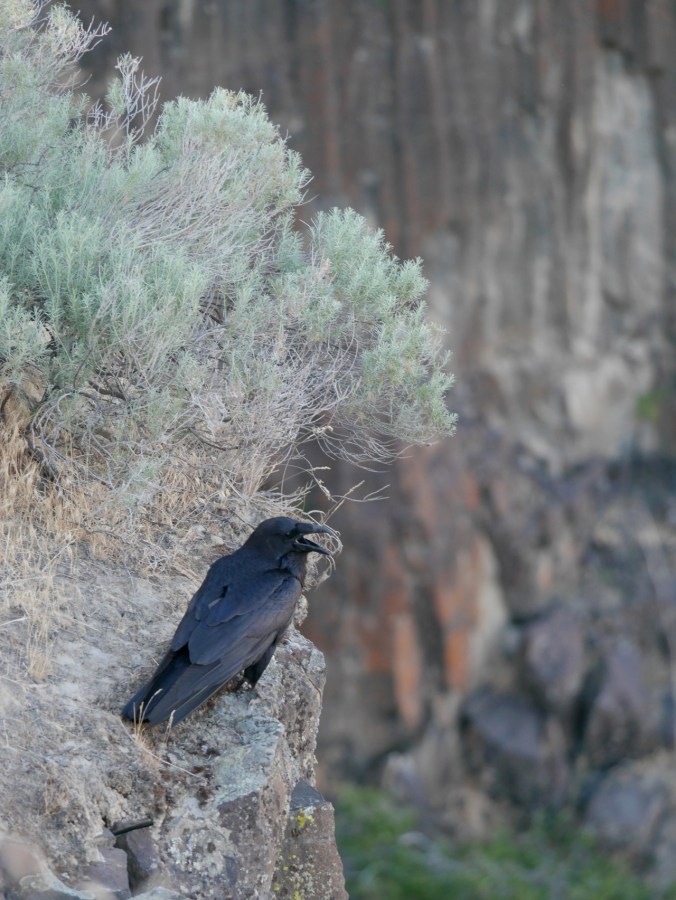
Common Raven (Corvus corax) Corvidae
Palouse Falls State Park, WA
June 8, 2015
Robert Niese
Ravens are always the first birds to greet me upon reaching the sagebrush deserts of eastern Washington.
Common Raven (Corvus corax) Corvidae
Palouse Falls State Park, WA
June 8, 2015
Robert Niese
Ravens are always the first birds to greet me upon reaching the sagebrush deserts of eastern Washington.
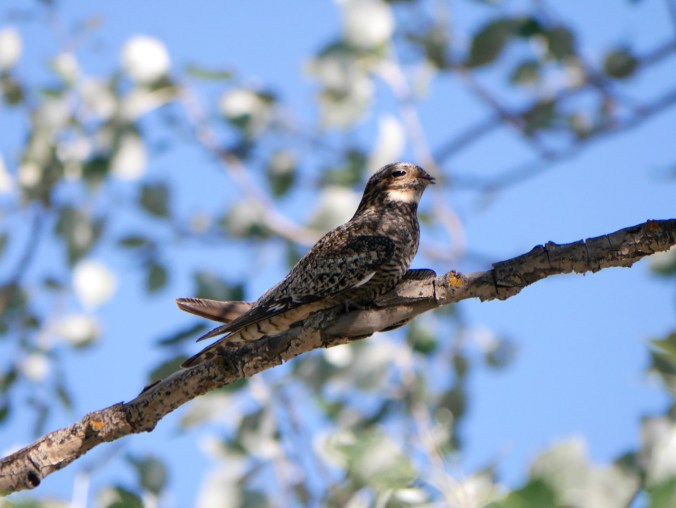
Common Nighthawk (Chordeiles minor) Caprimulgidae
Palouse Falls State Park, WA
June 8, 2015
Robert Niese
Nighthawks are neither hawks nor are they nocturnal. They are more closely related to swifts and hummingbirds than to hawks, and they tend to be more crepuscular (active at dawn and dusk) than nocturnal. They are most easily observed while hunting insects over bodies of water. Look for their characteristic dihedral (v-shaped) wings and listen for their calls. This was the first time I had ever seen a nighthawk perched! So cute!
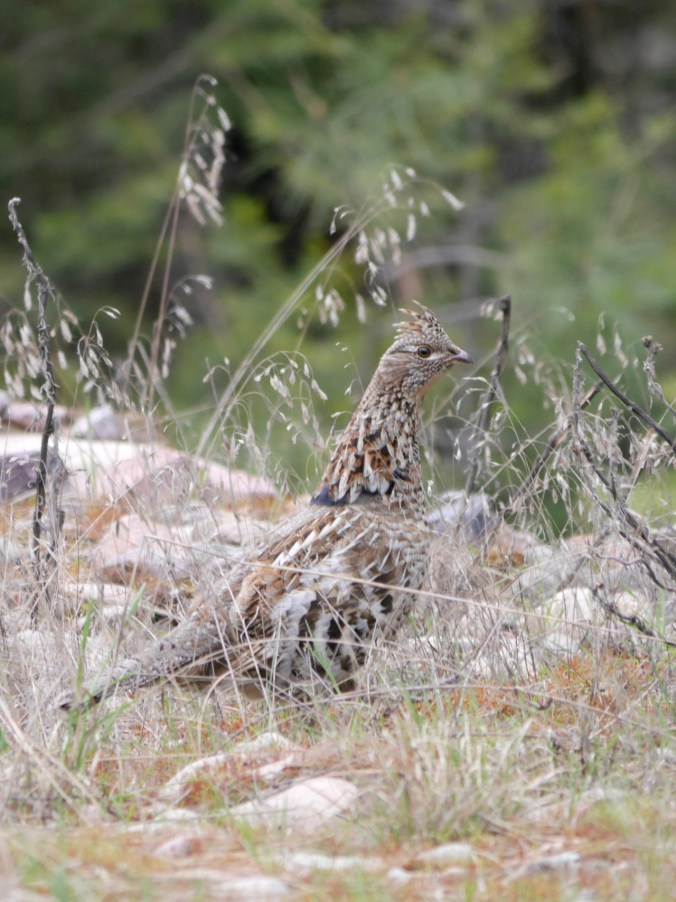
Ruffed Grouse (Bonasa umbellus) Phasianidae
Blackfoot River Recreation Corridor (BLM), MT
April 24, 2015
Robert Niese
It’s that time of year when the forests are rippling with the sounds of Ruffed Grouse displays. Around March and April, these displays are practically non-stop and in a really nice, quiet section of forest you can hear males advertising their territories miles away. Suprisingly, although this was one of the first North American birds to capture the interest of European ornithologists in the 17th century, we still do not know how the Ruffed Grouse produces its prodigious boom performances. Officially, the Birds of North America claims these sounds are “miniature sonic booms” which, if it were true, would quite literally be breaking the laws of physics!

Green-winged Teal (Anas crecca carolinensis) Anatidae, male
Seattle, WA
January 13, 2013
Robert Niese
Teal are definitely some of the most attractive waterfowl we have in Western Washington. Which northwest ducks are your favorite?
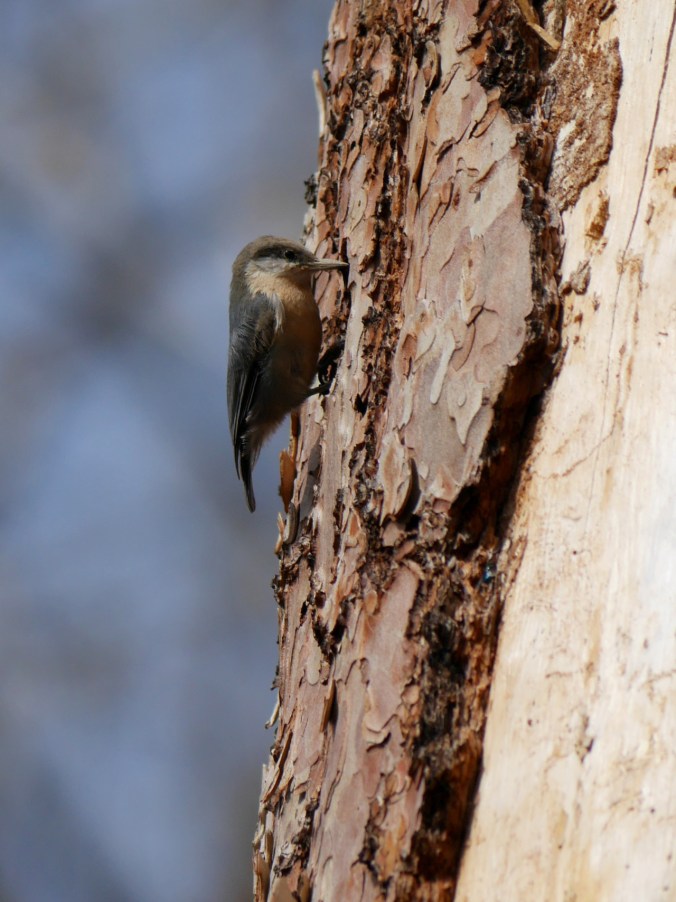
Pygmy Nuthatch (Sitta pygmaea) Sittidae
Council Grove State Park, MT
March 16, 2015
Robert Niese
There are three species of Nuthatch in the Pacific Northwest, but the Pygmy Nuthatch is the only one endemic to our region. These birds are only found in the Rockies and inland Pacific Northwest. They are particularly fond of old Ponderosa Pine forests.
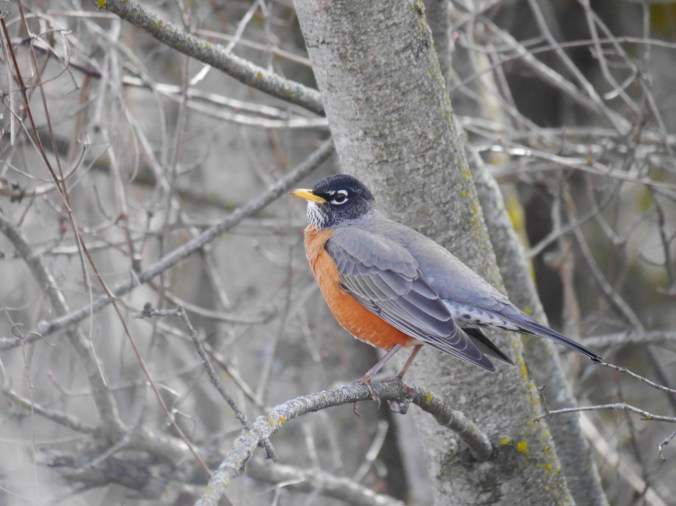
American Robin (Turdus migratorius) Turdidae
Council Grove State Park, MT
March 16, 2015
Robert Niese
Although American Robins are one of North America’s most ubiquitous birds, there are a few things most people don’t know about these abundant creatures. For example, did you know that males and females show a slight dimorphism? Males tend to have blacker heads and redder breasts which females use as an indicator of the health of potential mates.


Horned Grebe (Podiceps auritus) Podicipedidae
Tacoma, WA
January 16, 2013
Robert Niese
Horned and Eared Grebes can be difficult to tell apart. Horned Grebes tend to have clear cheeks, a flat-topped head, and a sleek rear. Eared Grebes usually have more black streaking on their cheeks, a small crest above their eye, and a cute fluffy rump.
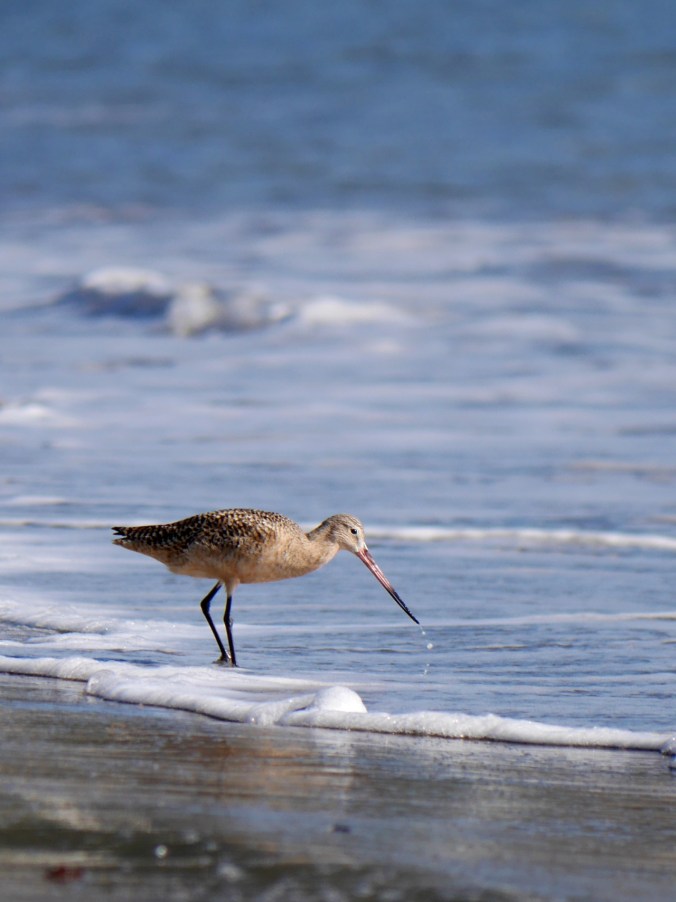
Marbled Godwit (Limosa fedoa) Scolopacidae
Santa Cruz, CA
January 3, 2015
Robert Niese
These shorebirds spend their winters here on the Pacific coast and fly inland to the Great Plains to breed in the summer.

Pacific Wren (Troglodytes pacificus) Troglodytidae
Olympic National Park, WA
June 6, 2013
Robert Niese
Pacific Wrens are some of the most accomplished vocalists in the animal kingdom. Displaying birds have been known to sing more than 60 notes per second for 120 seconds without breathing! They’re also one of North America’s loudest animals. Have a listen.

Anna’s Hummingbird (Calypte anna) Trochilidae
University of Washington, Seattle, WA
January 13, 2013
Robert Niese
This is the only species of hummingbird to overwinter here in the Pacific Northwest — and they’ve only been doing it for a few decades. Scientists believe that human-provided winter nourishment (i.e. hummingbird feeders) are the primary food source for these non-migrating individuals during the winter months.
As such, researchers at the University of Puget Sound are studying these two distinct populations of birds to determine if they might be diverging — genetically and morphologically. With the help of museum specimens dating back to the early 20th century, we are finding that resident populations of hummers here in the PNW are slightly different than their migratory counterparts.
 Northwest Naturalist