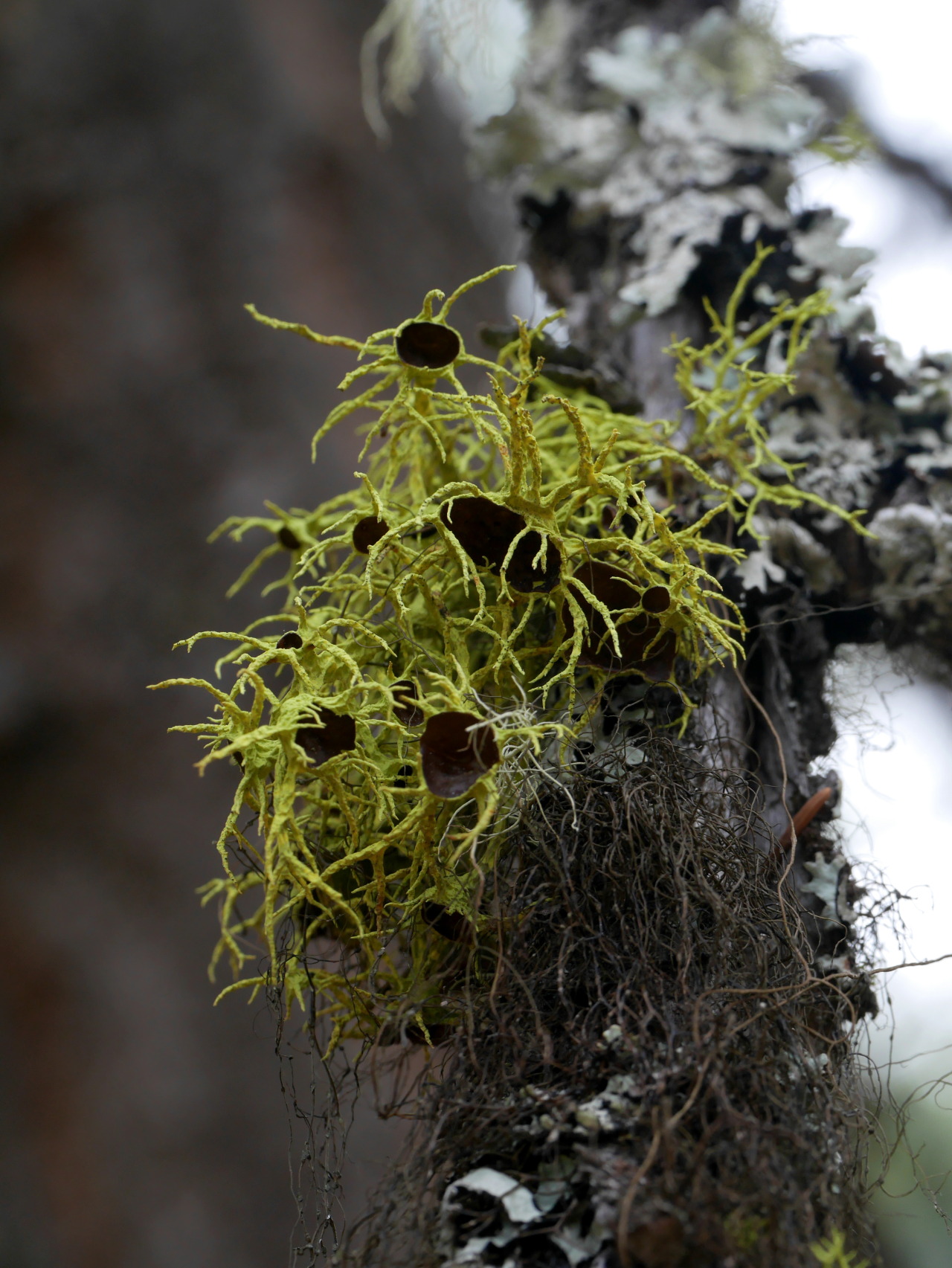
Letharia columbiana “Brown-eyed Wolf Lichen”

Rattlesnake National Recreation Area, MT
October 24, 2015
Robert Niese

This species is closely related to the Wolf Lichen that completely coats Ponderosa Pines in our local Missoula valleys, but this species bears large brown-black fruiting bodies (apothecia) unlike its cousin. L. columbiana is definitely one of my favorite species and I was so excited to encounter a huge population of them alongside our more common L. vulpina here in the Rattlesnake. Like most lichen, we still know comparatively little about these organisms and their genetic relationships among one another. With genetic analyses ongoing, we will likely see a revision of our northwest Letharia species in the next decade.

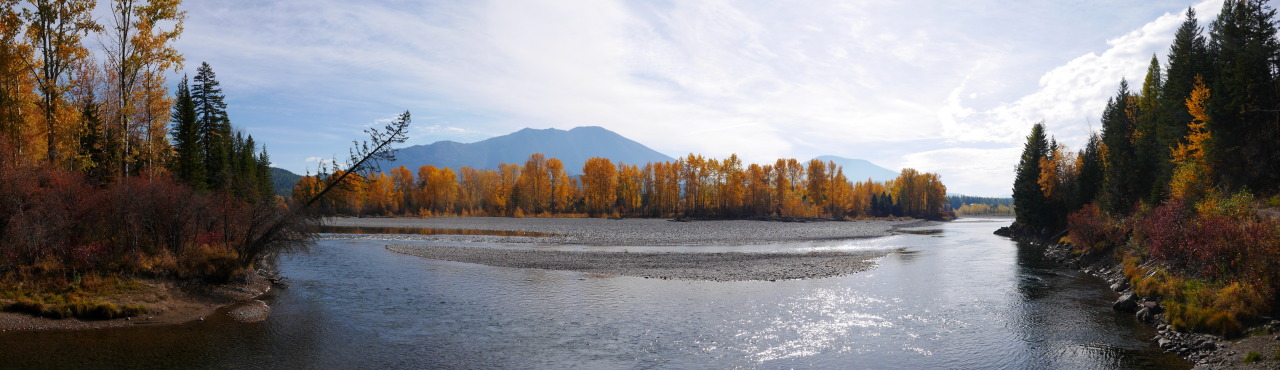
Larix occidentalis “Western Larch” Pinaceae

Rattlesnake National Recreation Area, MT
October 24, 2015
Robert Niese

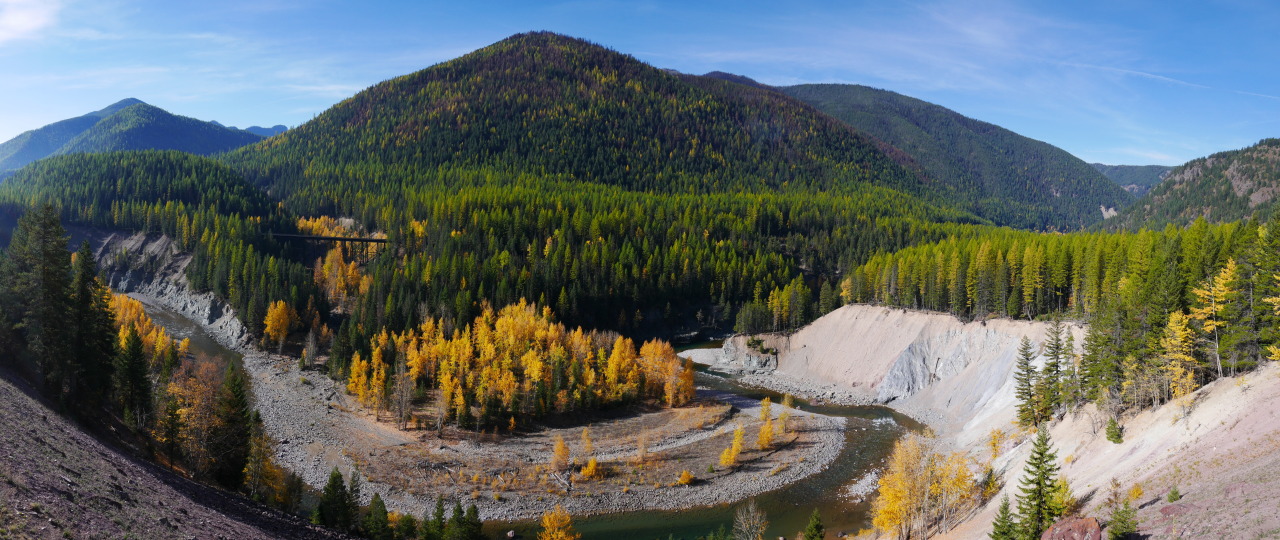
The Tamarack colors were in full swing around Missoula last week. They appear to be fading a bit now, but we’ll soon forget to mourn their bare branches when they become adorned with snow!

Gymnosporangium globosum “Cedar-Hawthorn Rust” Basidiomycota

Missoula, MT
October 23, 2015
Robert Niese

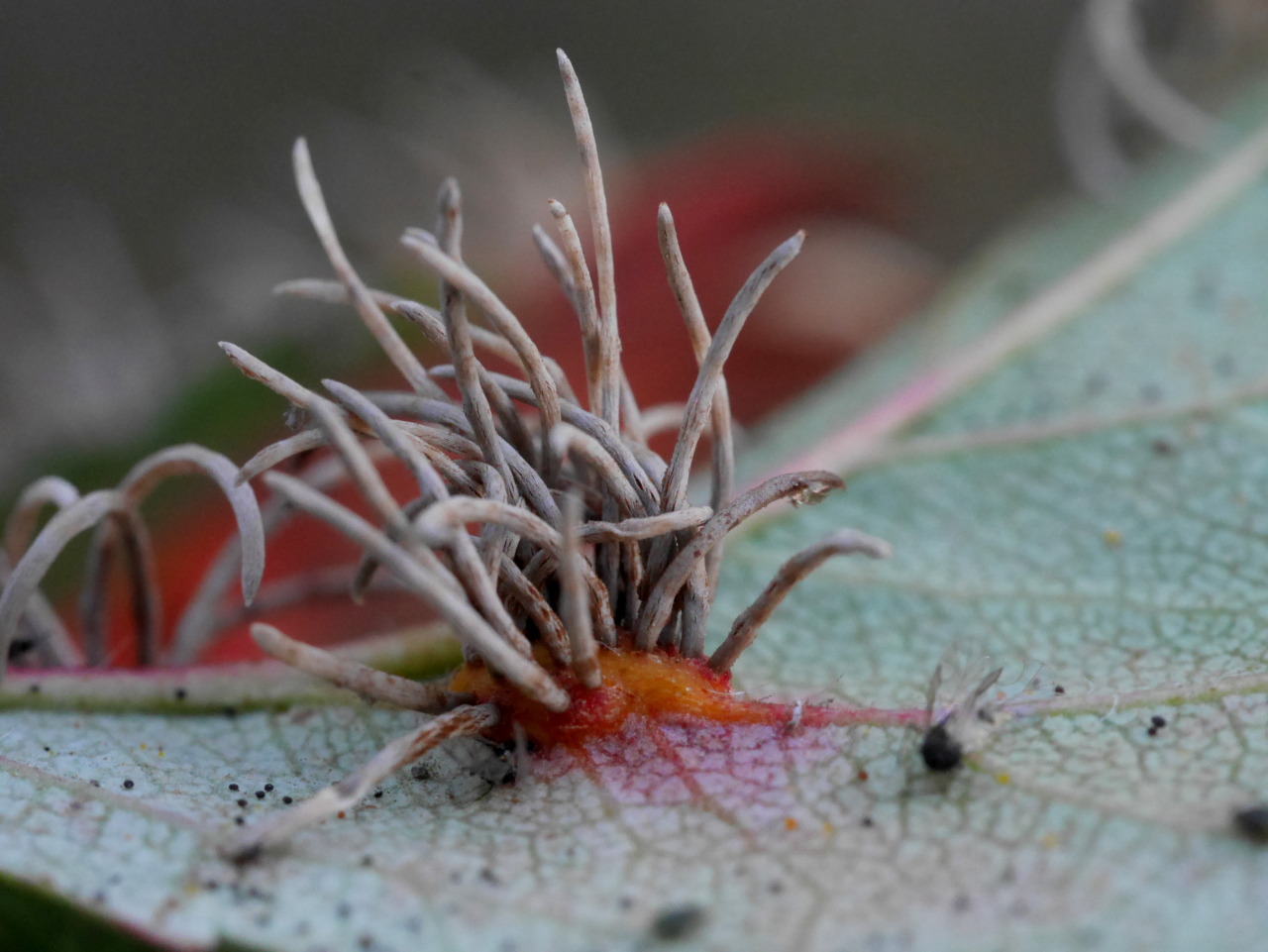
I first noticed these strange tendrils on the underside of Hawthorn (Crataegus douglasi) at a city park a couple months ago, but only just got around to photographing them. I thought they might be some sort of aphid galls after noticing that the leaves were covered with the insects. But the truth, it turns out, is far more spectacular! This is actually the fall life-stage of a rust fungus that infects Cedars (and Junipers). The fungus overwinters on Cupressaceous conifers, producing a small gall that grows large, orange gelatinous horns after spring rains. These jelly tentacles release spores that then infect the leaves of Rosaceous trees and shrubs such as Crataegus, Malus, and Sorbus. By late summer, fungi on these Rosaceous hosts produce the large porcupine-like clump of tendrils seen here. These tendrils release more spores that continue the cycle anew! I’m in love. What a phenomenal fungus!

Populus trichocarpa

Populus trichocarpa “Black Cottonwood” Salicaceae

Clark Fork Natural Area, Missoula, MT
October 23, 2014
Robert Niese

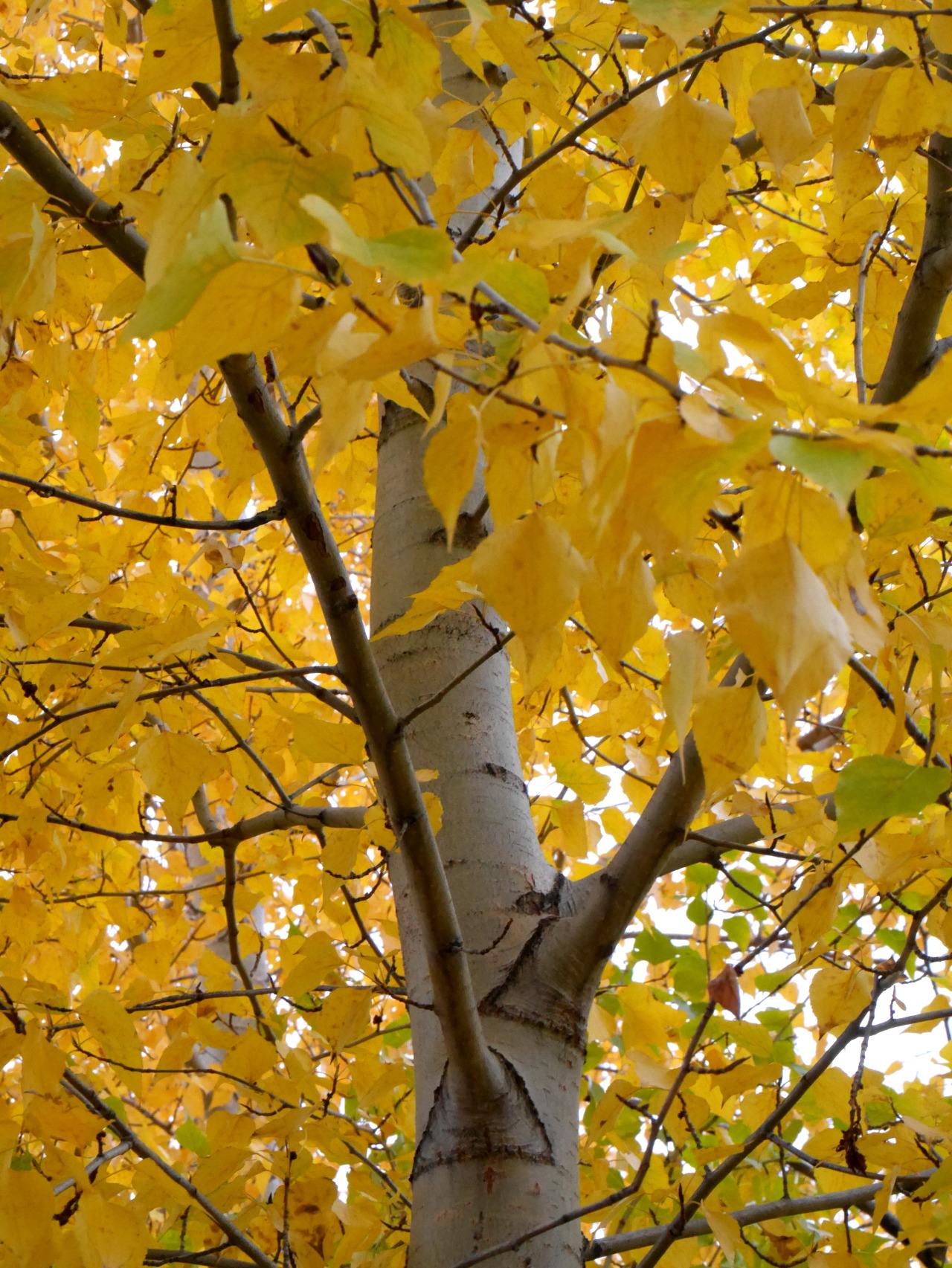
The brilliantly yellow trees lining our valley bottoms and riversides here in the Pacific Northwest are predominantly Black Cottonwoods (also known as Western Basalm Poplars). They are famous for their fluffy, cotton-coated seeds which fill our air and waterways throughout the early summer. These seedlings need moist, bare soil to germinate and will rapidly colonize riverbanks exposed by erosion. Seedlings become dominant, fully-grown trees after about 25 years making them ideal for cultivation both in farms for harvest and as ornamentals in neighborhoods. Unfortunately, they also rarely live more than 150 or 200 years, so many neighborhoods in our area (many of which were first constructed in the 1800s) are being forced to remove these dying giants.

Snowberry on gray, Apgar, Glacier National Park

Snowberry (Symphoricarpos albus) clinging to the last days of summer

Apgar Lookout Trail, Glacier National Park, MT
October 9, 2015
Robert Niese

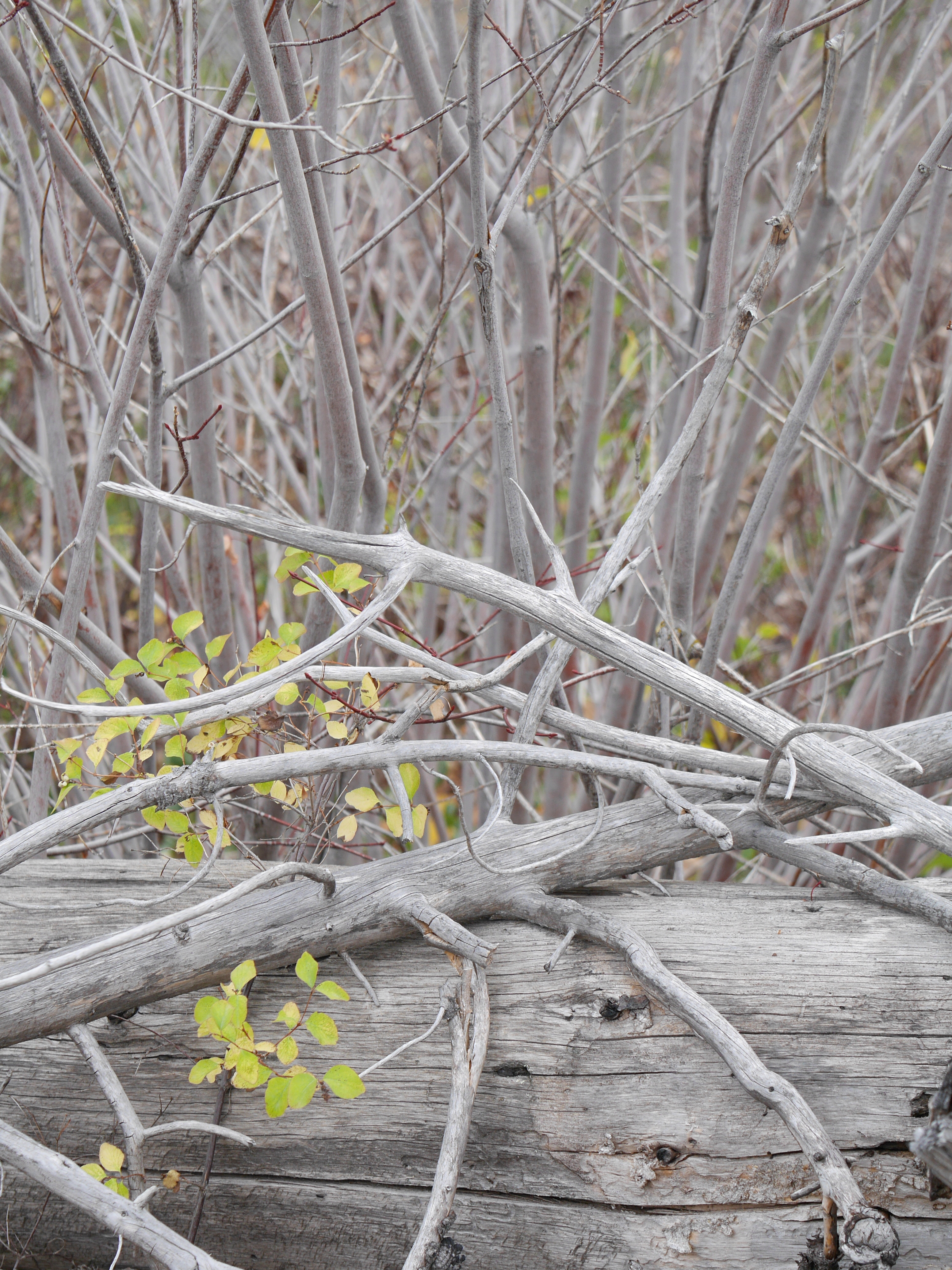
While brilliant fall colors are normally the highlight of dreary October days here in the Pacific Northwest, there’s also something to be said about the subtle beauty of bare branches. These ghostly grays criss-crossing in a spider web of angles and arcs provide an enchanting, textured backdrop in a world that is slowly dying and preparing for winter.

Symphoricarpos albus

Symphoricarpos albus “Snowberry” Caprifoliaceae

Mt. Sentinel, Lolo National Forest, MT
September 12, 2015
Robert Niese

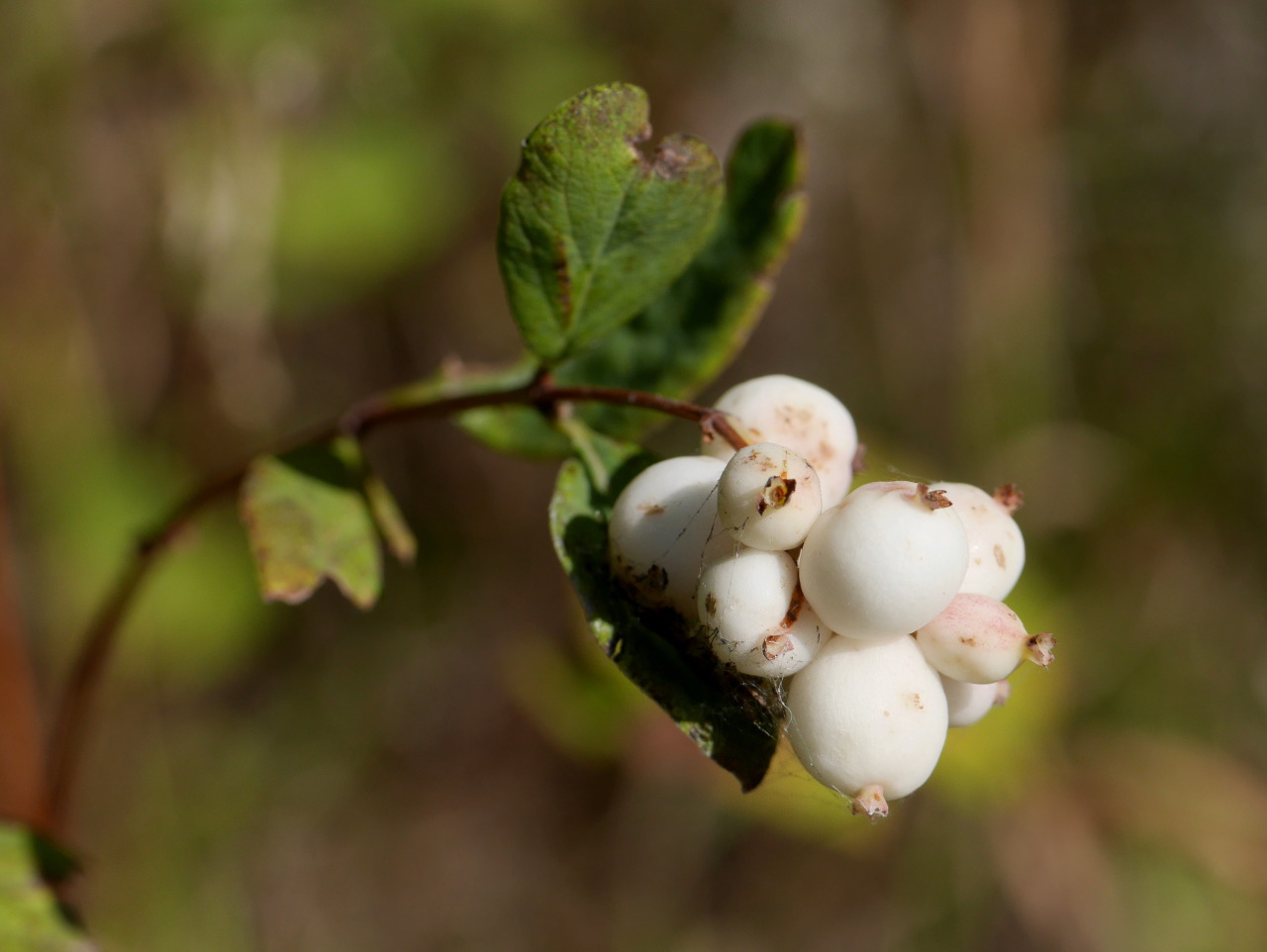
Snowberry is one of our most abundant understory plants here in the eastern PNW. It’s so abundant that I often completely forget about it, and, in spite of cataloging PNW plants and animals for over six years, I have yet to get a photograph of this plant at all its phenological stages. Well, here’s Snowberry in fruit – its most recognizable life stage. These berries are not edible to humans, but are important food sources for winter birds such as grouse and ptarmigans.

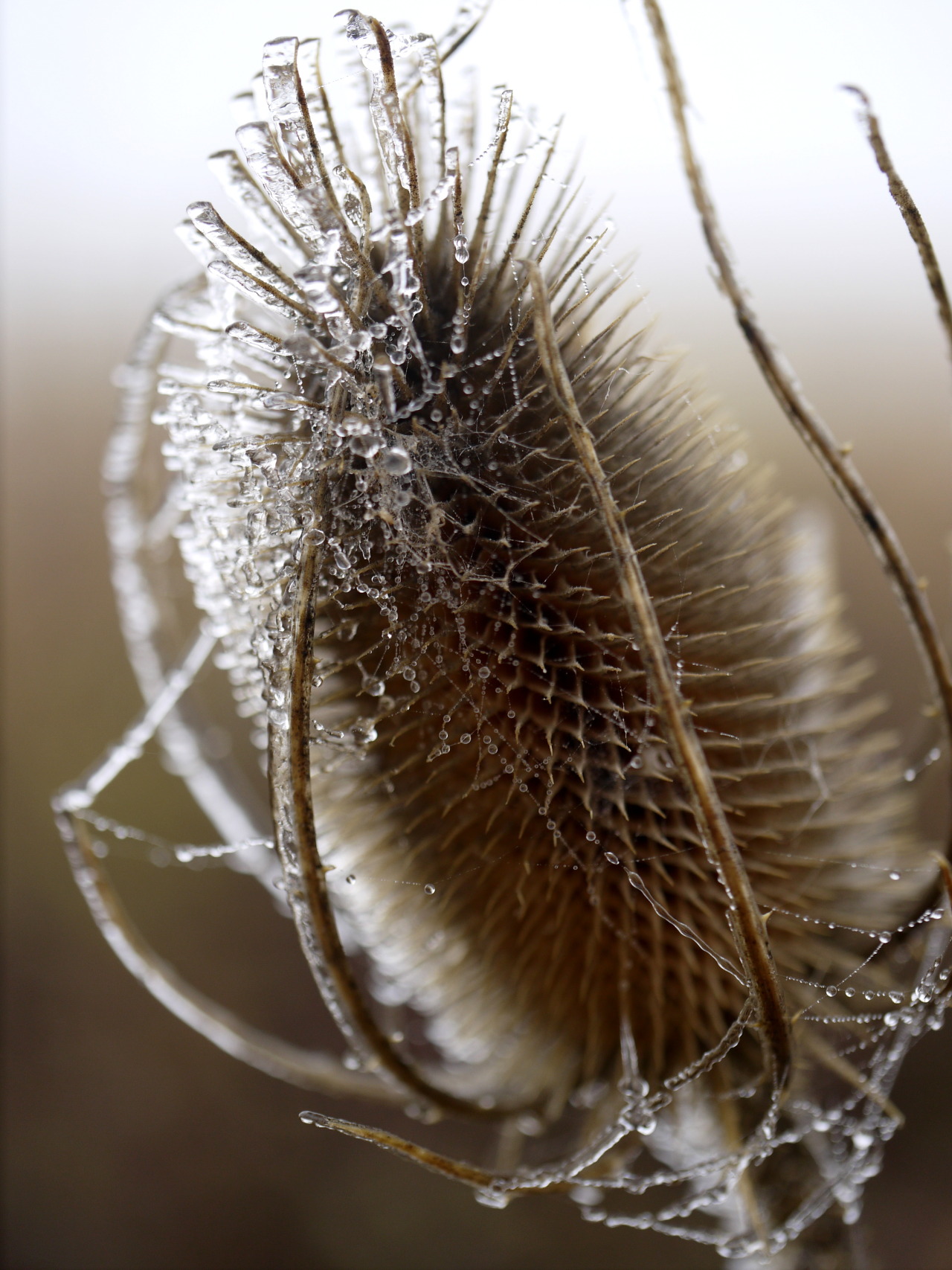
Dipsacus fullonum, National Bison Range

Dipsacus fullonum “Fuller’s Teasel” Dipsacaceae with frost

National Bison Range, MT
October 26, 2013
Robert Niese

Here’s a family that you don’t see too often in the Pacific Northwest! Sometimes grouped with the Caprifoliaceae, Dipsacaceae has members that are native to the Old World only. Here in western North America, we get two invasive species – the Teasel and the Bluebutton (Knautia arvensis). In spite of being quite abundant in some areas (like the low basins of the north-eastern side of the Bison Range), I’ve never had the opportunity to examine these plants while they’re in flower. I’ve always just assumed they were some kind of Asteraceae! When it comes to natural history, there’s always more to learn!

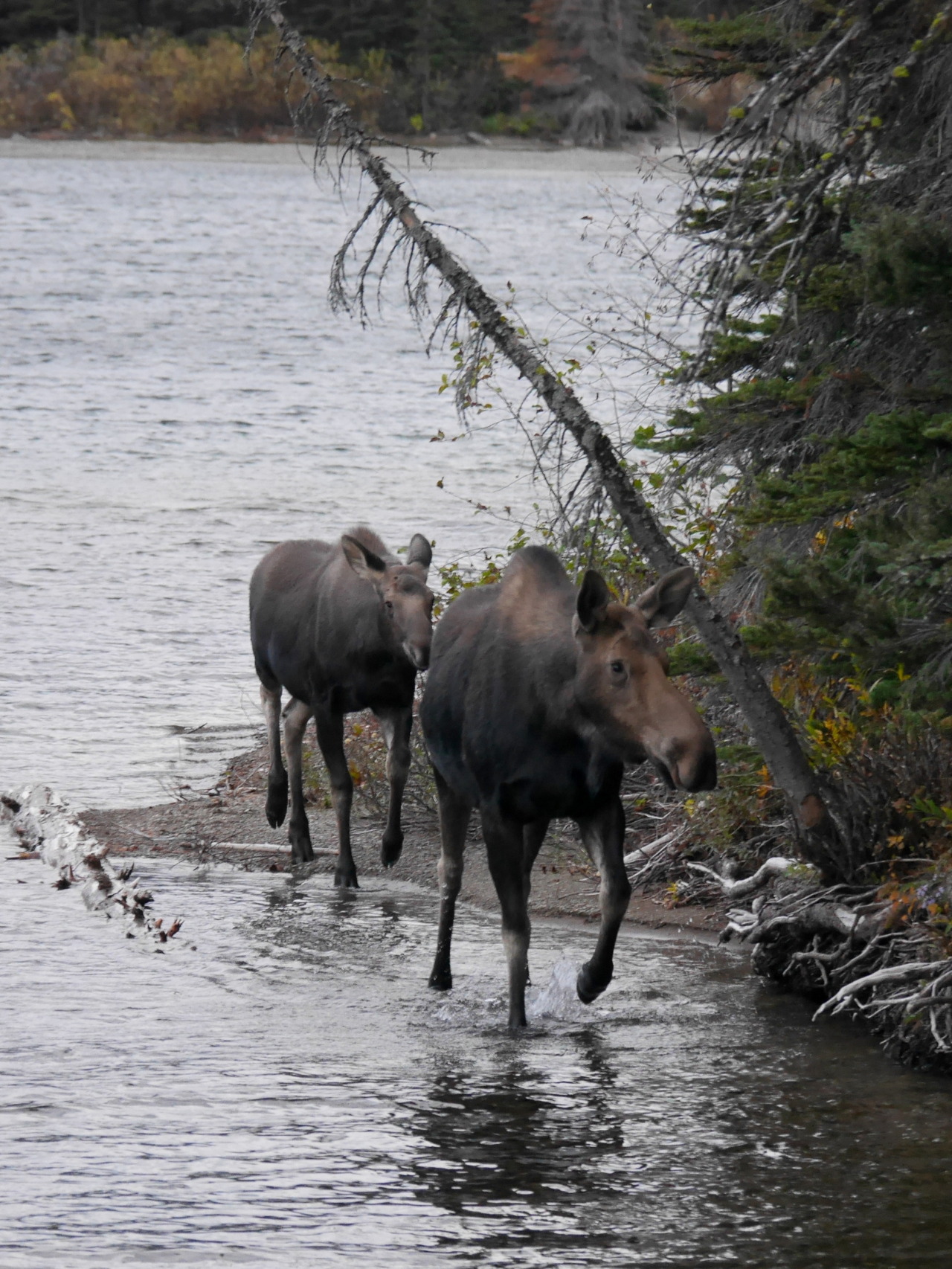
Moose cow and calf, Two Medicine, Glacier National Park, MT

Alces alces “Moose” Cervidae, cow and calf

October 8, 2015
Two Medicine, Glacier National Park, MT
Robert Niese

The Moose (also called an Elk if you’re British) is the largest extant species of deer in the world. They have a circumboreal distribution and tend to be found most often around lakes and rivers in coniferous and mixed deciduous forests. The southernmost extent of the Moose’s global range occurs here in the northwestern United States. Southern Idaho is home to the largest herds of these southern residents, but small populations can also be found as far south as Utah and Colorado. In the fall, when bulls enter the rut and cows are protecting their calves, Moose are considered the most dangerous species to encounter here in Glacier National Park. In fact, in North America Moose kill more people annually than deer, bears, and mountain lions combined (including vehicle collisions).

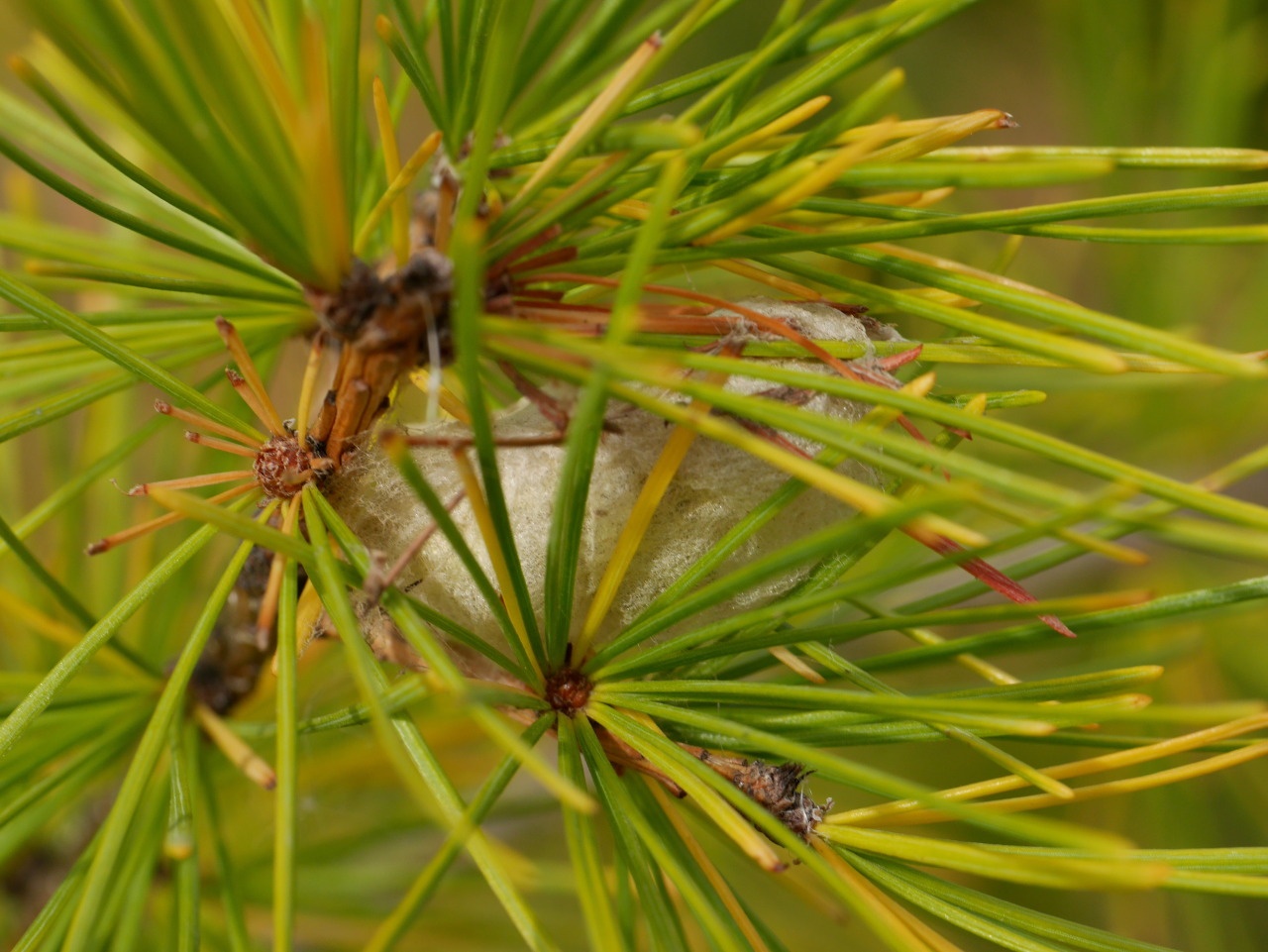
Malacosoma sp. “Tent Moth” Lasiocampidae, pupa on
Larix occidentalis “Western Larch” Pinaceae

Apgar Lookout Trail, Glacier National Park, MT
October 9, 2015
Robert Niese

The trails around Apgar are rife with Lasiocampidae pupae. They’ve spun their webby cocoons in every manner of tree, shrub, and man-made structure. Around Missoula, it wasn’t a very big year for tent moth caterpillars, but only a hundred miles away in Glacier National Park, Malacosoma numbers were significantly higher. These species go through regular boom and bust cycles and some years they become so abundant that entire forests can get defoliated. In my search of the literature, it appears that these moths overwinter as eggs, not as pupae. These pupating individuals certainly won’t survive the oncoming cold if that is indeed the case.

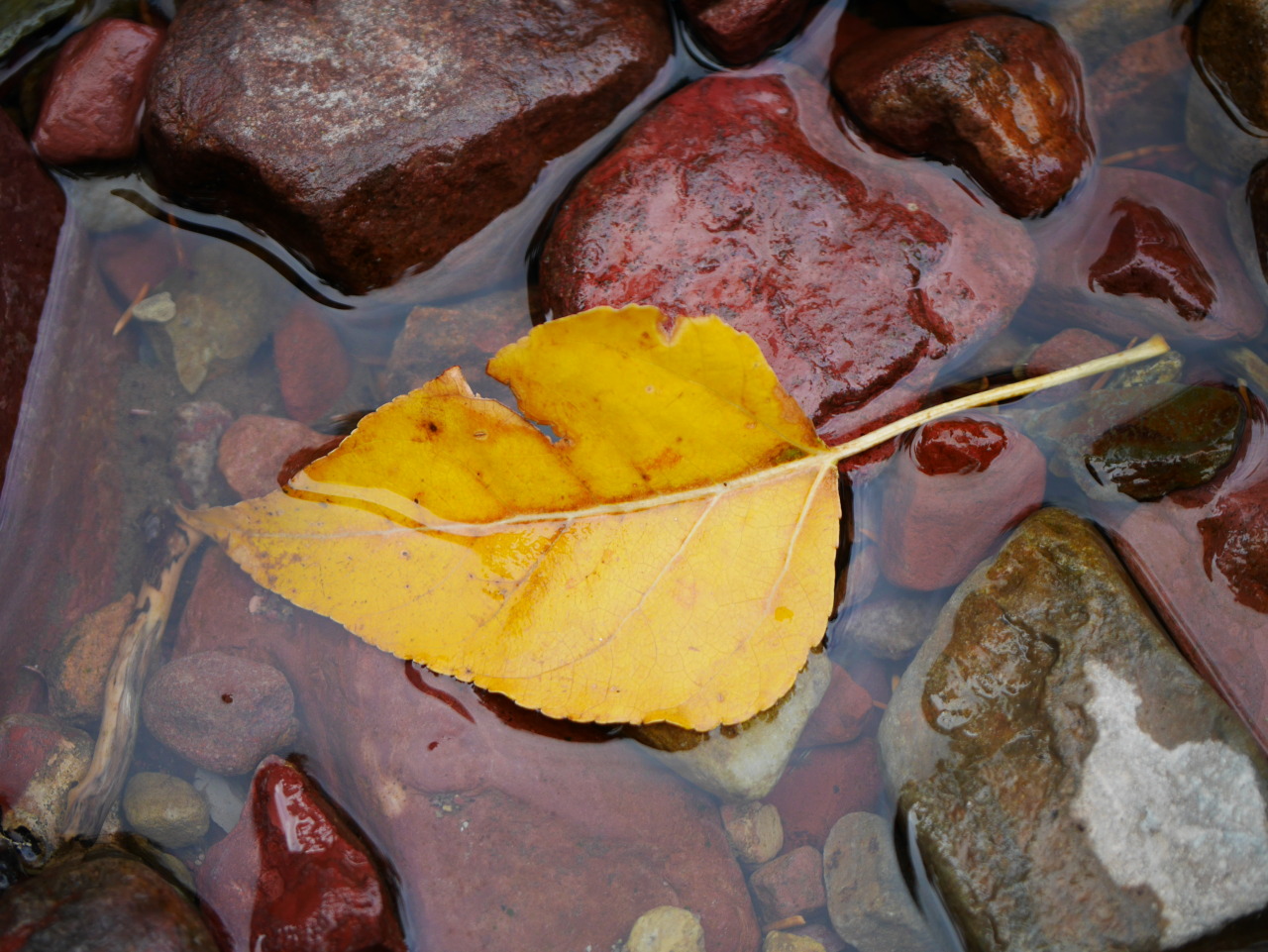
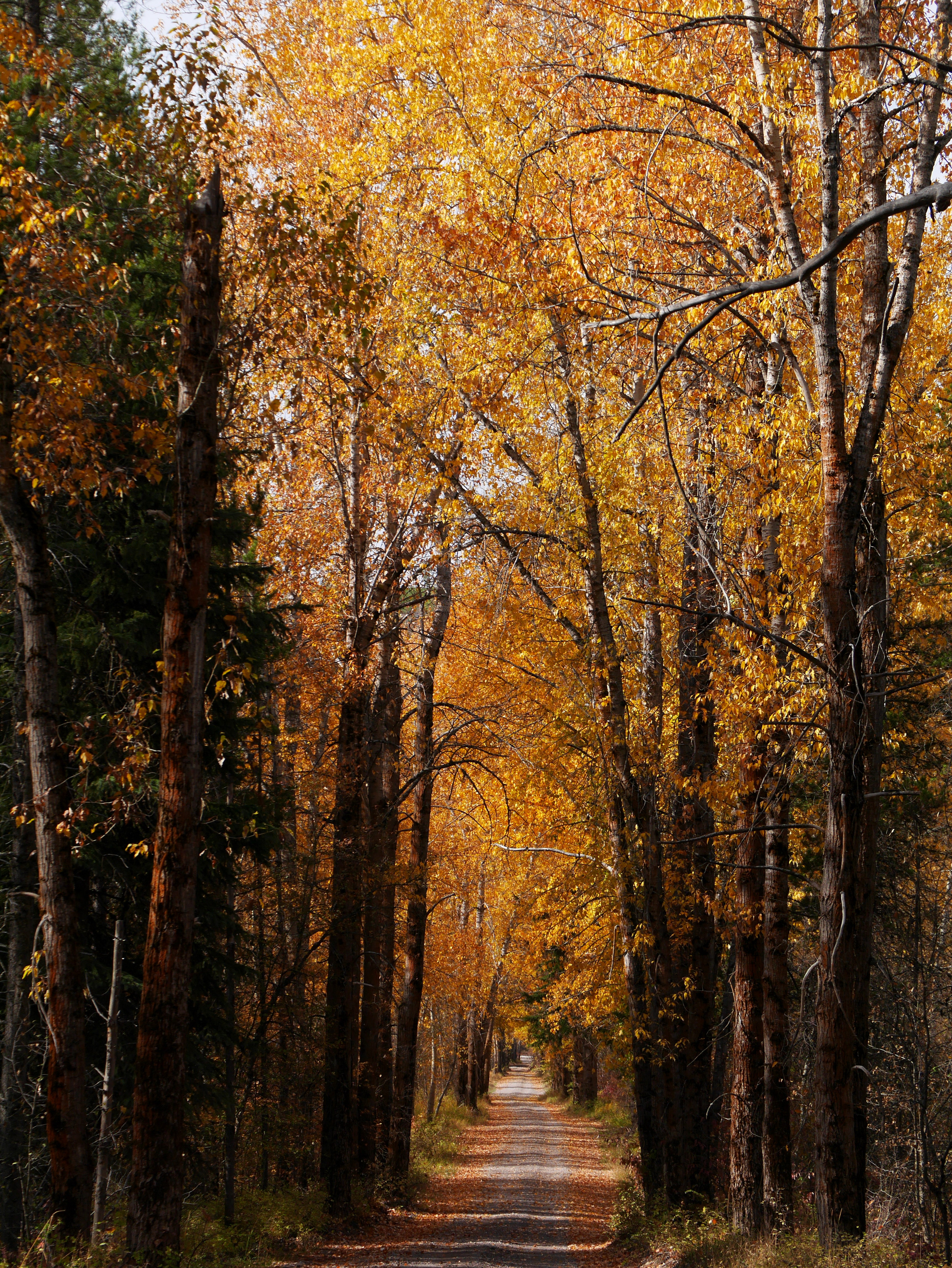
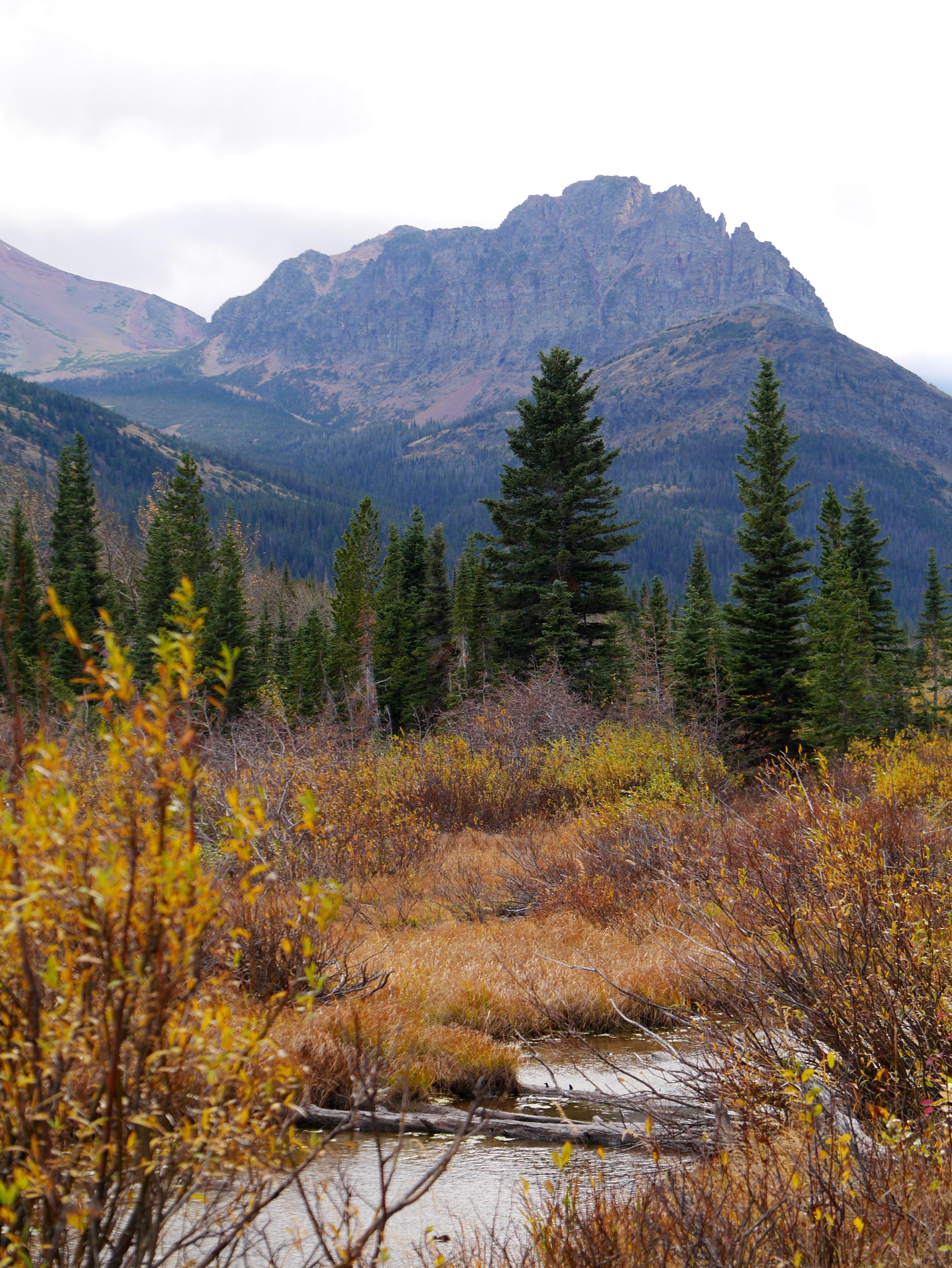
Apgar, Glacier National Park - by Robert NieseGoat Lick, Glacier National Park - by Robert NiesePopulus Leaf, Glacier National Park - by Robert NieseApgar, Glacier National Park - by Robert Niese   Two Medicine, Glacier National Park - by Robert NieseApgar, Glacier National Park - by Robert Niese

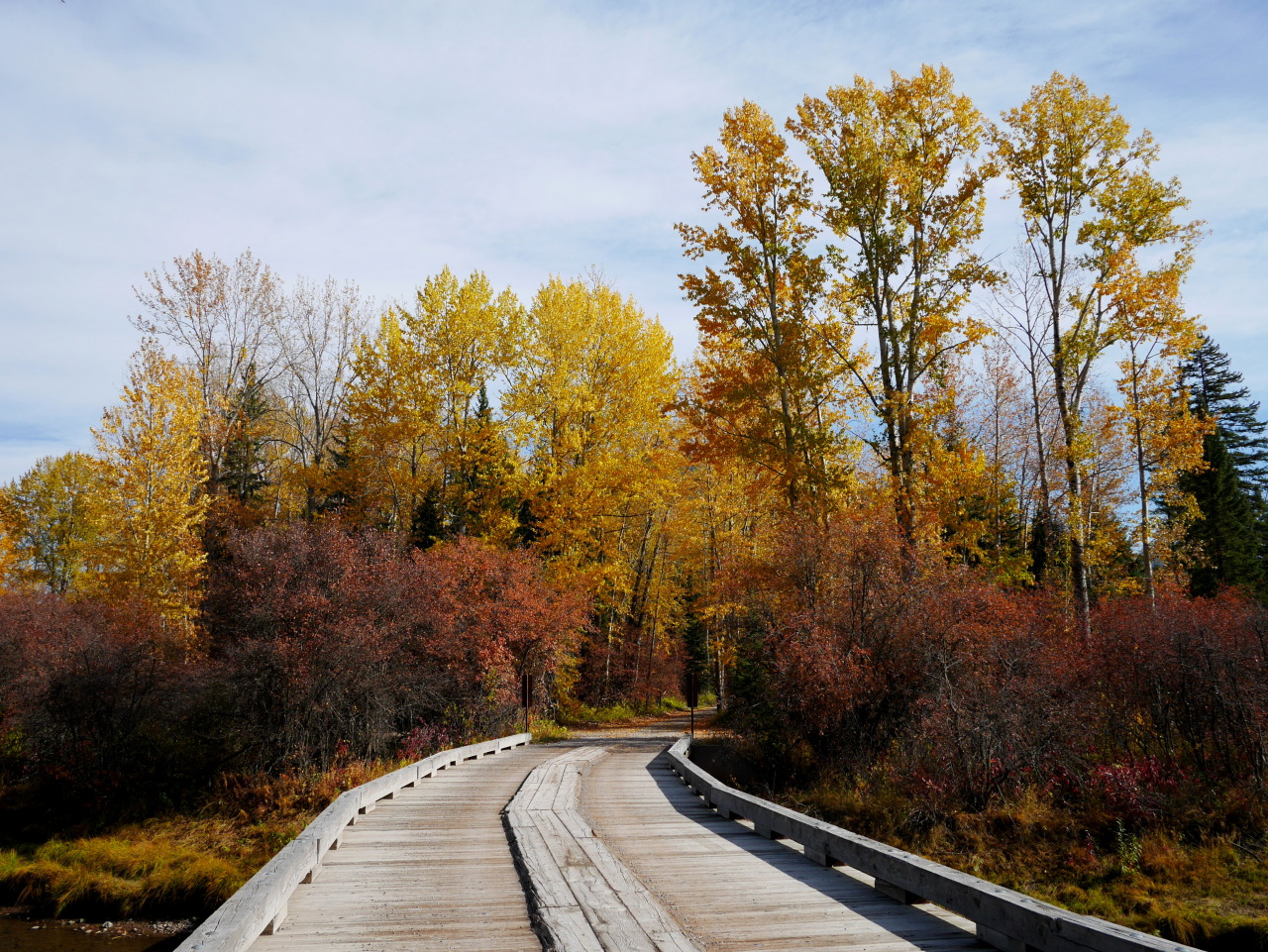
Fall is in full swing here in Montana!

I made it up to Glacier National Park this weekend to experience some fall foliage firsthand. It was absolutely stunning!

Here’s a brief guide to foliage colors in Western Montana!

Yellow:

  • Members of Salicaceae (Cottonwoods, Aspens, Poplars, Willows) and Betulaceae (Alders, Birch) dominate the yellow palate of our PNW hillsides. These species begin turning in September and their colors will persist, depending on rain and wind, until late October.
  • Larch (Larix) is our only deciduous conifer in the PNW. Depending on elevation, Larch will begin turning between the first and third weeks of October.
  • Bracken Fern (Pteridium aquilinum) and Thimbleberry (Rubus parviflorus) also maintain a substantial degree of yellowness early in the fall before turning pale brown in October.

Red:

  • Red fall foliage in western Montana is largely restricted to the understory.
  • Ericaceous shrubs such as Huckleberries (Vaccinium) change color depending on sun exposure. On exposed hillsides, they’ll be red before August, while in dense forests, they may only begin changing in October.
  • Rosaceous shrubs such as Oceanspray (Holoduscus), Ninebark (Physocarpus), Spiraea, Hawthorn (Crataegus), and Rose (Rosa) also tend to go through a red phase in their color change. While some of these species appear to start early (September), most of their change will persist well into October and even November.
  • Red-osier Dogwood (Cornus sericea) has an interesting color change. Here in the riparian areas of Western Montana, they appear to go through a green and maroon phase, which is quite lovely, before losing their leaves entirely. Fortunately, even after losing their leaves, these shrubs have phenomenal red stems that definitely supplement the colors of fall.
  • Maple (Acer) also go through a red phase here in western Montana. These native species appear to have dropped most of their leaves by mid-October.

Species with little color change:

  • I’ve noticed several dominant deciduous trees and shrubs that don’t appear to change color considerably with the seasons. Of these, Ceanothus and Symphoricarpos are the most abundant.
  • Ceanothus tends to keep its green foliage throughout the year or turn straight to brown in the fall.
  • Snowberries (Symphoricarpos) appear to do a variety of things, but here in western Montana, they generally drop their leaves quickly without much ado.