Veratrum viride var. eschscholtzianum “Green False Hellebore” Liliaceae

Great Burn, Lolo National Forest, MT
July 10, 2015
Robert Niese

Members of the genus Veratrum are highly toxic and famous for their nasty effects. In particular, its spring shoots are often mistaken for Hellebore (also poisonous) which is commonly used in treating morning sickness in pregnant women. If consumed early during pregnancy, False Hellebore will cause cyclopia in the developing fetus, a disorder which prevents the brain form developing into two lobes, thus producing a single olfactory and a single optic nerve (and, consequently, only one eye). It has similar effects on cattle and is widely detested by ranchers in our area. This species is most often found growing in moist, high-elevation valleys and meadows here in the PNW. It’s cousin, the White False Hellebore tends to be more common in lowlands west of the Cascades. (Side note: I always thought this Latin name sounded like a Harry Potter spell…)
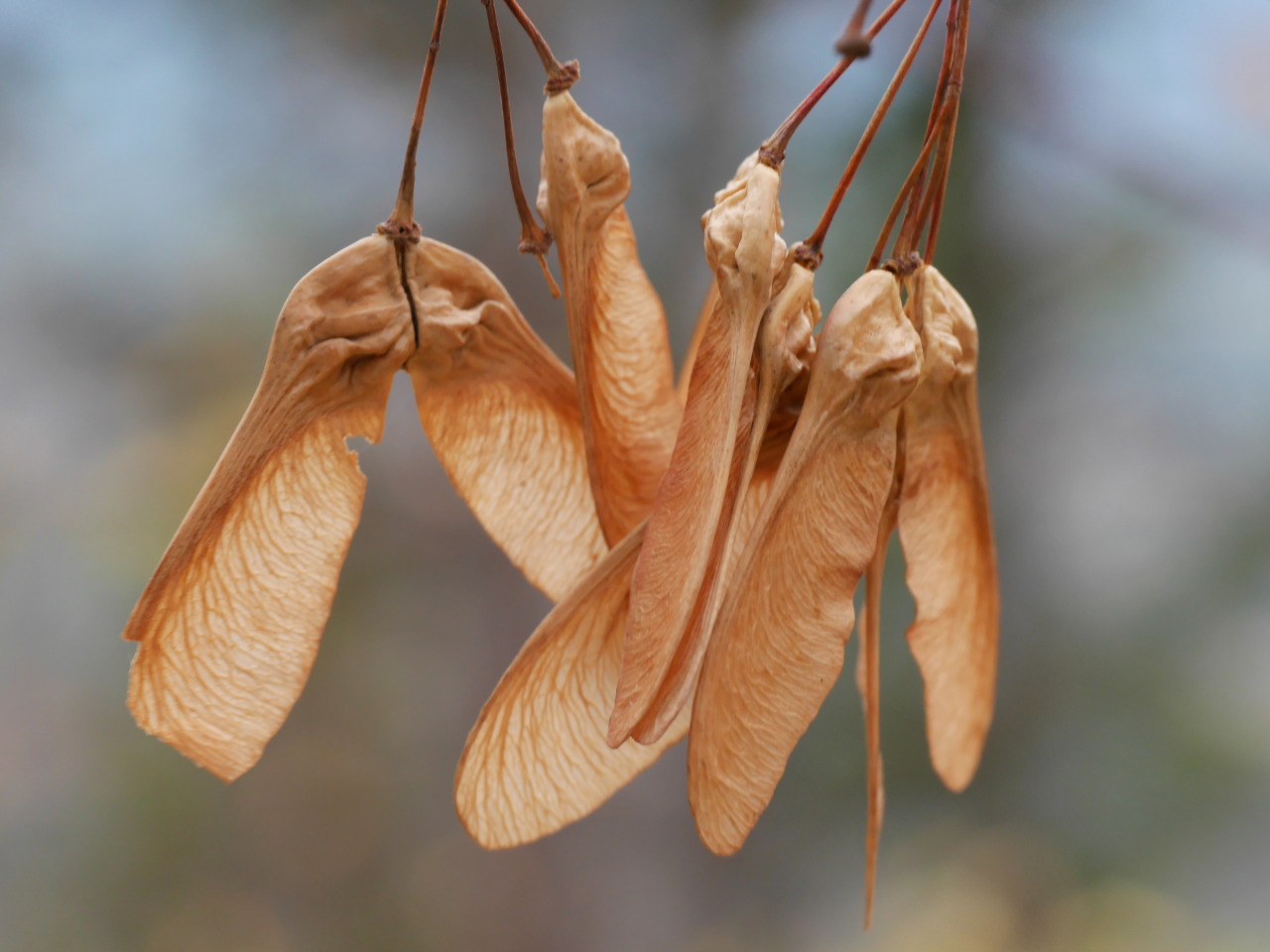
Acer glabrum “Rocky Mountain Maple” Aceraceae

Apgar Lookout Trail, Glacier National Park, MT
October 9, 2015
Robert Niese

Montana is home to two species of maple, but this is our only native. The Rocky Mountain Maple can be found in moist, open forests, avalanche slopes, and riparian areas throughout the Pacific Northwest, but is most common east of the Cascades. In the west, A. glabrum could be confused with A. circinatum, the Vine Maple, which tends to be much more common. However, simple differences in their leaf shape, fruit color, and fruit shape make the distinction quite straightforward. Like all maples, these plants have neat, aerially dispersed seeds called samaras that spin like a helicopter blade as they fall to the ground. During World War II these seeds inspired parachute-less cargo containers that could be dropped from planes to provide emergency supplies or mail to inaccessible locations.

Populus tremuloides “Quaking Aspen” Salicaceae

Apgar Lookout Trail, Glacier National Park, MT
October 9, 2015
Robert Niese

This adorable Quaking Aspen sapling had lost all but three of its leaves by the time I photographed it in early October. While Quaking Aspen is famous for its adventitious, clonal reproduction, this little guy probably grew from seed because it was all alone in the at the edge of a stand of conifer saplings. Seedlings in the genus Populus are often the first to colonize abandoned mining sites that are too toxic for other species. Recent research suggests that they are only capable of this feat because of a mutualistic relationship with various species of mycorrhizal fungi such as these earthballs.

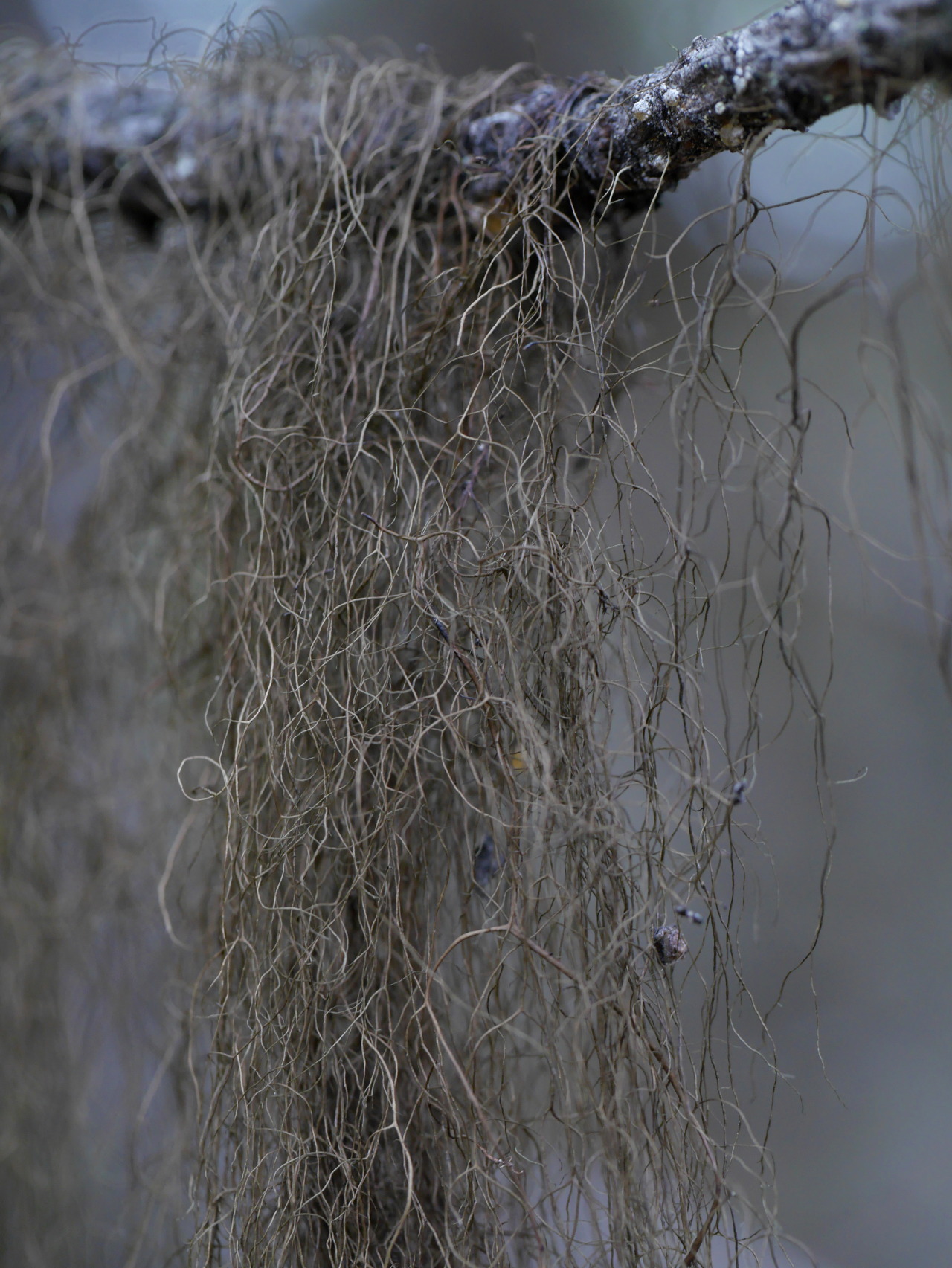
Bryoria fremontii “Wila/Black Tree Lichen”

Rattlesnake National Recreation Area, MT
October 24, 2015
Robert Niese

This lichen was a staple food source for about 20 different native groups (mostly Salish) of people here in the eastern PNW. Wila (which is the Secwepemctsín or Shuswap word for this lichen) grows abundantly here in our Ponderosa Pinelands, coating old trees from crown to floor in dangling blackish hair. No other species in the PNW east of the Cascades achieves quite as much biomass as B. fremontii (up to 3000kg per hectare!). Interestingly, like several other species of edible lichen in our region (e.g. Letharia), some regions have populations with high levels of vulpinic acid which is toxic when ingested in large quantities. It can be nearly impossible to tell these two chemotypes apart visually, and yet the vast majority of the tribes that subsisted on these lichens had to make the distinction daily.

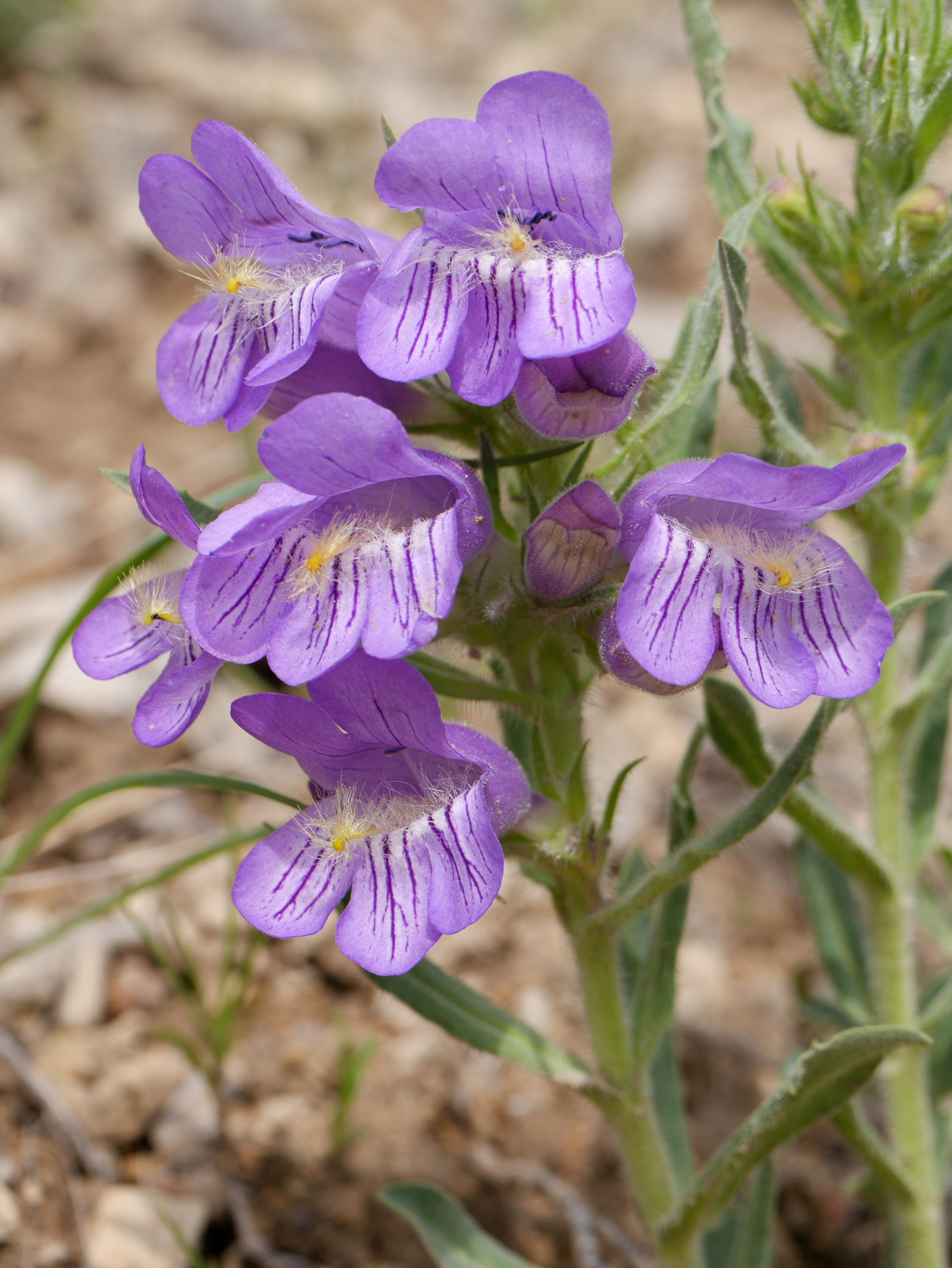
Penstemon eriantherus “Fuzzy-tongue Penstemon” Plantaginaceae (Scroph.)

Drinking Horse Mountain, Bozeman, MT
June 3, 2015
Robert Niese

As one of our largest penstemons in the PNW, this flower is hard to miss! Look for it on drier hillsides and valleys east of the Cascades where it often blooms alongside Lupine (Lupinus sp.) and Balsamroot (Balsamorhiza sp.). Its common name, Fuzzy-tongue Penstemon, is somewhat misleading as all penstemons are characterized by possessing a “fuzzy tongue.” These fuzzy tongues are actually sterile stamens (one of five total, which is where the name “pente-stamen” comes from) which attract pollinators.

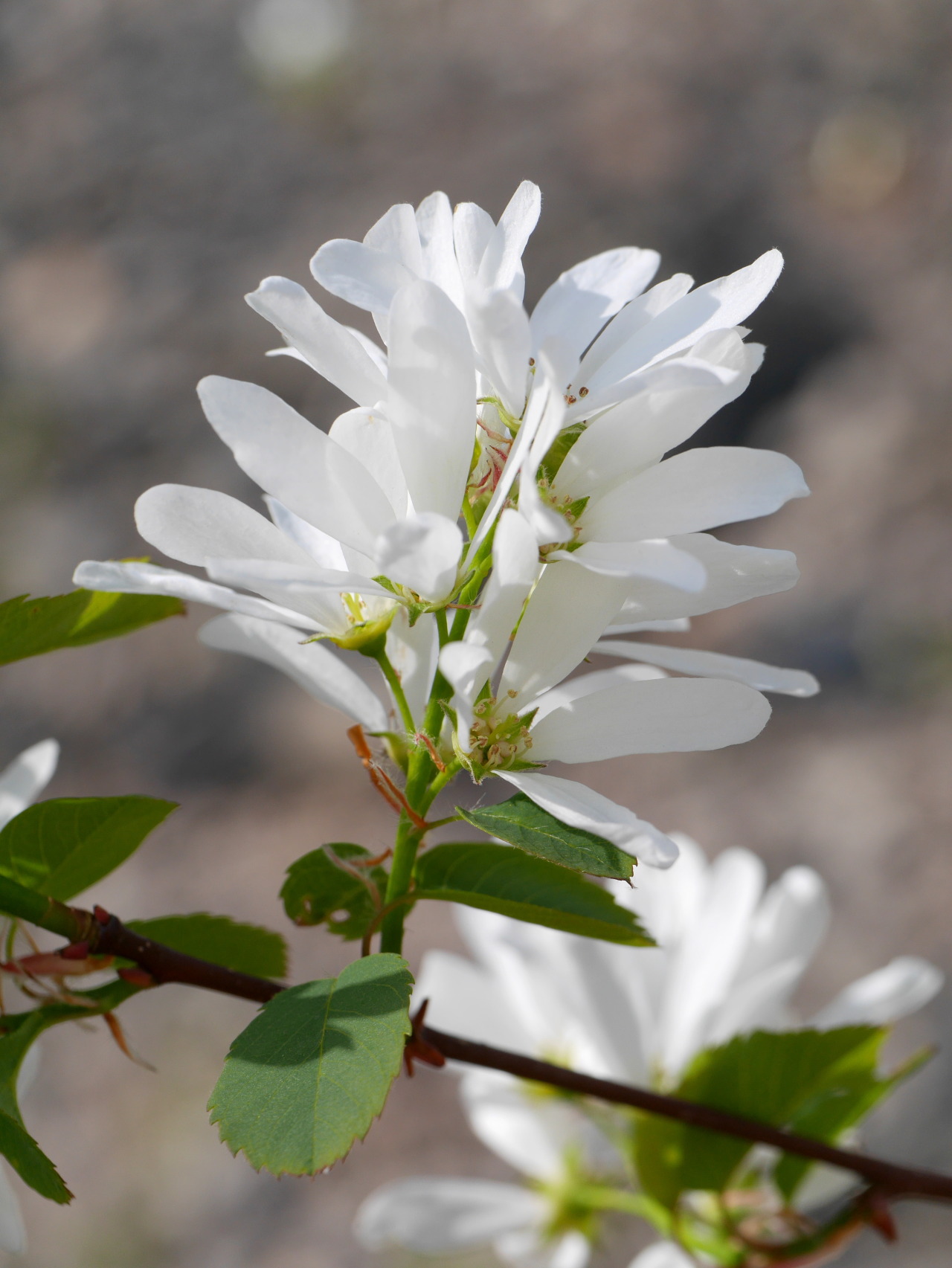
Amelanchier alnifolia “Western Serviceberry/Saskatoon” Rosaceae

Missoula, MT
April, 25 2015
Robert Niese

These common shrubs are some of the first plants to bloom in spring. Their bright white flowers light up our hillsides just as they’re starting to turn green. This plant was a staple food source for many native peoples who ate their berries raw (although they’re not as moist or sweet as other Rosaceae berries) or mashed them and shaped them into biscuits which were dried and stored for winter (side note: serviceberry is also a common ingredient in pemmican, which often is stored in biscuit shapes, so this note about dried biscuits could be a reference to pemmican, and saskatoon biscuits might not be a real thing…I’m not sure. Do any of my followers know?). Today, many local foragers will utilize these berries in jams and pies and often sweeten them for trail mixes and granola.

Vulpicida canadensis “Brown-eyed Sunshine Lichen”

Rattlesnake National Recreation Area, MT
October 24, 2015
Robert Niese

These lichens are quite common east of the Cascades where they are regularly found on the low, bare branches of young conifers such as Pinus and Abies. It is not uncommon to see branches where almost all of the bark is obscured by lichen growth. In such instances, I regularly find eight or nine species within a few inches of each other. This particular specimen was found alongside BryoriaNodobryoria, Usnea, Letharia, two species of Cetraria, two (or three) species of Hypogymnia, as well as several crustose species I was unable to identify. That’s a lot of diversity for one tiny twig!

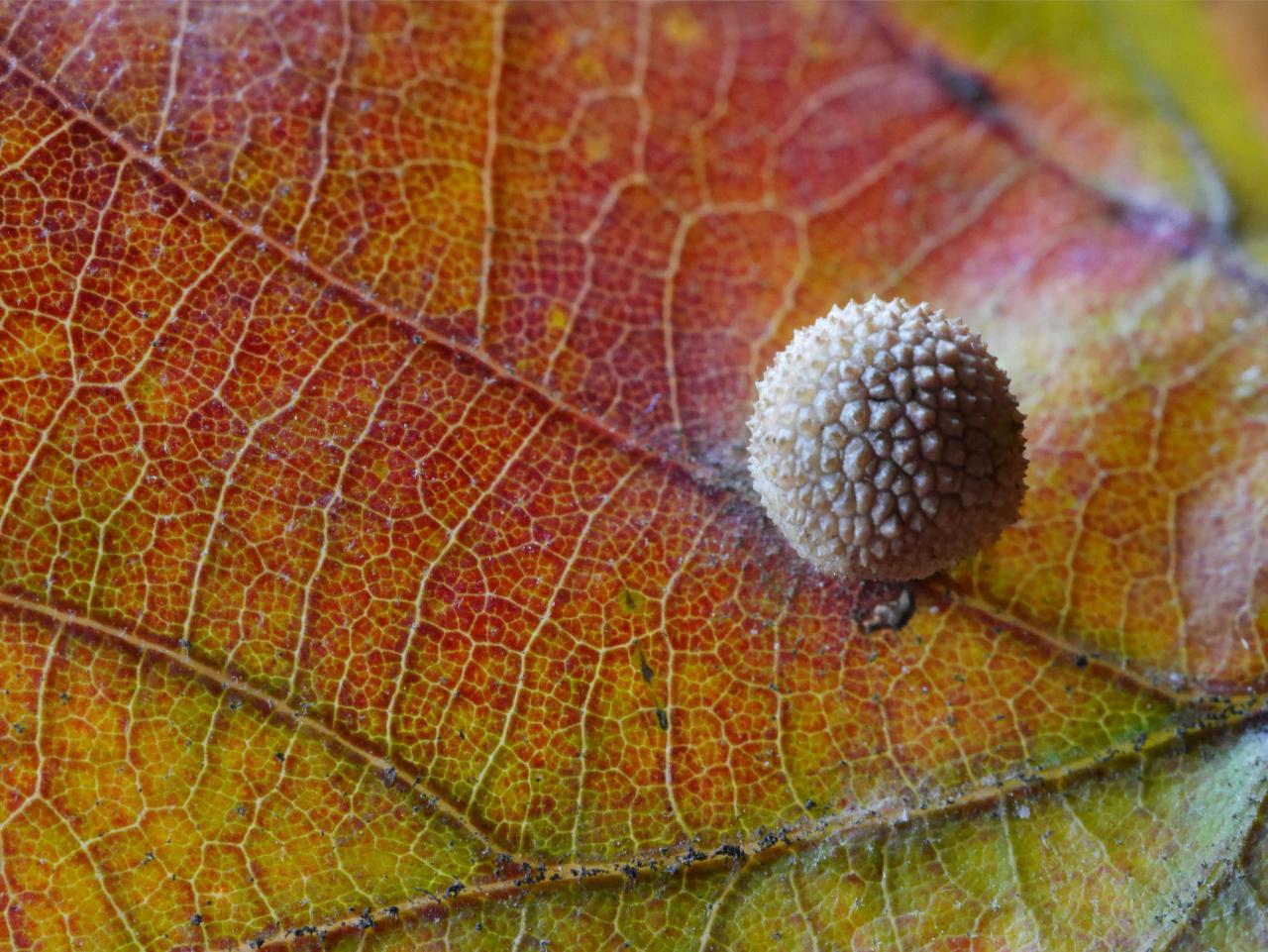
Acraspis macrocarpae “Jewel Oak Gall Wasp” gall, Cynipidae

Missoula, MT
October, 21 2015
Robert Niese

Female jewel wasps are adorable, wingless, pudgy little things when they emerge from these galls in October. Here’s another picture of these cuties for good measure. These unique organisms reproduce in cycles of alternating generations of all females and generations with both sexes. In years with only females, the wasps reproduce parthenogenetically. Apparently, parthenogenetic galls are different in size, shape, and color than their sexually-produced counterparts. I was unable to find specific information regarding this phenomenon in Acraspis macrocarpae, but most accounts suggest that only females occur inside these particular galls, which leads me to believe they may be the sexually-produced versions of these oak galls. Perhaps next year, we’ll see a completely different variety of gall on our local oaks! I’ll be sure to update you all next fall.

Also, fun fact, this species of gall wasp was originally described by Alfred Kinsey, the world-renowned human sex scientist! It’s true! Before studying sex, Kinsey collected more than 7.5 million galls and wasps and named dozens of species. Of the 18 million insect specimens currently housed at the American Museum of Natural History, nearly a third are from Kinsey’s dissertation! His work not only revolutionized our understanding of this wasp family, but also had profound impacts on the ways we conducted phylogenetic and entomological analyses. Read more about his fascinating work as an entomologist here.


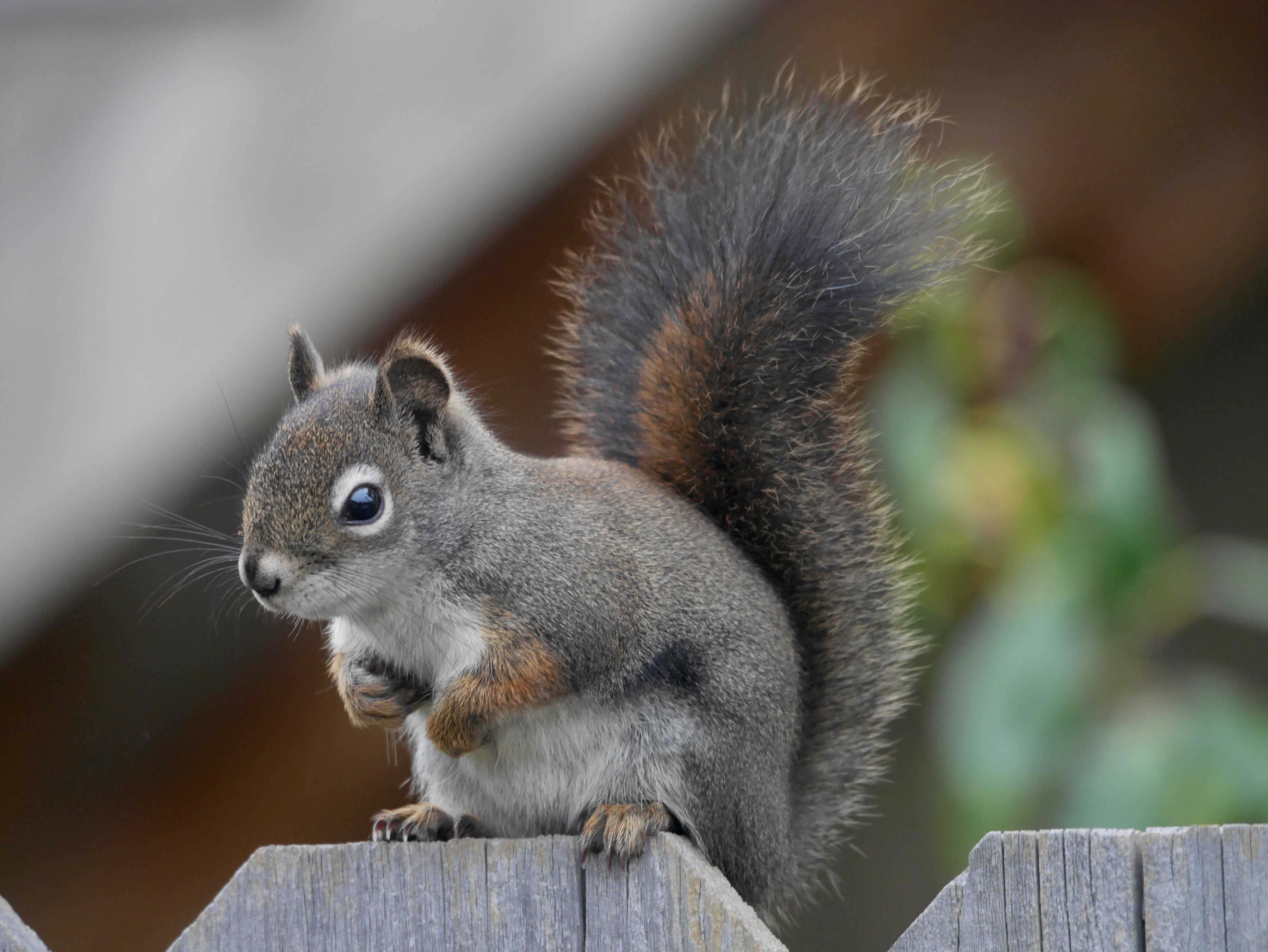
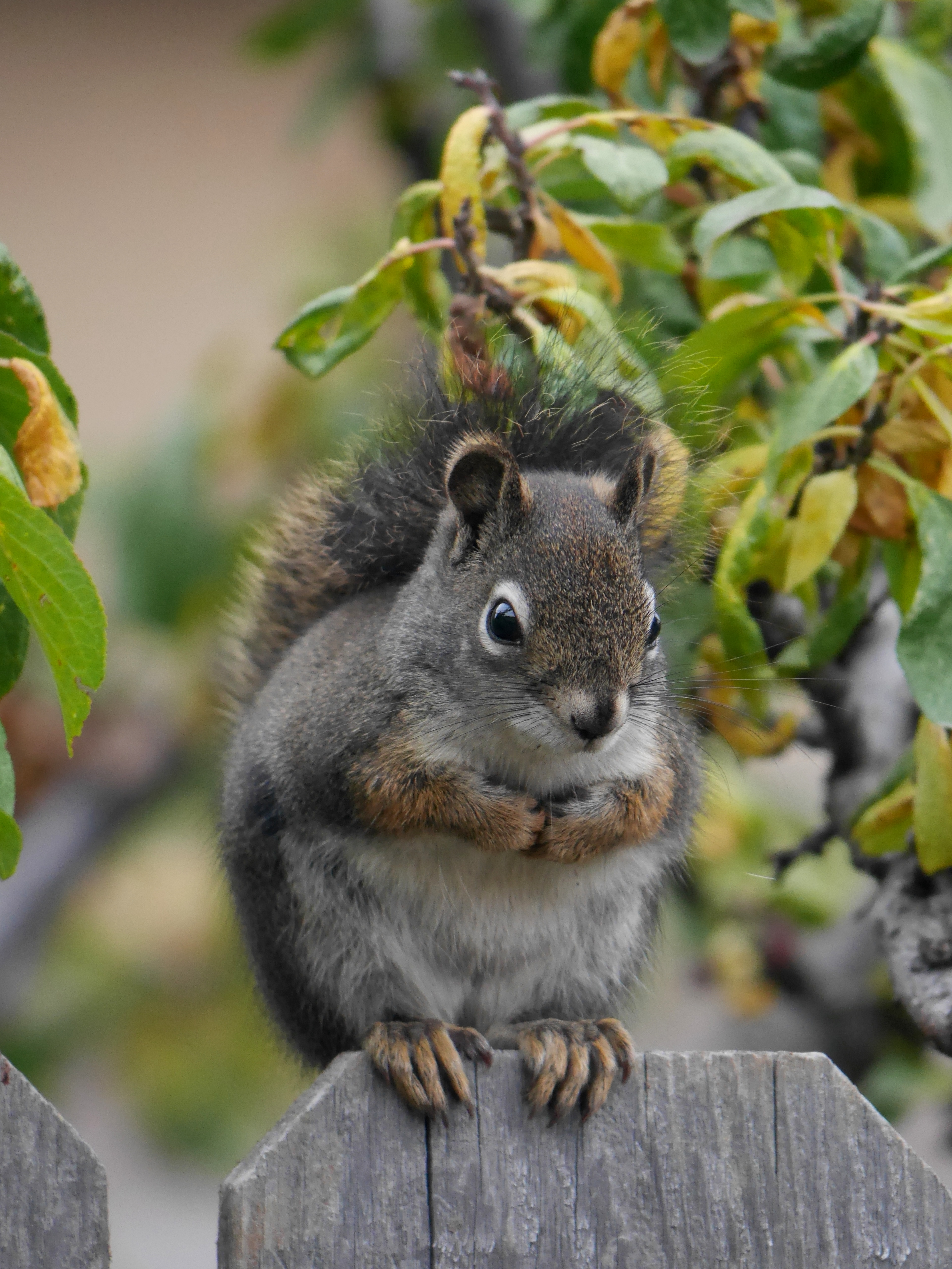
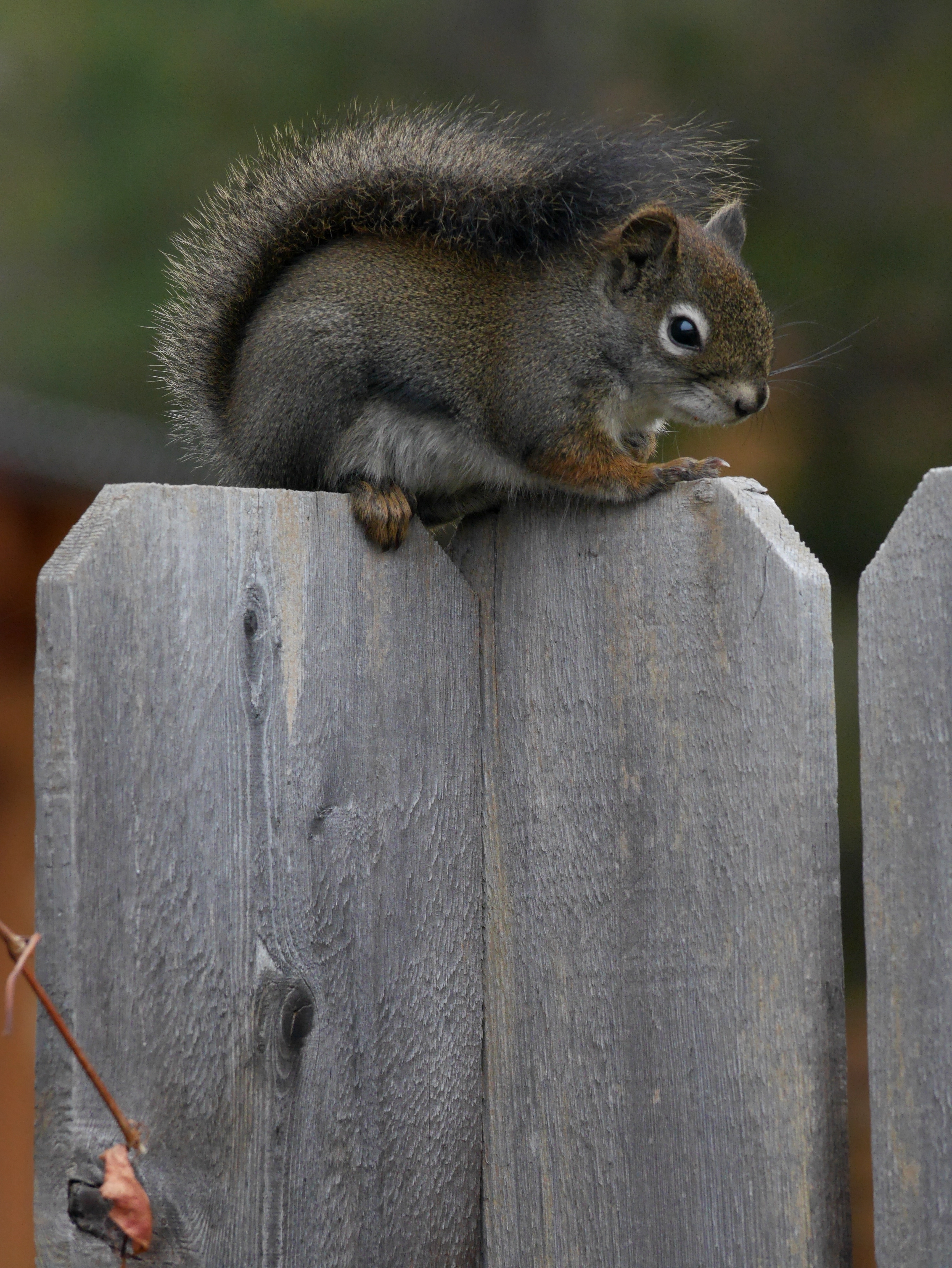
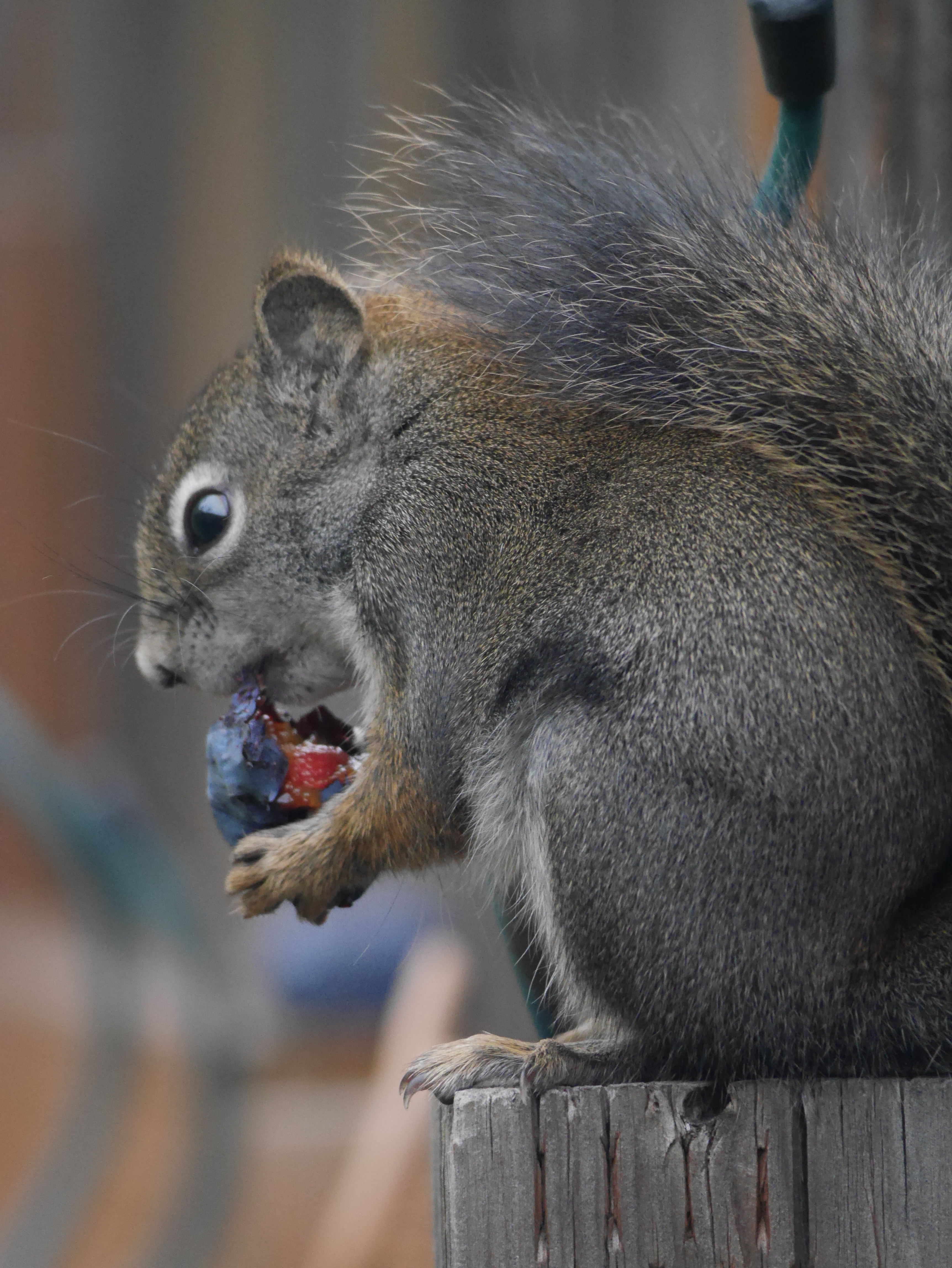
Tamiasciurus hudsonicus “Red Squirrel” Sciuridae

Missoula, MT
October 24, 2015
Robert Niese

Red Squirrels are rarely found in town here in Missoula. They require an ample supply of pine cones unlike their more adaptive relatives, the Eastern Fox Squirrel and the Eastern Gray Squirrel. But in neighborhoods adjacent to our nearby open spaces, these critters can adapt to live alongside people. This little guy was busy munching on an overripe plum when I interrupted him for a photo.

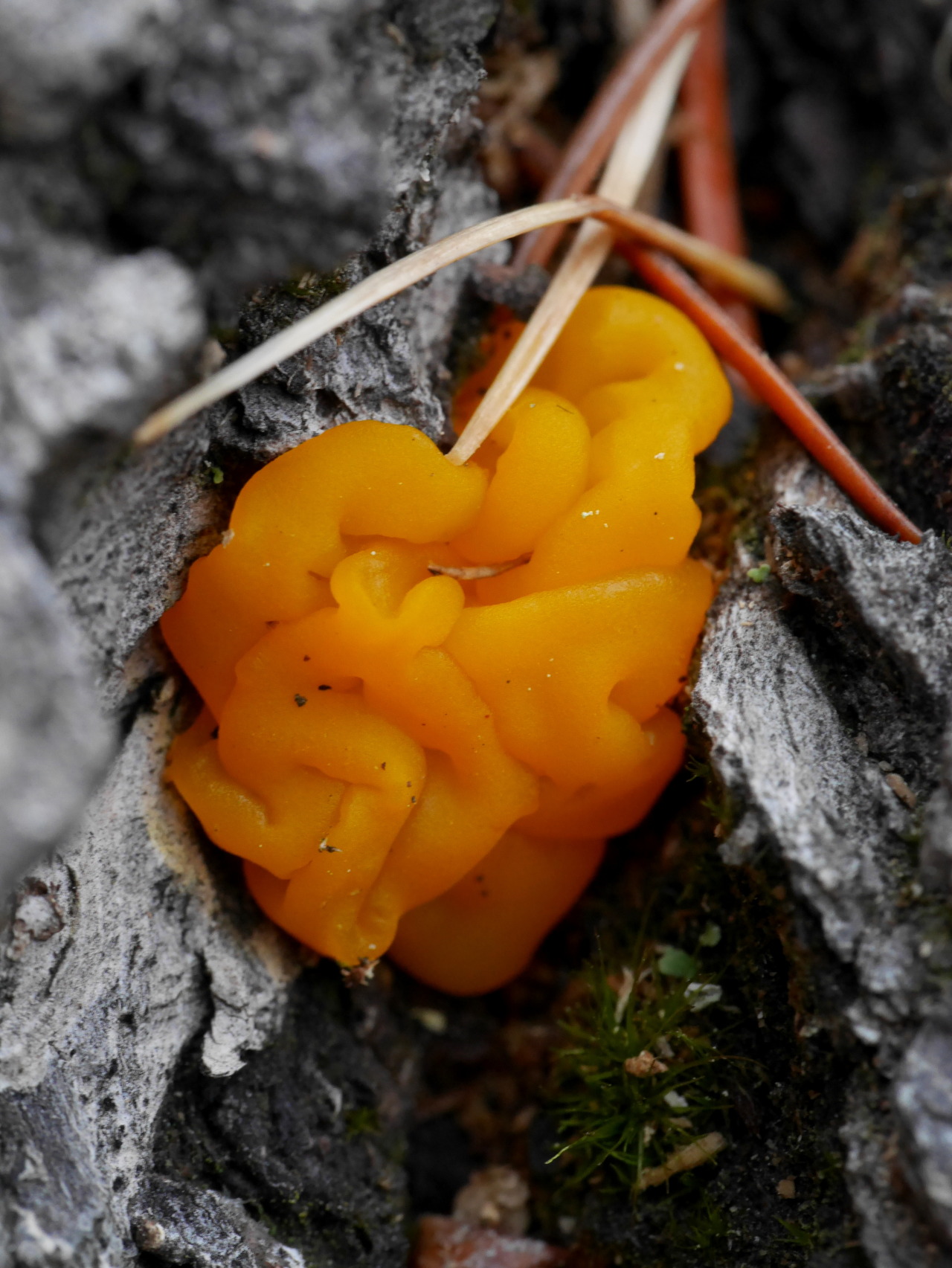
Tremella mesenterica “Witch’s Butter” Basidiomycota

Rattlesnake National Recreation Area, MT
October 24, 2015
Robert Niese

The Witch’s Butter complex of species (T. “mesenterica”) are our most common orange, jelly-like fungi in the Pacific Northwest. They are very similar in shape, size and color to Dacrymyces palmatus and microscopic examination is often necessary to distinguish the two normally. As a general rule of thumb however, Tremella mesenterica tends to grow on dead hardwoods, while Dacrymyces tends to grow on conifers. Tremella is an obligate parasite of the crust fungus Peniophora, which can also be a good indicator of species identity for this jelly fungus (the closely related T. aurantia is also an obligate parasite of a rot fungus, but it only grows on conifers). This particular specimen is growing in between the large, ridged bark of a downed Cottonwood (Populus trichocarpa).