tumblr_o8u2mzta4r1tmun60o1_1280

Calligrapha verrucosa “Warty Willow Leaf Beetle” Chrysomelidae

Missoula, MT
May 26, 2016
Robert Niese

Caught, in flagrante delicto, mating right on the beach! Egads! These indiscreet little beetles are relatively closely related to those Cottonwood Beetles I posted yesterday. Their genus name “Calligrapha” is a reference to the beautiful calligraphic script on the backs of many species. This species’s coloration is not quite as script-like, but it definitely still appears painted. I’ll post some portraits later! These beetles are most common in the Northern Rockies of Montana, Alberta, and Saskatchewan, but, according to some older sources, their range is far broader, stretching from Nebraska to California to Alaska. If you have photographs of these beetles please contact me to supplement our scientific understanding of their distribution!

tumblr_o8qg30plzo1tmun60o1_1280

Chrysomela scripta “Cottonwood Leaf Beetle” Chrysomelidae

Missoula, MT
April 22, 2016
Robert Niese

These lovely beetles can spend their entire life cycles living off of a single poplar or cottonwood tree. Females lay their eggs in clusters on the undersides of leaves. Those eggs hatch and the larvae begin feeding on the leaf tissues until nothing but a skeleton of veins remains. Then, they pupate into adults which will continue the process of defoliating the tree by eating the thick veins and midribs left behind by the larvae. Some small saplings can be killed by a particularly hungry population of breeding Cottonwood Leaf Beetles. This species may not be present in the PNW west of the Cascades. If you discover them there, please let me know!

tumblr_o8qezrm0xm1tmun60o1_1280

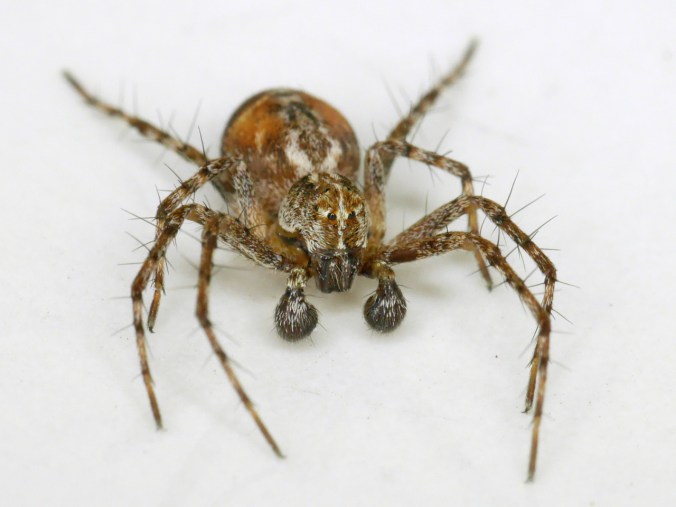
Oxyopes scalaris “Western Lynx Spider” Oxyopidae

Missoula, MT
May 6, 2016
Robert Niese

Lynx spiders are some of my favorite arachnids! They’re stealthy, fast, agile and ferocious predators, some of which specialize on other spiders! Oxyopes scalaris is virtually the only species of lynx found in the PNW, however. It can be found in just about any habitat from the coast to the Rockies and as far north as BC. One additional species, the Striped Lynx (O. salticus) can be found along the coast from California through Oregon and, rarely, in southern Washington.

tumblr_o8j4ukduyv1tmun60o1_1280

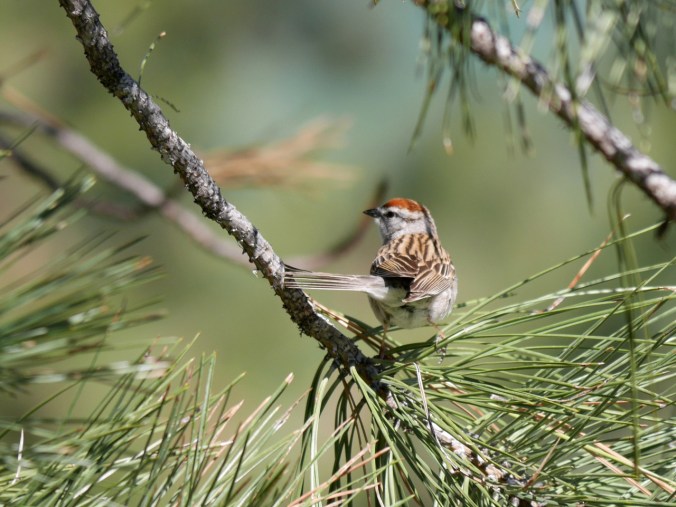
Chipping Sparrow (Spizella passerina) Emberizidae

Blue Mountain National Recreation Area, MT
May 13, 2016
Robert Niese

These charming birds are relatively abundant and widespread throughout North America and are a quite underappreciated bird. Here in the west, they are generally only found in or around coniferous forests and pineland savannas, whereas their eastern cousins are a much more urban or suburban bird. Their song is a loud trill which, often to the chagrin of field ornithologists, varies substantially among individuals and can easily be confused with the trills of Dark-eyed Juncos, towhees, and many species of warblers.

tumblr_o8ku2qsez21tmun60o1_1280

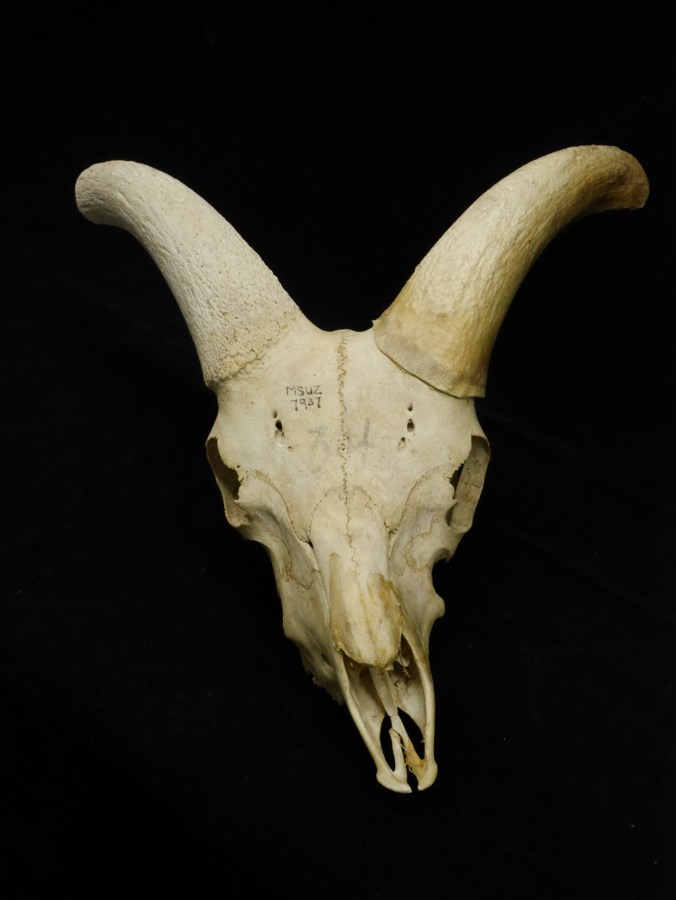
Ovis canadensis “Bighorn Sheep” Bovidae, male, 3 years old

Wild Horse Island, Flathead Lake, MT
September 27, 1961
col. Wesley Woodgerd (photo Robert Niese)

Bighorn Sheep were first transplanted to Wild Horse Island in 1939 and, from a herd of only 8 breeding adults, the population grew to be more than 200 strong. By the 60s and 70s, when Wesley Woodgerd was studying their herds, the maximum number of sheep recorded on the island at one time exceeded 240 individuals. This deformed young male was born around a time when the herd was likely suffering greatly from inbreeding depression which may have contributed to its odd schnoz. Alternatively, without any predators on the island, perhaps this individual was injured at a young age and managed to survive and develop this malformity from its wounds. Learn more about the Wild Horse Island Bighorn Sheep here.

tumblr_o8d7ap23dk1tmun60o1_1280

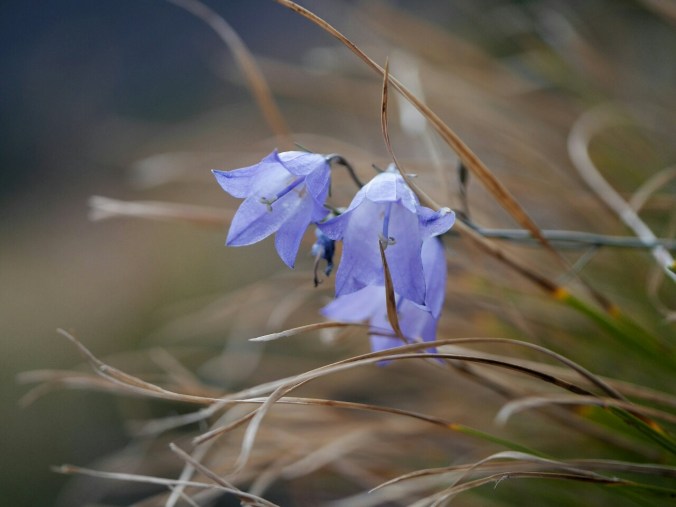
Campanula rotundifolia “Mountain Harebell” Campanulaceae

Two Medicine, Glacier National Park, MT
October 8, 2015
Robert Niese

The Mountain Harebell has a circumpolar distribution where it tends to be a late-blooming perennial. As a native of the British Isles, the harebell has attracted the attention of many a great English poet, including William Shakespeare, John Clare, and Christina Rossetti. Here in the PNW, the Haida people called them “blue rain flowers” and believed that picking them would cause it to rain.

tumblr_o8gxmyne7v1tmun60o1_1280

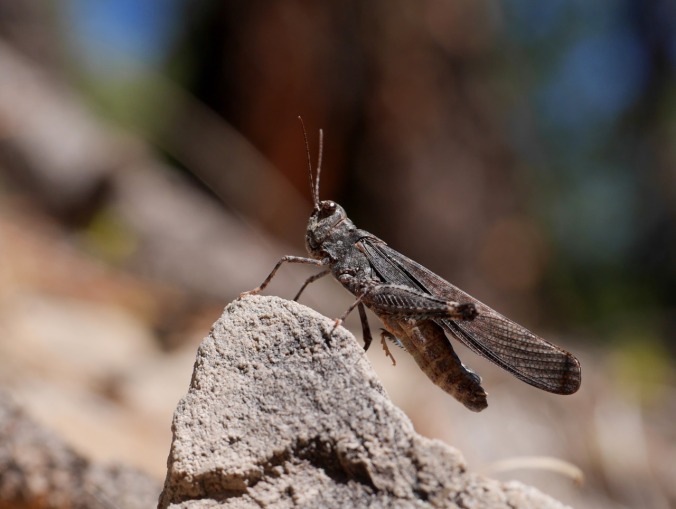
Trimerotropis verruculata suffusa “Crackling Forest Grasshopper” Acrididae

Mt. Sentinel, Lolo National Forest, MT
September 12, 2015
Robert Niese

BugGuide has become an indispensable resource for all my insect identification needs, but rarely do I come across pages so eloquently and comprehensively written as those by David Ferguson. His passion for band-winged grasshoppers makes these entries a joy to read:

“T. verruculata suffusa is one of the most common and conspicuous Band-wing Grasshoppers in open pine forests of the Rockies and Sierras, where it can be seen (and heard) on most any warm summer or autumn day. The “crepitation” produced in flight is a relatively loud crackling sound, and sometimes males will hover and crackle for several seconds at a time. Never is it so loud and conspicuous as Circotettix species (to which it is related and similar), but nearly so.”

tumblr_o8d79mtvoi1tmun60o1_1280

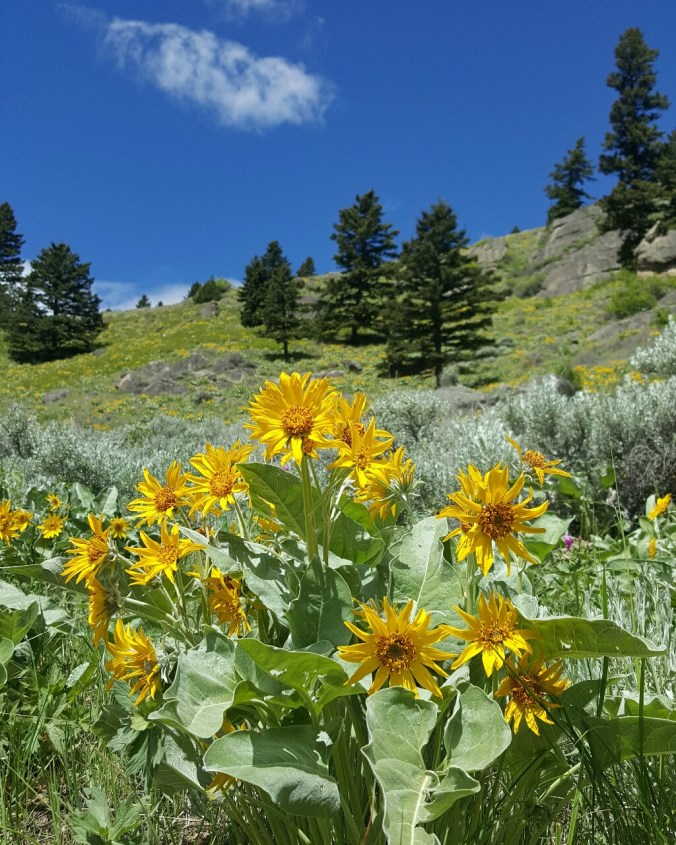
Balsamorhiza sagittata “Arrowleaf Balsamroot” Asteraceae

Tobacco Root Mountains, MT
June 3, 2016
Robert Niese

I recently acquired a new phone with a decent camera! This was especially fortuitous last week when I managed to accidentally stumble upon this huge late bloom of balsamroot without my DSLR handy. These hillsides were still completely blanketed in blooming B. sagittata, while Missoula’s hillsides have all faded in the past few weeks. And for the record, this phone camera has more megapixels than my first DSLR… Weird.

tumblr_o8cztbrubu1tmun60o1_1280

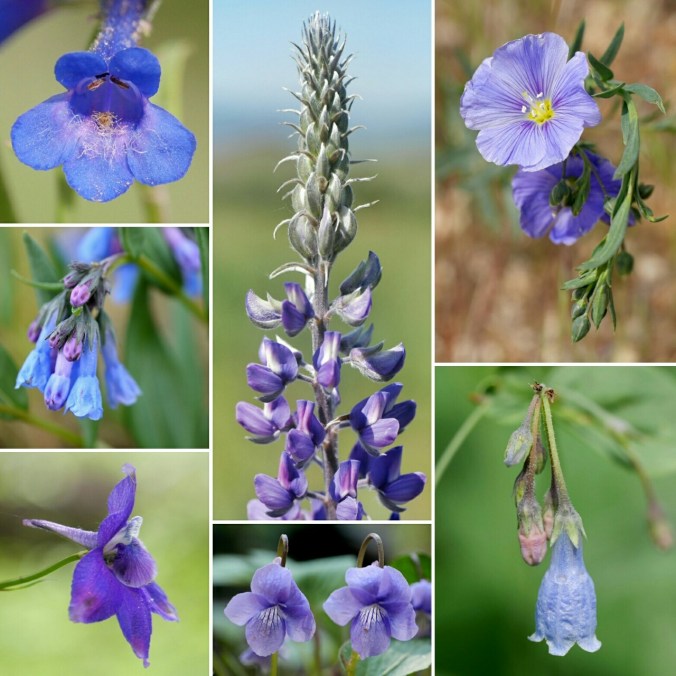
Blue and violet wildflowers in-bloom in the first week of June

(from top-to-bottom, left-to-right: Penstemon sp., Mertensia longiflora,Delphinium bicolor, Lupinus sericeus, Viola adunca, Linum lewisii, Mertensia paniculata)

Lolo National Forest, MT
June 2014, 2015, 2016
Robert Niese

I finally have an instagram with loads of not-so-sciencey nature and personal content! Feel free to drop by and peak into the life of a nerdy natural historian!
www.instagram.com/robertniese/