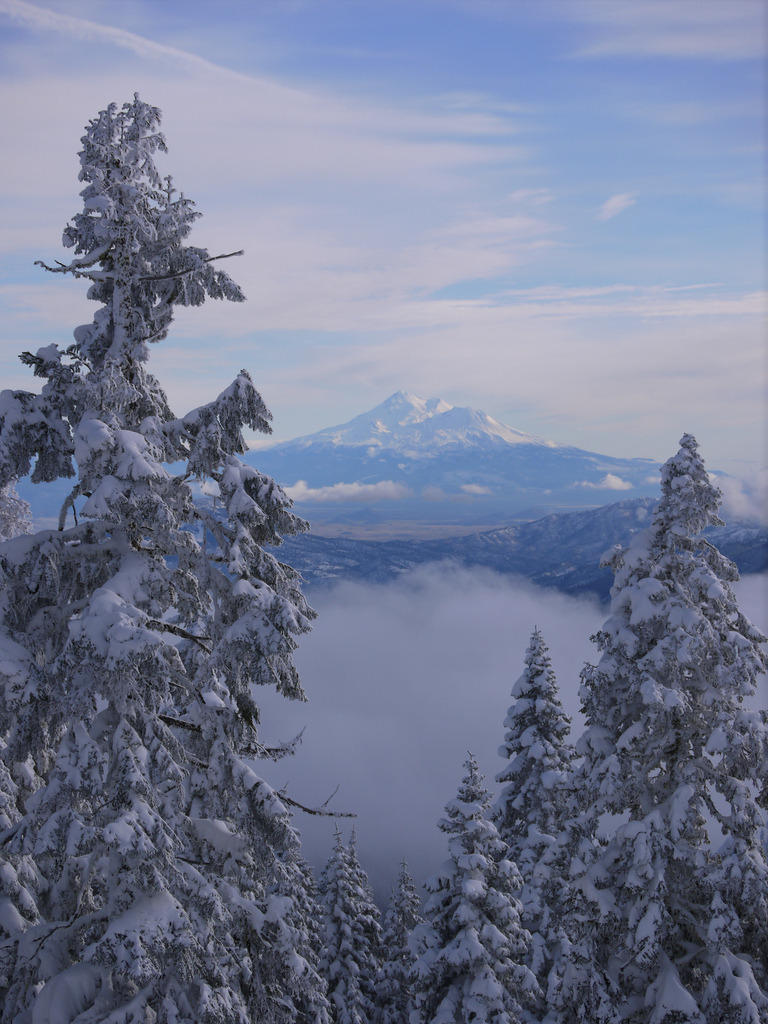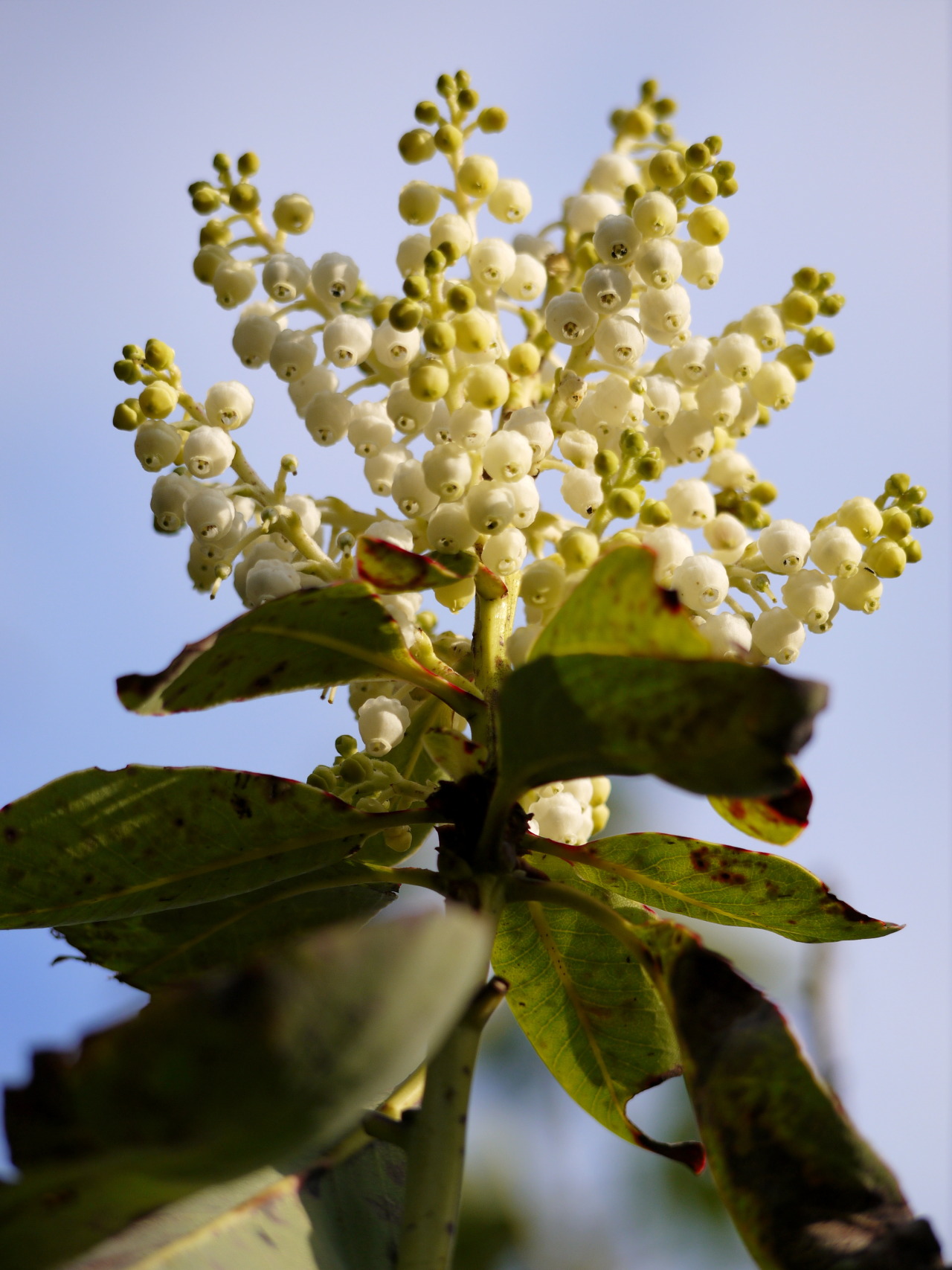
Arbutus menziesii “Madrone/Arbutus” Ericaceae

Point Defiance Park, Tacoma, WA
May 5, 2012
Robert Niese

This is one of my favorite PNW endemics. The bark can be collected and steeped in a tea to treat stomach aches, cramps, or sore throats. The berries can be chewed to suppress hunger or fermented into a cider. The wood of madrone is beautiful and dense making it excellent for kinds of projects. Madrone’s thick, evergreen leaves are resistant to water loss make the species well adapted for coastal and dry environments throughout the PNW.

Arbutus menziesii “Madrone/Arbutus” Ericaceae

Point Defiance Park, Tacoma, WA
May 5, 2012
Robert Niese

This is one of my favorite PNW endemics. These bark peels can be collected and steeped in a tea to treat stomach aches, cramps, or sore throats. The berries can be chewed to suppress hunger or fermented into a cider. The wood of madrone is beautiful and dense making it excellent for kinds of projects. Madrone’s thick, evergreen leaves are resistant to water loss make the species well adapted for coastal and dry environments throughout the PNW.
tumblr_nzmc8nczro1tmun60o1_1280

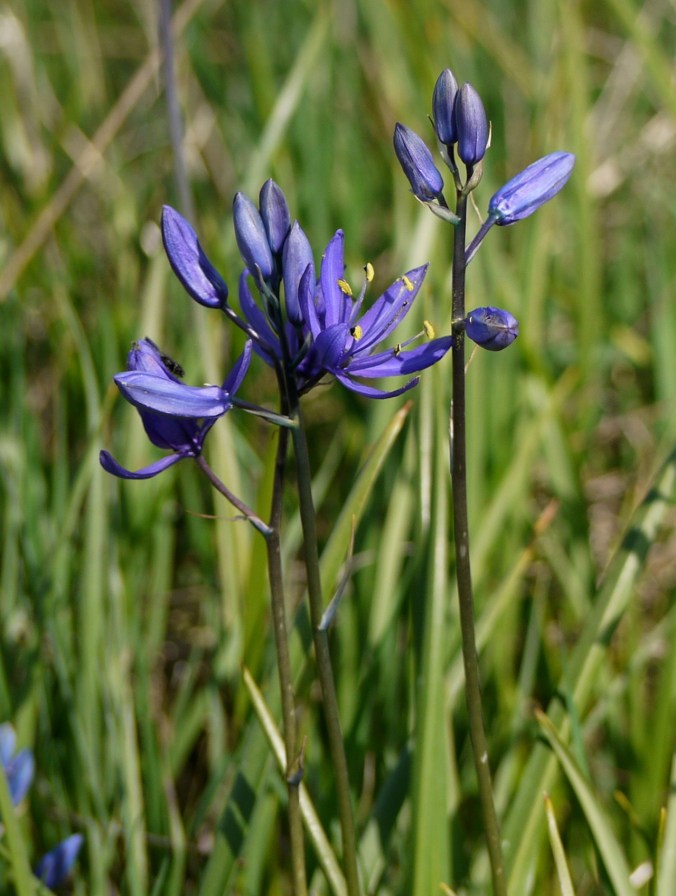
Camassia quamash “Common Camas” Liliaceae

Joint Base Lewis-McChord, WA
May 6, 2012
Robert Niese

Camas was one of the most important food plants for PNW indigenous peoples. In late spring, bulbs were collected and slow-cooked in giant pits or earthen ovens. These roasted bulbs taste similar to sweet potatoes, but are much sweeter and more fibrous. These plants were such an important food source that wars were often fought over control of the prairies in which they grow. Here in the Puget Sound, these prairie habitats were maintained through regular burning in order to preserve and promote camas growth. Today, more than 85% of these prairie ecosystems have completely disappeared and almost 20,000 of the 23,000 remaining acres can be found here on the Joint Base Lewis-McChord.

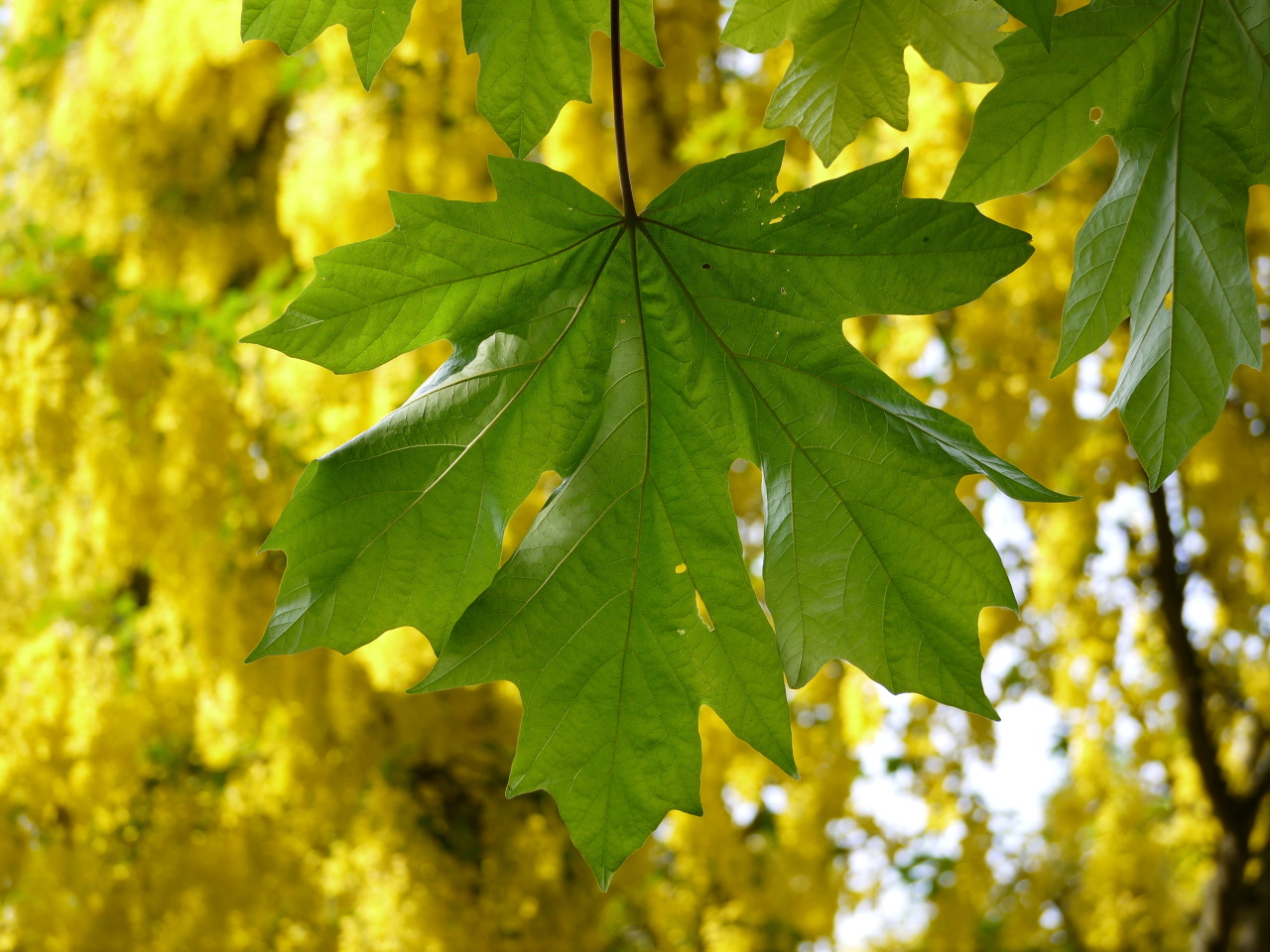
Acer macrophyllum “Bigleaf Maple” Aceraceae, with
Laburnum anagyroides “Golden Chain Tree” Fabaceae

Tacoma, WA
May 30, 2012
Robert Niese

The largest leaves on Bigleaf Maples easily reach 2 feet in length! These trees are keystone species in riparian zones throughout the wet lowlands of the PNW and are particularly important for sustaining healthy moss populations. In the background, you can see the bright yellow flowers of the introduced Golden Chain Tree. These papilionaceous flowers (in the pea family) are favored by bumble bees which are large enough to wriggle their way into the corolla.

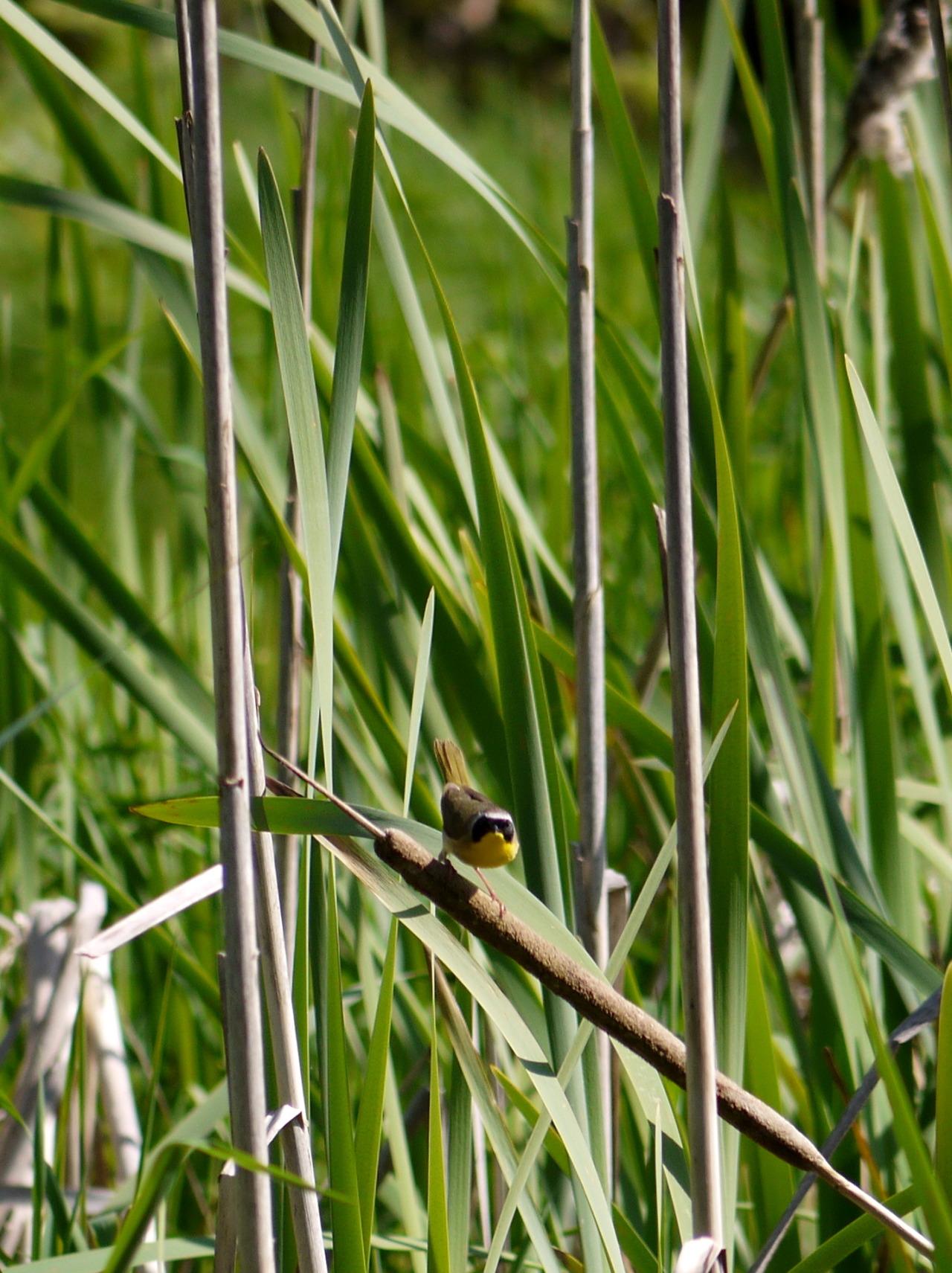
Common Yellowthroat (Geothlypis trichas) Parulidae

Nisqually National Wildlife Refuge, WA
May 6, 2012
Robert Niese

Yellowthroats are among the most abundant and widely dispersed of the New World Warblers. There are 13 different races of these little birds, but all share their characteristic witchety witchety witchety song. Listen for these birds in any riparian or wetland habitat across the US and Canada.

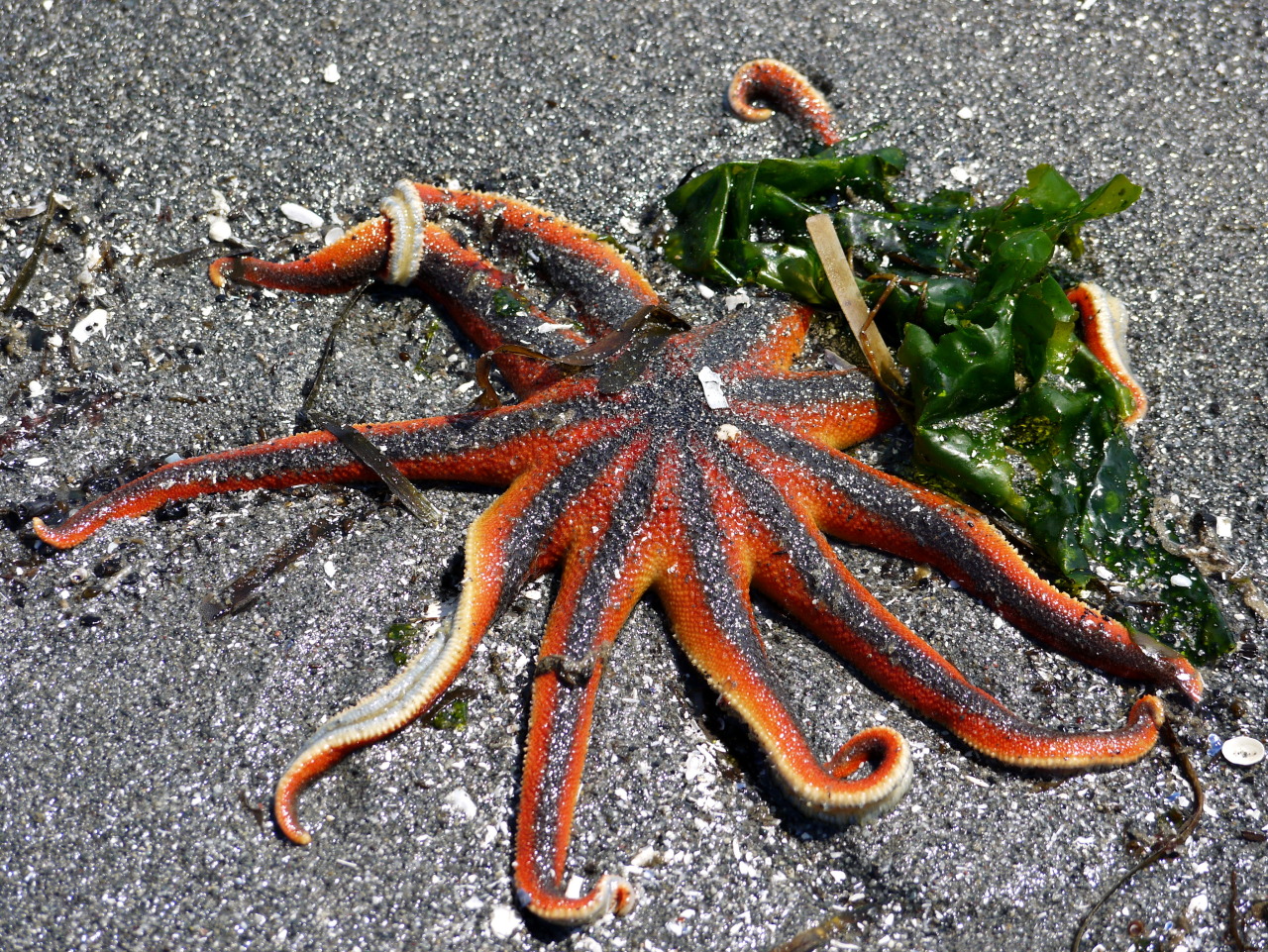
Solaster stimpsoni “Stimpson’s Sun Star” Asteroidea, with
Ulva lactuca “Sea Lettuce” Chlorophyta

Point Robinson, Vashon Island, WA
July 4, 2012
Robert Niese

Solaster sea stars tend to be a more subtidal echinoderm, so we only really get to enjoy them as beachgoers at especially low summer tides. This species is a voracious hunter of sea cucumbers which are common in rocky inter- and subtidal ecosystems. However, this individual was hunting in open sand before it was stranded by the tide, which suggests it might have been feeding on the plentiful sea pens which occur in these areas instead. This species of sea star is the host of a commensal scale worm which can be found hiding in the groove between the paired tube feet on the underside of each arm.

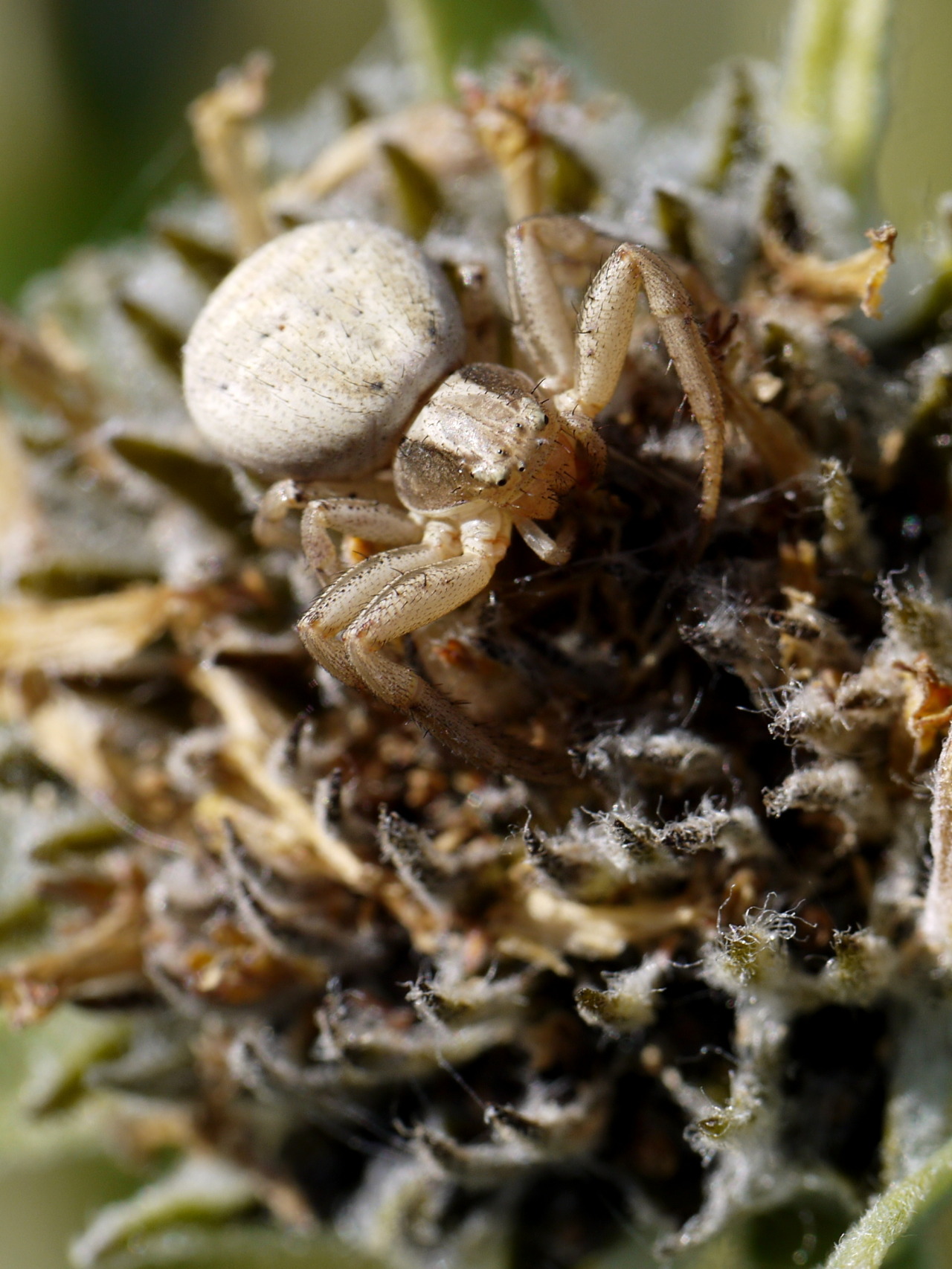
Xysticus sp. “Ground Crab Spider” Thomisidae

National Bison Range, MT
June 8, 2014
Robert Niese

This large, highly variable genus of crab spiders can be found across the US and Canada. Although they are classified as ground spiders (as opposed to the flower crab spiders), they are often found in and around flowers where they wait to ambush arthropod prey.

Trimerotropis fontana “Fontana Band-winged Grasshopper” Acrididae

Missoula, MT
September 3, 2013
Robert Niese

The hills around Missoula are absolutely flush with grasshoppers in the late summer. On our collecting trip this particular September, we caught nine or ten different species in an hour! Trimerotropis is North America’s most speciose genus of Band-winged Grasshoppers and we regularly catch three species in our area. For ID information regarding this highly abundant genus, check out David Ferguson’s descriptions in BugGuide.

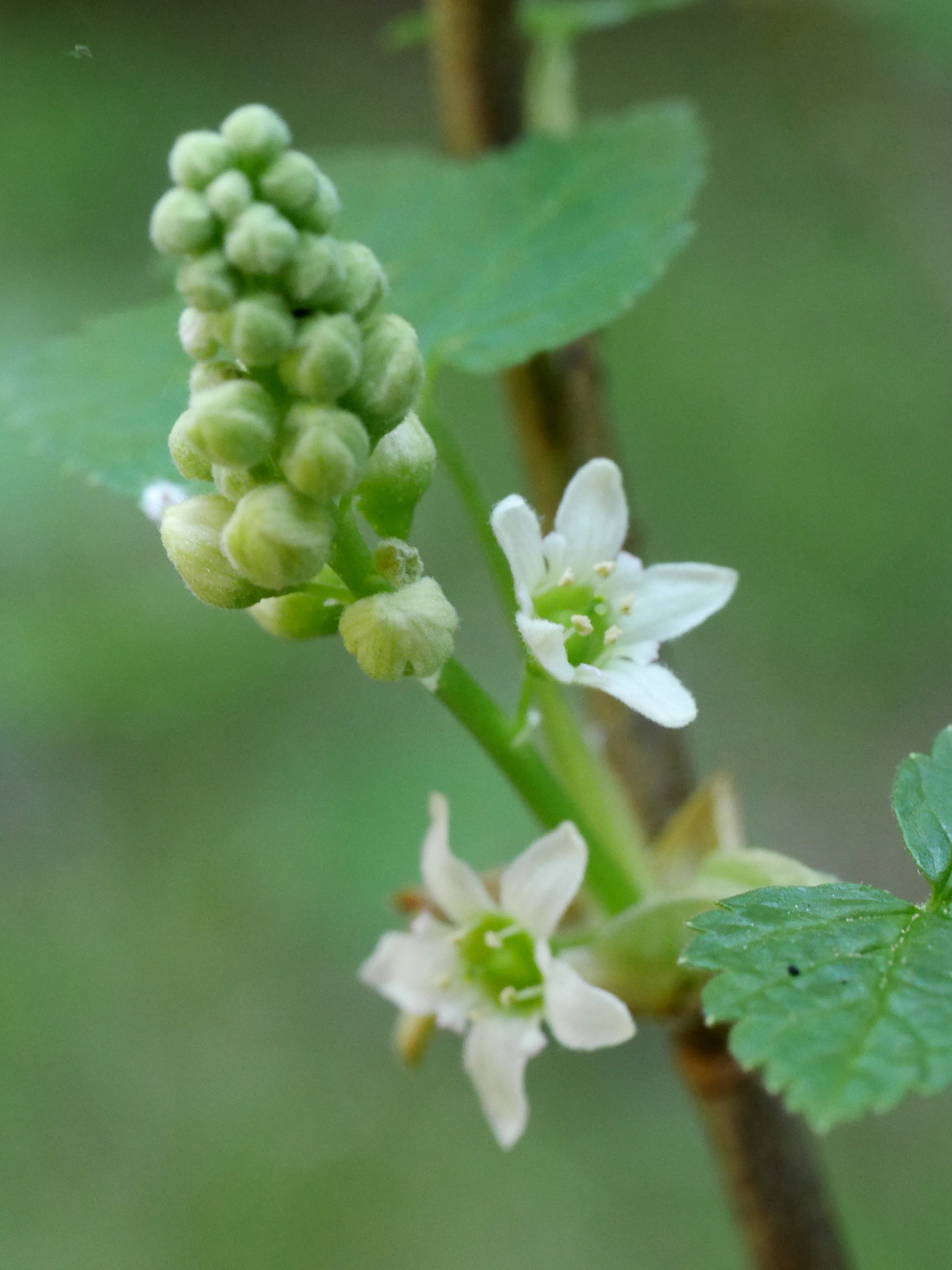
Ribes hudsonianum “Northern Black/Stinking Currant” Grossulariaceae

Lolo National Forest, Bitterroot Mountains, MT
May 10, 2015
Robert Niese

These currants are found throughout the temperate and boreal forests of North America from Alaska to Quebec south through the Rocky Mountain states. Here in the PNW, they tend to only be found east of the cascades in mid- to high-elevation dense wet forests and stream banks. Their berries, like so many of our Ribes in Montana, are relatively unpalatable.