tumblr_o29kwbaz8q1tmun60o1_1280

Myosotis latifolia “Broadleaf Forget-me-not” Boraginaceae

Mt. Tamalpais State Park, Marin County, CA
December 29, 2015
Robert Niese

This is not a species of Myosotis that we regularly encounter here in the PNW. It’s a common garden species, however, and some manage to occasionally escape cultivation. Coastal California is particularly rife with these escapees. They can be found in most moist, disturbed coastal habitats between Monterrey and Humboldt.

Niebla spp. “Fog Lichen”

Mt. Tamalpais State Park, Marin County, CA
December 29, 2015
Robert Niese

So far in my brief foray into lichenology, I have yet to encounter a fungus so hotly debated as the “Niebla” fog lichens (members of a complex of “Ramalina-like” maritime lichens). Rather than venture an opinion as to the identity of these species (or just one species?), I’ll just leave the name at the genus level (although even THAT is debatable). For those of you interested, various parties claim everything from 1 to 42 to 100s of species of Niebla occur on Pacific Coasts of North America. Most agree, however, that diversity is much lower north of Baja California and the Channel Islands, and that the PNW is only home to one (N. cephalota) or, at most, three species. Although some sources state that no species occur north of Humboldt County, CA…

Hypogymnia heterophylla “Seaside Bone Lichen”

Mt. Tamalpais State Park, Marin County, CA
December 29, 2015
Robert Niese

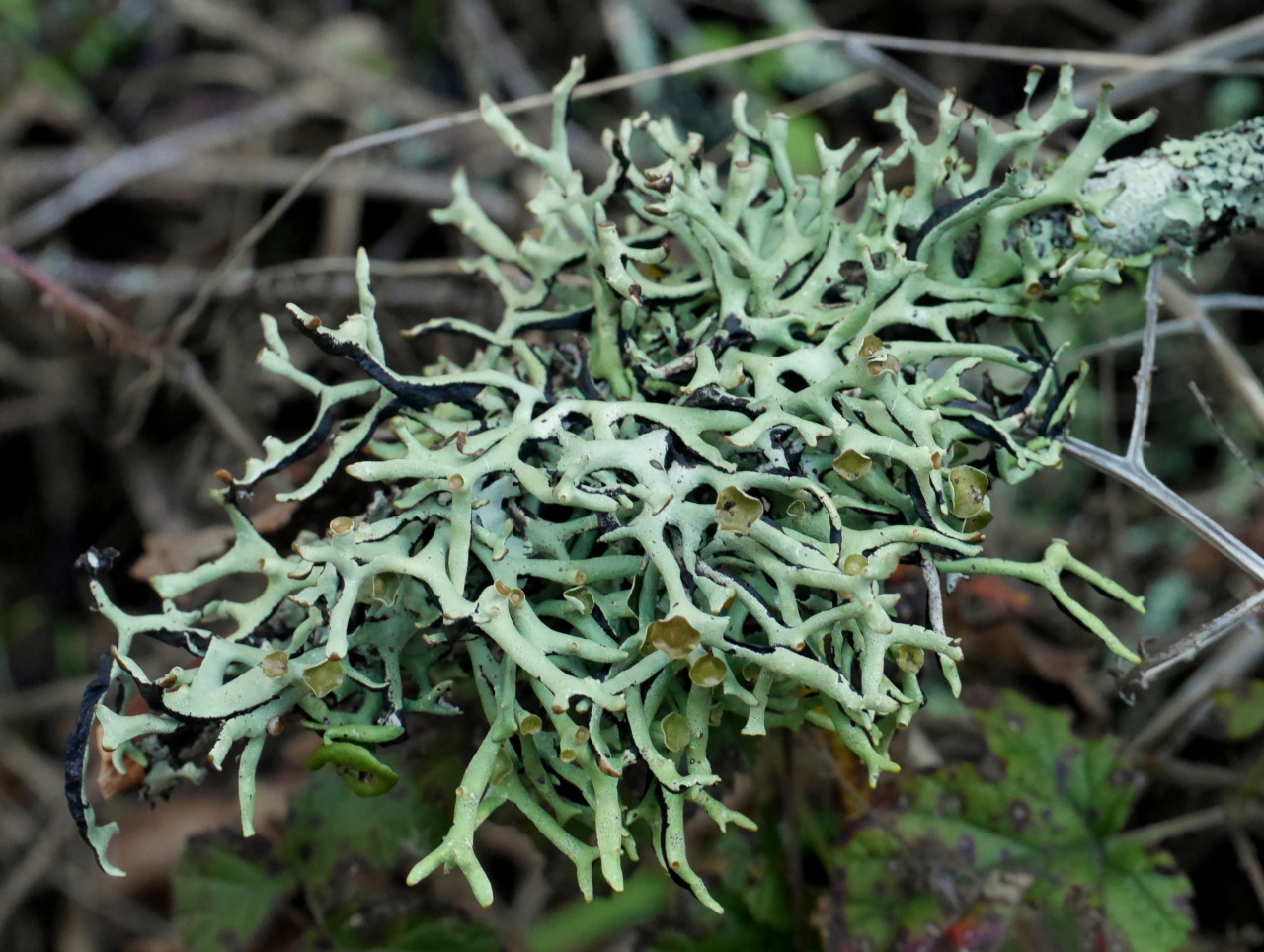
A true coastal species, H. heterophylla is regularly found along the Pacific from California’s North Coastal Redwood Forests through British Columbia. There are three species with a similar growth habit found west of the Cascades. H. heterophylla is characterized by having many dichotomous branches that occur at 45 degrees, forming a series of perpendicular branch patterns. Another species, H. imshaugii, rarely has a similar branching pattern but, when broken open, H. imshaugii has white interiors while H. heterophylla has black interiors. A third species, H. inactiva, also has a similar growth habit and dark interiors, but rarely exhibits perpendicular branches. While both H. imshaugii and H. inactiva are found east to Montana and Idaho, H. heterophylla is restricted to coastal forests only.

Usnea intermedia

Mt. Tamalpais State Park, Marin County, CA
December 29, 2015
Robert Niese

The redwood and oak forests of Marin County are home to a vast and striking diversity of fungi. I originally hadn’t planned on posting photographs from the region (because it’s definitely not the northwest), but they’re just too beautiful to pass up! While the genus Usnea is particularly diverse back home in the PNW, this species is not found north of California. Unfortunately, our region is home to only one strikingly fertile species of Usnea (U. quasirigida) with abundant apothecia like this individual. U. quasirigida can be found uncommonly in northern Washington and British Columbia.

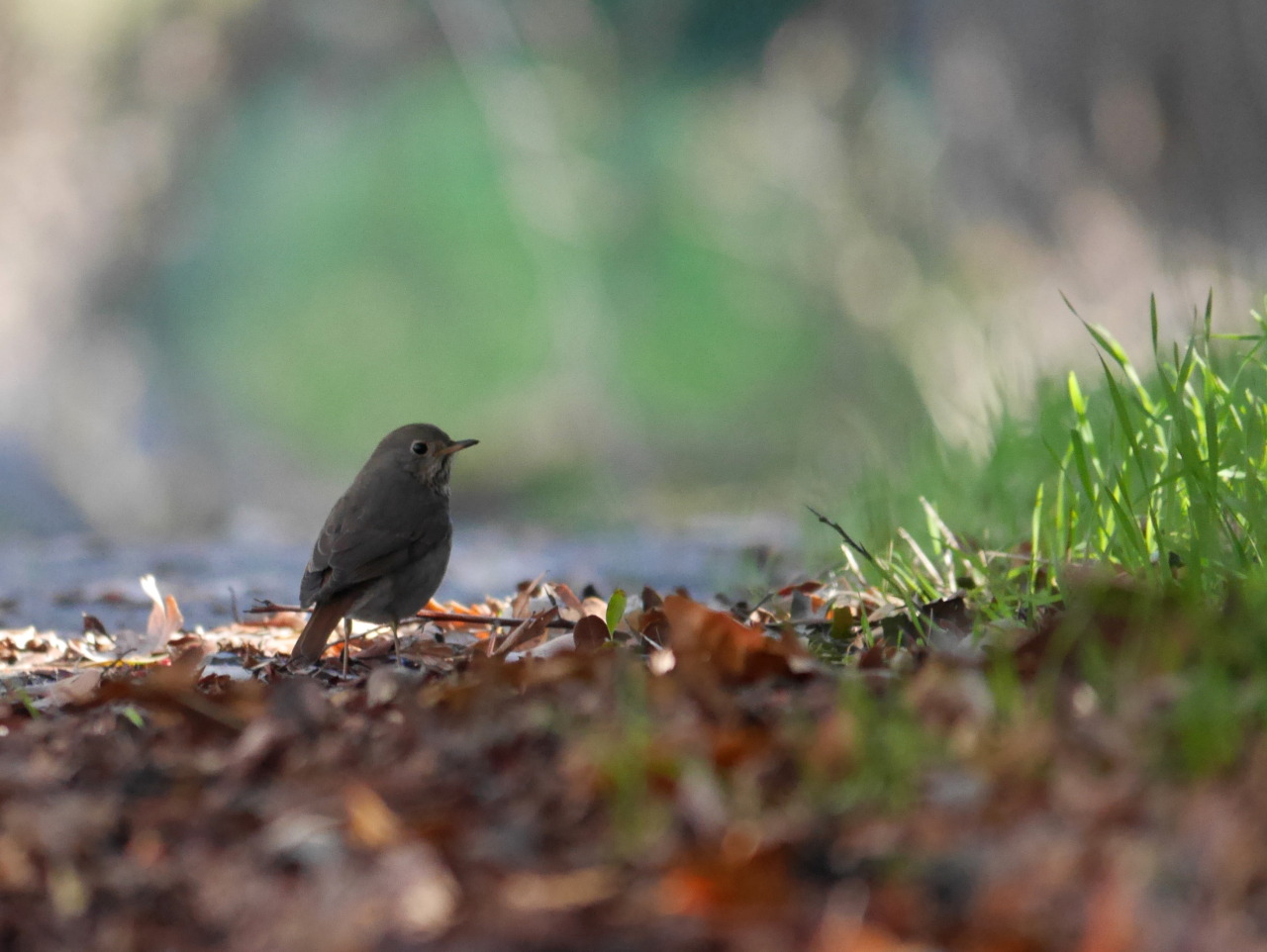
Hermit Thrush (Catharus guttatus) Turdidae

Walnut Creek, CA
December 25, 2015
Robert Niese

These rather unassuming birds have a hauntingly beautiful song that was beloved by Walt Whitman and the inspiration for the voice of the fictional Mockingjay. They also have a very interesting genetic history. There are five species of Catharus thrushes that are long-distance migrators (plus the closely related Wood Thrush in the monotypic genus Hylocichla), but the Hermit is not closely related to the others. Instead, Hermits are sister to the Russet Nightingale-thrush (C. occidentalis) which is non-migratory and endemic to Mexico. Along with the Swainson’s Thrush (C. ustulatus) and the Wood Thrush, these birds each evolved long-distance migratory behavior independently of the other thrush lineages. Learn more here.

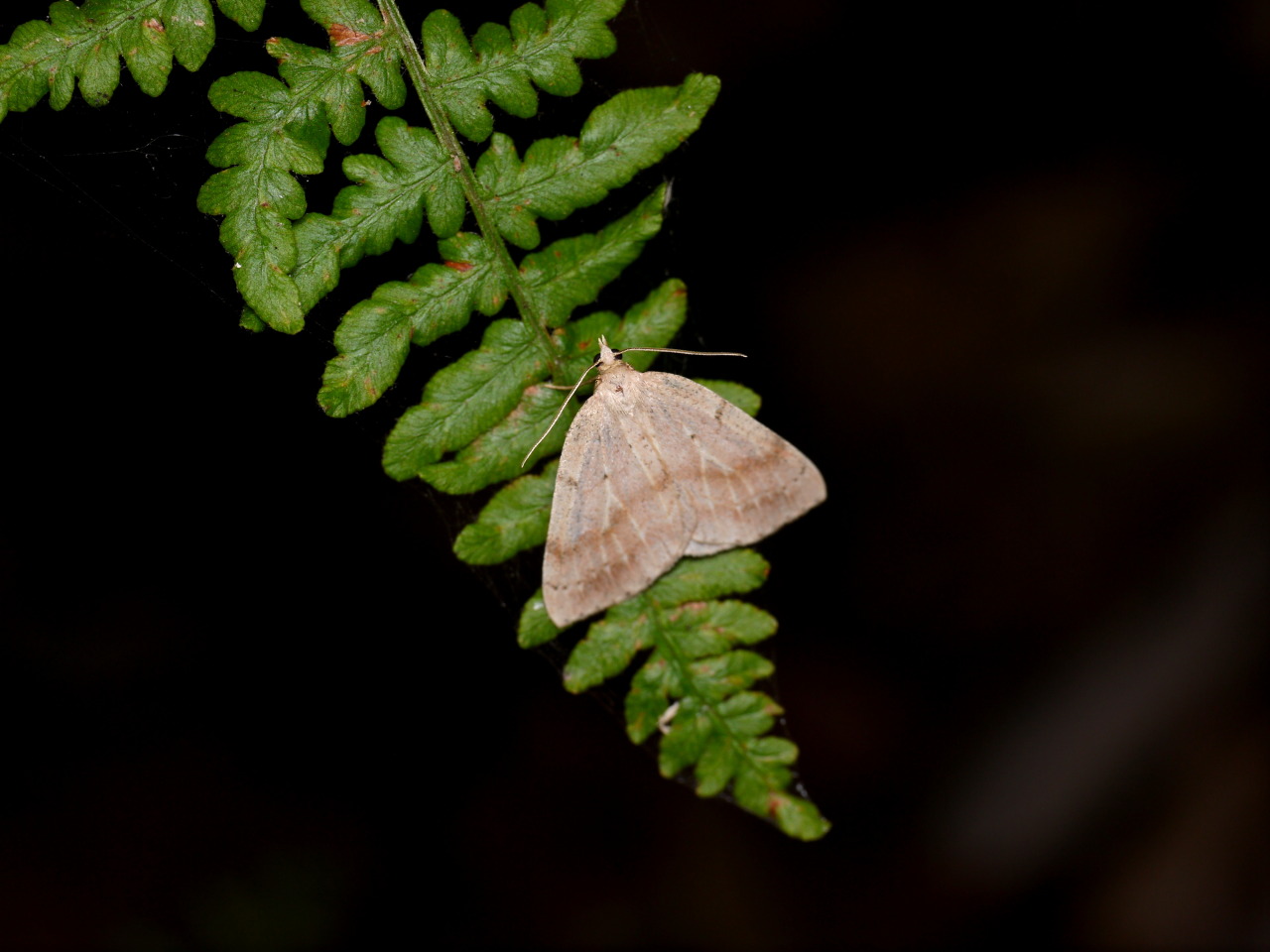
Thallophaga hyperborea Geometridae

Point Defiance Park, Tacoma, WA
July 22, 2013
Robert Niese

This one was a really tough ID. We found this moth during our Slater Museum moth-lighting trip in Point Defiance for National Moth Week. We gave up attempting to identify it pretty early and had to call-in help from the experts at BugGuide. But even over at BugGuide, it was tentatively placed in three different genera before we settled on Thallophaga. Western Washington University is currently attempting to create a visual key to the Geometrids of the Pacific Northwest. As soon as it gets published, I’ll let you all know!

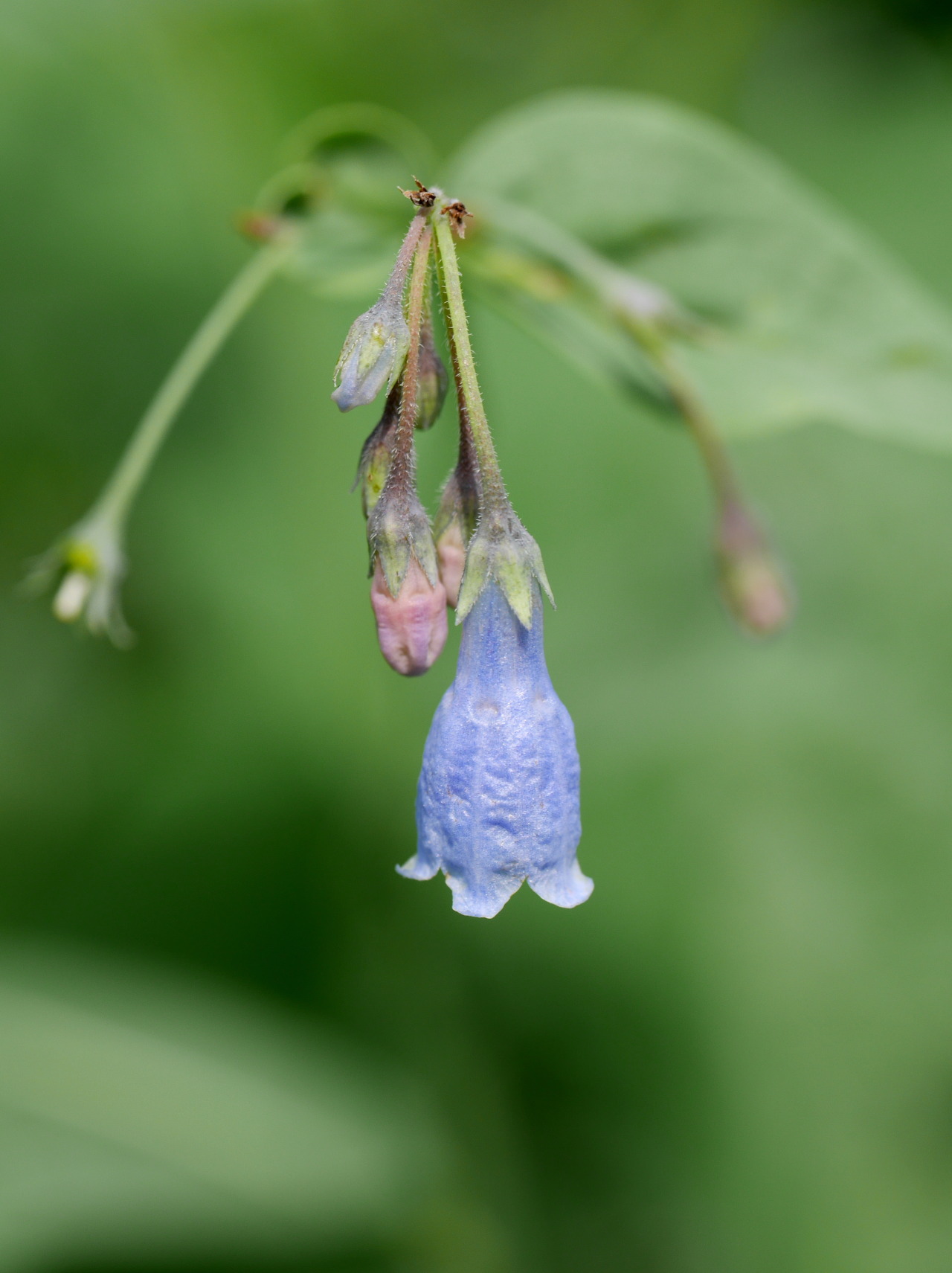
Mertensia paniculata “Tall Bluebells” Boraginaceae

Great Burn, Lolo National Forest, MT
July 10, 2015
Robert Niese

These bluebells have distinctly bell-shaped corollas unlike many other species in our area. To be precise, their corolla “bells” are gently and roundly flared and are approximately 1.5 times longer than the “tube” section of the flower. They are also somewhat taller than other species in our area and are commonly found among other waist-high, meadow wildflowers.