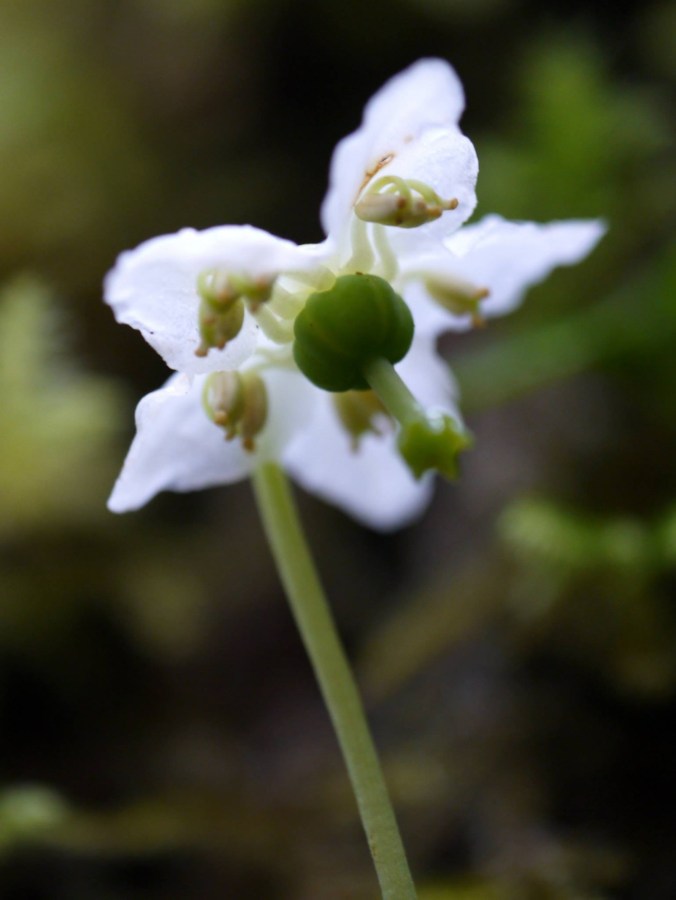
Moneses uniflora “Single-delight” Ericaceae
Olympic National Park, WA
June 1, 2013
Robert Niese
This unique Ericad is found in moist coniferous forests across the northern hemisphere and is the sole member of its genus. It truly is delightful!
Moneses uniflora “Single-delight” Ericaceae
Olympic National Park, WA
June 1, 2013
Robert Niese
This unique Ericad is found in moist coniferous forests across the northern hemisphere and is the sole member of its genus. It truly is delightful!
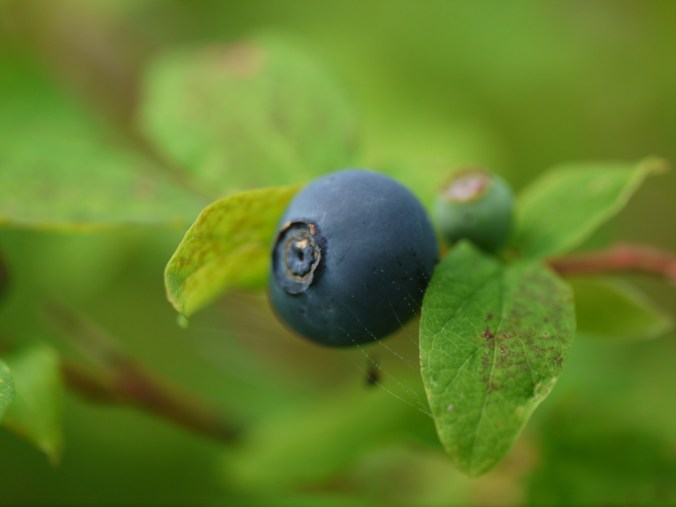
Vaccinium ovalifolium “Oval-leaf Bluberry” Ericaceae
Mount Rainier National Park, WA
August 9, 2013
Robert Niese
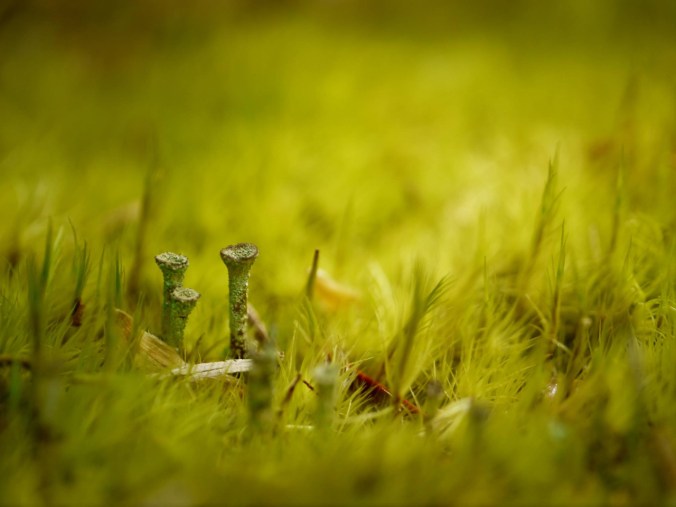
Cladonia sp. “Pixie Cup Lichen”
Olympic National Park, WA
June 6, 2013
Robert Niese
This easily recognizable lichen genus is one of my favorites. The tall cup-like structures for which the group is named are actually modified structures that release spores. Other members of the genus, such as Cladonia cristatella, the British Soldier Lichens, produce a bright red cap on each tall stem instead of a shallow cup.
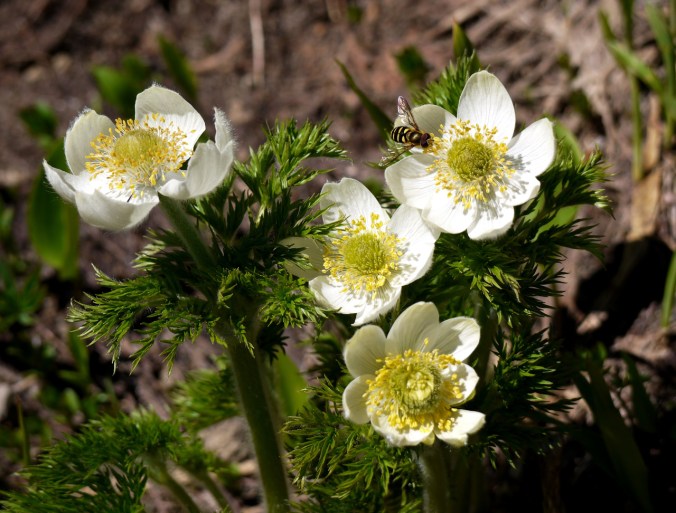
Anemone occidentalis “Western Anemone” Ranunculaceae
Mount Rainier National Park, WA
August 4, 2012
Robert Niese
While many hikers will often overlook the flowering phase of this Anemone, their fruiting phase is definitely impossible to miss.
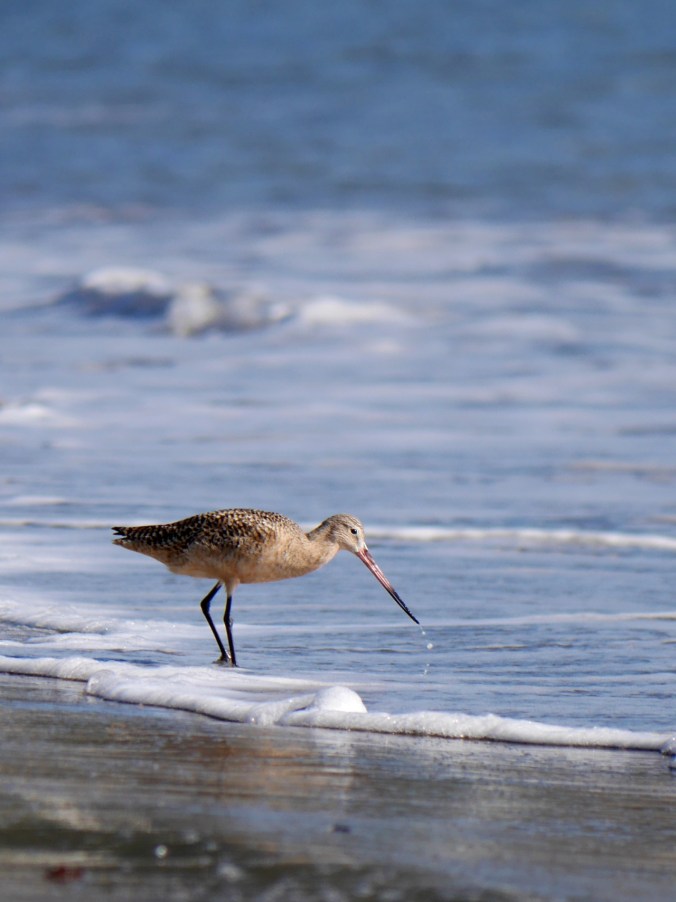
Marbled Godwit (Limosa fedoa) Scolopacidae
Santa Cruz, CA
January 3, 2015
Robert Niese
These shorebirds spend their winters here on the Pacific coast and fly inland to the Great Plains to breed in the summer.
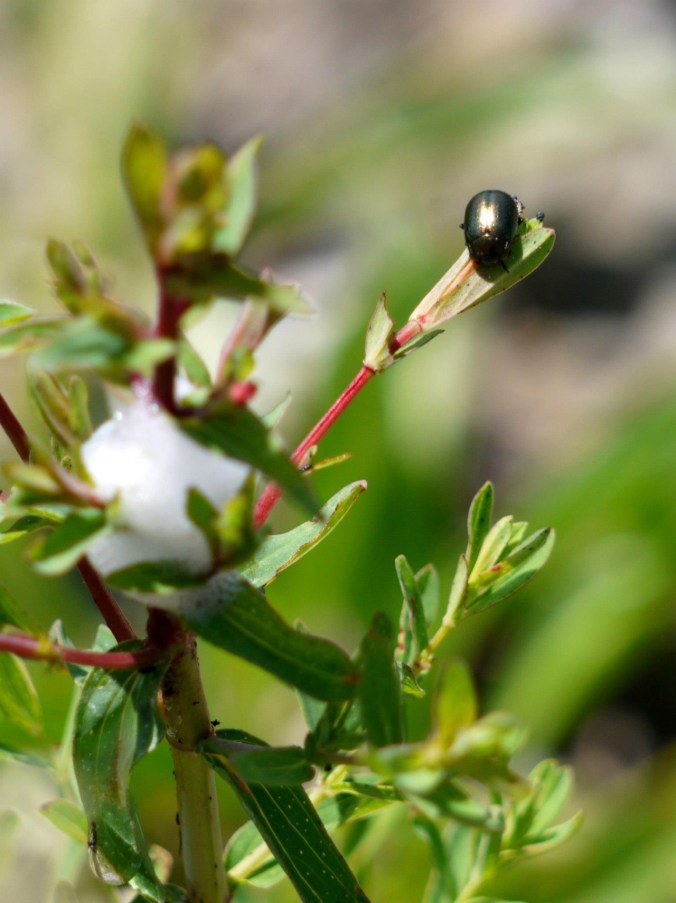
Chrysolina hyperici “St. Johnswort Beetle” Chrysomelidae
Joint Base Lewis-McChord, WA
May 2013
Robert Niese
In the late 1940s these beetles were introduced to California to control the spread of the weed St. Johnswort (Hypericum perforatum). The introduction of the beetles was so successful that the state erected a monument commemorating their success in Eureka, CA.
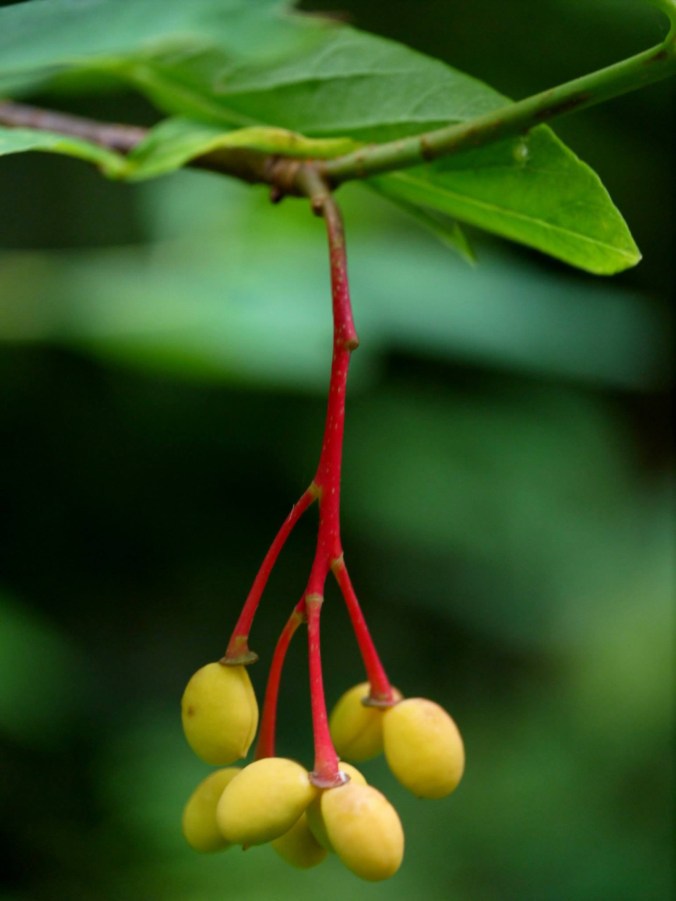
Oemleria cerasiformis “Indian Plum” Rosaceae
Tacoma, WA
May 2013
Robert Niese
Oemleria is a PNW endemic and is one of the first plants to leaf-out and bloom in spring. Later in the summer Oemleria will begin to bear ripe fruits which are purple with a large pit, giving them the name Indian Plums. These fruits here were unripe and tasted bitter and chalky. I should have waited for them to turn purple!
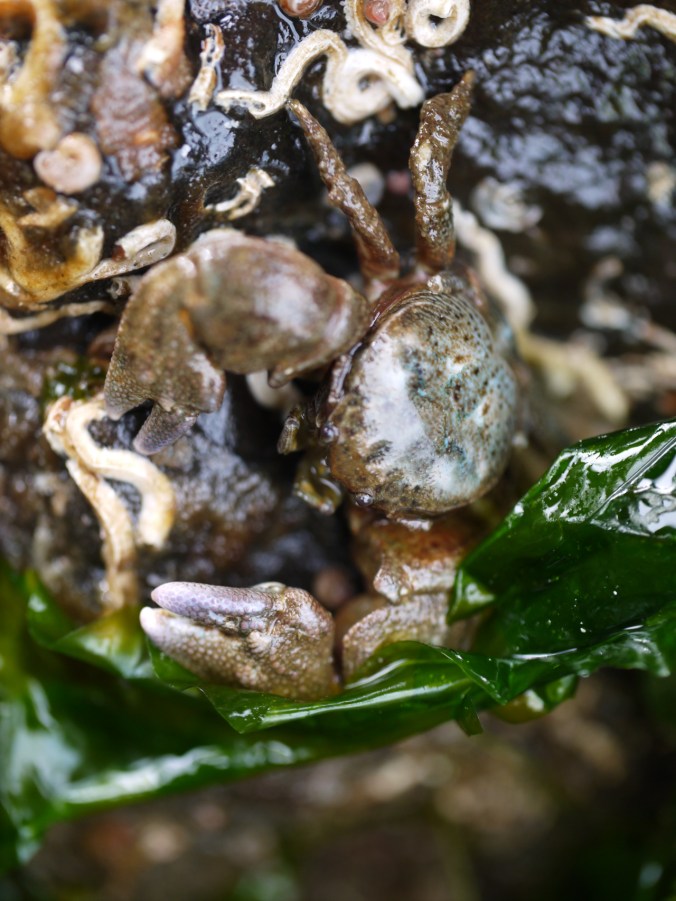
Pachycheles rudis “Thick-clawed Porcelain Crab” Decapoda
Fox Island, WA
June 23, 2013
Robert Niese
Porcelain crabs are not actually “true crabs” and are a remarkable example of convergent evolution in the Decopod order. In fact, crab-like forms have evolved so many times within the crustacean clade that evolutionary biologists have given this type of convergent evolution its own name: carcinization. Porcelain crabs are more closely related to hermit crabs and squat lobsters than they are to a typical Cancer crab.

Tragopogon dubius “Western Salsify/Goat’s-beard” Asteraceae
Missoula, MT
October 18, 2013
Robert Niese
This invasive weed is common throughout the eastern pinelands of the PNW and its giant, dandelion-like infructescences are easy to spot, even in late fall. The thick tuberous roots of this salsify, like its cultivated cousin T. porrifolius, are edible and apparently taste like artichoke hearts when prepared properly.
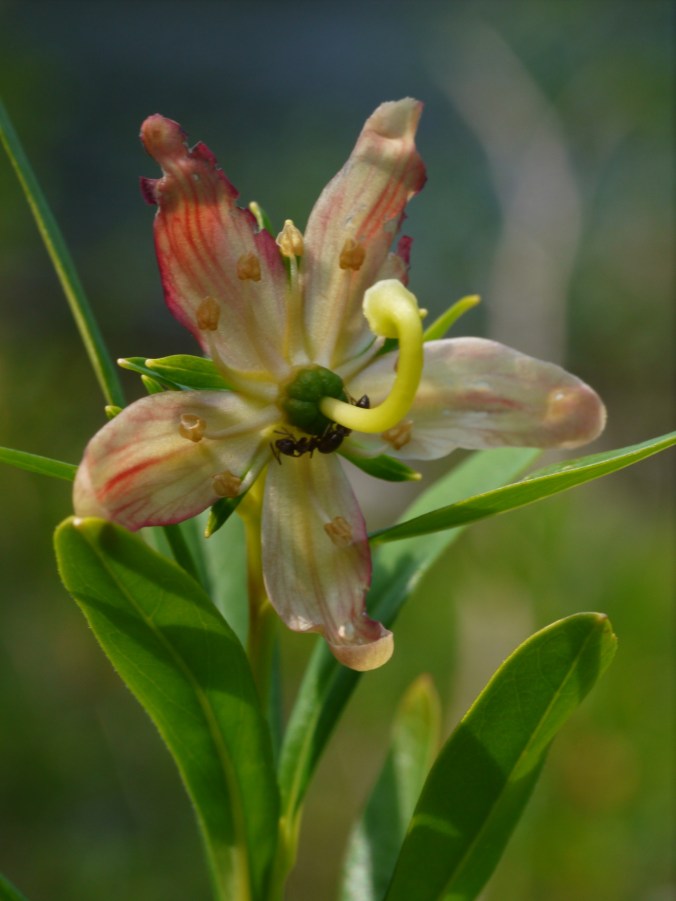
Elliottia pyroliflora “Copperbush” Ericaceae
Mount Rainier National Park, WA
August 9, 2013
Robert Niese
Copperbush is a member of the blueberry family and is a PNW endemic (west of the Cascades). These deciduous shrubs tend to grow in wet, boggy regions around mountain streams and lakes.
 Northwest Naturalist