Aquilegia formosa “Western Columbine” Ranunculaceae

Olympic National Park, WA
June 5, 2013
Robert Niese

This abundant, widely-distributed Northwest native flower is a favorite of hikers from Yellowstone to Yukon. Look for it blooming in open moist forests from May to August.

Horned Grebe (Podiceps auritus) Podicipedidae

Tacoma, WA
January 16, 2013
Robert Niese

Horned and Eared Grebes can be difficult to tell apart. Horned Grebes tend to have clear cheeks, a flat-topped head, and a sleek rear. Eared Grebes usually have more black streaking on their cheeks, a small crest above their eye, and a cute fluffy rump.

Heracleum maximum “Common Cow-parsnip” Apiaceae

Olympic National Park, WA
June 1, 2013
Robert Niese

These weedy, roadside plants, named after Hercules because of their impressive size, are Northwest natives and can grow up to 2 meters tall! This shot nicely displays cow-parsnip’s flowers which occur in compound umbells. 

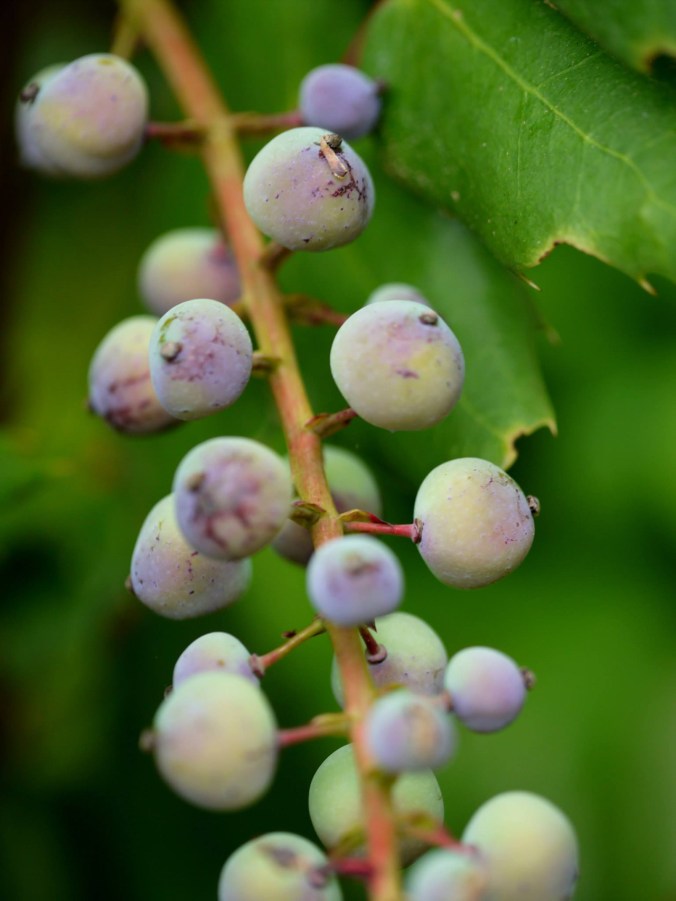
Berberis aquifolium “Tall Oregon Grape” Berberidaceae

Tacoma, WA
May 18, 2013
Robert Niese

The roots of these plants are often used to treat Psoriasis and can be found in topical creams such as Relieva. The stems of most members of this family contain a yellow compound called berberine which is both a strong antimicrobial and an excellent dye. Its berries are sometimes used to make barberry wine and can also produce a pleasant purple dye. Eaten alone however, the fruits of most Berberis are bitter and unpalatable. 

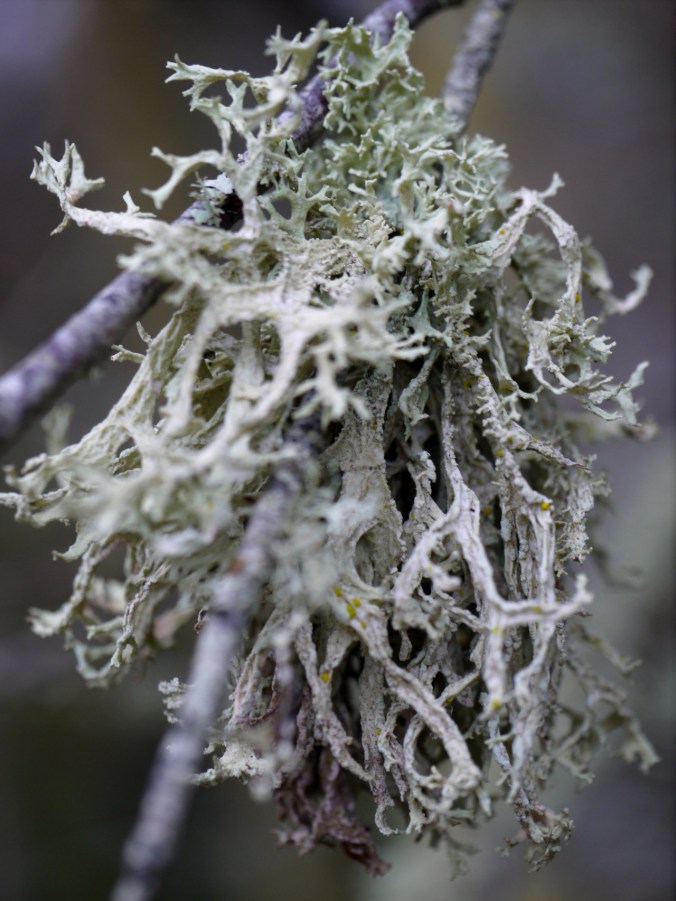
Ramalina subleptocarpha “Strap Lichen" 

Fort Casey State Park, WA
December 17, 2013
Robert Niese

Strap lichens in the genus Ramalina are relatively abundant and easy to recognize. Most grow on tree bark and have bushy bodies (i.e. a fruticose thallus)

with lots of long, flattened branches. This particular individual is densely covered in soredia (reproductive structures) giving it a coarse, bumpy appearance. This suggests that this individual is severely stressed by local air pollution.

Boltenia villosa “Hairy Sea Squirt” Ascidiacea

Fox Island, WA
June 23, 2013
Robert Niese

Hairy Sea Squirts are relatively common in the low intertidal here in the Northwest. On the rare occasion when the tide is exceptionally low and they are left exposed to the air, these tunicates will hold water inside their tunics to regulate their body temperature and oxygen consumption. With a gentle squeeze it becomes quite apparent why these odd critters are known as “sea squirts.”

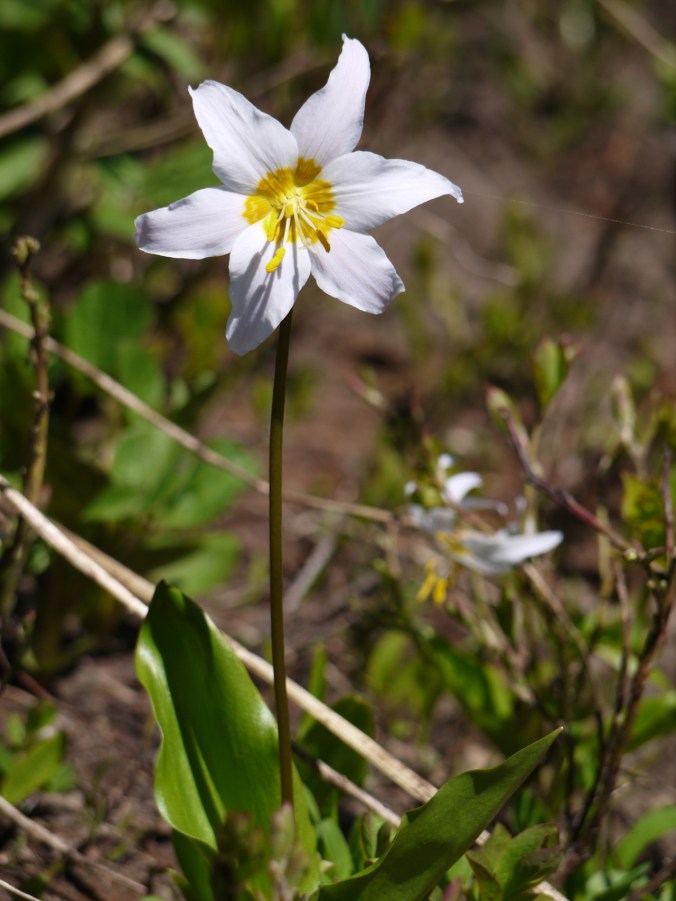
Erythronium montanum “Avalanche Lily” Liliaceae

Mount Rainier National Park, WA
August 4, 2012
Robert Niese

Avalanche Lilies are some of the first montane flowers to bloom in the PNW. As soon as the snow begins to melt, these guys are sprouting and preparing for the brief alpine summer. E. montanum is endemic to the Pacific Northwest and is only found in alpine and subalpine regions of the Cascade and Olympic mountain ranges.

Aulacomnium androgynum “Little Grove Moss” Bryales

Missoula, MT
May 13, 2014
Robert Niese

This teensy-tiny moss species is readily identified by its adorable, round, lolly-pop structures known as gemmae. Each gemma is actually a mass of cells that will scatter on the wind or rain to produce a new moss (asexual reproduction). In total, this plant was barely more than 1cm tall! Look for A. adrogynum among pixie cup lichens (Cladonia) on rotting logs in moist-dry coniferous forests here in the Northwest. (ID courtesy of Mandy Slate)

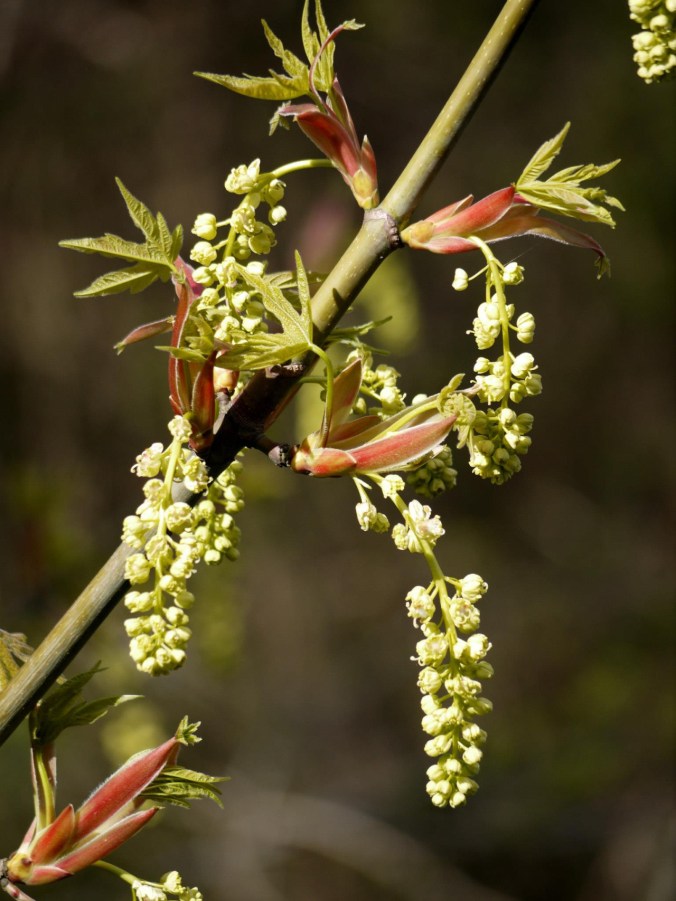
Acer macrophyllum “Bigleaf Maple” Aceraceae

Tacoma, WA
April 14, 2013
Robert Niese

The blooming of the Bigleaf Maples coincides with the arrival of many small insectivorous bird species to the Pacific Northwest. Birds such as the Orange-crowned Warbler, Pacific-slope Flycatcher, and Warbling Vireo rely on the insects attracted to these flowers in the springtime.