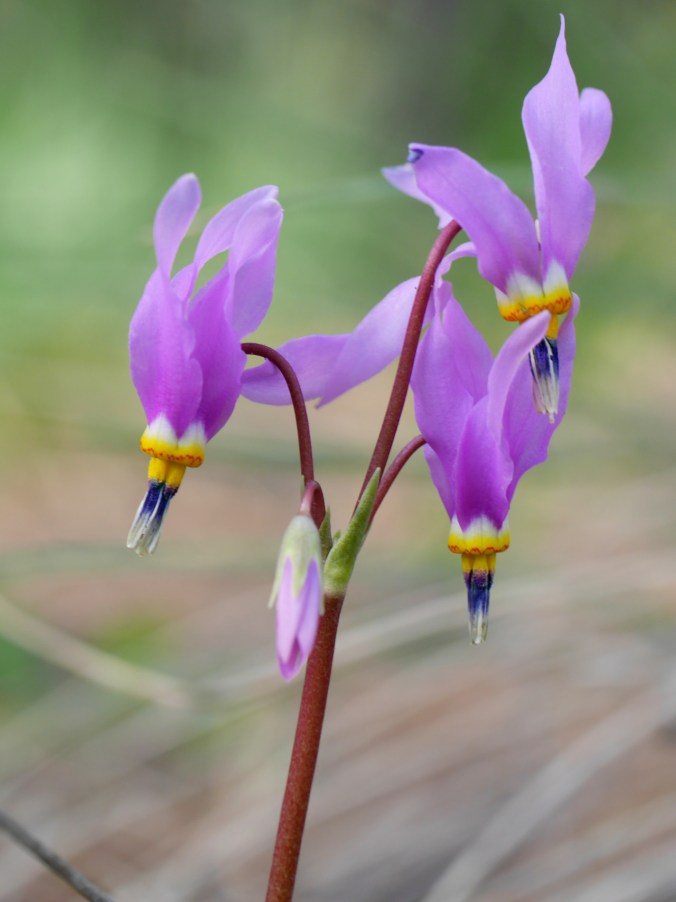
Dodecatheon pulchellum “Prairie Shooting Star” Primulaceae

Blackfoot River Recreation Corridor (BLM), MT
April 23, 2014
Robert Niese

Our two most common Shooting Stars in the Missoula area are D. conjugens and D. pulchellum. They are nearly identical and can even occur side-by-side on shrub-steppe hillsides. Check out the links above for information on how to tell them apart!

Dodecatheon pulchellum “Prairie Shooting Star” Primulaceae

Blackfoot River Recreation Corridor (BLM), MT
April 23, 2014
Robert Niese

Our two most common Shooting Stars in the Missoula area are D. conjugens and D. pulchellum. They are nearly identical and can even occur side-by-side on shrub-steppe hillsides, but a careful examination of the wrinkles at the base of the anthers and the shape of the stigma can usually assist in identification. D. pulchellum tends to have a slightly enlarged stigma and has anthers with wrinkles that run vertically. Conversely, D. conjugens has a narrow, almost imperceptible stigma and has wrinkles on its anthers that run horizontally. This individual has some nice vertical wrinkles and an obvious stigma.

Dodecatheon conjugens “Desert Shooting Star” Primulaceae

Lolo National Forest, Bitterroot Mountains, MT
March 18, 2015
Robert Niese

Our two most common Shooting Stars in the Missoula area are D. conjugens and D. pulchellum. They are nearly identical and can even occur side-by-side on shrub-steppe hillsides, but a careful examination of the wrinkles at the base of the anthers and the shape of the stigma can usually assist in identification. D. pulchellum tends to have a slightly enlarged stigma and has anthers with wrinkles that run vertically. Conversely, D. conjugens has a narrow, almost imperceptible stigma and has wrinkles on its anthers that run horizontally. This individual has some nice horizontal wrinkles and a very small stigma. After editing this picture, I noticed that there is also a louse or springtail hanging out on the style, presumably waiting for a pollinator to stop by so it can hitch a ride to another flower.
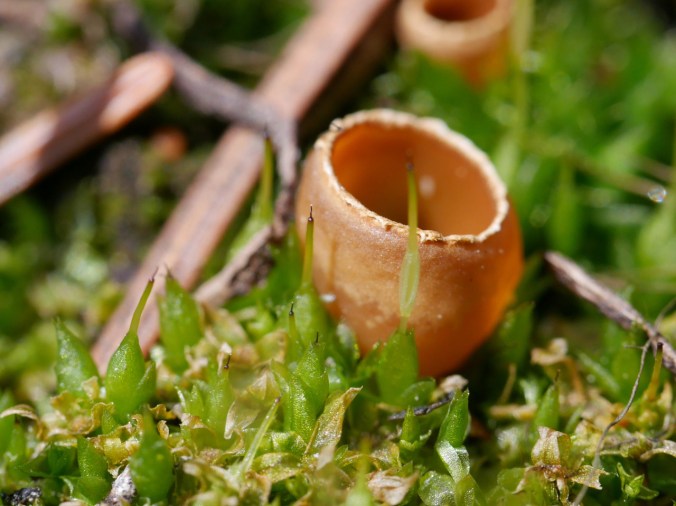
Geopyxis carbonaria “Goblet Fungus” Ascomycota

Lolo National Forest, Bitterroot Mountains, MT
March 18, 2015
Robert Niese

These adorable cup fungi are inordinately abundant in areas following fires. We counted more than a hundred in a single square meter on a hillside that had burned in 2013.

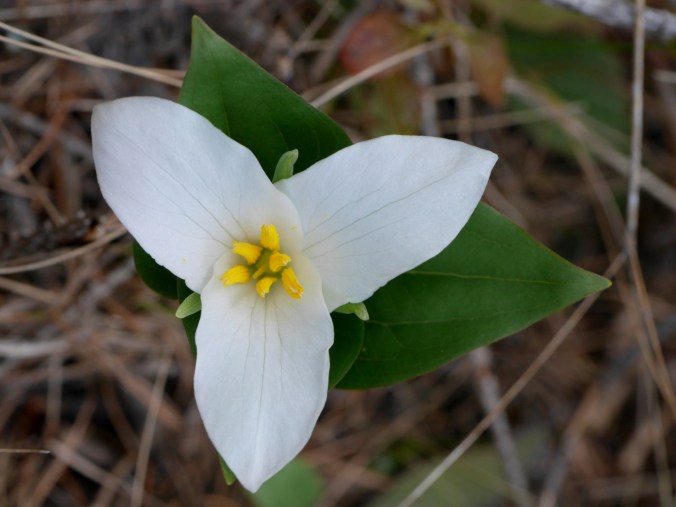
Trillium ovatum “Wakerobin/Western Trillium” Liliaceae

Lolo National Forest, Bitterroot Mountains, MT
March 18, 2015
Robert Niese

Trillium is, by far and away, my favorite spring arrival to our PNW forests. They like moist areas around rivers and streams, especially those that have a nice mossy carpet to keep the soil damp throughout the year.

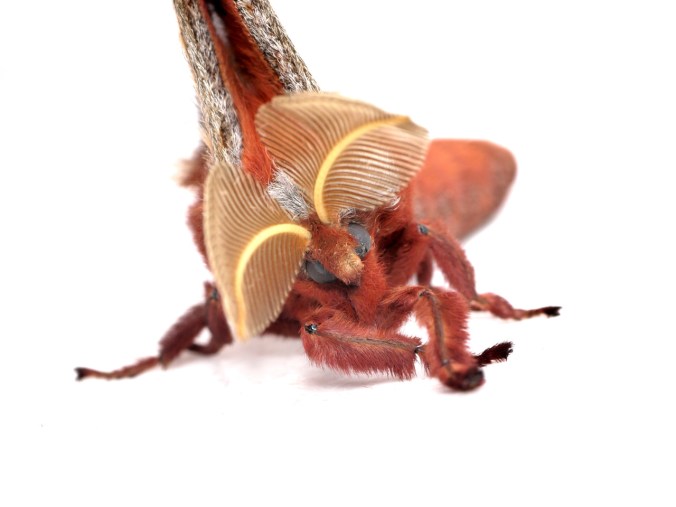
Antheraea polyphemus “Polyphemus Moth” Saturniidae (male)

Missoula, MT
June 11, 2014
Robert Niese

Surprisingly, I found this enormous moth (15 cm wingspan!) in a parking lot on my way into work on the University of Montana campus.

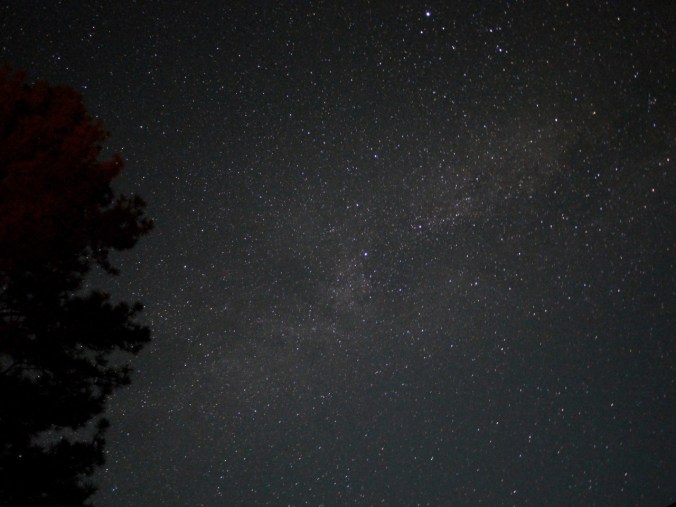
Night Sky over Ponderosa Pines

Lolo National Forest, Sapphire Mountains, MT
June 6, 2014
Robert Niese

Nighttime photography can be a difficult, time-consuming skill to learn through trial and error. If you’d like some good how-to guides on getting the perfet stellar shot, check out Dark Clear Skies and download a star-viewing program like Stellarium or, for your mobile device, SkyView.

Pseudoplectania nigrella “black cup fungus” Ascomycota

Lolo National Forest, Bitterroot Mountains, MT
March 18, 2015
Robert Niese

These cup fungi are very early bloomers here in the PNW. Some members of this genus will even pop up out of the snow before the plants have even begun to stir. These fungi are quite common, but, along with their small size and inconspicuous coloration, they are easily missed by all but the most observant hikers.

Ribes setosum (R. oxyacanthoides ssp. setosum) “Gooseberry” Grossulariaceae

Lolo National Forest, Bitterroot Mountains, MT
April 18, 2015
Robert Niese

I was surprised to find this currant blooming on my hike this weekend. This individual must have been receiving direct sunlight for a good portion of the day to have bloomed so much sooner than all the others along our trail. Later in the summer these adorable flowers will become delicious, juicy black currants and will make an excellent trail-side treat!