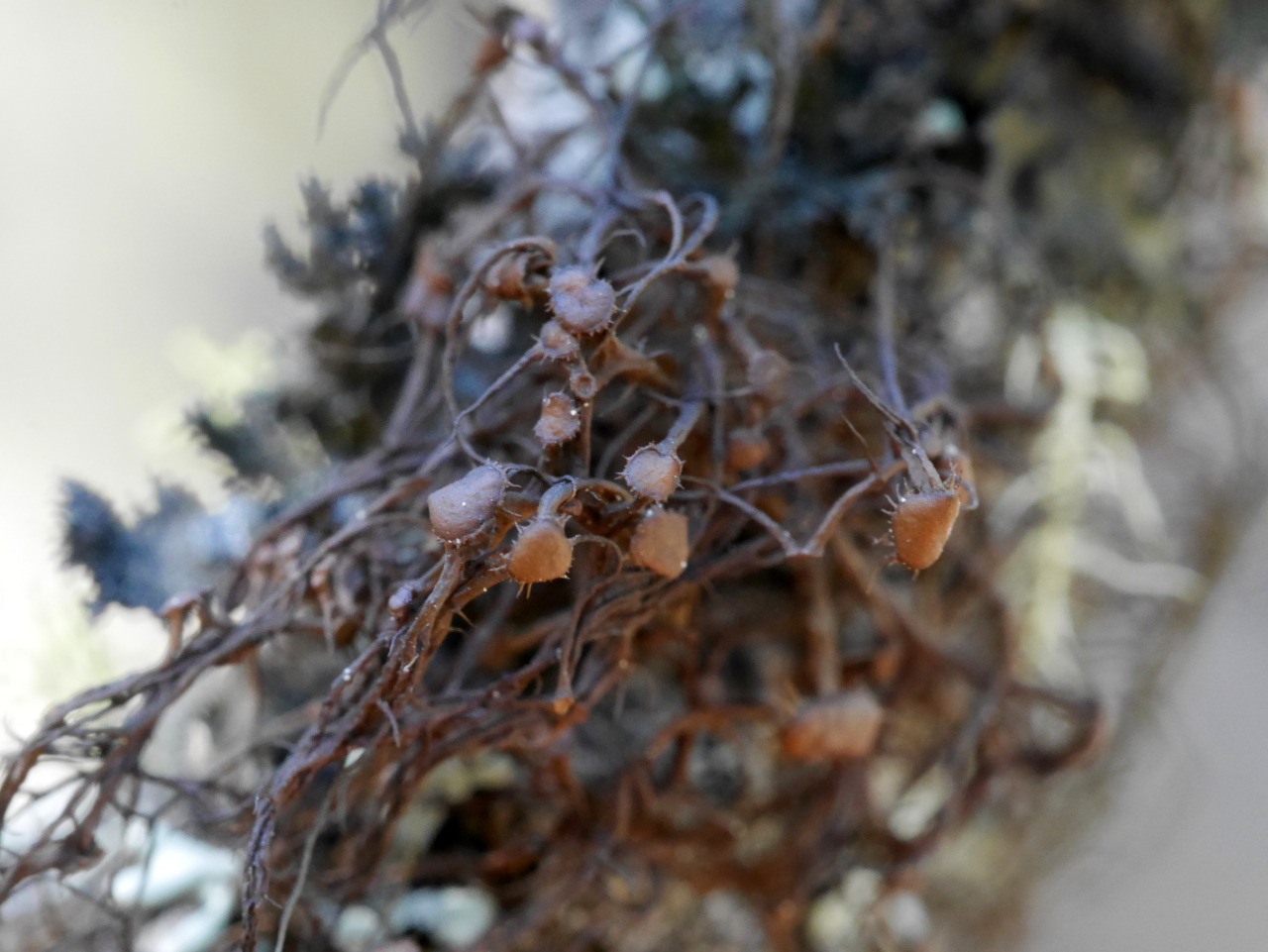
Nodobryoria abbreviata

Mt. Sentinel, Lolo National Forest, MT
September 12, 2015
Robert Niese

This species of Bryoria-like lichen is particularly common east of the Cascades in dry Ponderosa Pine and Larch forests. It can be easily distinguished from other Bryoria-like species by its large, prominent apothecia (reproductive discs) which are almost always present in mature specimens. This species is often found alongside Cetraria, Usnea, Vulpicida, Letharia, and Hypogymnia here in western Montana.
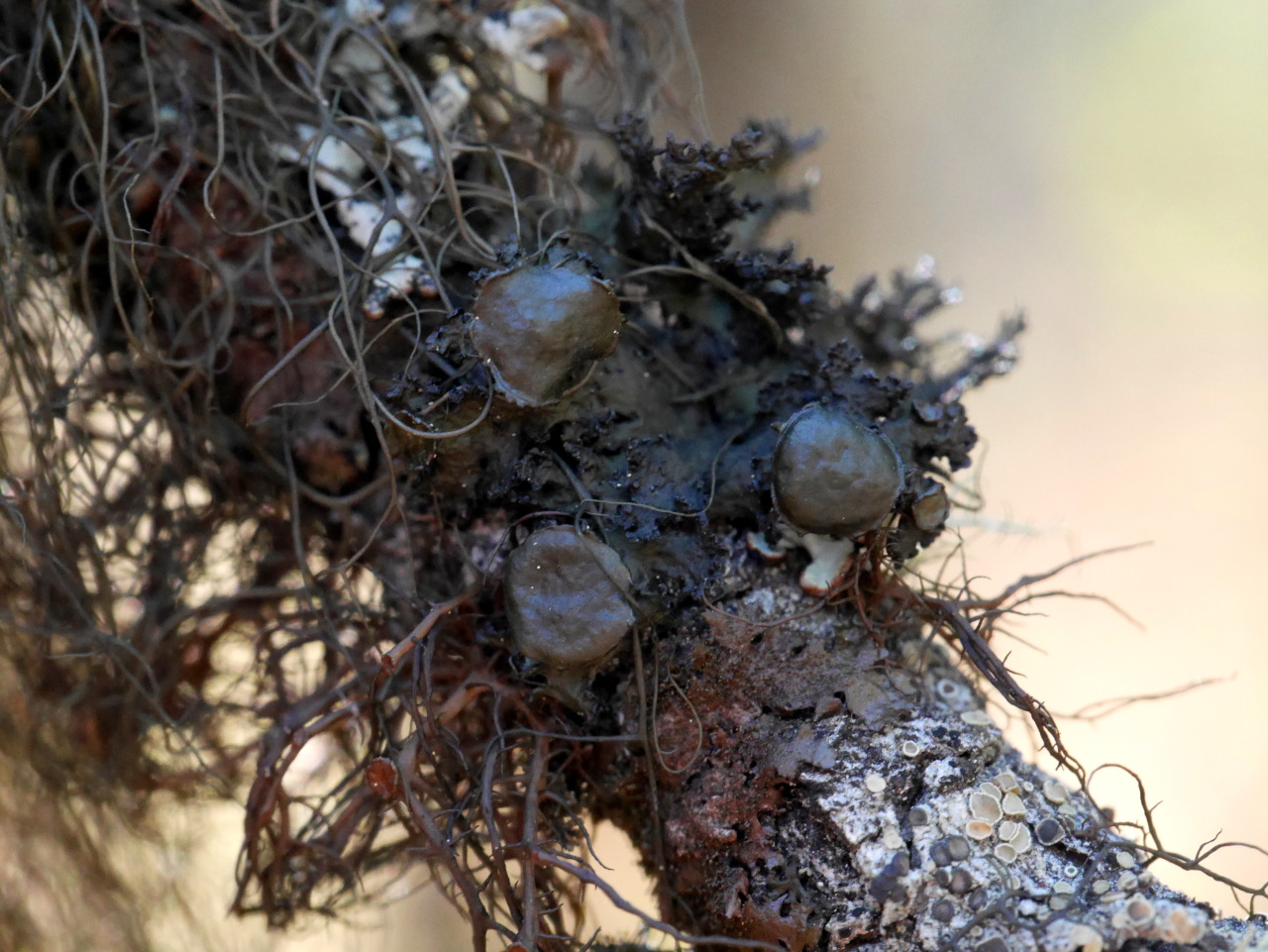
Cetraria (Kaernefeltia) merrillii “Flattened Thornbush Lichen”
with Nodobryoria abbreviata

Mt. Sentinel, Lolo National Forest, MT
September 12, 2015
Robert Niese

These metallic, often iridescent black lichen are extremely common on small twigs alongside Vulpicida canadensis here in our PNW Ponderosa Pine forests. They can be found throughout the Rocky Mountains, Sierras, Cascades, and some mountainous regions of central Spain. Their black color comes from a yet identified pigment. The stringy lichen in this image is Nodobryoria abbreviata, a Bryoria-like lichen with prominent apothecia (reproductive discs). I’ve found this species to be particularly common alongside Cetraria, Vulpicida, Letharia, and Hypogymnia on Pinus twigs here in western Montana.

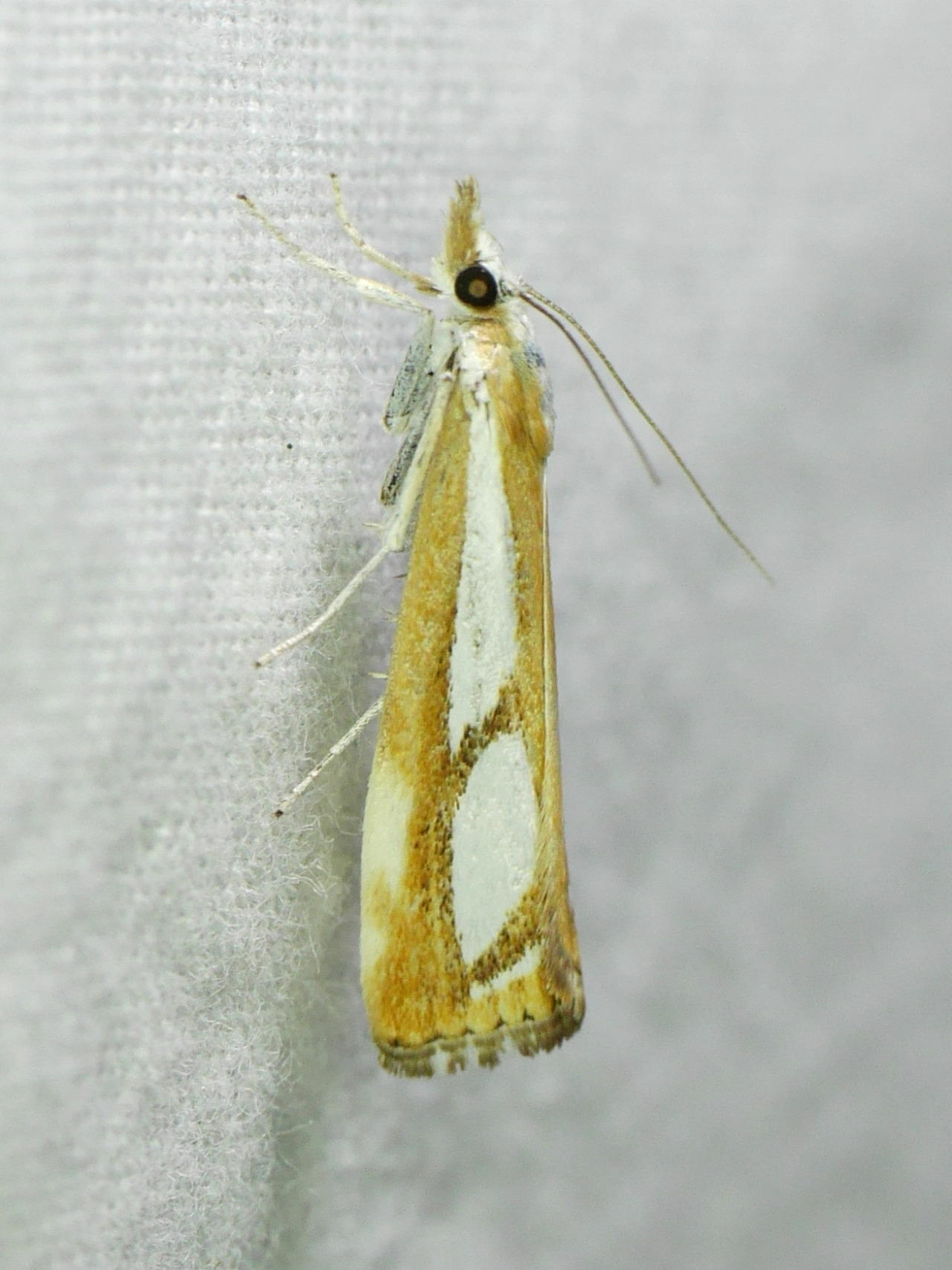
Catoptria latiradiella “Two-banded Catoptria” Crambidae

Clinton, MT
July 25, 2015
Robert Niese

This small species of Crambid moth is restricted to boreal and montane forests in North America. Its larvae are believe to feed exclusively on mosses. As adults, these moths are active both in the day and at night and are regularly seen at lights in July and August.

Phaneta infimbriana “Silver-spotted Wormwood Moth” Tortricidae

Clinton, MT
July 25, 2015
Robert Niese

These dainty Tortricids are found throughout the Northwest between July and August. As larvae they feed primarily on plants in the family Asteraceae, particularly members of the genus Artemisia, which includes sagebrush, tarragon, and wormwoods. According to the Tortricidae foodplant database, the larvae of this species have only ever been recorded on Artemisia ludoviciana which is a very common weedy species in all our open, semi-dry habitats here in the PNW.

Eriogonum umbellatum “Sulfur Buckwheat” Polygonaceae

Great Burn, Lolo National Forest, MT
July 10, 2015
Robert Niese

While not a true buckwheat (Fagopyrum), members of the genus Eriogonum also produce (mostly) edible, triangular seeds that can be ground into a flour. This particular species is our most common wild buckwheat here in the PNW and can vary drastically in shape, size, and color. Some plants can grow into shrubs nearly 2 meters tall, while others will never ascend more than a 10 centimeters from the ground. Furthermore, the size and color of inflorescences can vary from tiny, tightly-packed yellow clumps, to reddish umbels, to large, spreading, white bunches. To confirm your species ID, look for E. umbellatum’s bare flowering stems (with a whorl of leaves only at the top) and its glabrous tepals (6 petal-like structures) with a long, narrow tube-like base.

P1240396

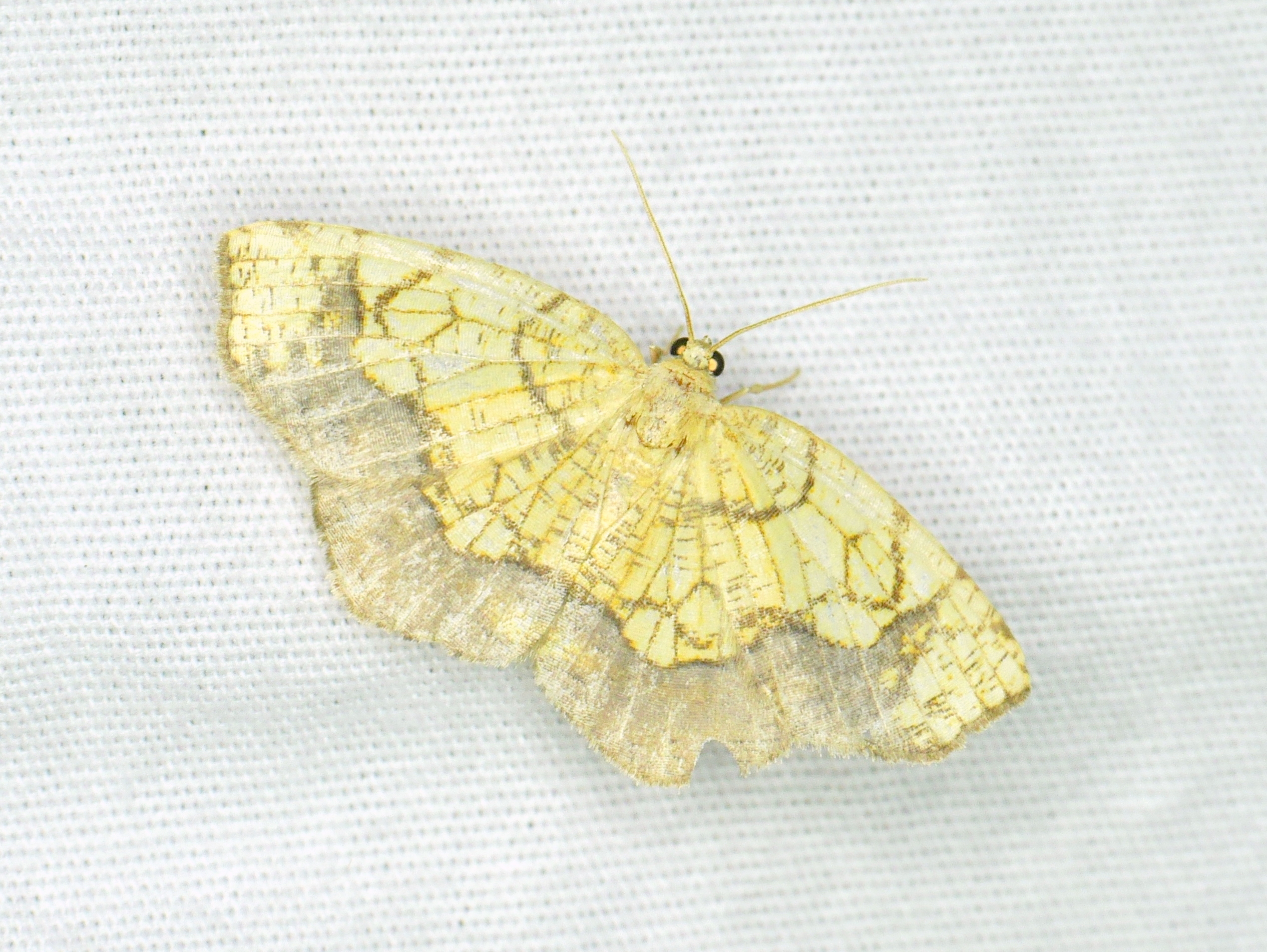
Nematocampa resistaria “Horned Spanworm Moth” Geometridae, male

Clinton, MT
July 25, 2015
Robert Niese

This species of inch-worm moth is found throughout the US, except the southwest, and exhibits striking variation in morphology across its range. Males and females are also quite dimorphic. Males tend to be yellower and have dark patches at the base of their forewings while females almost always have a white ground color. Perhaps the most intriguing aspect of the morphology of this species are the horns of their caterpillars. Look for these crazy caterpillars in mixed hardwood/conifer forests in the early summer here in the PNW.

Holodiscus discolor “Oceanspray” Rosaceae

Mt. Sentinel, Lolo National Forest, MT
September 12, 2015
Robert Niese

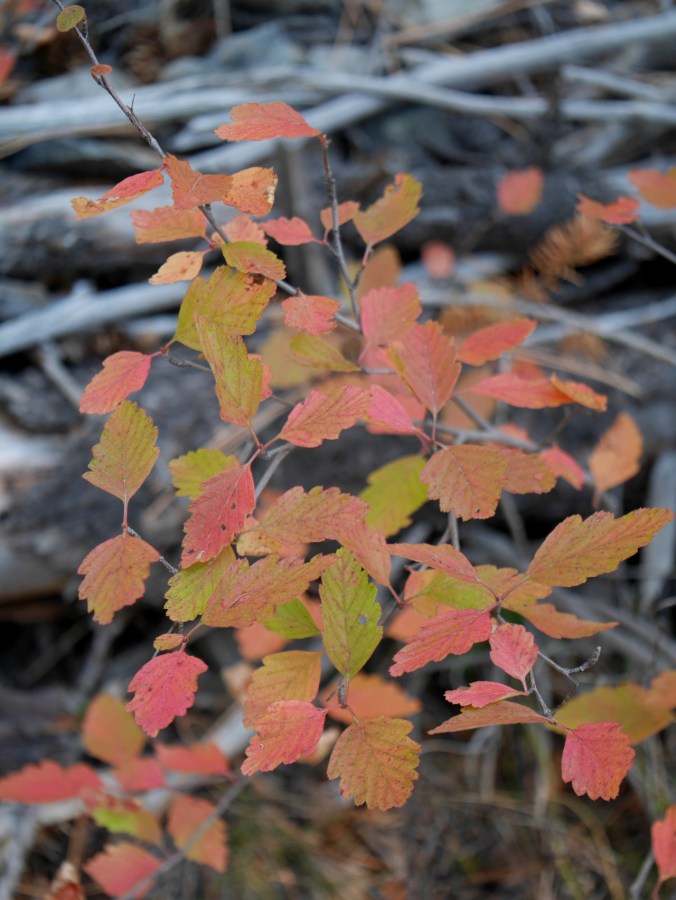
Oceanspray is one of my favorite plants here in the PNW. It’s a modest-sized shrub that grows foamy white inflorescences that brighten up nearly all open hillsides west of the Rocky Mountains in the spring. These inflorescences are long-lived and fade to a creamy beige that contrasts nicely with their rich green foliage throughout the summer. In the fall, Oceanspray leaves begin changing early in the season and progress through a rainbow of colors until becoming a uniform maroon-scarlet after the first frosts of October. These plants have a very tough wood that is resistant to fire and are regularly the first plants to recolonize areas following a burn.

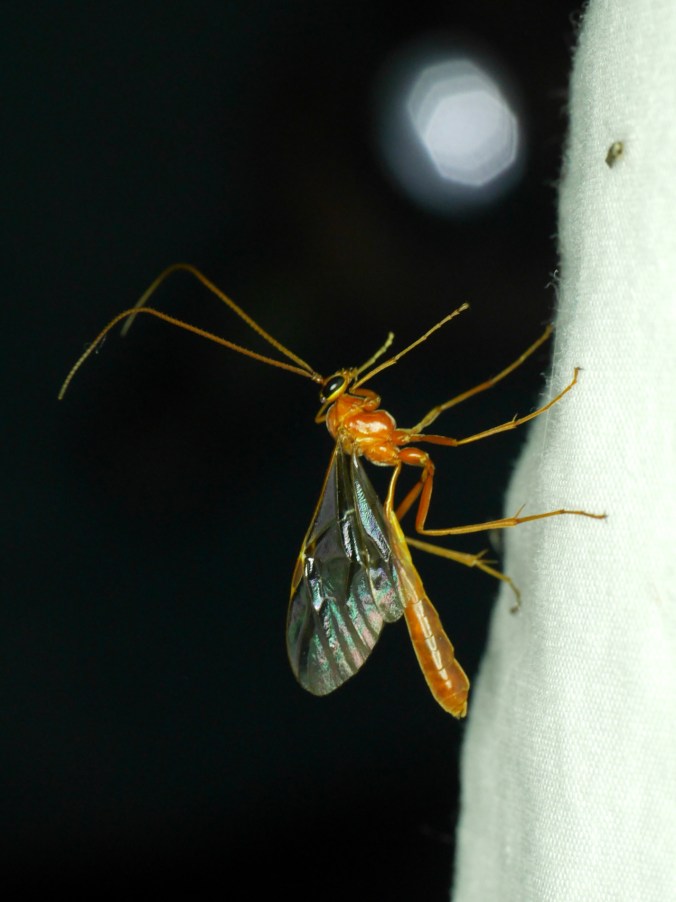
Enicospilus “americanus” species complex, Ichneumonidae

Clinton, MT
July 25, 2015
Robert Niese

This elegant wasp is a parasitoid of Saturnid and Sphingid moth caterpillars. Females lay their eggs on the bodies of caterpillars and the larvae then grow inside the caterpillar, consuming it and taking its place inside its cocoon. Adults visit flowers at night and are commonly seen at lights. We spotted this individual at our mothlighting event for National Moth Week!

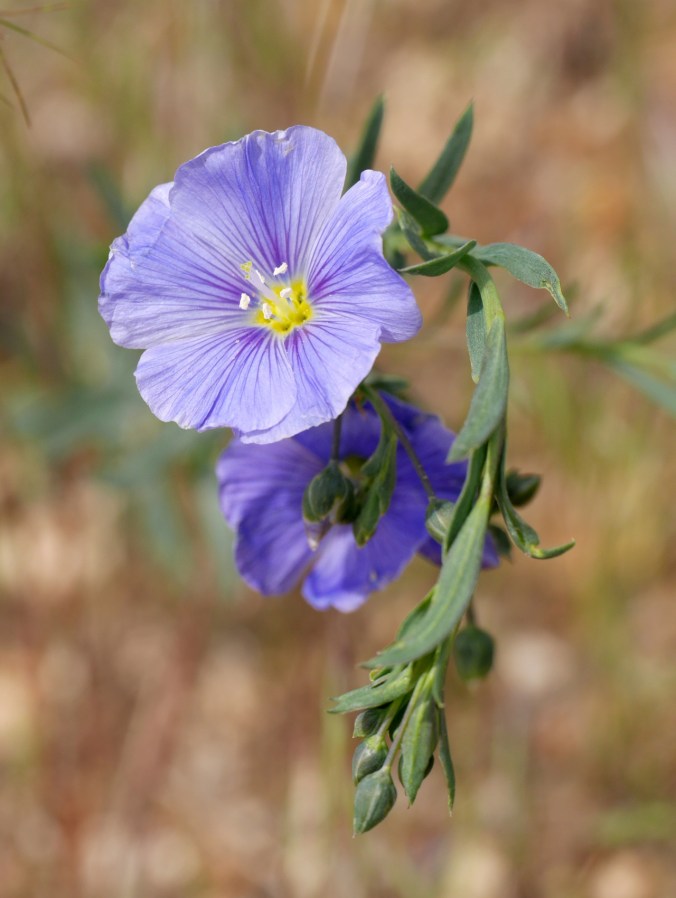
Linum lewisii “Lewis’s Prairie Flax” Linaceae

Drinking Horse Mountain, Bozeman, MT
June 3, 2015
Robert Niese

Prairie Flax is native to western North America where it grows in dry open areas east of the Cascades and west of the Mississippi. This species was first collected on the Lewis and Clark expedition on July 9, 1806, although there is some debate as to whether it was collected by Meriwether himself or by Captain Clark. After the species was formally described by Frederick Pursh in 1814, the original specimen was lost for nearly a century along with many other historic records. Flax (L. usitatissimum) is among the oldest of all cultivated plants and has been utilized by humans for at least 30,000 years. Here in the Northwest, native peoples used fibers from the stems of L. lewisii to create cordage, string, and textiles and used its seeds to treat all manner of dietary problems, to reduce swelling in wounds and boils, and to remove small, irritating particles from the eye. Learn more about the edible and medicinal uses for L. lewisii here, and learn more about its discovery and discussion in the Lewis and Clark expedition here!

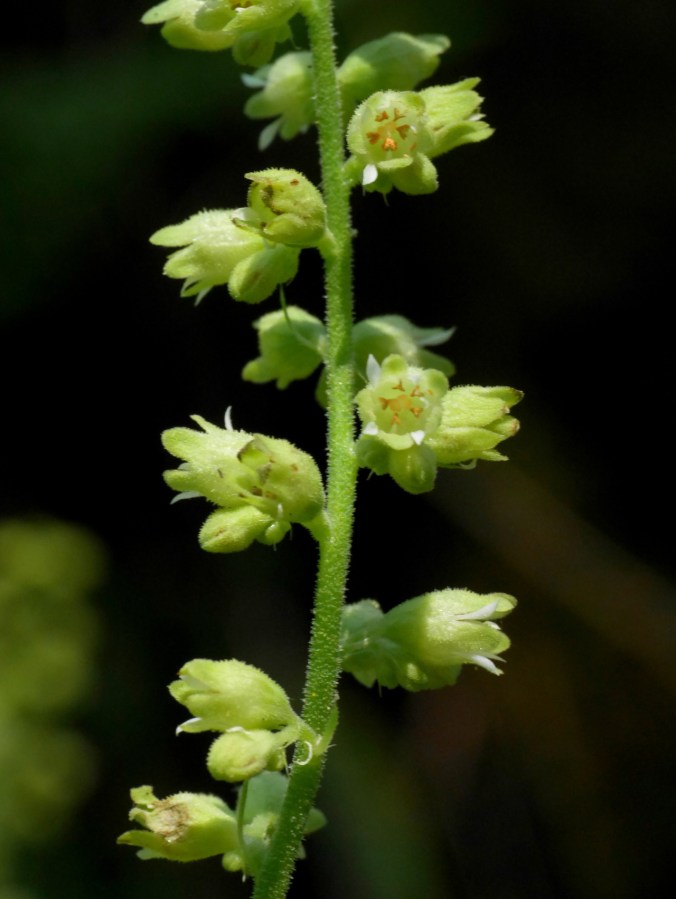
Heuchera grossulariifolia “Gooseberry Alumroot” Saxifragaceae

Weir Hot Springs, Clearwater National Forest, ID
June 8, 2015
Robert Niese

These lovely Saxifrags are endemic to the PNW (southwest Montana to the southern Cascades) where they can be found on well-drained, somewhat shady slopes and cliff-faces. In many parts of its range, two distinct populations of H. grossulariifolia occur side-by-side, and may be evolving into separate species. Due to an accidental duplication of its genome, tetraploid populations of H. grossulariifolia bloom earlier and grow larger than their diploid counterparts, and hybrids between the two populations have low fertility. This suggests that the two populations may be genetically isolated enough to become separate species in the future.