Phidippus “clarus” Salticidae

Missoula, MT
September 17, 2014
Robert Niese

Phidippus jumpers are some of the largest jumping spiders in the world. Here in Montana, we have several red-backed species, all of which are about the size of a nickel. They are excellent house-guests and will rid your home of flies, roaches, and other mid-sized arthropods in a matter of days.
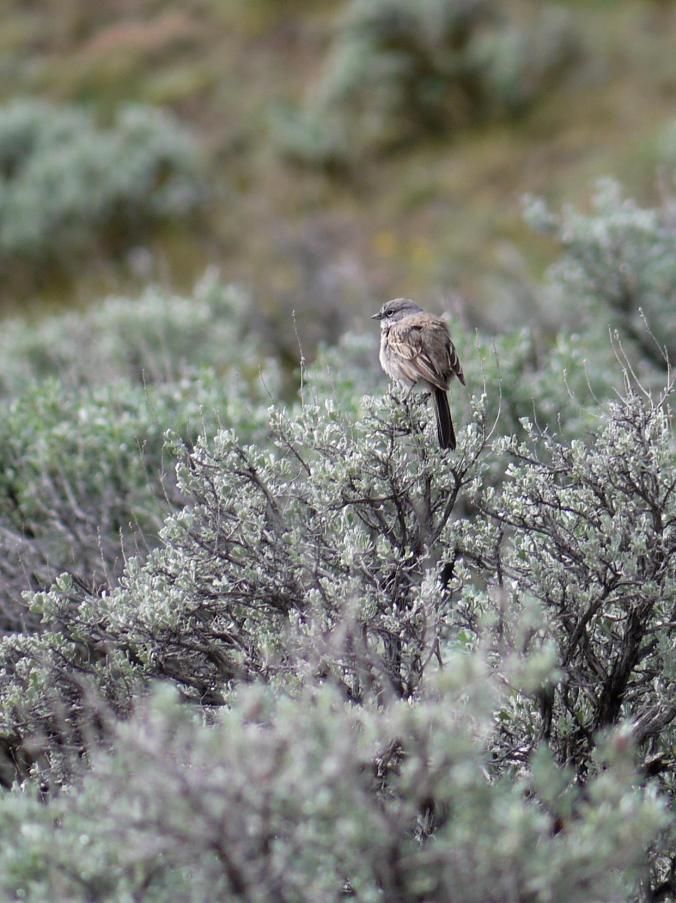
Sage Sparrow (Artemisiospiza nevadensis) Emberizidae

Ginkgo Petrified Forest State Park, WA
April 7, 2013
Robert Niese

Washington is home to the northernmost populations of Sage Sparrows in North America. These birds are sagebrush and chaparral obligates and are threatened throughout the state as these ecosystems get converted into range lands.

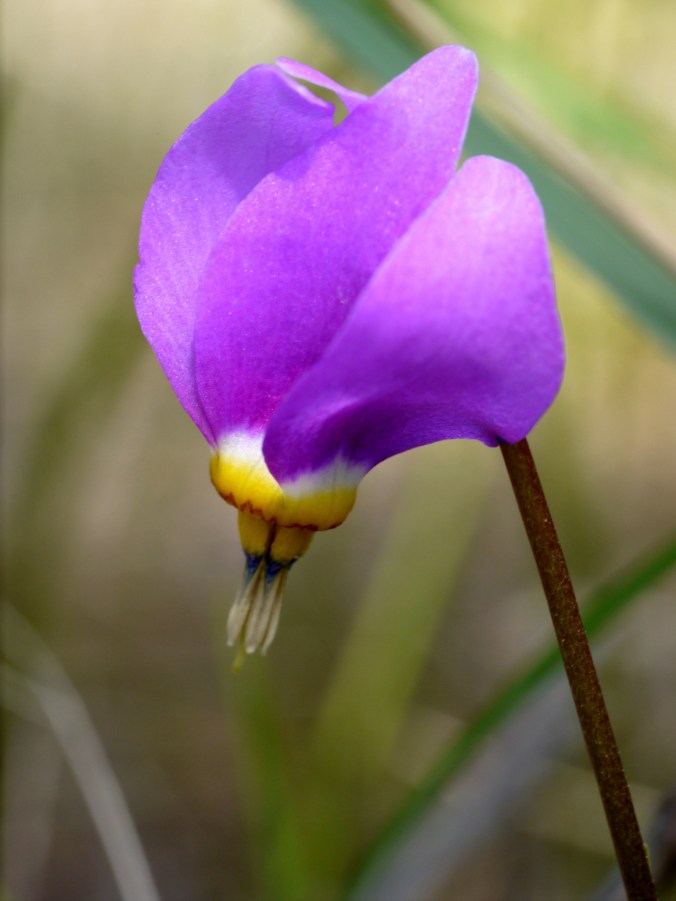
Dodecatheon pulchellum “Shooting star” Primulaceae

Missoula, MT
May 13, 2014
Robert Niese

The flowers of the Dodecatheon genus can only be pollinated by large native bees capable of “buzz pollination.” Small bees and the introduced, European Honeybees can not provide this service to the plants.

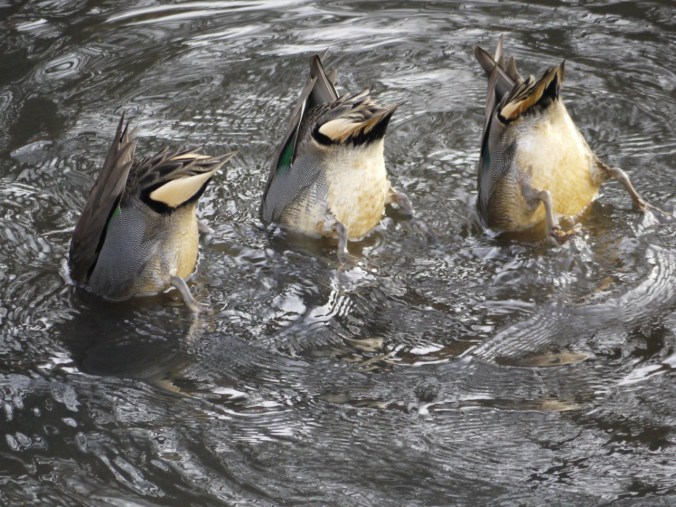
Green-winged Teal (Anas crecca carolinensis) Anatidae, males

Seattle, WA
January 13, 2013
Robert Niese

Teal are dabblers (as opposed to divers), meaning they float on the surface and reach down into the water to grab tasty bits of aquatic plant matter. This makes the ability to identify a duck butts surprisingly useful.

Pseudotsuga menziesii “Douglas Fir” Pinaceae

Tacoma, WA
May 18, 2013
Robert Niese

A Pacific Northwest Indian legend explains where the Doug-fir got its unmistakable leafy bracts (in between the scales of the cone), suggesting that, long ago during an intense fire, tiny mice seeking shelter from the flames hid themselves between the scales of the Doug-fir cones. Today we see their tiny tails and back feet poking out of the cones!

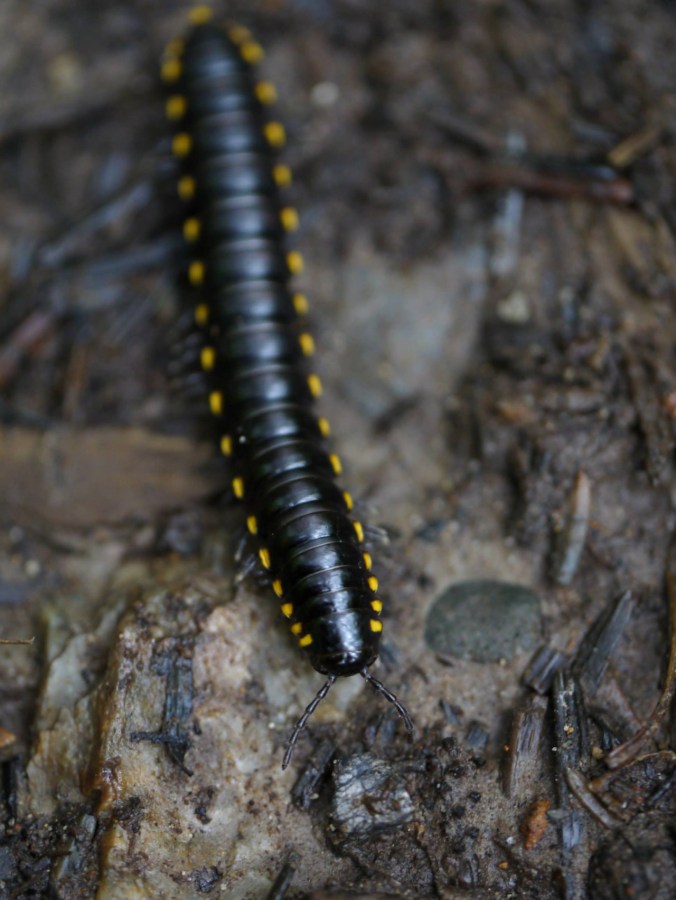
Harpaphe haydeniana “Yellow-spotted Millipede” Diplopoda

Olympic National Park, WA
June 4, 2013
Robert Niese

This adorable PNW millipede is a common denizen of nearly all moist coniferous forests from Alaska to California. It is also known as the “Almond-scented Millipede” due to the odors it produces when disturbed (hydrogen cyanide smells like almonds, apparently). But don’t worry, these little guys cant hurt you (just don’t eat it!). In fact, they are an exceptional critter to handle and explore with your young naturalists-in-training.

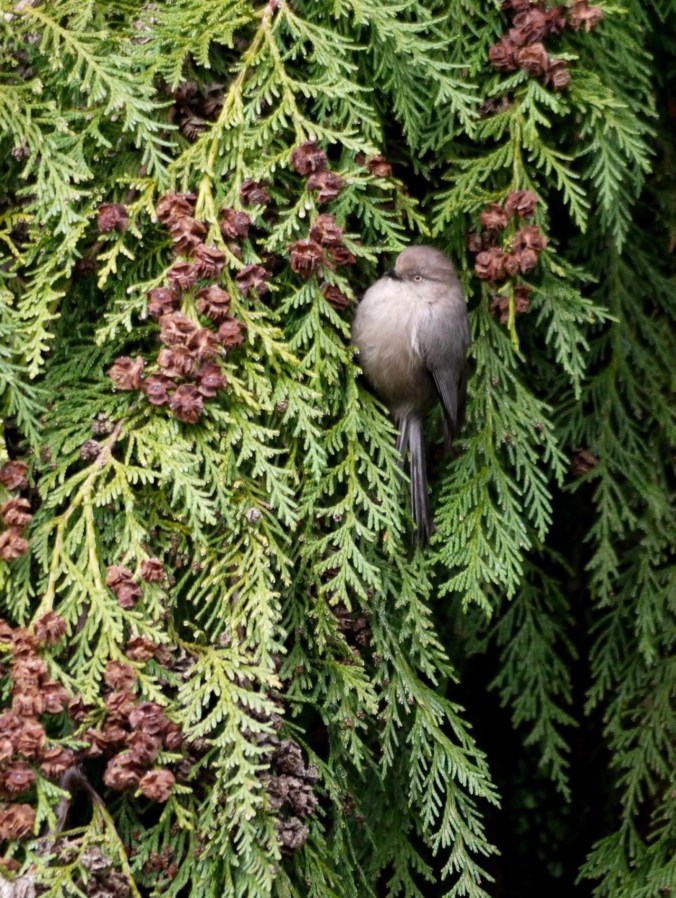
American Bushtit (Psaltriparus minimus) Aegithalidae 

University of Washington, Seattle, WA
January 13, 2013
Robert Niese

American Bushtits are the only member of the bushtit family found in the New World. Did you know you can tell apart the sexes based on their eye color? This is a female. Males have all black eyes.

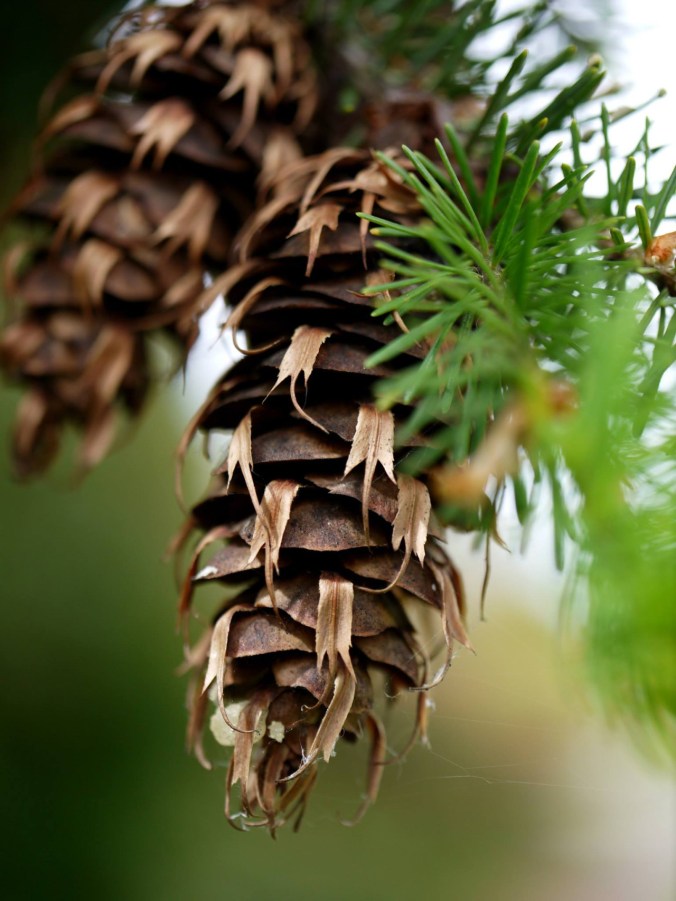
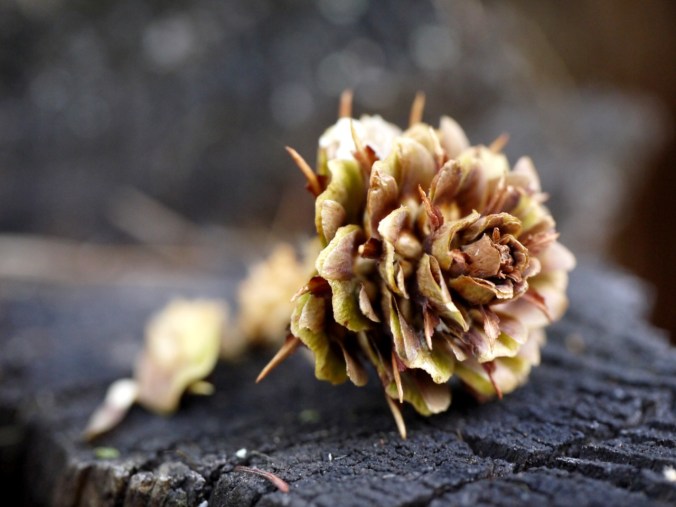
Larix occidentalis “Western Larch” Pinaceae (cone with evidence of seed predation by Tamiasciurus hudsonicus Red Squirrel)

Seeley Lake, MT
September 13, 2014
Robert Niese

Red Squirrels are cone specialists and create massive debris piles, called middens, in areas where they regularly eat (typically atop a stump, fallen log, or low, broad tree branch). These middens are easy to spot and are often more than a meter in width. In Western Washington, these cone middens are usually created by the Red Squirrel’s cousin, the Douglas Squirrel (T. douglasii).

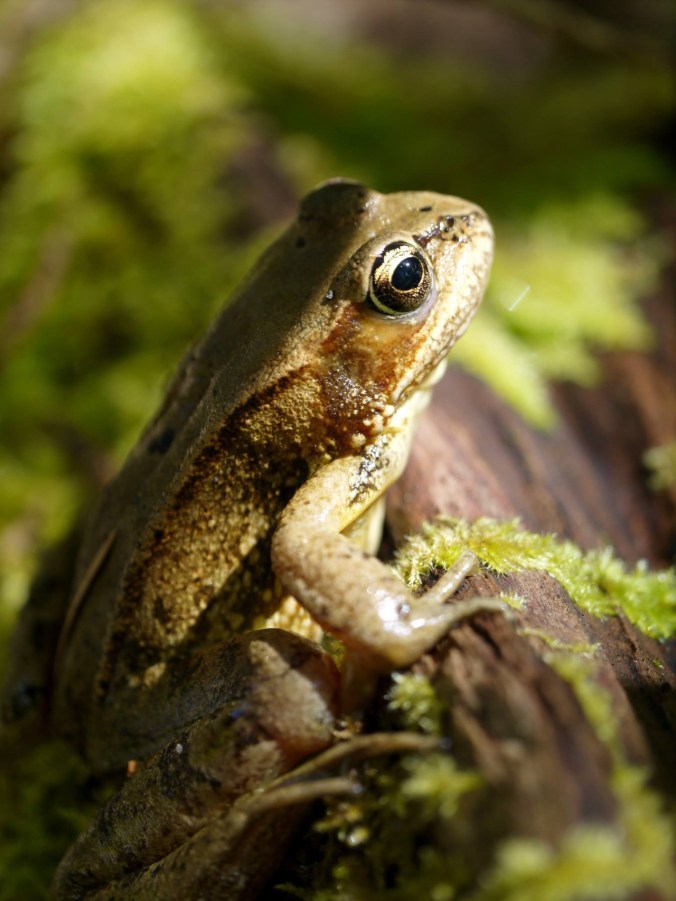
Rana cascadae “Cascades Frog” Ranidae

Olympic National Park, WA
June 7, 2013
Robert Niese

These frogs are endemic to the Cascade and Olympic Mountains where they require predator-free water sources to breed. The introduction of trout for recreational fishing has devastated many populations of these frogs here in the PNW.

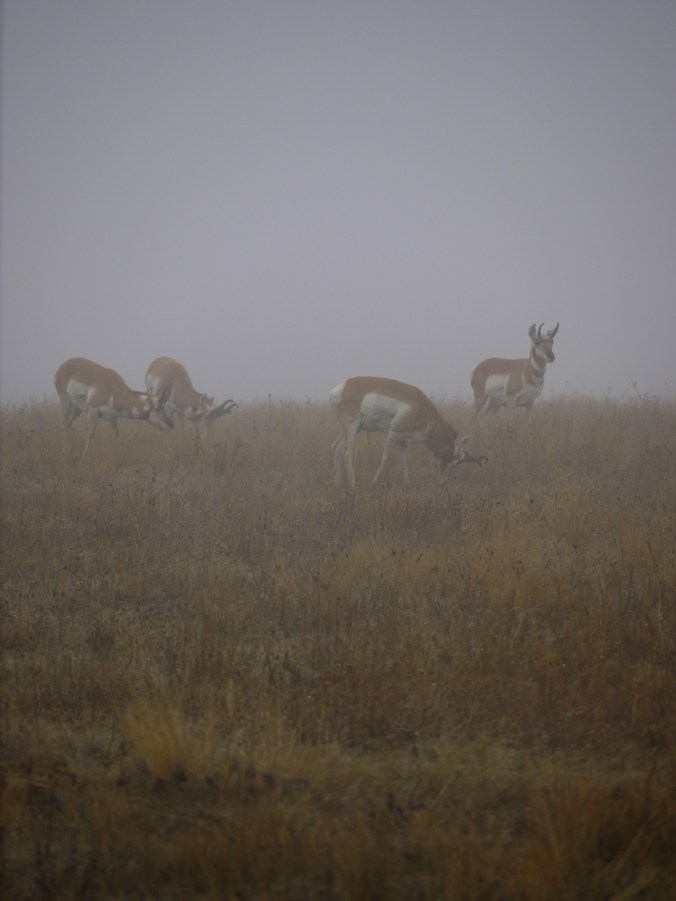
Antilocapra americana “Pronghorn Antelope” Antilocapridae (males)

National Bison Range, MT
October 26, 2013
Robert Niese

Pronghorn Antelope, like many other North American Ungulates, are polygynous. In other words, a single, dominant male claims a harem of females and battles with rival males to maintain control of the herd. The less fortunate, subservient males tend to form “bachelor herds” in which they practice sparring with one another until they are experienced and old enough to challenge the dominant male. Also, the Pronghorn Antelope family is one of only two North American mammal families that are endemic to the continent.