Caloplaca (biatorina?) "Orange Rock Firedot Lichen" 

National Bison Range, MT
June 8, 2014
Robert Niese

Caloplaca lichens are a relatively abundant, easily recognizable group of lichens here in the PNW. Most orange, crustose lichens growing on rocks in our area belong to this genus. Unfortunately, the genus is impossibly large and making species identifications may require a close analysis of spore morphology.

Sphecodes (arvensiformis) “Cuckoo Sweat Bee” Halictidae
on Lomatium “Biscuit Root” Apiaceae

Missoula, MT
May 13, 2014
Robert Niese

Sphecodes bees are cleptoparasitic, cuckoo-like bees that lay their eggs in the nests of other sweat bees.

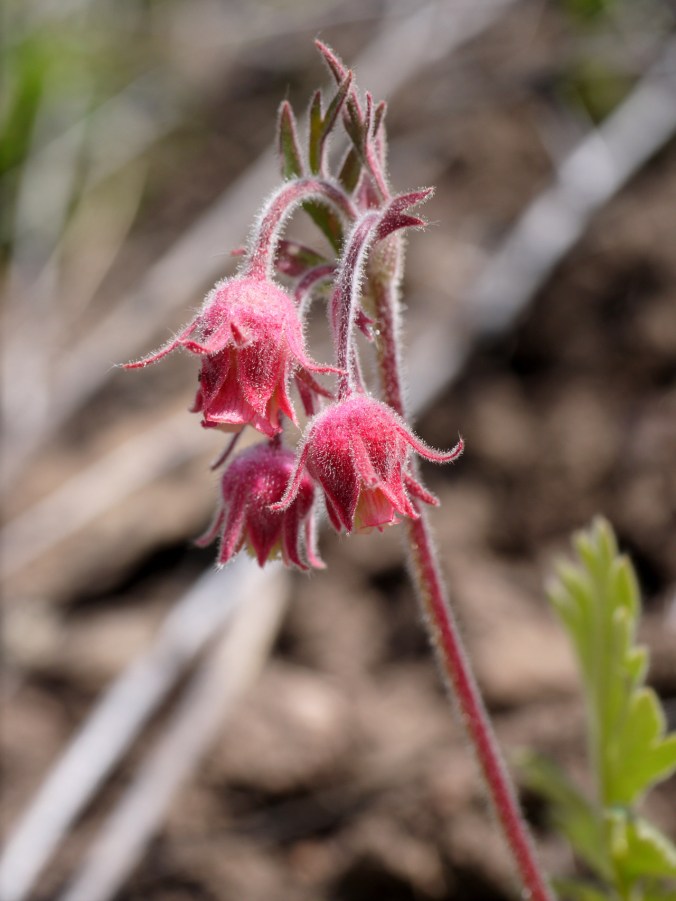
Geum triflorum “Old Man’s Whiskers” Rosaceae

Missoula, MT
May 13, 2014
Robert Niese

This widespread member of the rose family is best known for its fruiting stage in which each flower transforms into a dense bunch of wispy, feather-like seeds earning it common names such as “Old Man’s Whiskers” and “Prairie Smoke." 

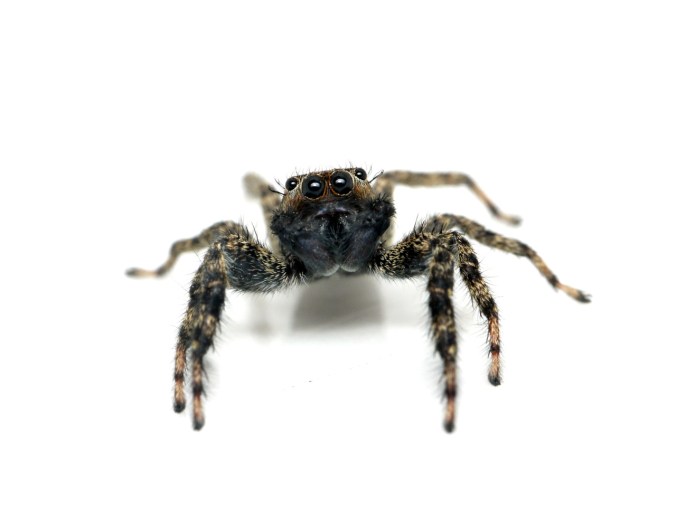
Salticus scenicus “Zebra Jumping Spider” Salticidae (female)

Missoula, MT
June 26, 2014
Robert Niese

This abundant, charismatic jumping spider was introduced to the US from Europe, but can now be found throughout most of the North American continent.

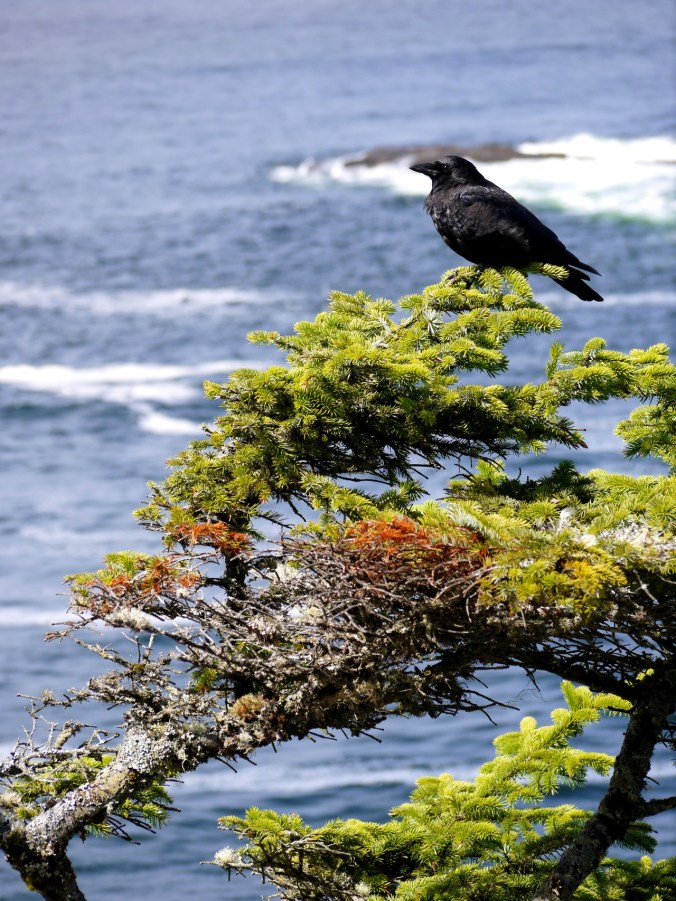
Northwestern/American Crow (Corvus caurinus/brachyrhynchos) Corvidae

Cape Flattery, WA
August 19, 2014
Robert Niese

While, as a scientist, I seriously doubt the validity of the “Northwestern” distinction for our PNW crows, if there were ever a crow that could be called a “Northwest Crow” it would have to be one at Cape Flattery (the northwestern-most point in the contiguous US). Northwestern Crows are, however, likely a subspecies of the American Crow and can only be identified based on their range of occurrence, which undoubtedly overlap for most regions.

Ectoedemia sericopeza “Norway Maple Seedminer” Nepticulidae

Missoula, MT
September 25, 2014
Robert Niese

These teensy-tiny moths are rarely over 2mm in length and are among some of the smallest lepidopterans in the world. Their larvae, which are equally infinitesimal, feed exclusively on (and within!) the tissues of the Norway Maple (Acer platanoides), an introduced species which lines most of our streets here in Missoula.

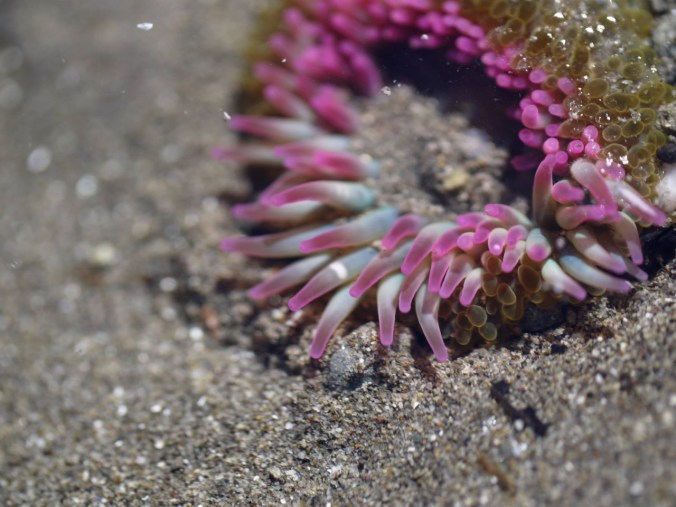
Anthopleura elegantissima “Aggregating Anemone” Anthozoa

Olympic National Park, WA
June 1, 2013
Robert Niese

A very common intertidal resident here in the Puget Sound and on the open coast. If it’s big and green, it’s Anthopleura xanthogrammica. If it’s white and has very fine tentacles (usually subtidal, not intertidal) then it’s Metridium. Now you can identify 90% of the anemones you find in your backyard!

Platycryptus californicus Salticidae

Missoula, MT
June 5, 2014
Robert Niese

An extremely abundant, charismatic jumper commonly found on door frames and windowsills throughout the summer here in Missoula.