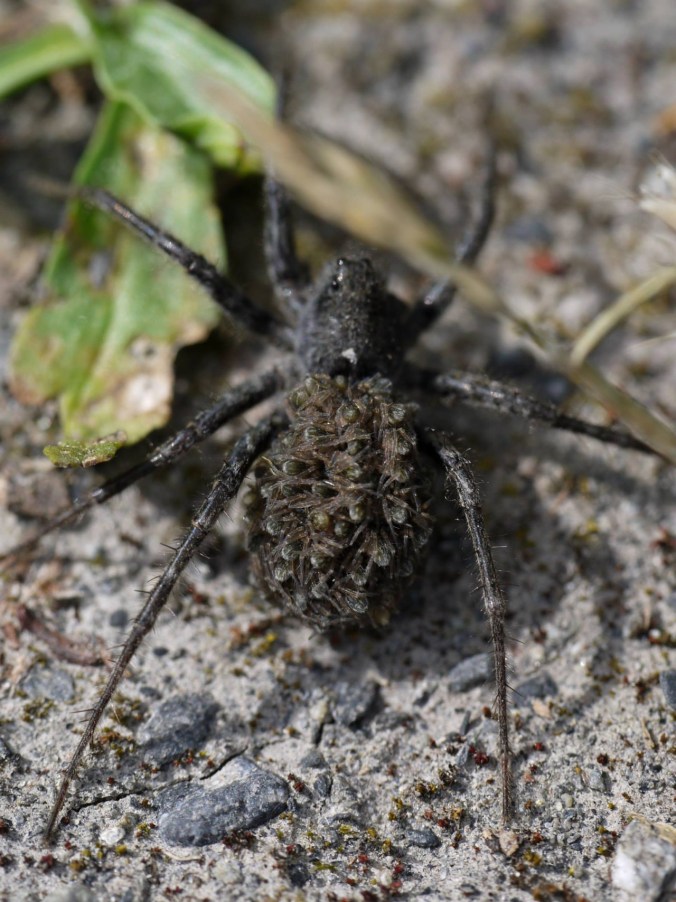
Pardosa sp. “Thin-legged Wolf Spider” Lycosidae, with young

Olympic National Park, WA
June 8, 2013
Robert Niese

Female wolf spiders spin an egg sac and attach it to their spinnerets, carrying around their

precious cargo until the spiderlings hatch and crawl onto her back. There, the babies will stay until they’re old enough to venture out into the world on their own.

Phyllophaga sp. “May Beetle” Scarabaeidae

Missoula, MT
May 18, 2014
Robert Niese

There are more than 400 species of Phyllophaga in the United States and Canada. Their identification requires an intimate investigation of… ahem… reproductive morphology, which is not something I’m dying to do today.

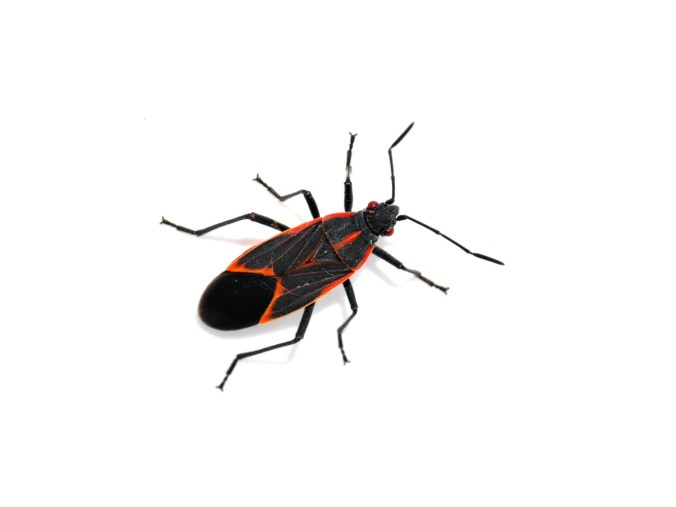
Boisea trivittata “Box Elder Bug” Rhopalidae

Missoula, MT
October 8, 2014
Robert Niese

Box Elder Bugs are Acer specialists, feeding exclusively on the samaras (seeds) of various maple species. Box Elder Bugs tend to create massive congregations in sunny spots to keep warm while feeding and are often considered a nuisance in such large numbers – especially when the days become colder and they seek refuge in my bedroom! But overall, they’re totally harmless.

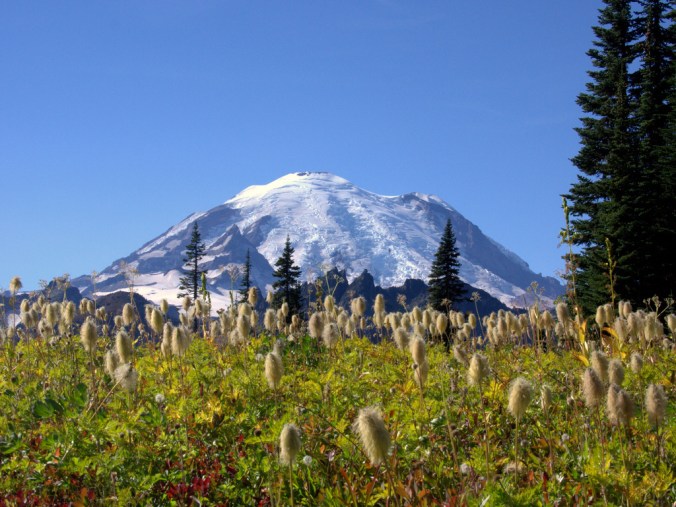
Mount Rainier from Tipsoo Lake

Chinook Pass, Mount Rainier National Park, WA
October 4, 2012
Robert Niese

(Those bushy, Dr. Seuss-like plants scattered throughout the foreground are the fruiting structures of Anemone occidentalis, a common and beautiful montane flower.)

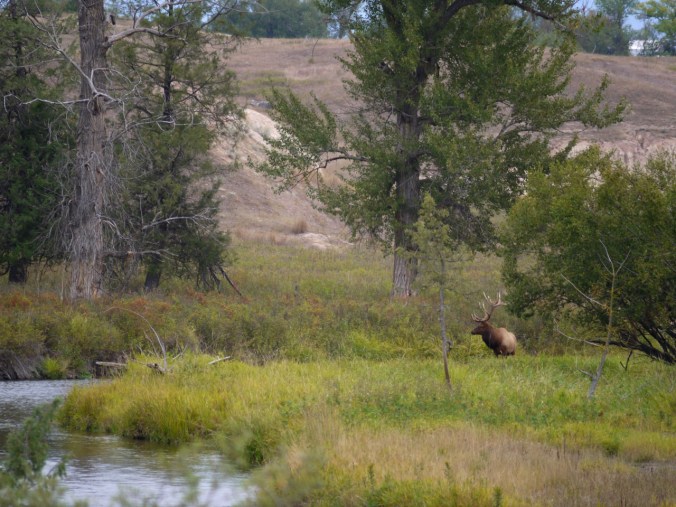
Cervus elaphus “Wapiti” Cervidae, male

National Bison Range, MT
September 21, 2013
Robert Niese

The name “wapiti” comes from the Shawnee and it means “light-colored rump.” Elk found here in the PNW are arguably the same species as “red deer” found in Europe. They have been split and regrouped countless times by taxonomists.