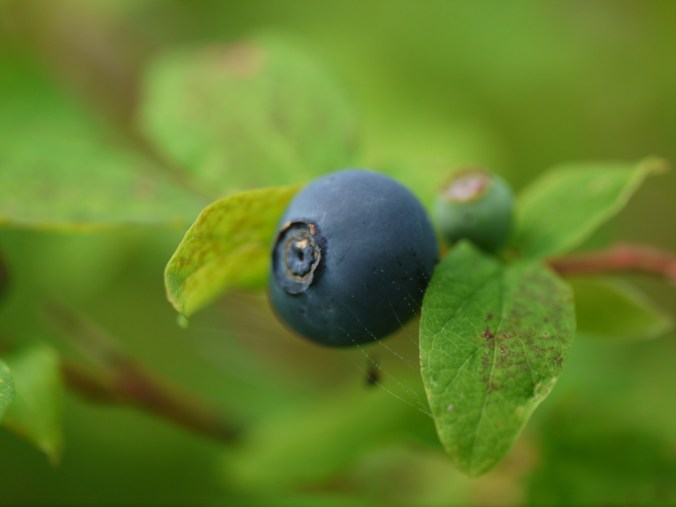
Vaccinium ovalifolium “Oval-leaf Bluberry” Ericaceae
Mount Rainier National Park, WA
August 9, 2013
Robert Niese
Vaccinium ovalifolium “Oval-leaf Bluberry” Ericaceae
Mount Rainier National Park, WA
August 9, 2013
Robert Niese
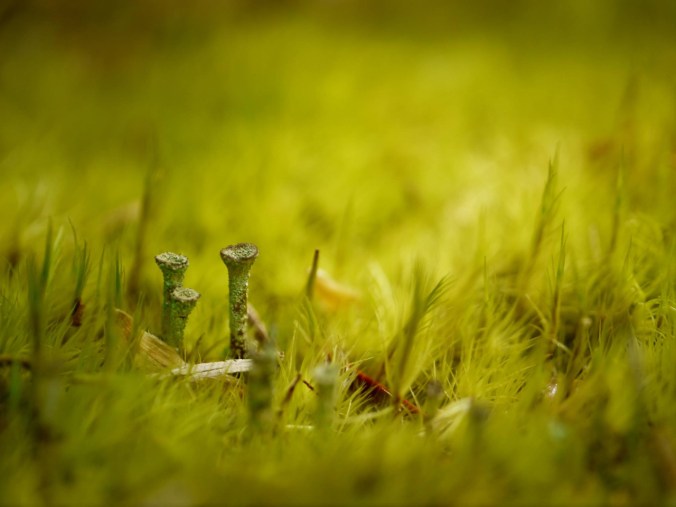
Cladonia sp. “Pixie Cup Lichen”
Olympic National Park, WA
June 6, 2013
Robert Niese
This easily recognizable lichen genus is one of my favorites. The tall cup-like structures for which the group is named are actually modified structures that release spores. Other members of the genus, such as Cladonia cristatella, the British Soldier Lichens, produce a bright red cap on each tall stem instead of a shallow cup.
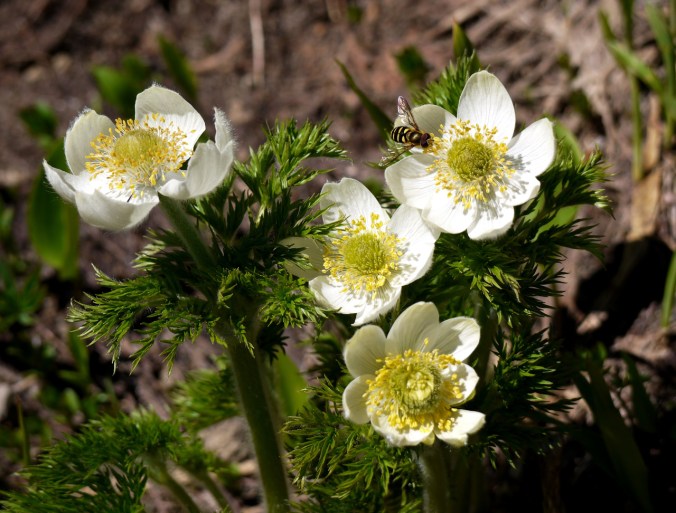
Anemone occidentalis “Western Anemone” Ranunculaceae
Mount Rainier National Park, WA
August 4, 2012
Robert Niese
While many hikers will often overlook the flowering phase of this Anemone, their fruiting phase is definitely impossible to miss.
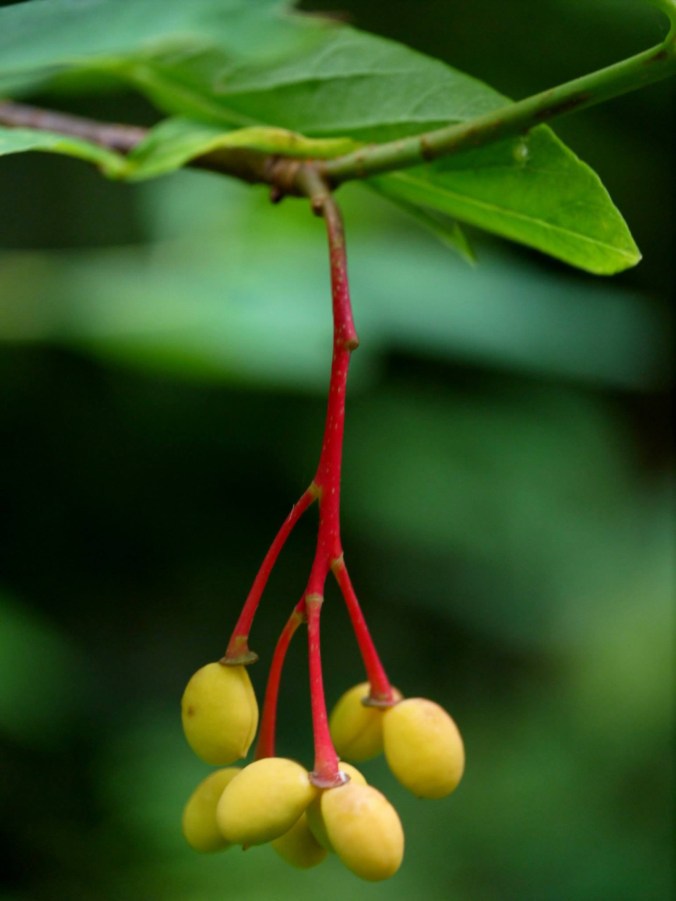
Oemleria cerasiformis “Indian Plum” Rosaceae
Tacoma, WA
May 2013
Robert Niese
Oemleria is a PNW endemic and is one of the first plants to leaf-out and bloom in spring. Later in the summer Oemleria will begin to bear ripe fruits which are purple with a large pit, giving them the name Indian Plums. These fruits here were unripe and tasted bitter and chalky. I should have waited for them to turn purple!

Tragopogon dubius “Western Salsify/Goat’s-beard” Asteraceae
Missoula, MT
October 18, 2013
Robert Niese
This invasive weed is common throughout the eastern pinelands of the PNW and its giant, dandelion-like infructescences are easy to spot, even in late fall. The thick tuberous roots of this salsify, like its cultivated cousin T. porrifolius, are edible and apparently taste like artichoke hearts when prepared properly.
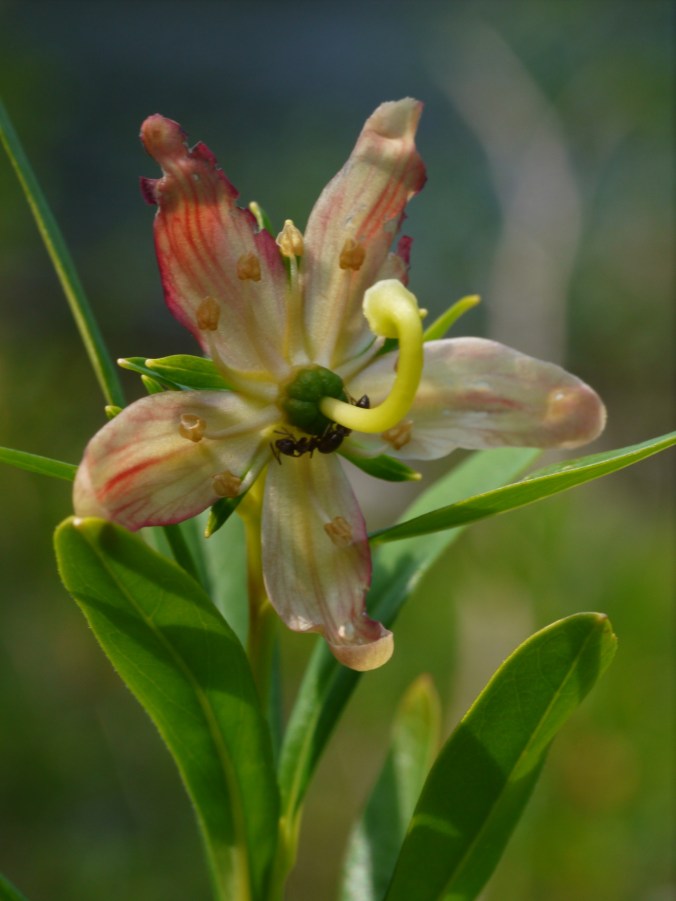
Elliottia pyroliflora “Copperbush” Ericaceae
Mount Rainier National Park, WA
August 9, 2013
Robert Niese
Copperbush is a member of the blueberry family and is a PNW endemic (west of the Cascades). These deciduous shrubs tend to grow in wet, boggy regions around mountain streams and lakes.
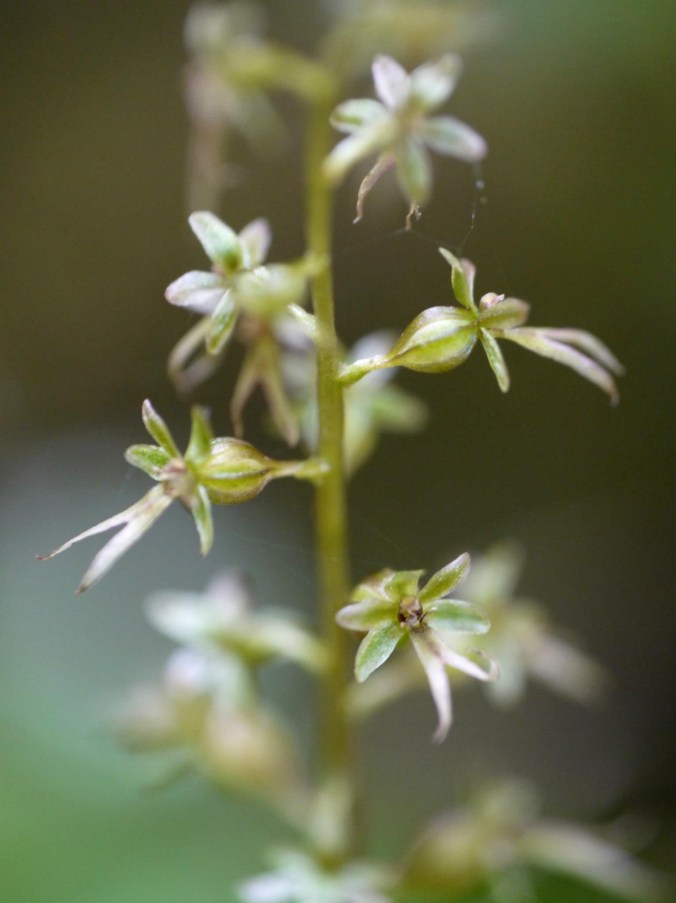
Listera cordata “Heart-leaf Twayblade” Orchidaceae
Olympic National Park, WA
June 3, 2013
Robert Niese
This tiny orchid has a circumboreal distribution and is most often found in the moist forest understory hiding among the mosses. Twayblade orchids are fairly common in the Pacific Northwest but are usually overlooked due to their size (rarely more than a few inches tall) and unremarkable coloration. We have five species of Twayblade in the PNW – one of which is endangered.

Rubus spectabilis “Salmonberry” Rosaceae
Tacoma, WA
May 2013
Robert Niese
These are definitely some of my favorite PNW fruits. You can easily identify a Salmonberry bush by its unique 3-part leaves. Look for the bottom two leaflets that are shaped like the wings of a butterfly!

Cymbalaria muralis "Ivy-leaved Toadflax" Plantaginaceae (Scrophulariaceae)
Tacoma, WA
May 2013
Robert Niese
A common garden creeper, introduced from Mediterranean Europe. Very cute and very tiny (~1cm).
This plant has an unusual method of propagation. The flower stalk is initially positively phototropic and moves towards the light—after fertilization it becomes negatively phototropic and moves away from the light. This results in seed being pushed into dark crevices of rock walls, where it is more likely to germinate and where it prefers to grow.
This individual flower has, in fact, been pollinated.

Blechnum spicant “Deer Fern” Polypodiaceae (Blechnacaeae)
Olympic National Park, WA
June 1, 2013
Robert Niese
This fern is mostly found west of the Cascades, but occasionally in Northern Idaho. I was surprised to learn that it has never been recorded in Montana. Blechnum ferns are known for conspicuously dimorphic fertile and infertile fronds. Tall fronds with skinny leaflets are typically spore-bearing like this one here.
 Northwest Naturalist
