tumblr_nzmc8nczro1tmun60o1_1280

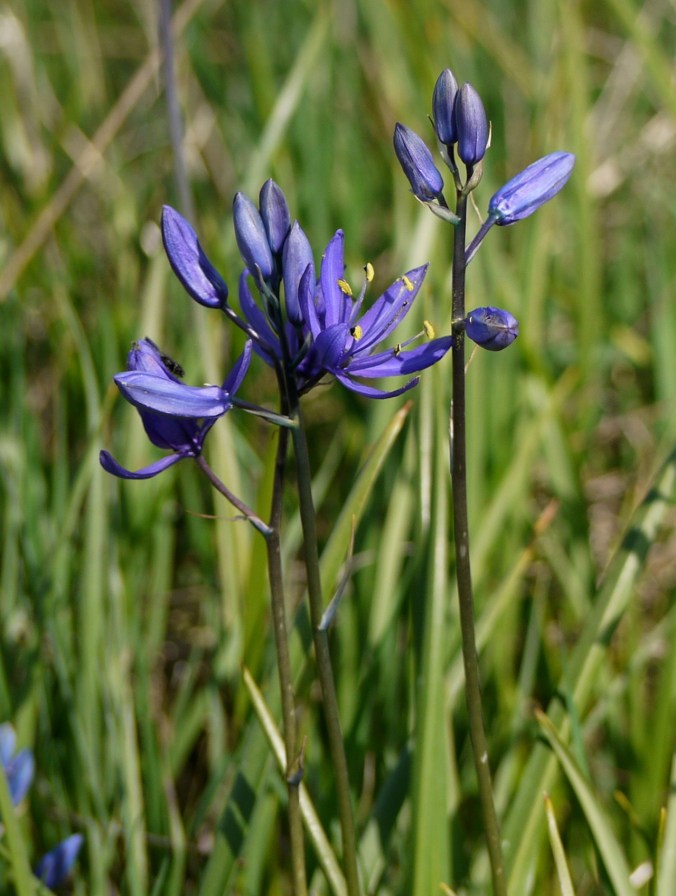
Camassia quamash “Common Camas” Liliaceae

Joint Base Lewis-McChord, WA
May 6, 2012
Robert Niese

Camas was one of the most important food plants for PNW indigenous peoples. In late spring, bulbs were collected and slow-cooked in giant pits or earthen ovens. These roasted bulbs taste similar to sweet potatoes, but are much sweeter and more fibrous. These plants were such an important food source that wars were often fought over control of the prairies in which they grow. Here in the Puget Sound, these prairie habitats were maintained through regular burning in order to preserve and promote camas growth. Today, more than 85% of these prairie ecosystems have completely disappeared and almost 20,000 of the 23,000 remaining acres can be found here on the Joint Base Lewis-McChord.
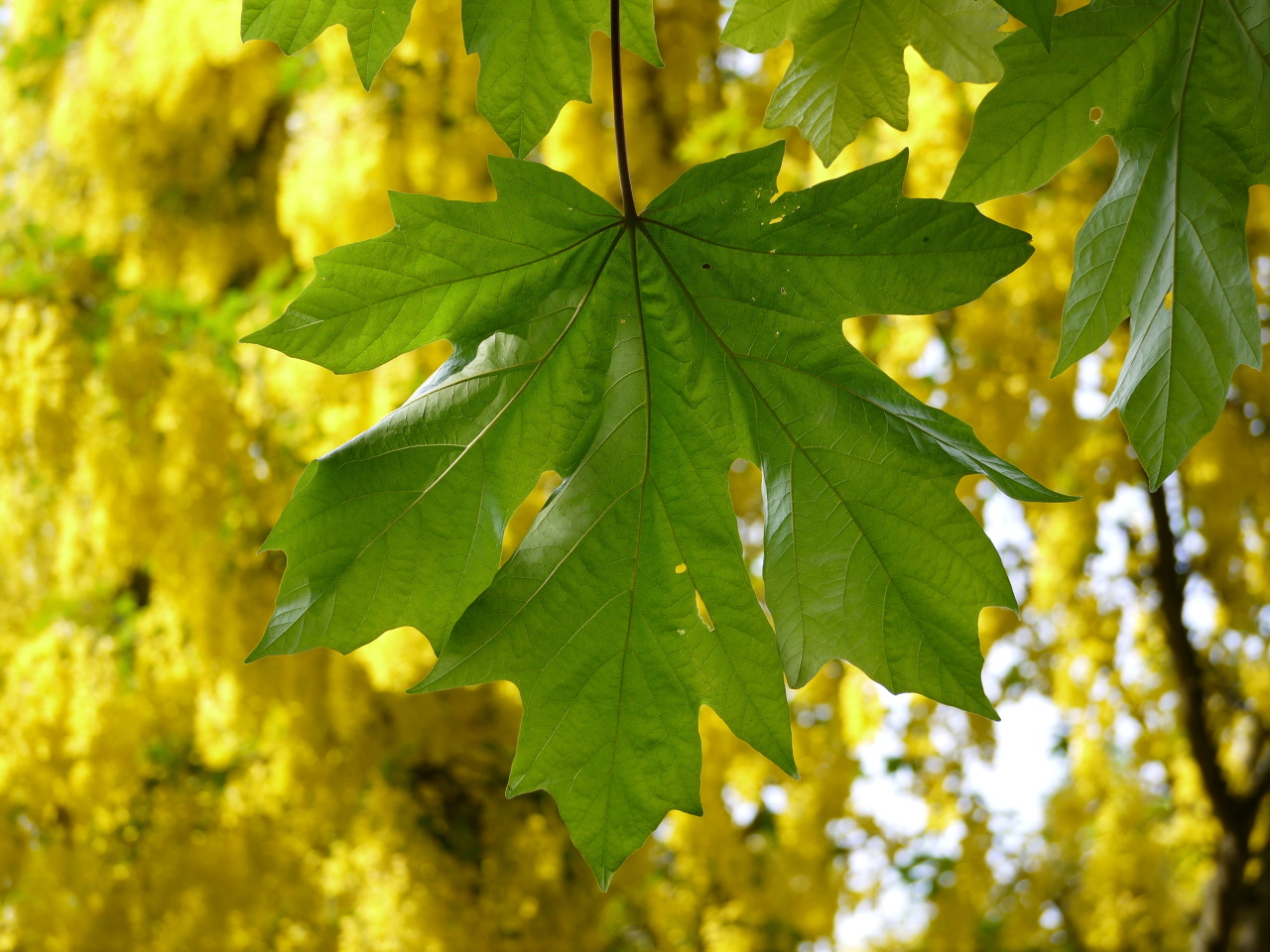
Acer macrophyllum “Bigleaf Maple” Aceraceae, with
Laburnum anagyroides “Golden Chain Tree” Fabaceae

Tacoma, WA
May 30, 2012
Robert Niese

The largest leaves on Bigleaf Maples easily reach 2 feet in length! These trees are keystone species in riparian zones throughout the wet lowlands of the PNW and are particularly important for sustaining healthy moss populations. In the background, you can see the bright yellow flowers of the introduced Golden Chain Tree. These papilionaceous flowers (in the pea family) are favored by bumble bees which are large enough to wriggle their way into the corolla.

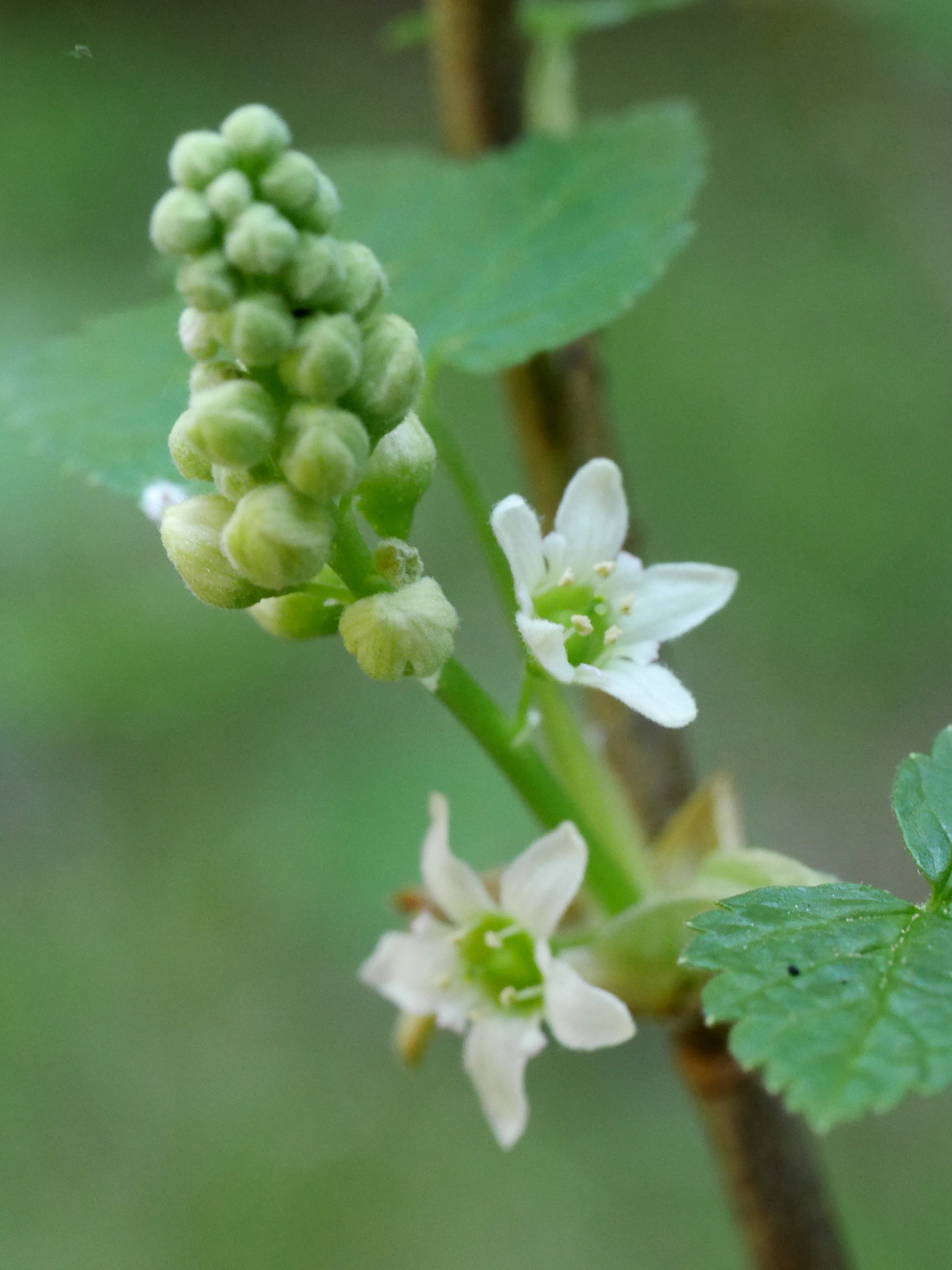
Ribes hudsonianum “Northern Black/Stinking Currant” Grossulariaceae

Lolo National Forest, Bitterroot Mountains, MT
May 10, 2015
Robert Niese

These currants are found throughout the temperate and boreal forests of North America from Alaska to Quebec south through the Rocky Mountain states. Here in the PNW, they tend to only be found east of the cascades in mid- to high-elevation dense wet forests and stream banks. Their berries, like so many of our Ribes in Montana, are relatively unpalatable.

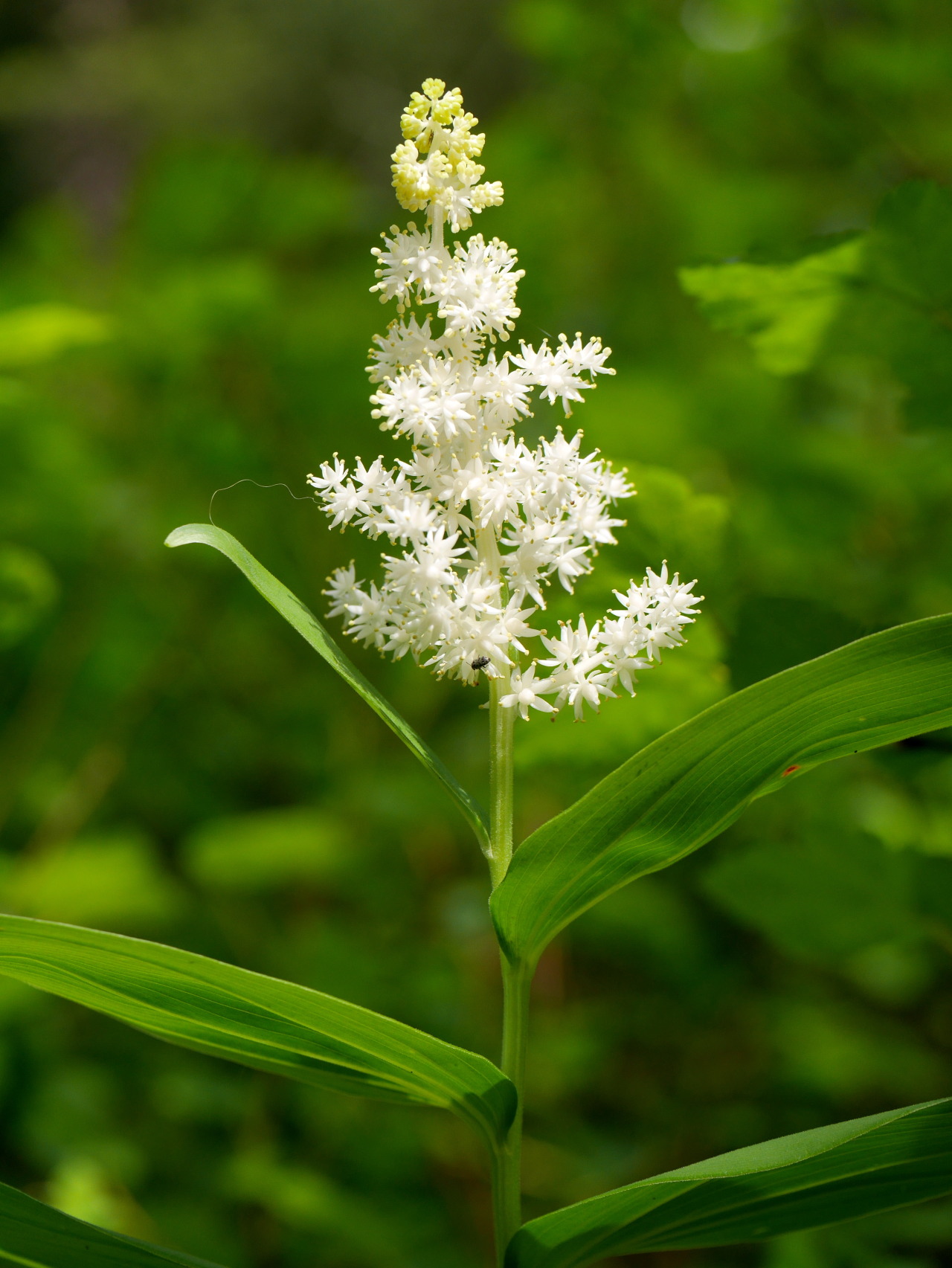
Maianthemum racemosum “False Lily of the Valley” Liliaceae

Drinking Horse Mountain, Bozeman, MT
June 3, 2015
Robert Niese

These lilies are found abundantly in almost all moist-to-wet forests in North America. Here in the PNW, they are the largest of three species in this genus which all share the common name “false lily of the valley.” These plants are edible, but, when young, look nearly identical to False Hellebore which is very poisonous. Their shoots are said to taste like asparagus and their berries apparently taste like treacle. The plant has also been used at one point or another to treat every sort of ailment you can imagine. All parts of the plant, however, have strong to mild laxative effects and should be consumed cautiously. Learn more here.

Fritillaria atropurpurea “Spotted Fritillary” Liliaceae

Drinking Horse Mountain, Bozeman, MT
June 3, 2015
Robert Niese

There are several common species of chocolate/spotted/checkered fritillaries in the PNW (and countless endemics with tiny, restricted ranges in OR and CA). This species, F. atropurpurea, has the easternmost distribution and is found in most Rocky Mountain states as well as Oregon and California (not found in Washington, BC or Alberta, however). F. affinis is the most common species found west of the Cascades, but can also be found in parts of Idaho (not recorded in Montana or Alberta). F. camschatcensis, has a more northern distribution, but small populations can be found in Washington and Oregon (most abundant in BC and Alaska). The bulbs of all three species have been an important food source for native peoples. The flowers, which can be quite stinky, are pollinated by insects seeking dung and carrion.

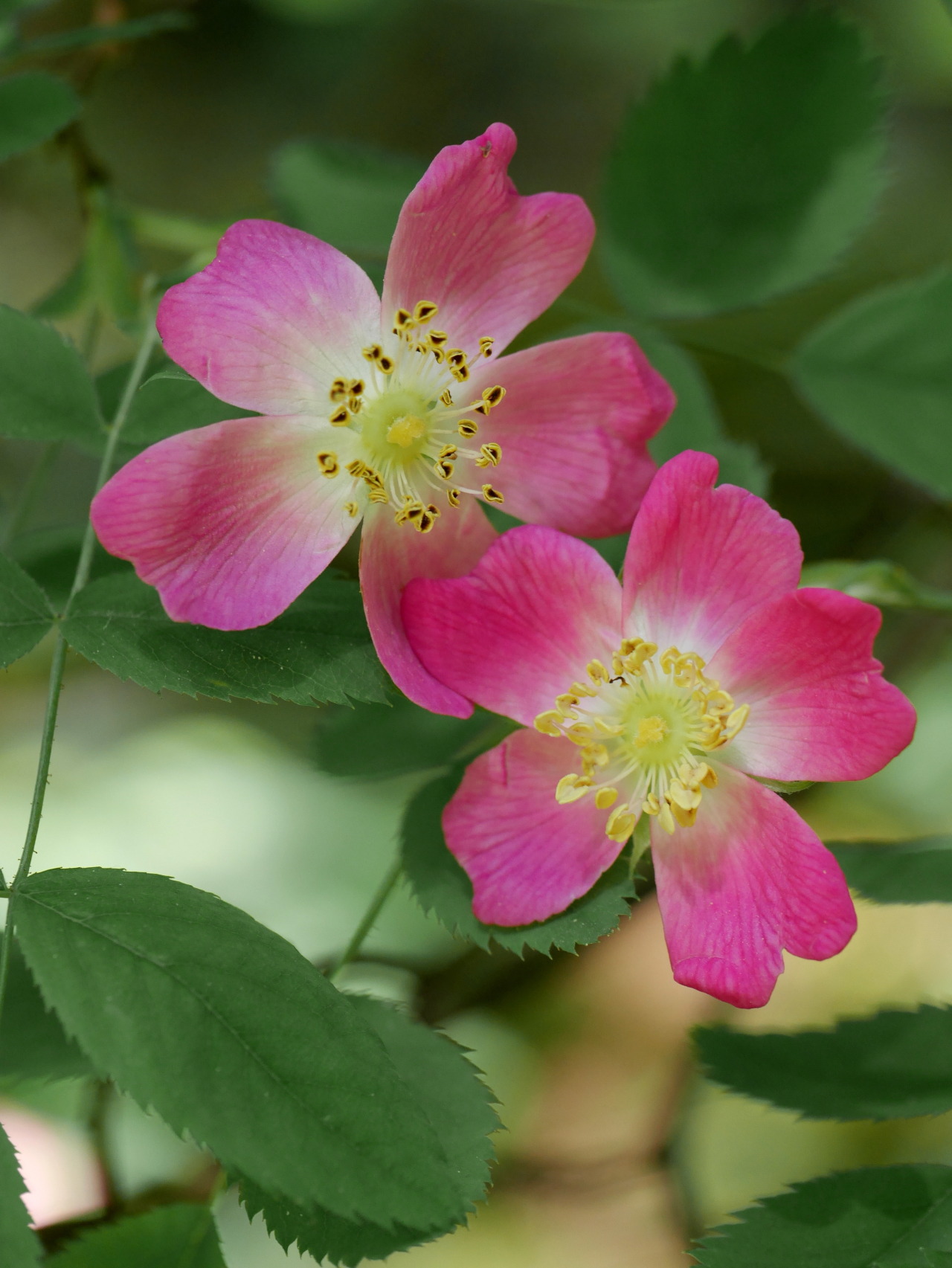
Rosa gymnocarpa “Baldhip Rose” Rosaceae

Weir Hot Springs, Clearwater National Forest, ID
June 8, 2015
Robert Niese

This is one of North America’s smallest rose species and, as such, it is often nicknamed the “dwarf rose.” I prefer the name “baldhip” though. Not only does it sound wonderfully silly, but it also is a direct translation (more or less) of the species epithet, “gymnocarpa.” Well, gymnocarpa really means “naked fruit,” but their fruits are hips and these hips are indeed bald. When the flower is fertilized, its petals and sepals fall off, leaving behind the growing fruit. Most roses hang on to their sepals as their hips mature, making this a reliable feature for identifying R. gymnocarpa. Look for these small shrubs in low- to mid-elevation moist forests throughout the PNW. This little corner of western Montana is their eastern-most range edge!

Veratrum viride var. eschscholtzianum “Green False Hellebore” Liliaceae

Great Burn, Lolo National Forest, MT
July 10, 2015
Robert Niese

Members of the genus Veratrum are highly toxic and famous for their nasty effects. In particular, its spring shoots are often mistaken for Hellebore (also poisonous) which is commonly used in treating morning sickness in pregnant women. If consumed early during pregnancy, False Hellebore will cause cyclopia in the developing fetus, a disorder which prevents the brain form developing into two lobes, thus producing a single olfactory and a single optic nerve (and, consequently, only one eye). It has similar effects on cattle and is widely detested by ranchers in our area. This species is most often found growing in moist, high-elevation valleys and meadows here in the PNW. It’s cousin, the White False Hellebore tends to be more common in lowlands west of the Cascades. (Side note: I always thought this Latin name sounded like a Harry Potter spell…)

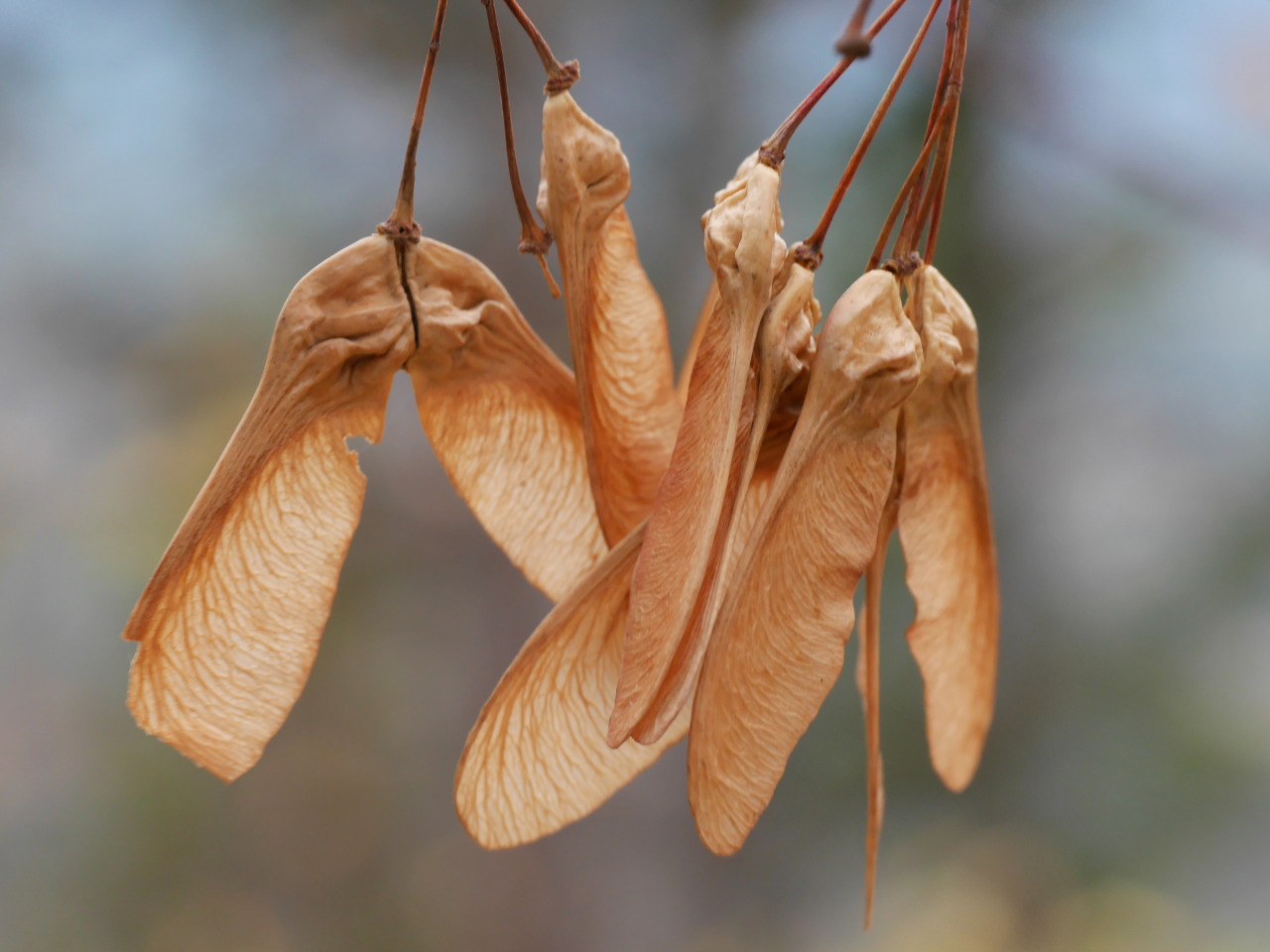
Acer glabrum “Rocky Mountain Maple” Aceraceae

Apgar Lookout Trail, Glacier National Park, MT
October 9, 2015
Robert Niese

Montana is home to two species of maple, but this is our only native. The Rocky Mountain Maple can be found in moist, open forests, avalanche slopes, and riparian areas throughout the Pacific Northwest, but is most common east of the Cascades. In the west, A. glabrum could be confused with A. circinatum, the Vine Maple, which tends to be much more common. However, simple differences in their leaf shape, fruit color, and fruit shape make the distinction quite straightforward. Like all maples, these plants have neat, aerially dispersed seeds called samaras that spin like a helicopter blade as they fall to the ground. During World War II these seeds inspired parachute-less cargo containers that could be dropped from planes to provide emergency supplies or mail to inaccessible locations.

Populus tremuloides “Quaking Aspen” Salicaceae

Apgar Lookout Trail, Glacier National Park, MT
October 9, 2015
Robert Niese

This adorable Quaking Aspen sapling had lost all but three of its leaves by the time I photographed it in early October. While Quaking Aspen is famous for its adventitious, clonal reproduction, this little guy probably grew from seed because it was all alone in the at the edge of a stand of conifer saplings. Seedlings in the genus Populus are often the first to colonize abandoned mining sites that are too toxic for other species. Recent research suggests that they are only capable of this feat because of a mutualistic relationship with various species of mycorrhizal fungi such as these earthballs.

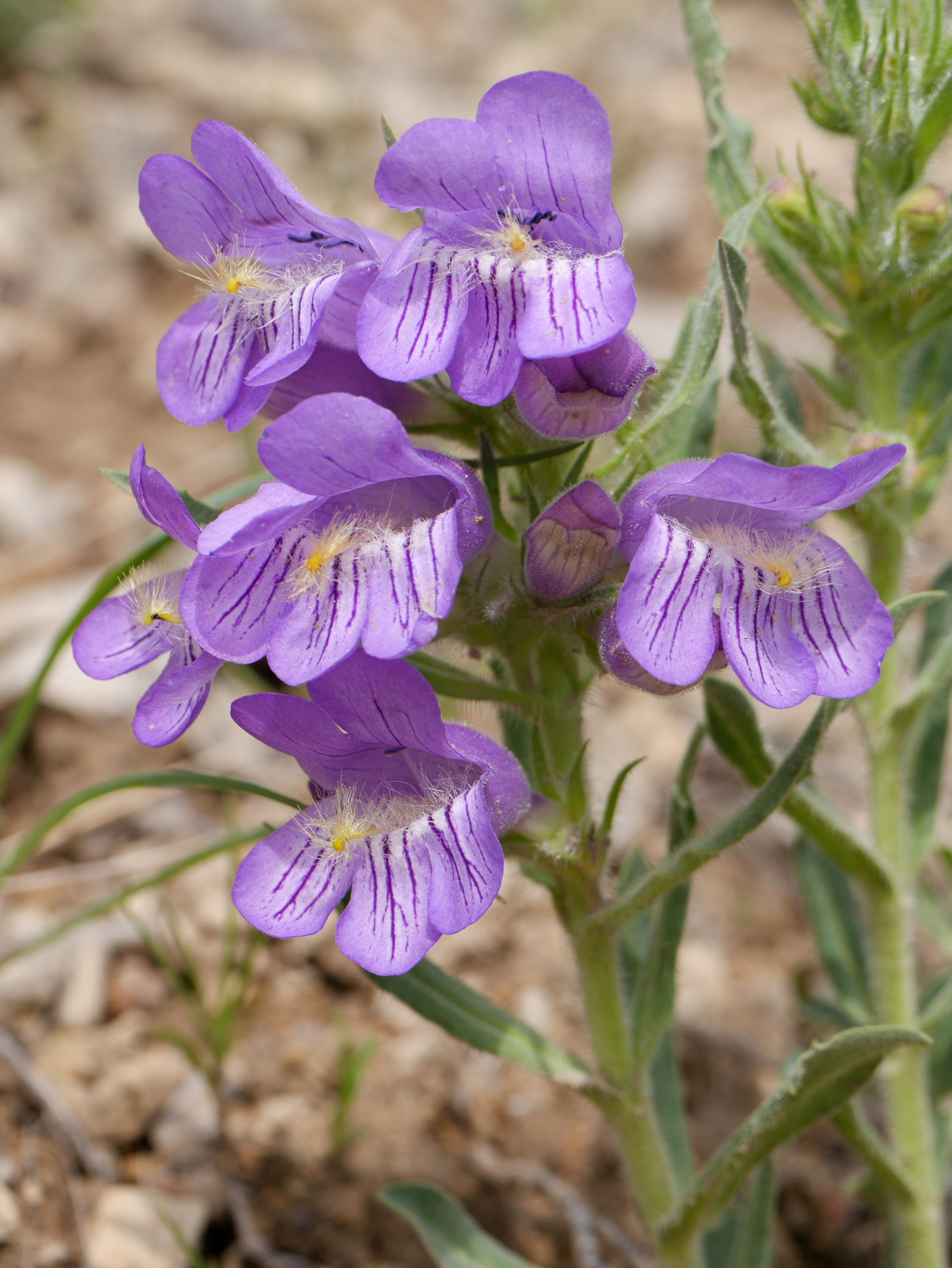
Penstemon eriantherus “Fuzzy-tongue Penstemon” Plantaginaceae (Scroph.)

Drinking Horse Mountain, Bozeman, MT
June 3, 2015
Robert Niese

As one of our largest penstemons in the PNW, this flower is hard to miss! Look for it on drier hillsides and valleys east of the Cascades where it often blooms alongside Lupine (Lupinus sp.) and Balsamroot (Balsamorhiza sp.). Its common name, Fuzzy-tongue Penstemon, is somewhat misleading as all penstemons are characterized by possessing a “fuzzy tongue.” These fuzzy tongues are actually sterile stamens (one of five total, which is where the name “pente-stamen” comes from) which attract pollinators.