Heracleum maximum “Common Cow-parsnip” Apiaceae

Olympic National Park, WA
June 1, 2013
Robert Niese

These weedy, roadside plants, named after Hercules because of their impressive size, are Northwest natives and can grow up to 2 meters tall! This shot nicely displays cow-parsnip’s flowers which occur in compound umbells. 
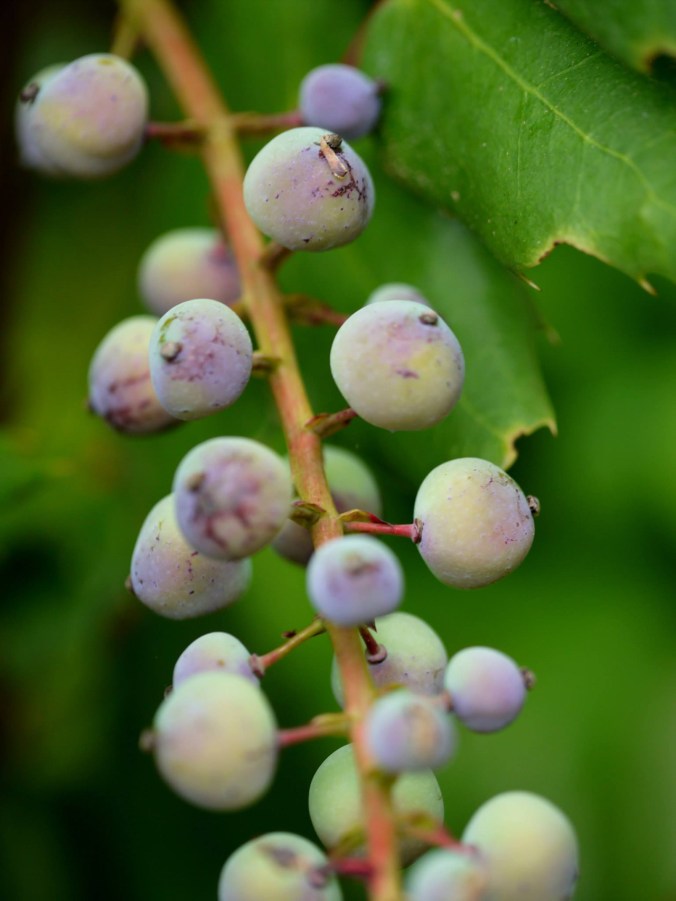
Berberis aquifolium “Tall Oregon Grape” Berberidaceae

Tacoma, WA
May 18, 2013
Robert Niese

The roots of these plants are often used to treat Psoriasis and can be found in topical creams such as Relieva. The stems of most members of this family contain a yellow compound called berberine which is both a strong antimicrobial and an excellent dye. Its berries are sometimes used to make barberry wine and can also produce a pleasant purple dye. Eaten alone however, the fruits of most Berberis are bitter and unpalatable. 

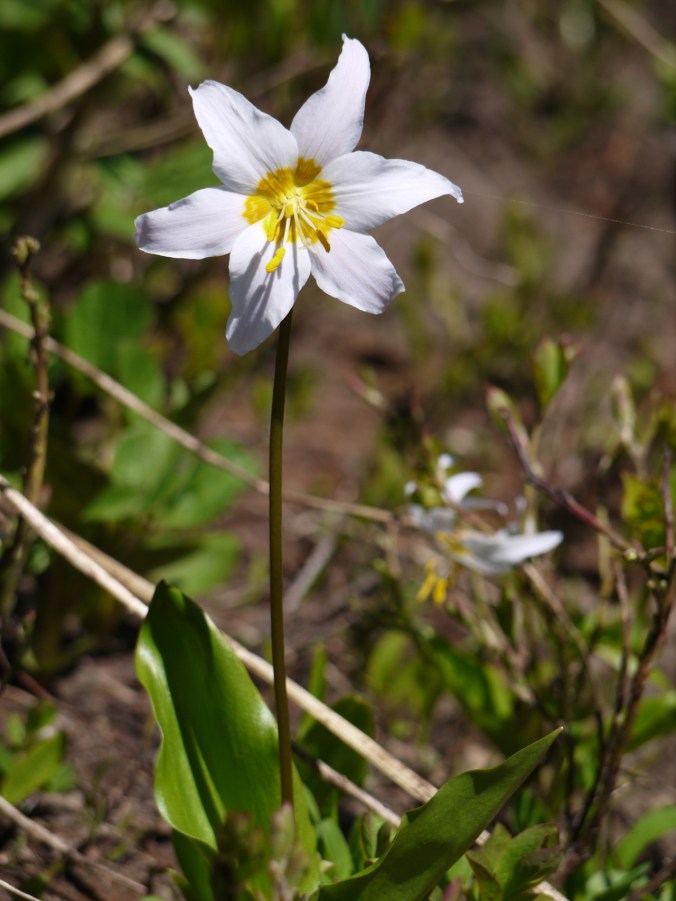
Erythronium montanum “Avalanche Lily” Liliaceae

Mount Rainier National Park, WA
August 4, 2012
Robert Niese

Avalanche Lilies are some of the first montane flowers to bloom in the PNW. As soon as the snow begins to melt, these guys are sprouting and preparing for the brief alpine summer. E. montanum is endemic to the Pacific Northwest and is only found in alpine and subalpine regions of the Cascade and Olympic mountain ranges.

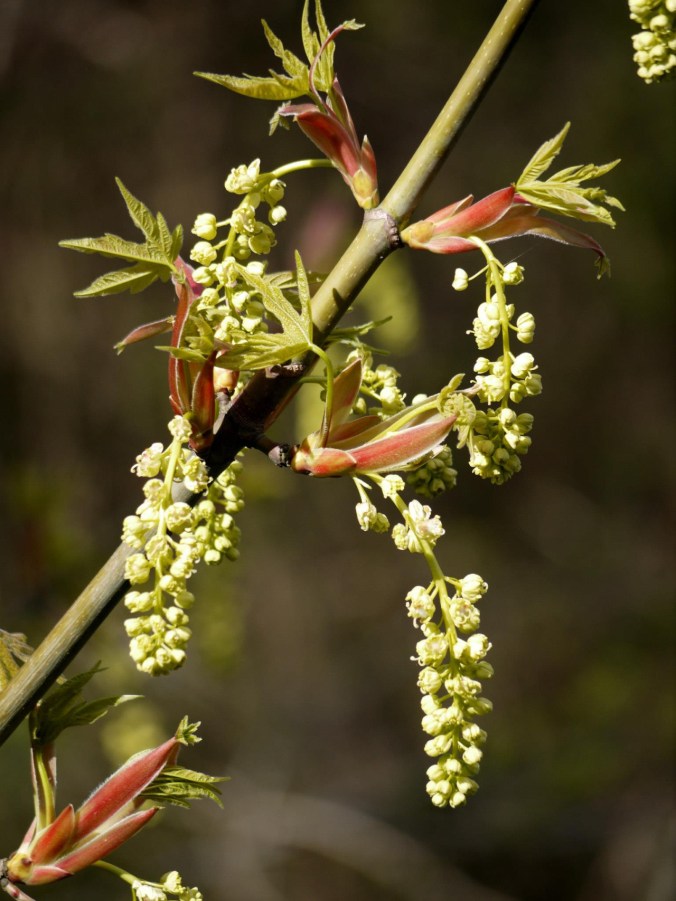
Acer macrophyllum “Bigleaf Maple” Aceraceae

Tacoma, WA
April 14, 2013
Robert Niese

The blooming of the Bigleaf Maples coincides with the arrival of many small insectivorous bird species to the Pacific Northwest. Birds such as the Orange-crowned Warbler, Pacific-slope Flycatcher, and Warbling Vireo rely on the insects attracted to these flowers in the springtime.

Acer macrophyllum “Bigleaf Maple” Aceraceae

Olympic National Park, WA
June 6, 2013
Robert Niese

The largest leaves on Bigleaf Maples easily reach 2 feet in length! These trees are keystone species in riparian zones throughout the wet lowlands of the PNW and are particularly important for sustaining healthy moss populations.

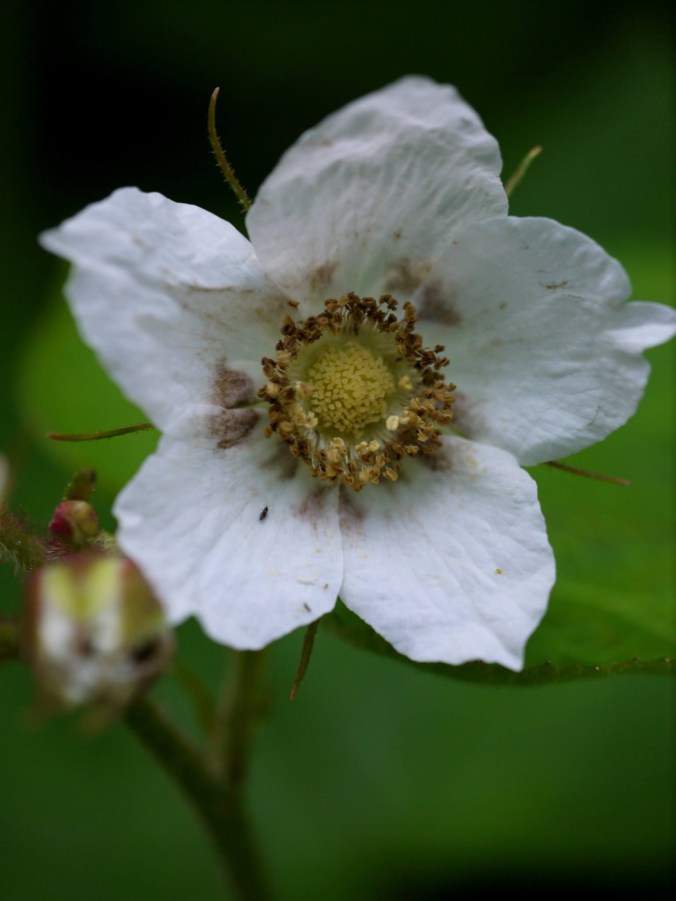
Rubus parviflorus “Thimbleberry” Rosaceae

Tacoma, WA
May 2013
Robert Niese

Thimbleberry is an abundant edible berry found throughout forests in the west. They tend to grow best in disturbed areas such as roadsides, landslides, and clear cuts.

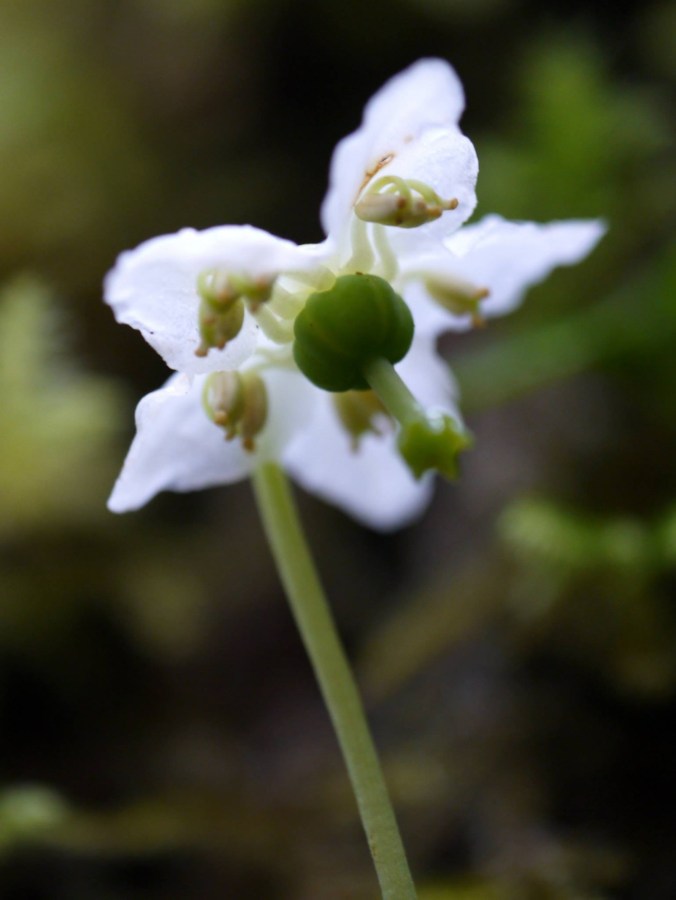
Moneses uniflora “Single-delight” Ericaceae

Olympic National Park, WA
June 1, 2013
Robert Niese

This unique Ericad is found in moist coniferous forests across the northern hemisphere and is the sole member of its genus. It truly is delightful!