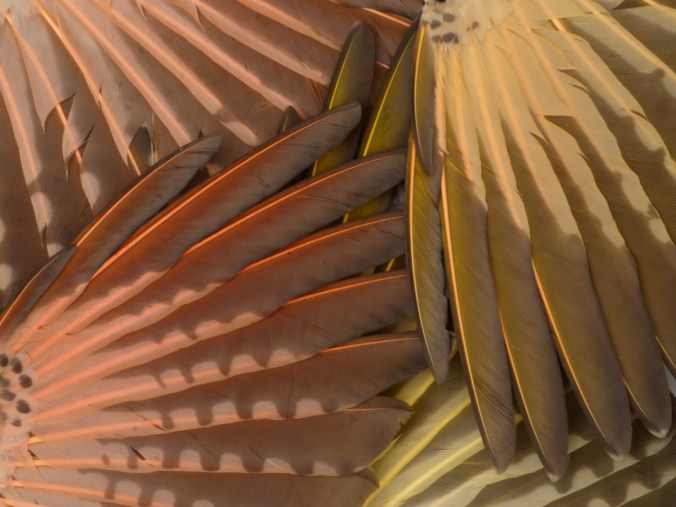
Northern Flicker (Colaptes auratus) wings, Picidae

No Data Available
Specimens courtesy of the Slater Museum
Photo by Robert Niese

Northern Flickers occur in two color morphs across the US. In the west, they are predominantly “red-shafted,” while in the east they are predominantly “yellow-shafted.” Here in western Montana, we have mostly red-shafted, but there are a few areas that are chock-full of “orange-shafted” hybrids (the wing in the upper right is a hybrid). There are extensive hybrid zones throughout BC and AB as well.
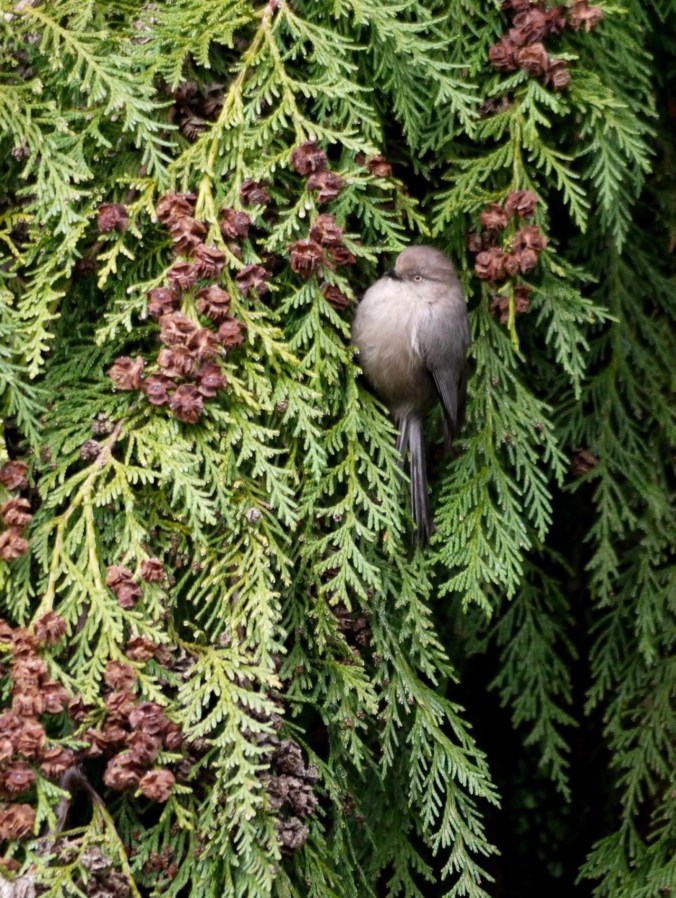
American Bushtit (Psaltriparus minimus) Aegithalidae 

University of Washington, Seattle, WA
January 13, 2013
Robert Niese

American Bushtits are the only member of the bushtit family found in the New World. Did you know you can tell apart the sexes based on their eye color? This is a female. Males have all black eyes.

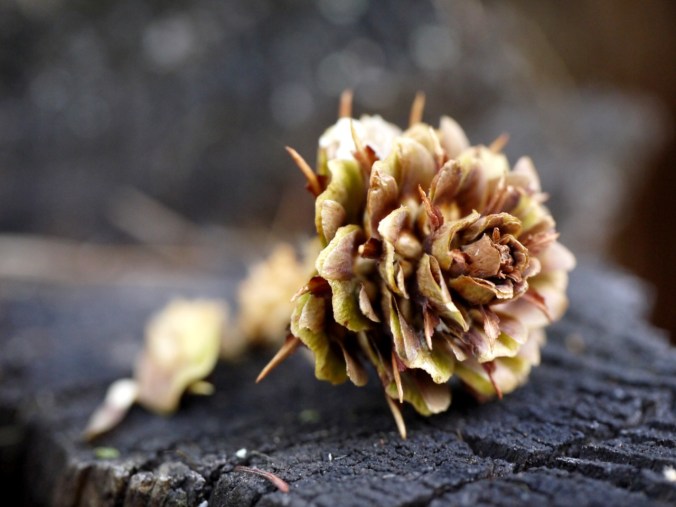
Larix occidentalis “Western Larch” Pinaceae (cone with evidence of seed predation by Tamiasciurus hudsonicus Red Squirrel)

Seeley Lake, MT
September 13, 2014
Robert Niese

Red Squirrels are cone specialists and create massive debris piles, called middens, in areas where they regularly eat (typically atop a stump, fallen log, or low, broad tree branch). These middens are easy to spot and are often more than a meter in width. In Western Washington, these cone middens are usually created by the Red Squirrel’s cousin, the Douglas Squirrel (T. douglasii).

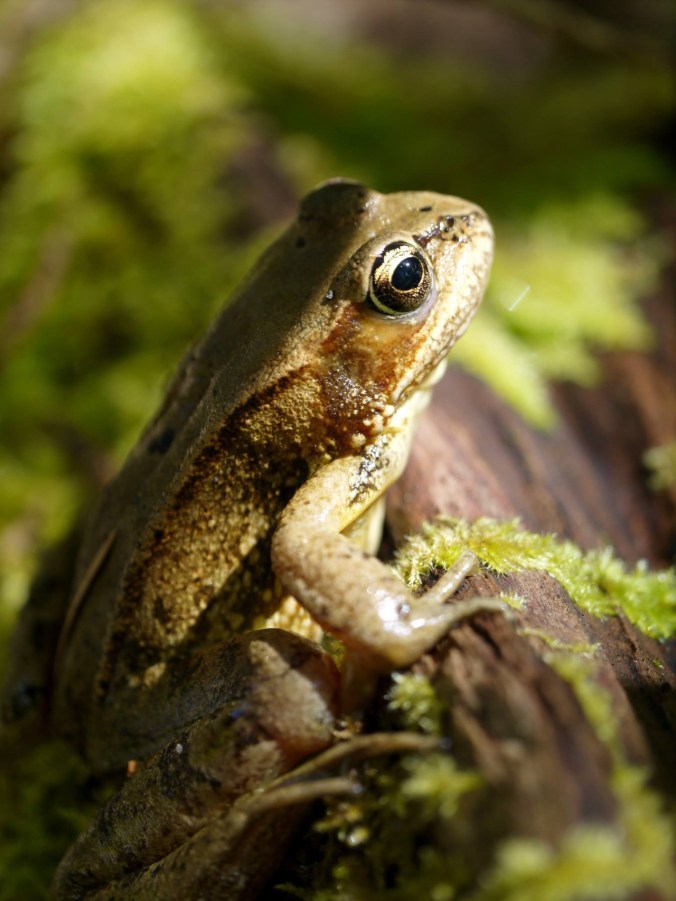
Rana cascadae “Cascades Frog” Ranidae

Olympic National Park, WA
June 7, 2013
Robert Niese

These frogs are endemic to the Cascade and Olympic Mountains where they require predator-free water sources to breed. The introduction of trout for recreational fishing has devastated many populations of these frogs here in the PNW.

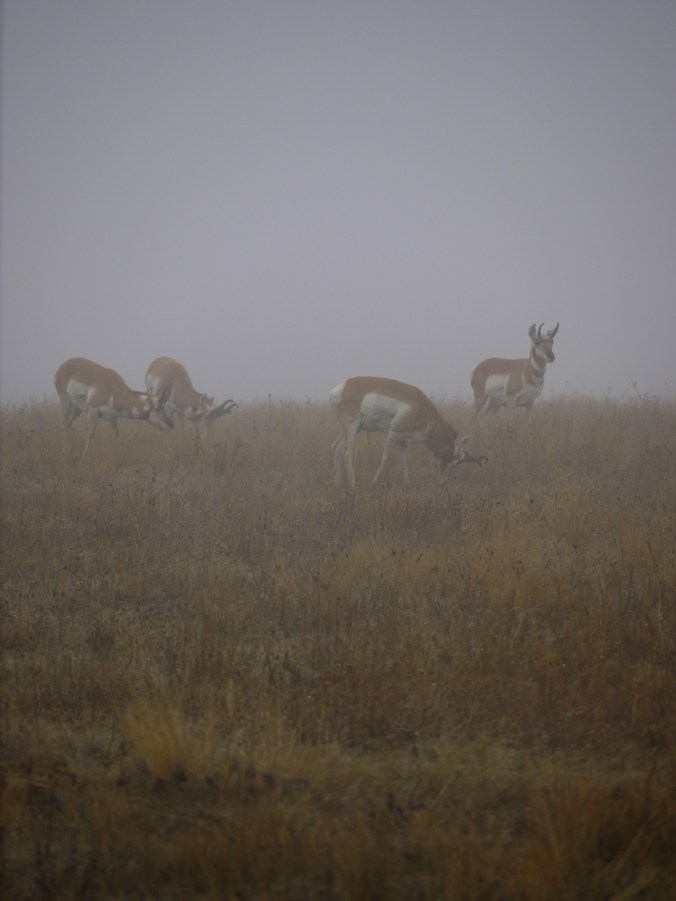
Antilocapra americana “Pronghorn Antelope” Antilocapridae (males)

National Bison Range, MT
October 26, 2013
Robert Niese

Pronghorn Antelope, like many other North American Ungulates, are polygynous. In other words, a single, dominant male claims a harem of females and battles with rival males to maintain control of the herd. The less fortunate, subservient males tend to form “bachelor herds” in which they practice sparring with one another until they are experienced and old enough to challenge the dominant male. Also, the Pronghorn Antelope family is one of only two North American mammal families that are endemic to the continent.

Black-billed Magpie (Pica hudsonia) wing, Corvidae

No Data Available
Specimen courtesy of the Slater Museum
Photo by Robert Niese

The wings of Black-billed Magpies are quite striking. The deep black feathers covering most of their bodies are actually startlingly iridescent and starkly contrast with the white windows on their outer wing feathers. This contrast could be utilized as a form of visual communication during flight.

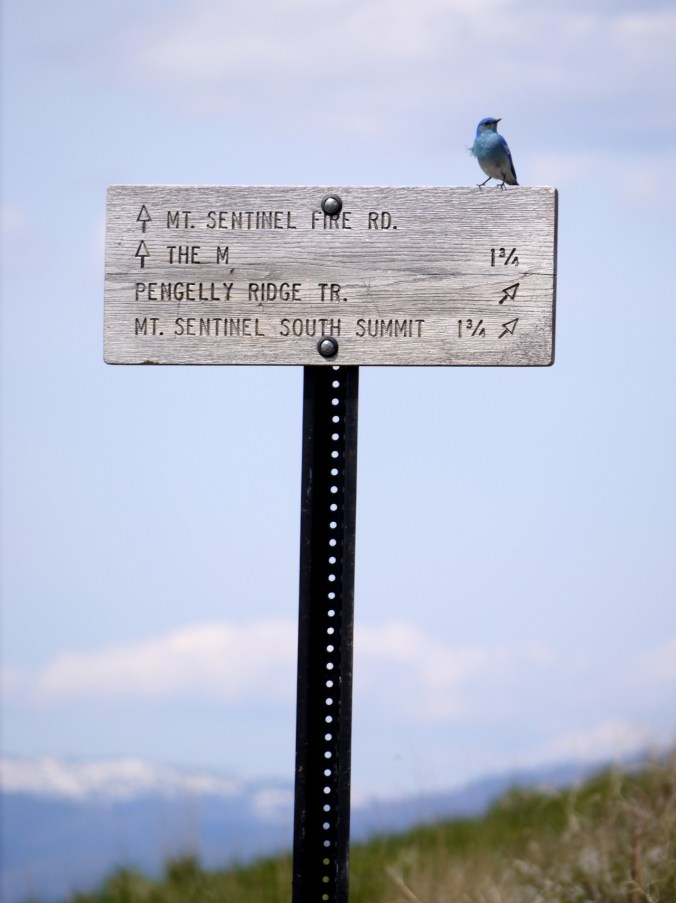
Mountain Bluebird (Sialia currucoides) Turdidae

Missoula, MT
May 13, 2014
Robert Niese

Most birds that posses such striking blue plumage typically get these gorgeous colors from tiny air pockets inside the feathers that scatter light in a way that makes them appear blue. Learn more.